Interactive Light Installation: Before Fish Become Birds Creates a ...
SEPTEMBER 22, 2026
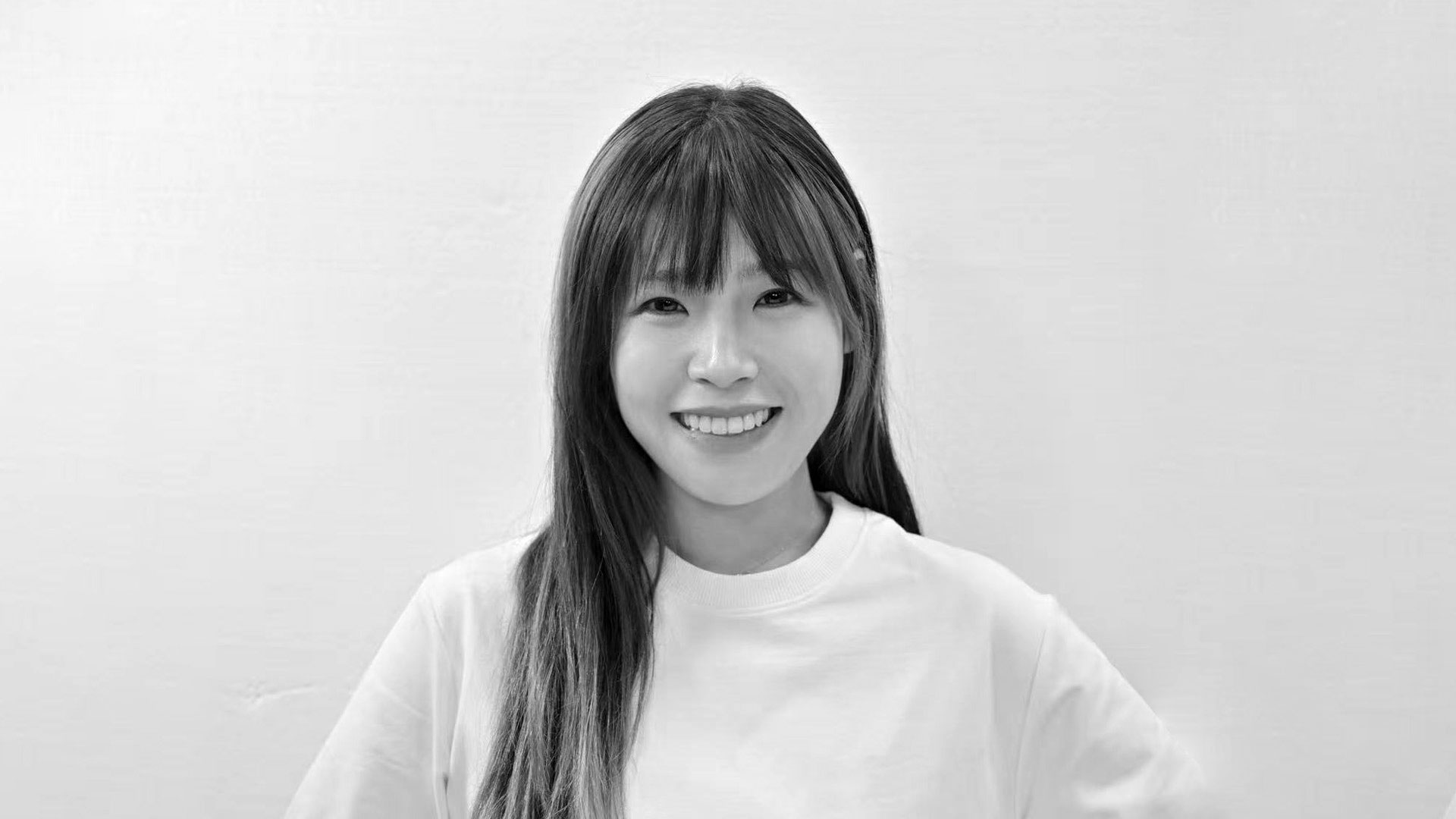
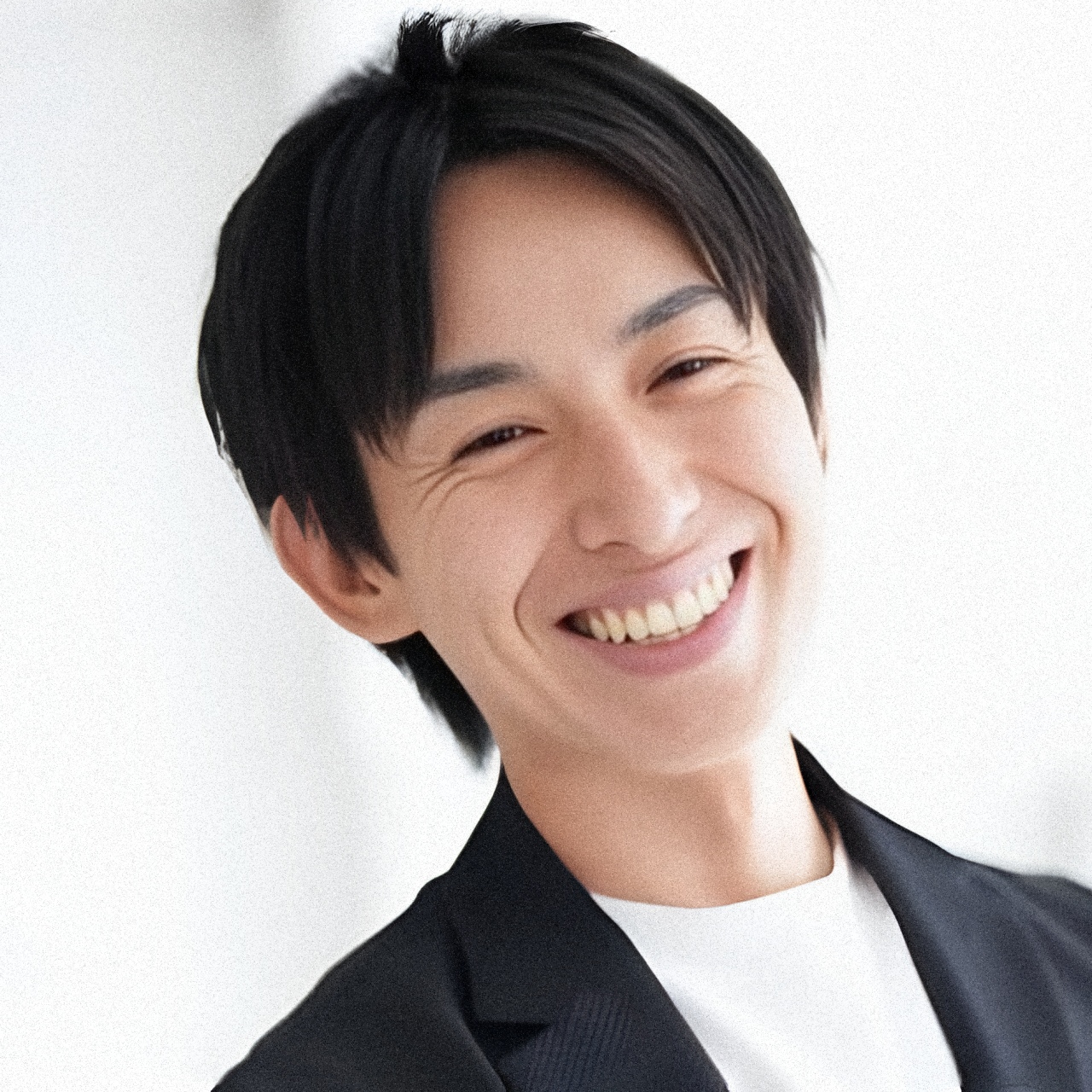
Dian Huang is a creative designer with 14 years of experience turning abstract ideas into compelling visual stories. Her journey began in a college design class, where she discovered the thrill of transforming concepts into emotion-driven communication.
Hi, I’m Dian, a creative designer with 14 years of experience. During a college graphic design class, I discovered the thrill of turning abstract ideas into visual language.
Seeing my work influence users’ emotions and help brands grow gave me a strong sense of accomplishment, which became the driving force behind my design journey.
It validates my design career and shows that the industry values innovation.
I’ve been invited to serve as a judge on industry panels, which has helped raise my professional visibility.
Experimentation is the engine that pushes me beyond habitual thinking. For a recent poster, I combined the traditional Chinese lacquer painting technique (漂漆) with 3D mechanical elements.
The lacquer experiment kept the piece rooted in heritage while adding a modern, tech-inspired feel, and the result received high praise from the judges.
While visiting the Suzhou Museum and its gardens, I was fascinated by the variety of elegant window shapes. I extracted those window frame outlines and incorporated them into packaging design, giving the product a soft, architectural charm.
The starting point of design.
Every project involves trade-offs; I often make peace with myself about the visual expression.
The timeline was extremely tight—design, prototyping, and launch all had to be completed within two weeks. I quickly aligned with the client on the style and core concept at the start, maintained regular progress updates, and avoided endless revisions that could jeopardize delivery.
I go for a walk, take a short trip, or exercise to clear my mind. Returning to work afterward often brings fresh perspectives.
I always put the user’s needs first and stay continuously curious about new tools and emerging trends.
Watch a lot and experiment boldly. User-centered thinking is crucial, but fresh aesthetics and a creative spark are equally important.
I’d love to work with Takashi Murakami. He fuses traditional Japanese aesthetics with contemporary pop culture and anime, creating a distinctive “super-flat” style. Collaborating with him would push my visual language beyond convention and allow me to learn from his powerful use of color and cultural storytelling.
“What was the core decision behind this piece?”
The core decision was to build the visual language around the user’s emotional touchpoints. Whether it’s color, layout, or overall style, I first identify the emotional need within the usage scenario, then align every design element to that need, ensuring the work is both beautiful and emotionally resonant.
Explore the journey of Kejia Yu, the Silver Winner of the 2025 MUSE Design Awards. She transforms emotion into atmosphere, designing spaces that breathe with story and soul.