HE
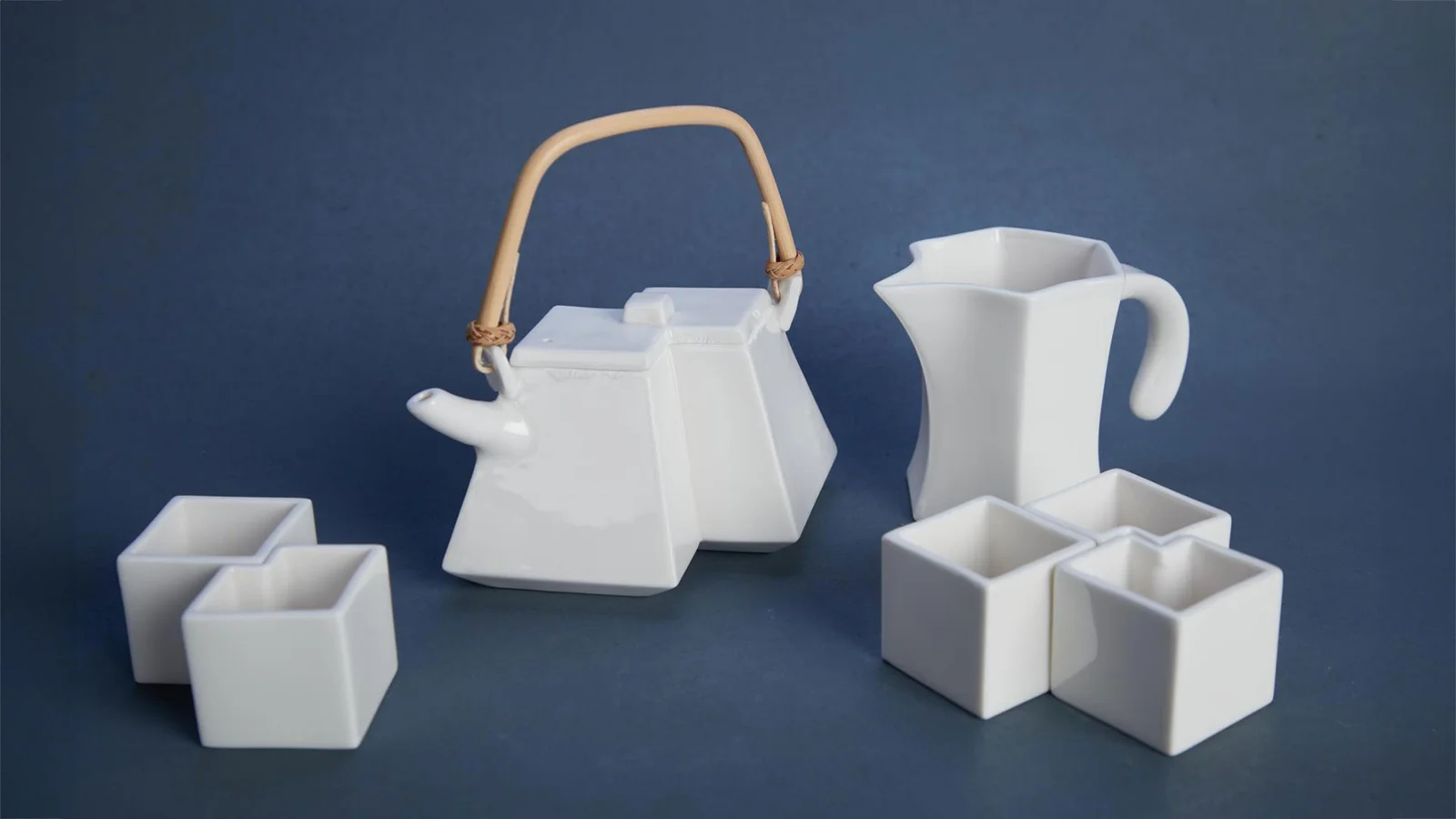
Inspired by the dual meanings of the Chinese homophonic characters "He" (unity) and "He" (harmony),...
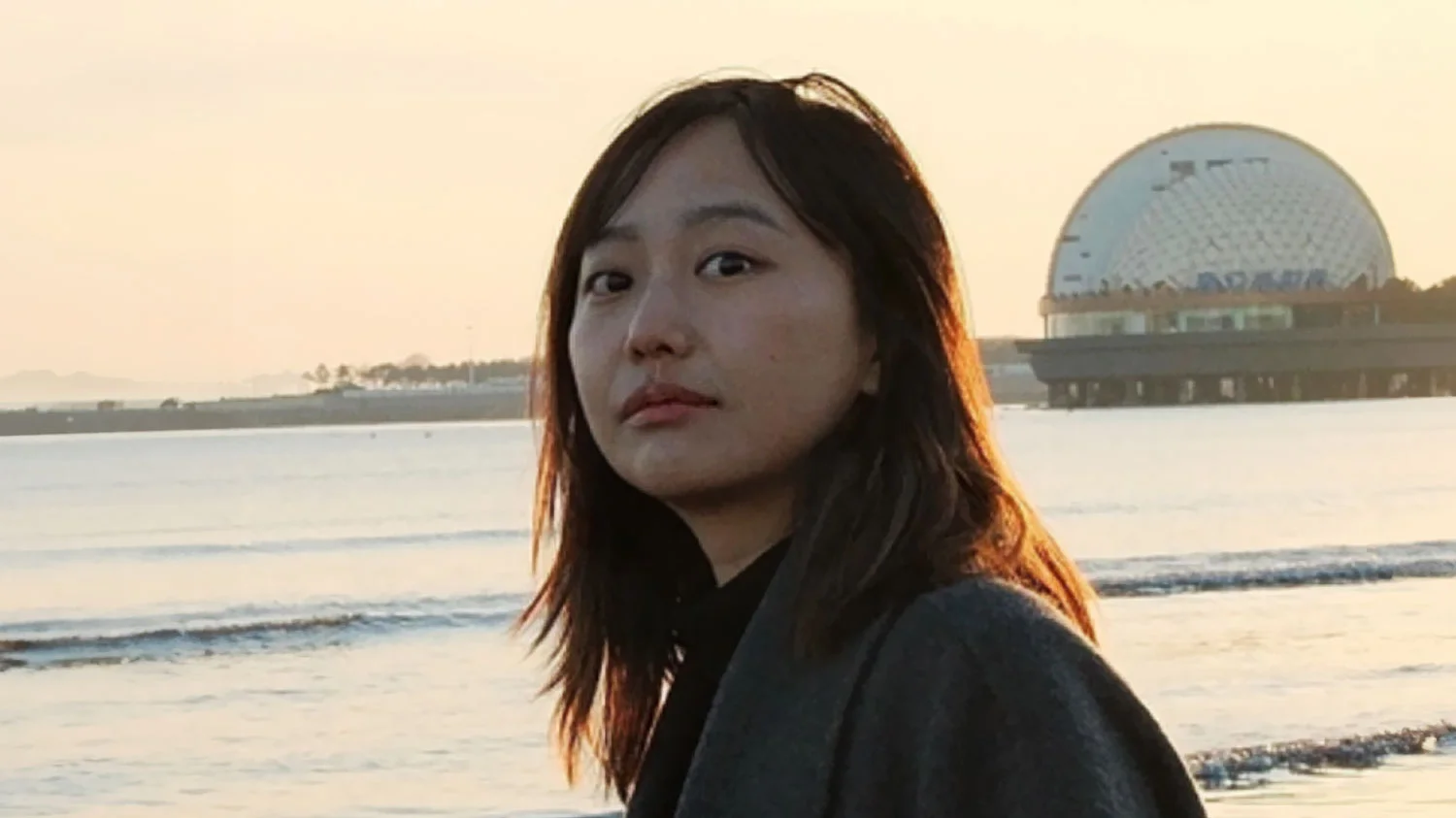
I’m a product designer driven by the belief that design is a poetic solution to life’s puzzles. My education taught me methodology, but what truly inspires me is observing daily details—how hands grip cups on subways, how old objects become planters. These moments prove design must weave empathy between people and life. To love life is to design with soul.
The MUSE Design Awards is a global passport for design philosophy. It not only certifies innovation but also affirms that modern interpretations of Eastern aesthetics can transcend cultural barriers. Design is more than objects—it’s a silent dialogue between civilizations.
This achievement enhances the global credibility of our pedagogical innovation and industry-academia integration. For instance, my curriculum framework, centered on the "theory-practice-iteration" methodology, guided student projects such as modular emergency medical cabins published in national innovation reports, validating interdisciplinary approaches.
Works archived in global sustainable design databases accelerated green technology R&D with enterprises, providing empirical pathways for educational reform. By integrating traditional craftsmanship with modern technology—such as material regeneration and digital tools—we addressed community waste challenges and generated patented solutions, aligning with global sustainability trends.
Cultural symbol redesigns and inclusive functionality innovations preserved heritage while fostering social responsibility, empowering students to excel in cross-cultural competitions.
Experimentation drives form innovation through user role simulation and prototype testing. For example, designing a blind-friendly radio involved simulating visual impairment to create a weighted, touch-optimized shape. Similarly, wireless interface trials for SKYWORTH TV led to a detachable base design, which was acclaimed internationally.
The most unconventional inspiration came from the yin-yang interlocking in ancient Chinese mortise-and-tenon joints. By merging modular geometry with Dehua porcelain, the dual-square structure embodies both philosophical harmony ("unity of heaven and earth") and functional innovation.
The key is the systematic transformation from concept to product. Take the Dehua porcelain square tea set: material limits (0.6mm thinness through 1380°C firing), functional-aesthetic balance (45° spout angle for water flow), and cultural translation (modular geometry inspired by mortise-tenon philosophy). Each step blends technical rigor with cultural reinterpretation
The balance lies in stratifying needs and guiding with expertise. Prioritize core demands (e.g., functionality, cultural codes) over aesthetic preferences through early dialogue. For the Dehua porcelain set, modular square forms fulfilled the philosophical need for 'harmony' (core need), while minimalist geometry and 1380°C firing data validated creative integrity.
Key challenges included ultra-thin porcelain stability (0.6mm under 1380°C firing) and modernizing mortise-tenon philosophy. These were overcome through modular geometry, AI-generated prototyping for form validation, and iterative user testing on functional details like spout angles.
I reignite creativity by shifting perspectives and experimenting with action. For the Dehua porcelain set, I: changed environments (studying geometric patterns in architecture), cross-pollinated disciplines (translating mortise-tenon into modular forms), and embraced imperfect prototypes (iterating through 1380°C firing trials). Action dissolves creative blocks.
Focus on uncovering core needs (e.g., mortise-tenon philosophy for functional harmony), cross-domain fusion (mathematical ratios + craft rigor), and embracing iterative validation (data-driven firing at 1380°C). Success = precision × interdisciplinary vision × technical resilience.
How do we translate intangible culture into design?
Answer: By distilling symbolic codes (e.g., mortise-tenon as a collaboration philosophy) and embedding them into modular geometry. Example: The Dehua porcelain set merges structural harmony with minimalist forms, validated by 1380°C firing data, proving cultural vitality in modern life.
Explore the journey of Junfu Cui, the Gold Winner of the 2025 MUSE Design Awards. Focused on large-scale developments, he also has a deep passion for designing small houses where every detail tells a story. X House reflects this vision—a unique residence for two artist families, shaped by an “X” layout that balances privacy, shared space, and artistic flow.