proudP
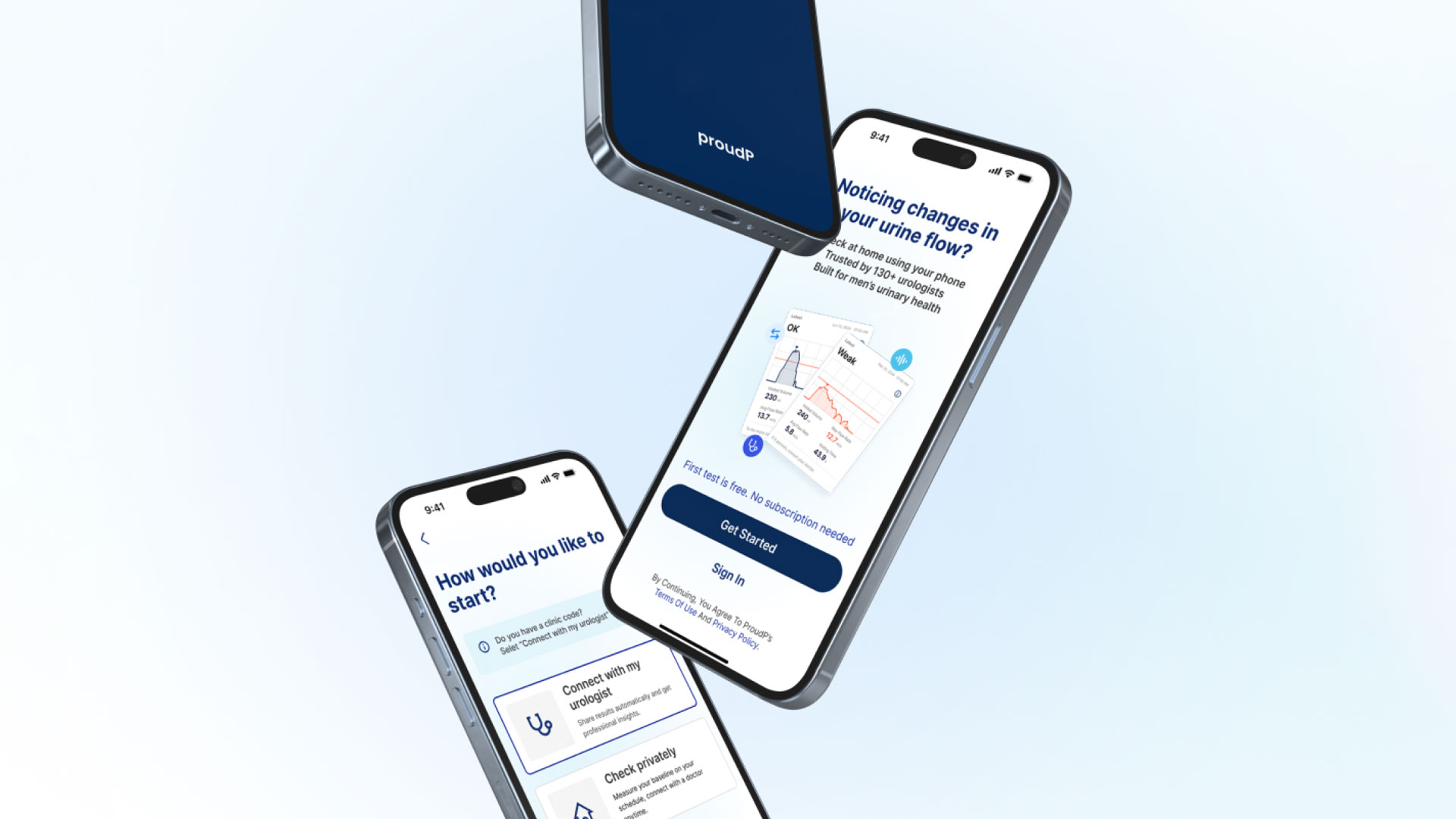
proudP is a digital health solution that redefines how individuals monitor urinary health outside of...
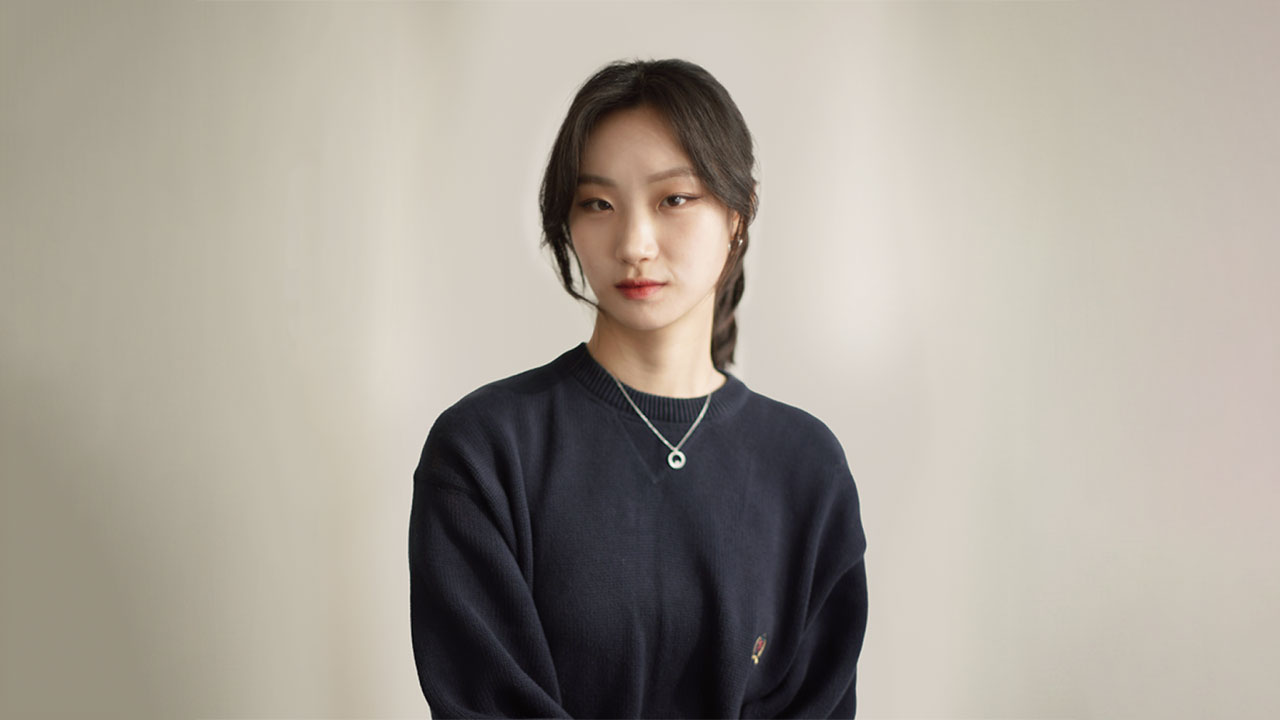
Eunjin Hong believes the best design bridges people and technology with empathy and clarity. Drawing inspiration from growing up across different cultures, she creates human-centred digital experiences that transform complex challenges into intuitive products accessible to everyone.
I’m Eunjin Hong, a Product Designer at Soundable Health. I believe design is the bridge that connects people and technology, and I'm passionate about creating products that make complex experiences more accessible and human-centred.
Growing up in different countries, I experienced a diverse tapestry of cultures and languages and saw firsthand how differently people interact with the world. This sparked my curiosity in finding a universal way to connect us all: visual language. It inspired me to pursue design, not just to craft aesthetics, but to build scalable, impactful experiences that transcend barriers.
With a background spanning Visual Communication Design and Design Engineering, I sit at the intersection of beautiful storytelling and technical feasibility. I love turning complex, ambiguous problems into intuitive, elegant digital products.
This recognition is deeply meaningful because it validates not only the design outcome but also the purpose behind the work. proudP addresses a sensitive healthcare topic that many people hesitate to talk about.
Being recognised internationally reassures me that design can create social impact and make difficult conversations more approachable.
The award has created opportunities to share the project with broader audiences and strengthened my credibility as a designer working at the intersection of healthcare technology and innovation.
For my project, experimentation is essential. It's how I de-risk design decisions and uncover what truly resonates with users.
I conducted a series of small- and large-scale experiments, using direct user interviews alongside usability feedback from various stakeholders. These iterative rounds ultimately improved usability and made the test results easier to interpret.
An unusual source of inspiration for me is vintage hardware and old dashboard designs.
I needed to transform an unfamiliar survey report into something highly intuitive. By drawing inspiration from the clear, tactile layouts of older hardware dashboards, I was able to visualise the results in a way that resonated deeply with our primary older demographic, making the data feel more familiar, accessible, and easier to understand.
I wish more people realised how deeply psychological the design process is, particularly when protecting user privacy. To reduce the psychological barriers for users, the whole team spent a lot of time carefully refining our UX copy.
Every word was chosen with extreme caution to ensure it felt safe, respectful, and transparent.
For me, the key is an iterative process driven by a continuous feedback loop. I balance our ideas by moving forward in short, iterative cycles of sharing, listening, and refining.
This constant loop keeps the client involved throughout the journey and helps us naturally arrive at a solution that satisfies both expectations and creativity.
The biggest challenge was that we couldn't directly observe how users interacted with the design, given that bathroom behaviour is a highly sensitive and private matter.
To overcome this limitation, we focused heavily on simulating real-world usage scenarios and conducting in-depth interviews. This allowed us to gather as much qualitative data as possible without intruding on our users' privacy.
To keep my creativity sharp, I intentionally change my surroundings and seek inspiration from diverse sources. I love exploring nature through the lens of biomimicry, observing underlying patterns that gradually evolve into unique design ideas.
At the same time, I stay connected to the digital design community by following creators who document their processes online, which serves as a great source of daily inspiration.
While empathy and accessibility are baseline goals that every designer strives for, I try to take it a step further by focusing on highly personalised design.
For me, it's not just about making a product usable for everyone, but about deeply understanding the unique needs of a specific user group and crafting an experience that feels like it was built exclusively for them.
If there's one thing I've learned, it's that everything connects. Don't separate design from the rest of the world; everything is interconnected. Look beyond design itself, and explore psychology, business, and technology. Most importantly, learn to map out the entire ecosystem of your product.
True innovation happens when you see the bigger picture and design for the whole system, rather than just the screen in front of you.
I'm incredibly curious about what we could achieve in collaboration with Stefanie Posavec. Her practice of 'data humanism', transforming complex, often dry data into warm, organic, handcrafted visualisations, is truly inspiring.
I would love to see how her unique perspective would interpret the sensitive health data in my project.
I wish people would ask me how I ensure my product remains highly accessible and intuitive for older adults or users who aren't tech-savvy.
My design philosophy is deeply rooted in empathy, accessibility, and an ecosystem mindset. When designing my digital health project, the goal is to eliminate the friction and anxiety that often accompany new technology for older adults or users who aren't tech-savvy.
I ensure the product remains intuitive through progressive disclosure, minimising visual complexity and allowing users to move through the experience at their own pace without feeling overwhelmed.