The Ritual of Return
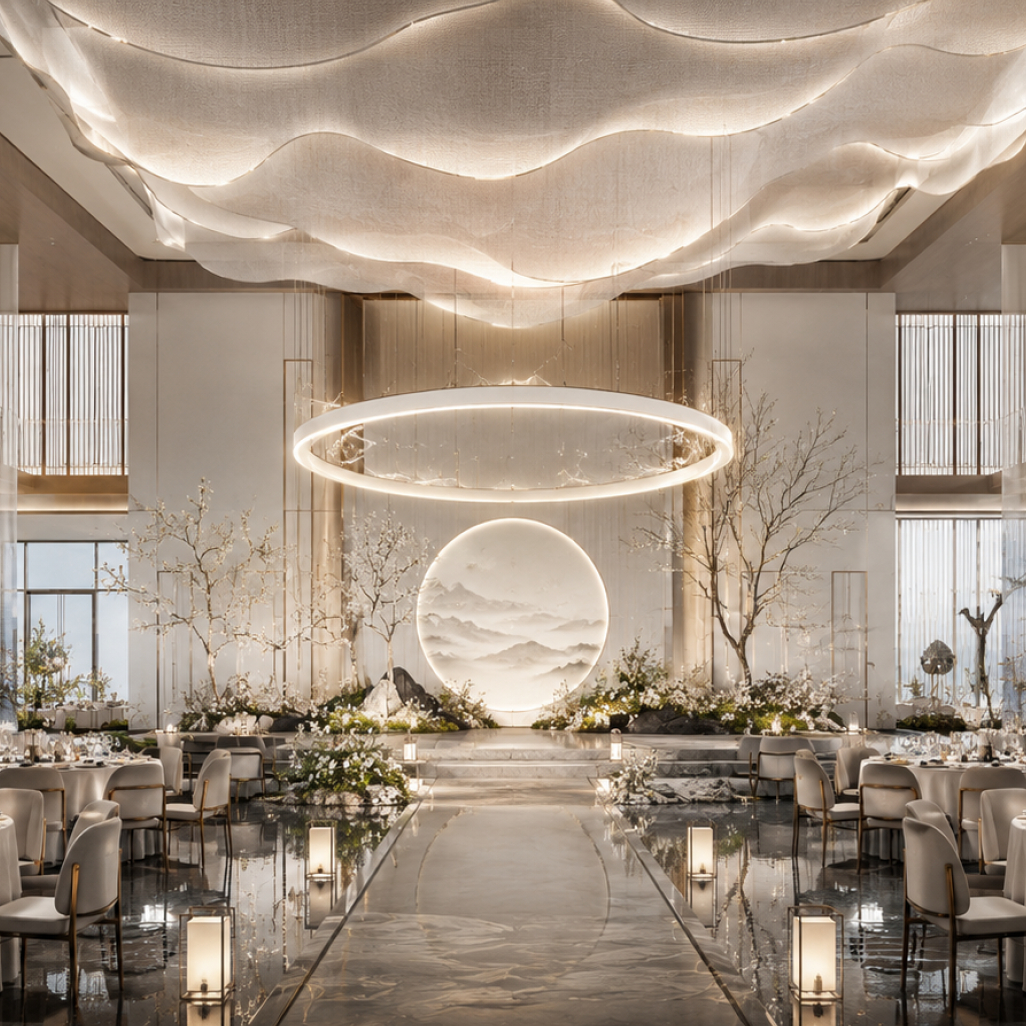
Located in the heart of Taipei’s urban core, this residential lobby is envisioned not merely...
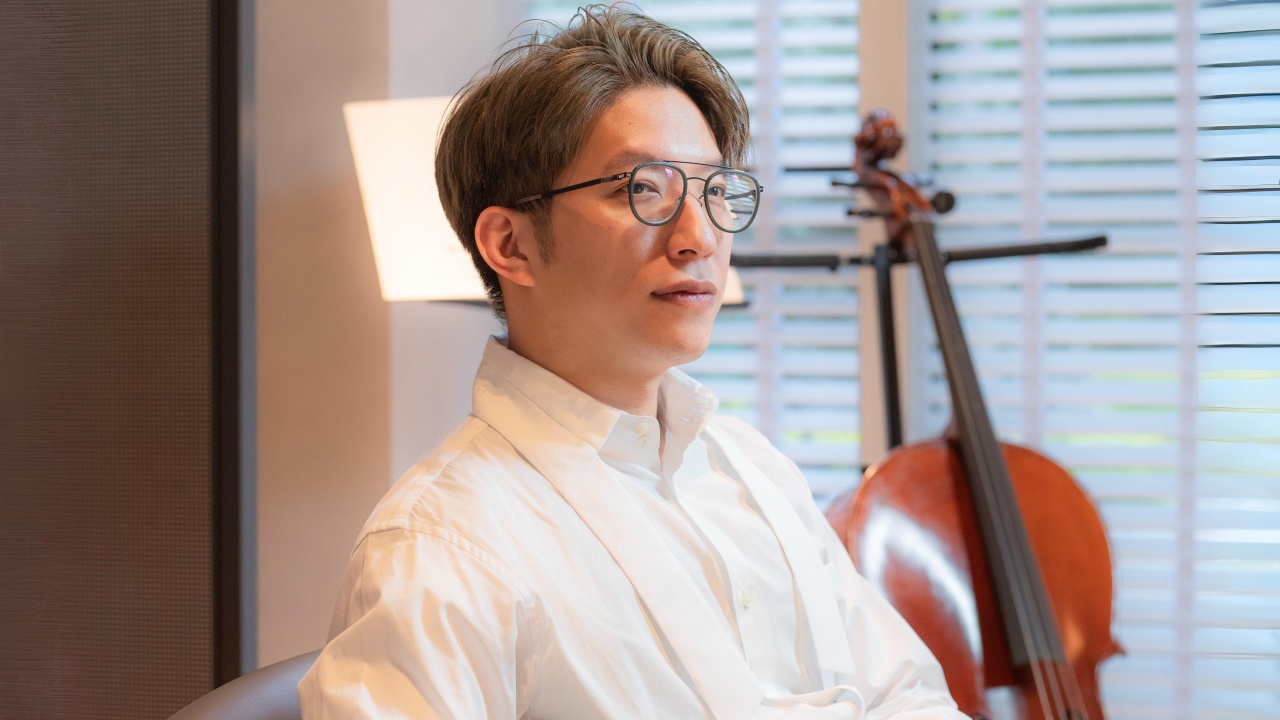
As the founder of Tairan Space Design, Albert Liu creates spaces shaped by sensory cues and emotional intention. He studies the quiet shifts created by light, texture, and atmosphere, using them to build interiors that support comfort and emotional clarity. Through constant testing and exploration, he uncovers fresh approaches to spatial expression.
I’m Albert Liu, founder and director of Tairan Space Design. My work focuses on spatial narrative, material expression, and the emotional experience of users. Growing up, I was constantly fascinated by how space influences human psychology—how light, scale, temperature, sound, even the movement of air can quietly shift someone’s mood. This invisible power drew me in and ultimately led me to pursue interior design as a way to improve the way people live through space.
For me, the French Design Awards is not a full stop—it’s a reminder. A reminder that good design isn’t about style, but about impact. It affirms our pursuit of balancing detail, narrative, and human focus, and reassures me that the direction we’ve been committed to is being recognised on an international stage.
This award has opened doors to more cross-border collaborations and attracted clients who value depth, texture, and thoughtful design. For the team, it’s a major encouragement—it proves we can fulfil commercial demands while also presenting cultural and creative value internationally. We’re currently in discussion with several Asian brands and have been invited to participate in future interdisciplinary exhibitions and talks.
Experimentation is at the core of my creative process. Without it, breakthroughs don’t happen. For example, in a residential lobby project, I used “time” as a material—mapping the changing light throughout the day onto the spatial circulation.
By testing material reflectivity and lighting temperature, we created subtle emotional shifts every time someone walked into the lobby. It’s an unconventional approach for commercial projects, but experimentation allowed us to discover new ways to tell spatial stories.
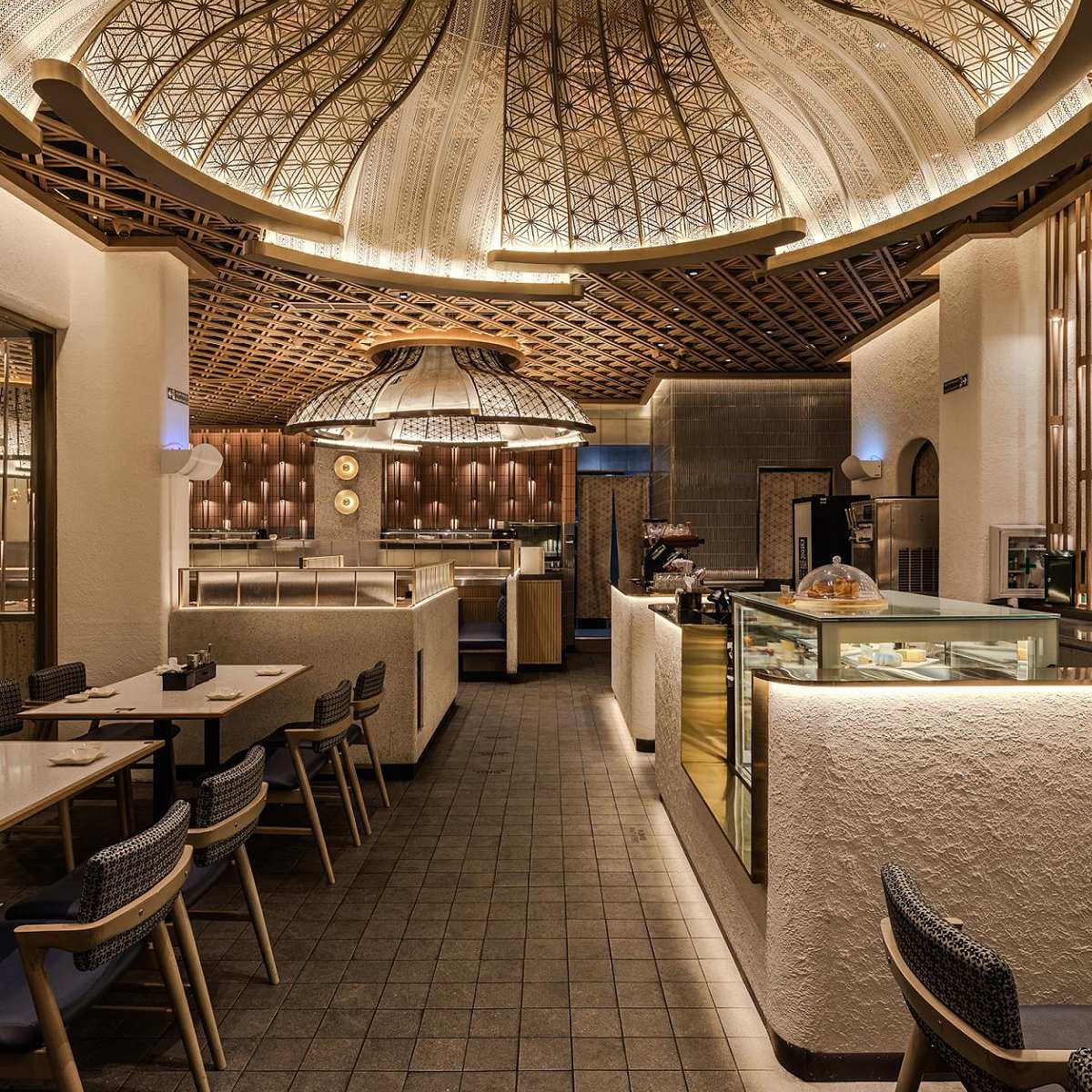
One of my inspirations came from a cup of hand-brewed coffee. Watching the flow of water, the shifts in temperature, and the layering of aromas made me think that space could work the same way—revealing different qualities at different rhythms and temperatures. I applied this idea of “extraction” to material composition and lighting layers, which eventually shaped a calm yet intricate exhibition space.
I hope people understand that good design isn’t about pleasing a particular aesthetic—it’s about creating an experience. Design isn’t just making something beautiful; it’s interpreting human needs, behaviours, and emotions, then responding through spatial language.
I always begin by understanding the client’s purpose before deciding on the execution. If our perspectives differ, I try to elevate the conversation—showing the client that we’re not rejecting their ideas, but offering solutions that function better in the long run and align with the essence of the project. True collaboration isn’t about who convinces whom—it’s about making the space better together.
The greatest challenge was maintaining the integrity of the material language within a limited budget and conditions. Through extensive model testing and material substitution studies, we found solutions that were efficient yet still refined. This process didn’t just solve practical problems—it pushed us to rethink what is essential in design.
I step away from the desk and let my body shift states. Sometimes I observe light and shadow, listen to music, or simply have a cup of tea. Inspiration can’t be forced—it appears naturally in the spaces between moments.
I deeply value stillness and the beauty of emptiness. Asian cultural restraint, the broadened perspectives from travel, and the quiet details of daily life all shape my belief that space doesn’t need to speak loudly—it should help people hear themselves more clearly.
See more of the world. Observe more people. Look more inward. Skills can be trained, and style will develop, but depth only comes from life experience. Don’t rush to become someone else—start by becoming someone sensitive, humble, and willing to observe.
I would choose Vincent Van Duysen. He brings warmth to minimalism, lets materials speak, and gives space a sense of personality and depth. I admire how he merges stillness with strength, creating profound emotional resonance through minimal gestures. Collaborating with him would feel like listening to a slow, deeply moving piece of music.
I wish people would ask: “What is the essence of design to you?”
My answer would be: Design exists to bring people closer to who they want to become. If a space helps someone relax, be brave, find clarity, or feel more like themselves—then the design has fulfilled its purpose.

Read about A Living Space with Soul: Inside CaiBao Guo’s Design Winning Work here, which secured him an award-winning title.