The Choreography of Flow
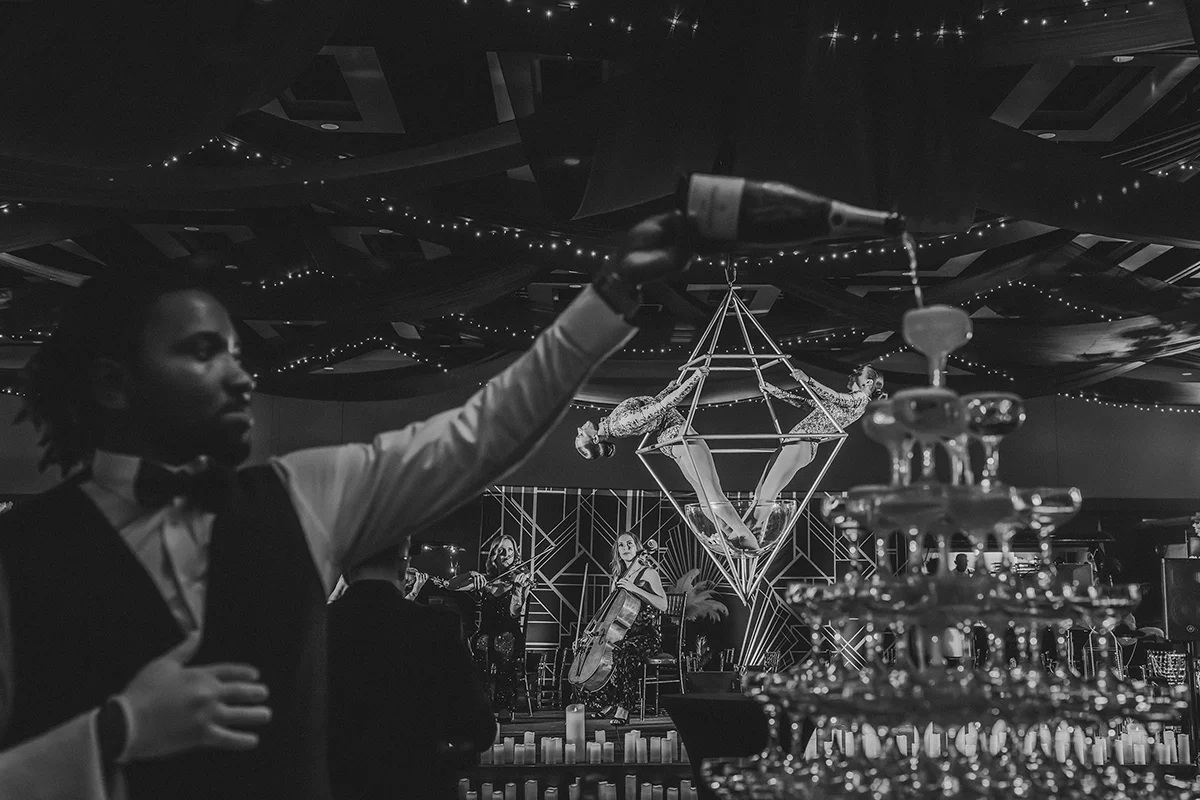
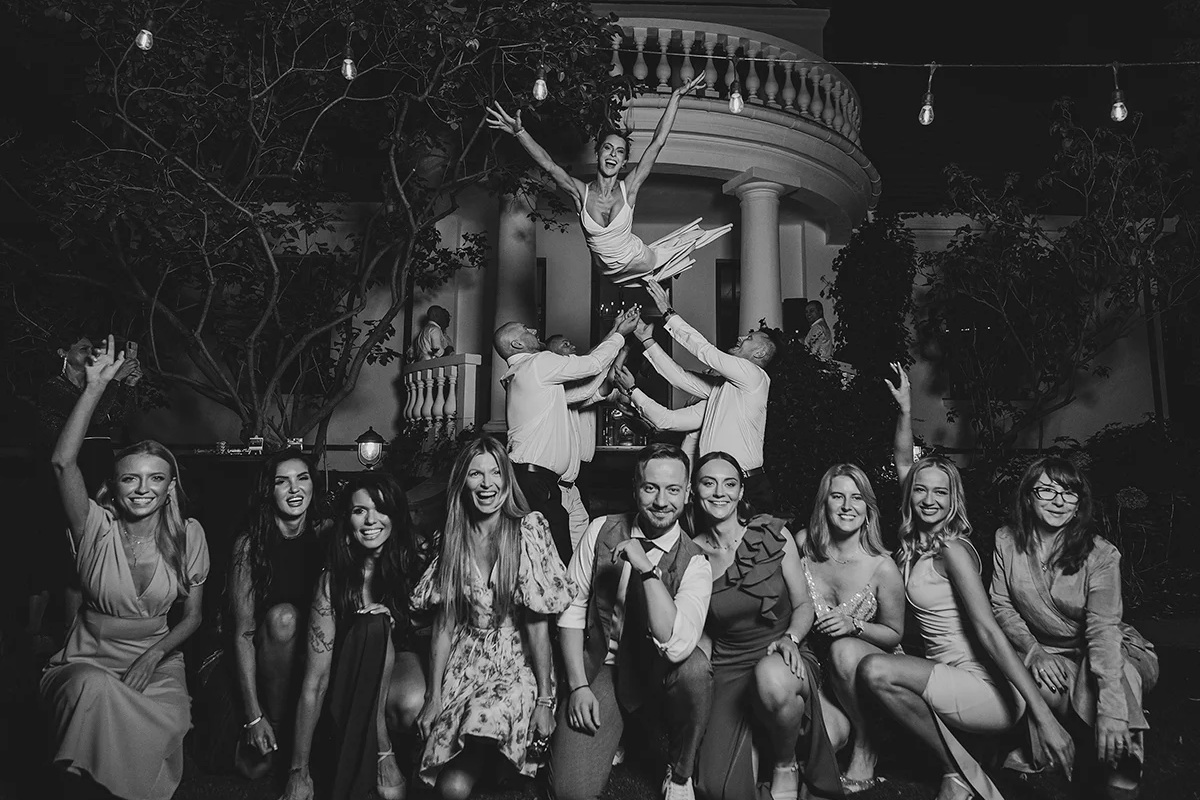
A powerful composition captured during a luxury event in Mercure Earls Court Hotel in London...
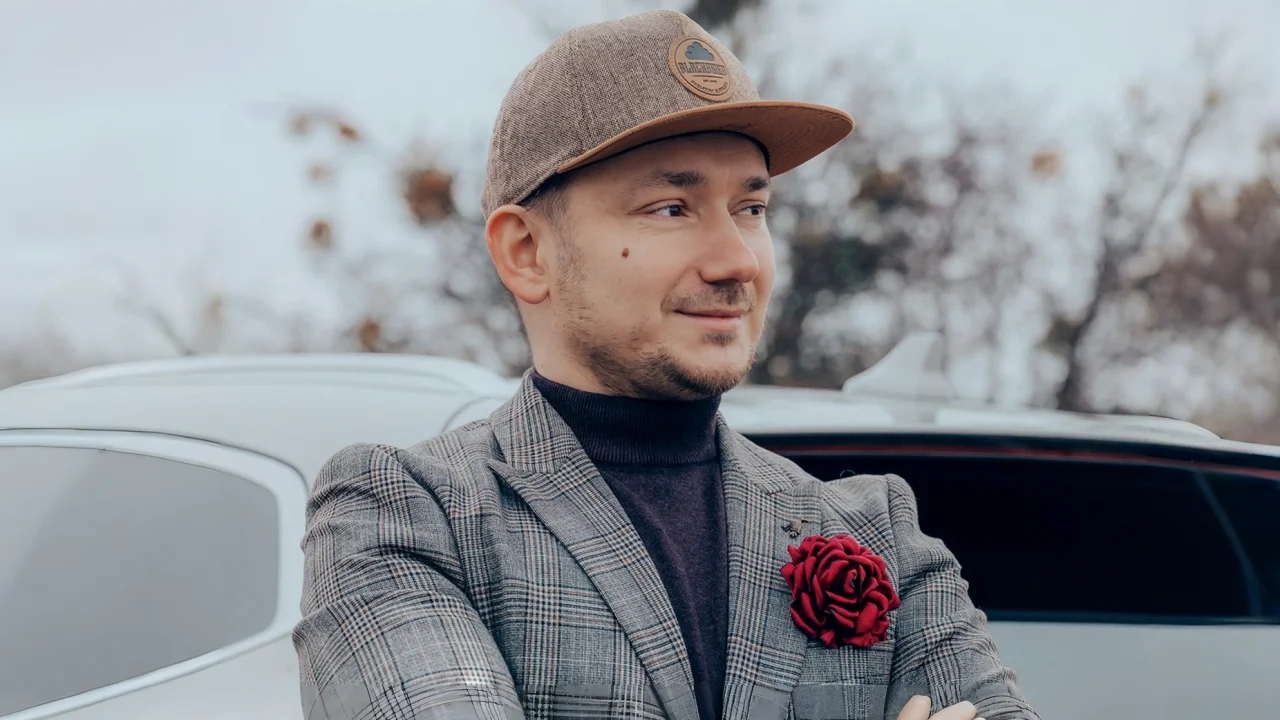
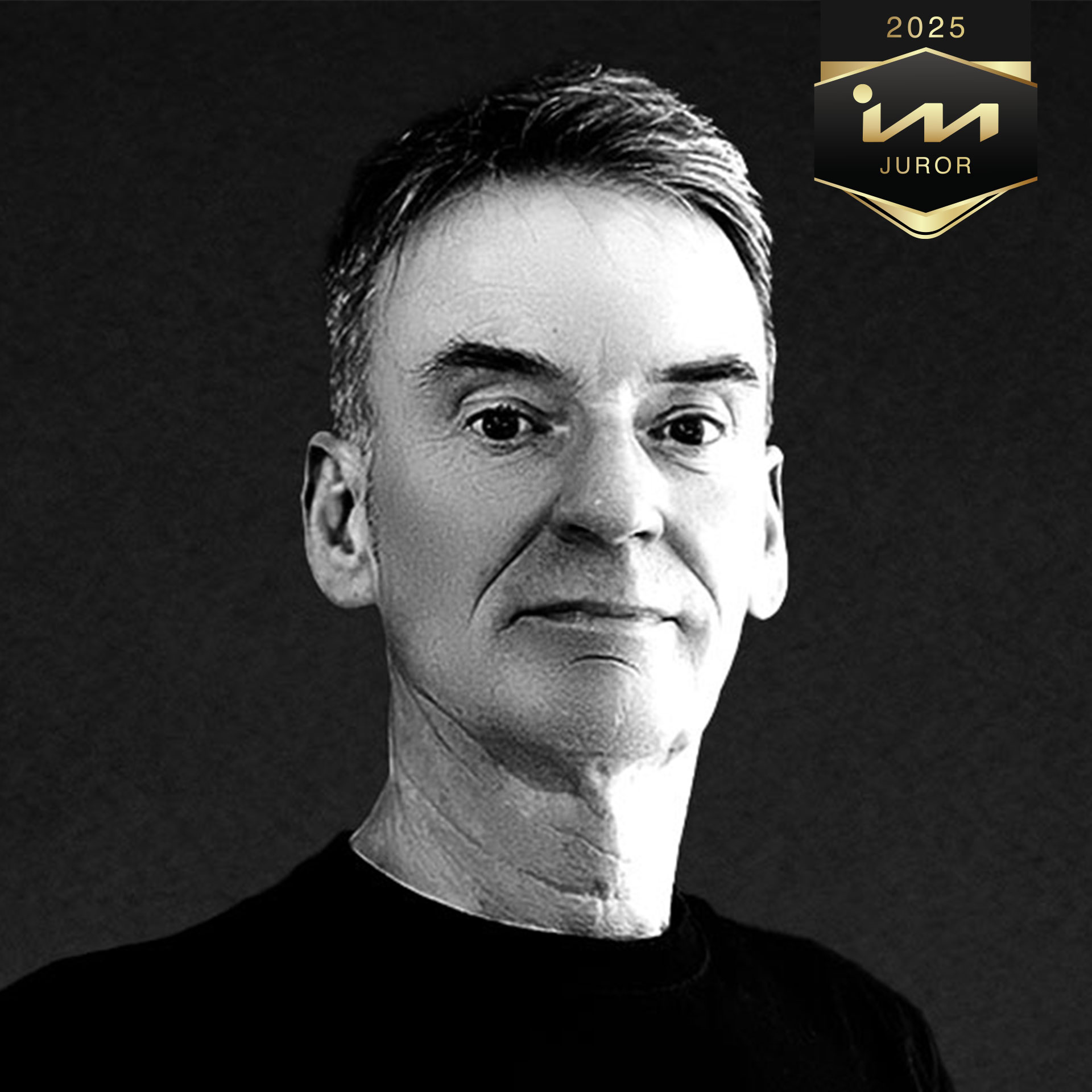
For Piotr Myszkowski, photography is proof that imagination has few limits when paired with passion and perseverance. Inspired by years of travelling with his family, he transformed an early fascination with the world into a rewarding creative career. Inspired by childhood adventures and shaped through self-directed learning, he continues to create work that reflects curiosity, passion, and imagination.
I am an empiricist and a self-taught artist who believes that anything is possible. Photography has become both my passion and my profession, and I believe that the most important thing in life is to do what you truly love. I believe that the only thing limiting people is their imagination, and photography allows us to push beyond those boundaries.
I began my journey with photography a long time ago, during my childhood. My parents inspired me to pursue it, as we travelled extensively together, and every trip felt like a new adventure to me. Over time, those adventures naturally evolved into a journey with a camera in my hand.
In this edition, I received several awards across a wide range of categories, and I am very grateful to the jury for recognising my work. Throughout my career, I have won many international competitions, but this is my first time participating in the London Photography Awards this year, and I am extremely pleased to have achieved such significant success right away.
For me, this is yet another reminder that pursuing and realising one’s goals and dreams in life is truly important.
It is not an easy process and it requires confronting oneself. Before each competition, I spend a long time analysing the strengths and weaknesses of my photographs and select the best ones — those that most closely fit the category and the spirit of the competition.
It is somewhat like looking into a mirror and taking an honest, sometimes harsh look at yourself, where you have to evaluate your own work and critically reject the weaker pieces. I believe this is always a difficult choice for an artist.
First and foremost, my beloved parents! Later, it was the desire to see the world differently, to notice what others do not see, and the aspiration to go beyond the limits of imagination.
That’s a difficult question. I work across a very broad range of photography, but I would say I am most strongly drawn to commercial photography — from advertising and fashion photography, through events, all the way to architecture.
I work professionally as a photographer for many well-known brands and corporations, creating a variety of projects for them. I don’t like monotony, which is why I really appreciate being able to work on different types of assignments and often combine elements from various photographic genres. This gives me a great range of possibilities and allows for a more creative and unconventional perspective on each project.
I think I enjoy photography the most when it aligns with my own vision and when my clients and I are satisfied with the final result.
I have been working with Sony for many years, and I appreciate their equipment for its high quality and technical precision in rendering detail. I think the 50–150mm f/2.0 GM is my favourite lens, as it allows me to complete most of my projects, although my lens kit is quite extensive and tailored to different types of photography.
What others do not feel. Photography should stimulate creative thinking and allow everyone to interpret it in their own personal way.
We live in a world full of images and constant streams of content, scrolling through social media so quickly that we often lose sight of why we are even doing it. So if someone pauses, even briefly, on my photograph, it means they have perceived it in their own way and that it has evoked some kind of feeling in them.
It is important that we feel and that we pause within this rush of life. If my photography can create even that moment of stillness, then I consider the goal achieved.
As I mentioned, I won in various categories, and each submitted photograph has its own story. However, I would highlight a documentary image titled “The Choreography of Flow”, which captured a single, unrepeatable moment. The photograph has significant depth and a multi-layered composition, which required a quick decision and the perfect positioning during a large event in London.
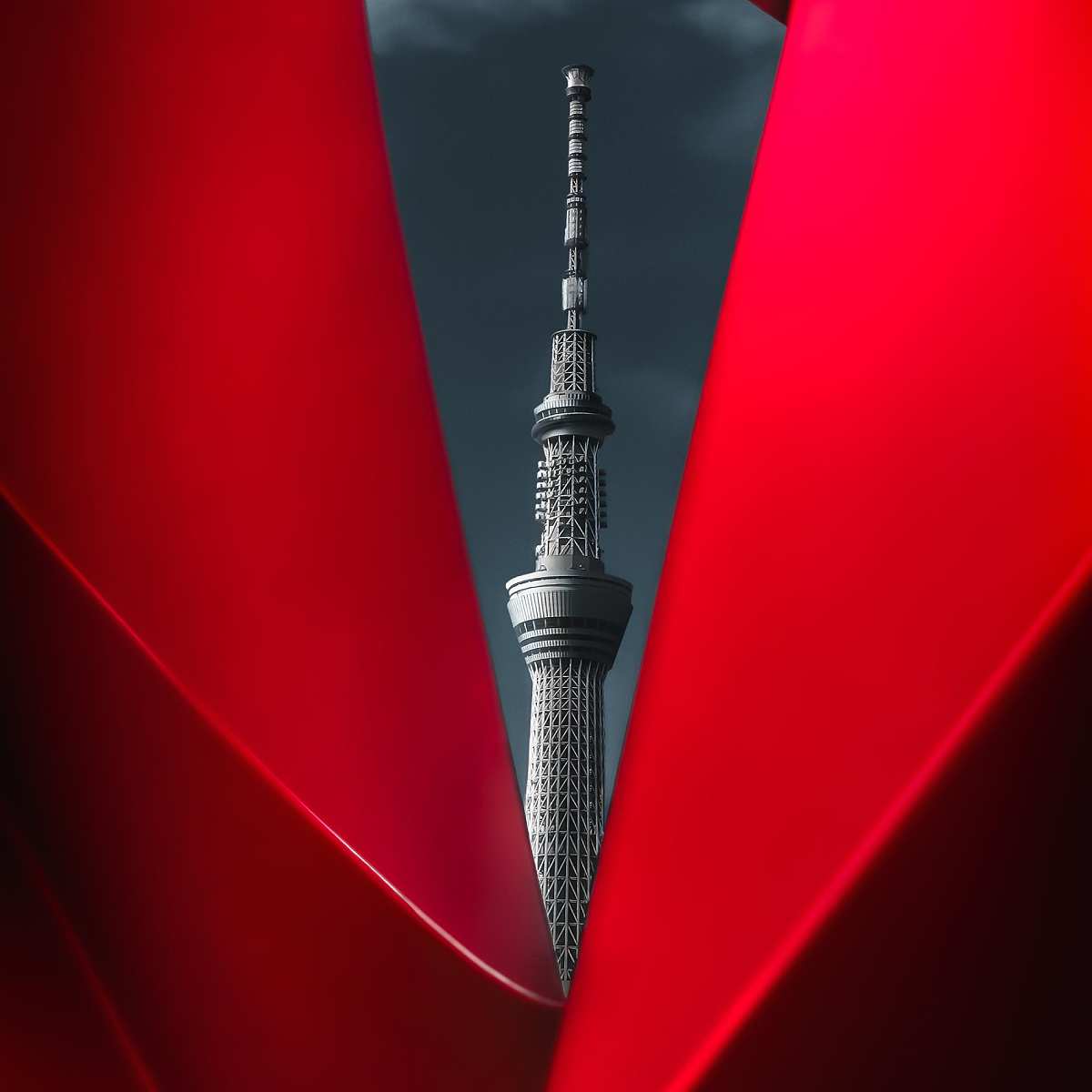
I would also point to “The Architecture of Utilitarianism: Logistical Cathedrals”, a series of black-and-white architectural photographs created during an assignment for a long-term client. This is a very sentimental project for me, as it represents that moment when you begin to see the world differently from others, and something seemingly ordinary can be transformed into an artistic work.
Yes, there is such a place — it is a place that has not yet been discovered by anyone!
I think it was a moment during my management studies, when I started an internship at a bank and began to question what I truly wanted to do in life in order to be happy. It was a point where I decided to go all in and chose photography as my life path.
I started working for various magazines and companies, opened my own photography studio, and began photographing celebrities. That was a turning point that changed a lot in my life, and I knew I would never sit behind a desk in a bank again.
Try, try, and try again. If it doesn’t work the first time, don’t give up. Learn to believe in your work and stand by your ideas.
Do what you love, don’t listen to what others say, find your own path, and never give up! And above all, don’t be afraid to dream and to reach beyond the limits of imagination!
I am a detail-oriented person, so I pay very close attention to details — even if others say something is fine, I will still keep refining it until the result is perfect. Because of that, post-production plays a very important role for me, and I dedicate a lot of attention to each image. I like everything to be perfectly refined.
There is a lot of discussion about AI taking away jobs, including those of photographers, but I believe that the continuous development of technology and AI is inevitable. It is important to embrace it, not fear it, and to use it in our work.
AI is becoming an assistant that makes the entire creative process more fluid. We should use technology and learn from it rather than running away from it. I believe that if someone is truly good at what they do, they will always find their place, and AI will only help them grow even further.
I think it would be a high-fashion shoot done on Mars, because after all, the only limit is our imagination!
Explore The Beauty of Personal Expression - Photography with Andrea Dávila, a winner of the London Photography Awards by clicking here.