
Design & Inspiration
From Childhood Creativity to Architectural Mastery: The Journey of Zi Zhuo
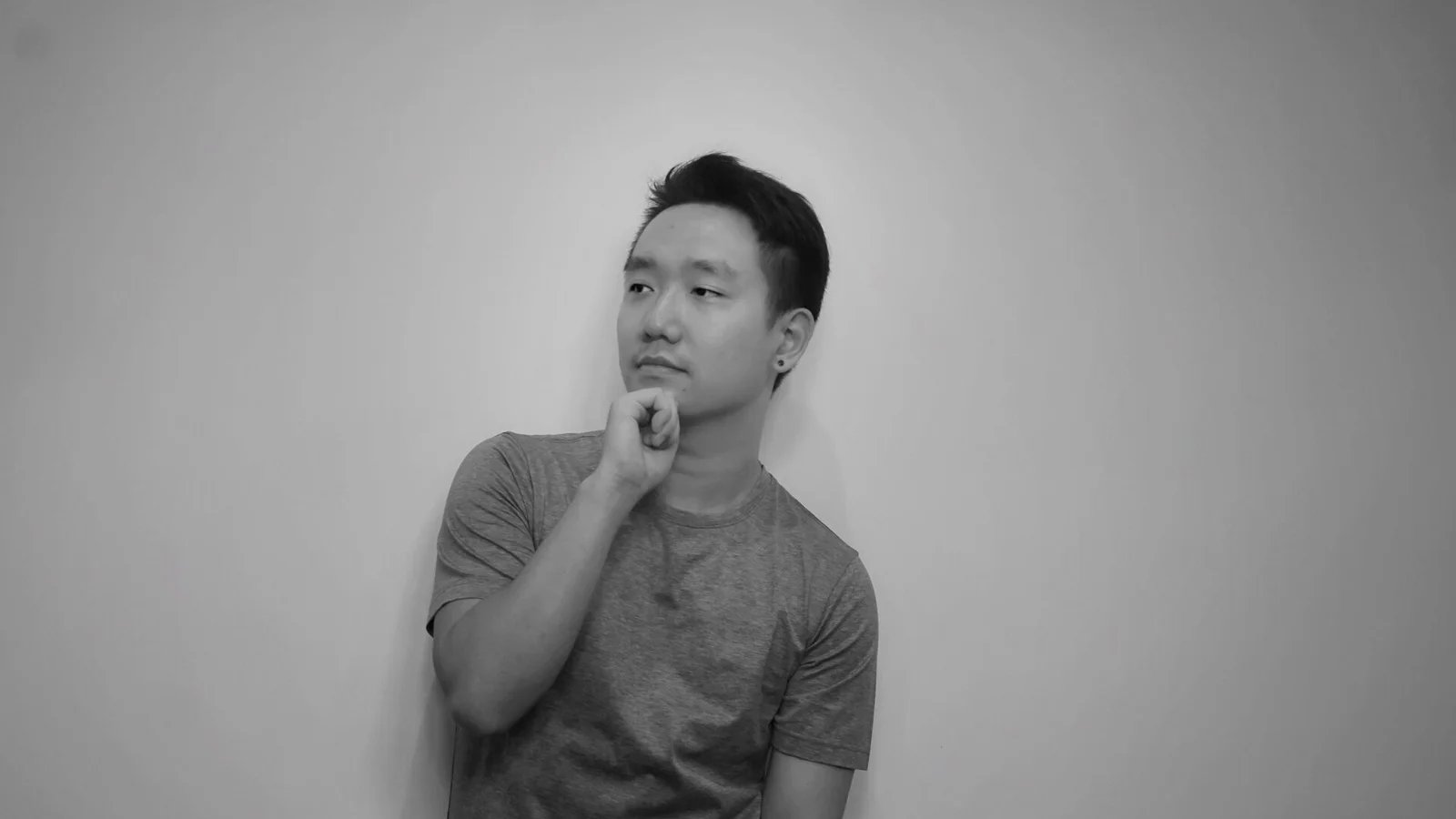
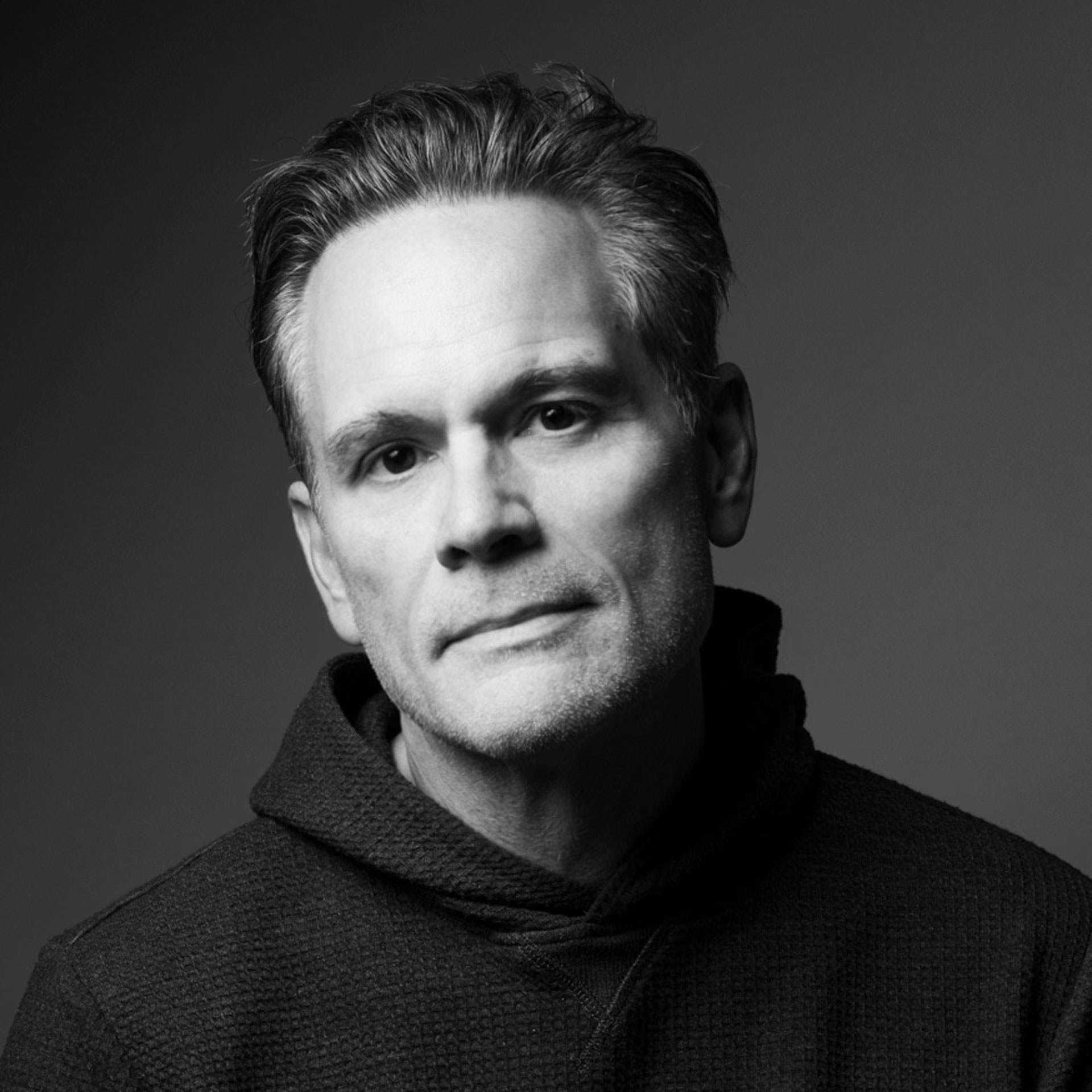
Zi Zhuo
Zi Zhuo is a Seattle-based architectural designer at NAC Architecture, specialising in student housing, mixed-use projects, and housing master plans. With degrees in architecture from Chongqing University and the University of Virginia, his work is deeply inspired by a lifelong passion for creativity and a belief in design as a way to enhance daily life, bringing both functionality and joy to the people it serves.My name is Zi Zhuo, and I am a higher education-focused architectural designer at NAC Architecture in Seattle, WA, specialising in student housing, mixed-use designs, and housing master plans. Previously, I worked at Ayers Saint Gross in Washington, D.C.. I hold a bachelor’s degree in architecture from Chongqing University and a master’s degree in architecture from the University of Virginia.
Since childhood, I’ve been drawn to creative activities like building blocks and painting. Additionally, my father’s work in the architecture industry greatly influenced me and naturally led me to the field of architecture.
NAC Architecture is a multidisciplinary design firm with over 170 professionals across offices in Spokane, Seattle, and Los Angeles. The firm specialises in architecture, planning, interior design, and engineering, with expertise in education, healthcare, civic, cultural, and hospitality projects. At NAC, I primarily work on student housing and campus planning projects.
To me, design is both a profession and a way of life. It’s about observing the details of daily life and applying creativity to optimise and enhance them, bringing convenience and joy to others. Design has also profoundly shaped my perspectives and aesthetics.
Architectural design is undoubtedly my favourite because it poses challenges while making a meaningful impact on society and people’s lives. Among architectural projects, I’m particularly passionate about museum design, as it offers the opportunity to express ideas in the most creative and impactful ways.
A good design stems from innovative ideas, a broad perspective, practical experience, attention to detail, and strong teamwork.
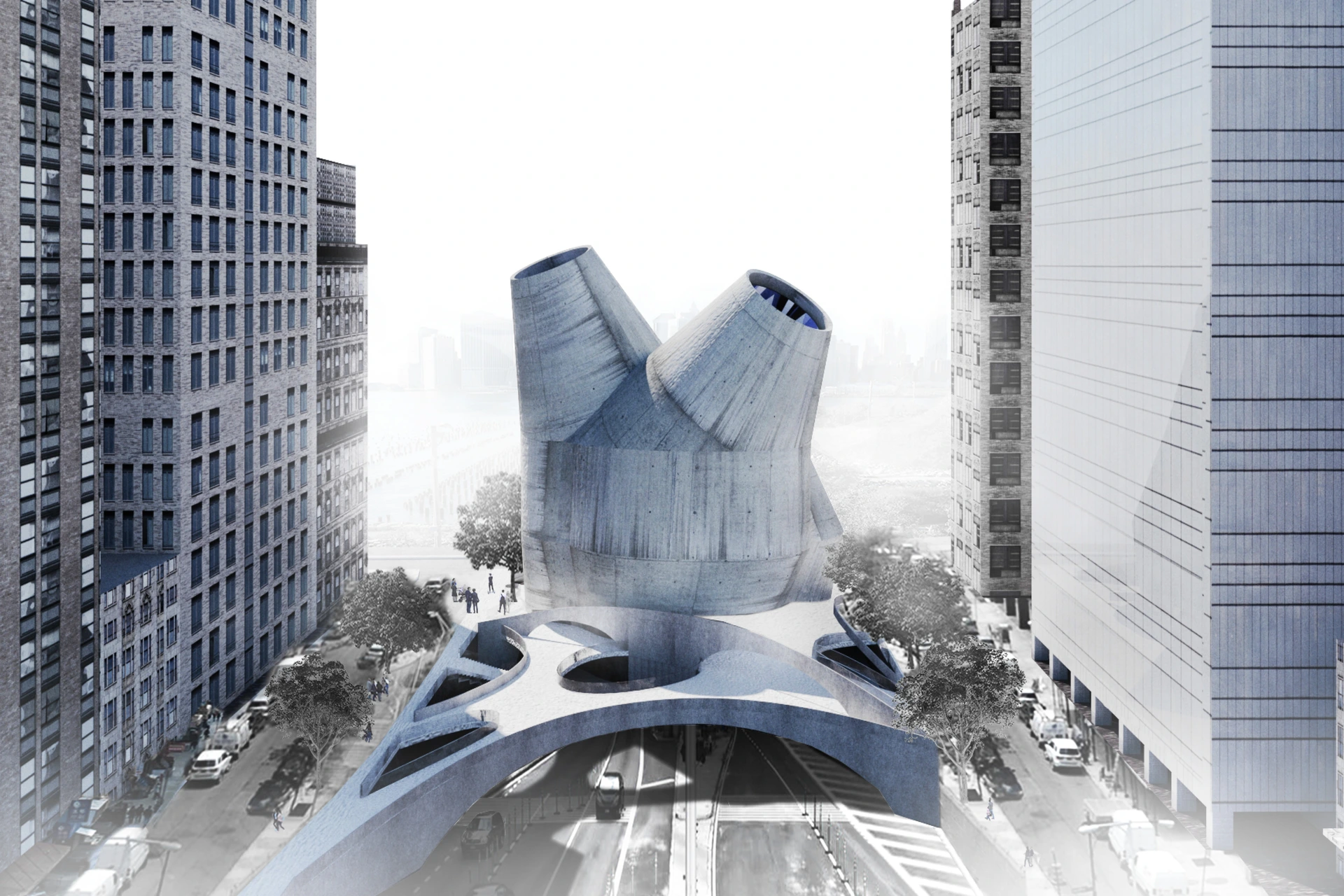
Museum design has always been a personal favourite, particularly when exploring avant-garde architectural concepts. The project site’s connection to the science fiction film Men in Black inspired me to integrate futuristic elements and imaginative spatial forms.
The secret base in Men in Black and the motif of surveillance cameras—common in science fiction films—served as the foundational inspiration for the project.
My Chinese heritage, especially the design principles of traditional gardens, has greatly influenced my work. Chinese garden design often emphasises“suppression before revelation,”which inspires me to craft spatial narratives that gradually build anticipation and lead to an impactful climax in the visitor experience.
Winning this award is an incredible honour. It validates our hard work and serves as a source of pride for me and my team, inspiring us to continue pushing boundaries in design.
The Sci-fi Gallery New York reimagines a ventilation tower in Manhattan as a sci-fi-inspired garden and gallery. Drawing on its connection to Men in Black, the project merges architecture, landscape, and cinematic storytelling. Its novel concept and captivating spatial forms made it a strong contender for the competition.
Materialising the futuristic theme spaces was the most significant challenge. To address this, I extensively researched sci-fi references, explored futuristic spatial forms, and tested multiple prototypes using modelling software, eventually refining the designs into concrete forms.
This award is a milestone that enhances my portfolio and credibility in the industry. It motivates me to pursue even more innovative projects in the future.
1. The dynamic and creative work environment.
2. A strong sense of identity and purpose.
3. The immense satisfaction of seeing a project come to life.
Its innovative concept, futuristic spatial forms, and cohesive storytelling make it stand out.
AI will play a transformative role by automating repetitive tasks, allowing designers to focus on creativity. It will also introduce new tools and inspirations, reshaping the way we conceptualise and execute designs.
Believe in your ideas and actively participate in competitions. Focus on originality, pay attention to detail, and ensure your concept is consistently expressed throughout the design. Don’t settle for mediocrity—push boundaries.
For inspiration, platforms like Pinterest and ArchDaily are invaluable. For software skills, YouTube tutorials and learning from experienced colleagues are highly effective.
Despite the futuristic nature of my award-winning project, I am an avid fan of modernism and minimalist design.
My parents have been my greatest mentors, guiding me toward architecture and providing unwavering support. Additionally, a professor from my undergraduate studies taught me the importance of infusing meaning into architectural work.
Imagination, persistence, and confidence are the keys to success. Always trust your creative instincts and remain resilient in the face of challenges.
I hope the London Design Awards continue to grow and inspire designers worldwide!
Winning Entries
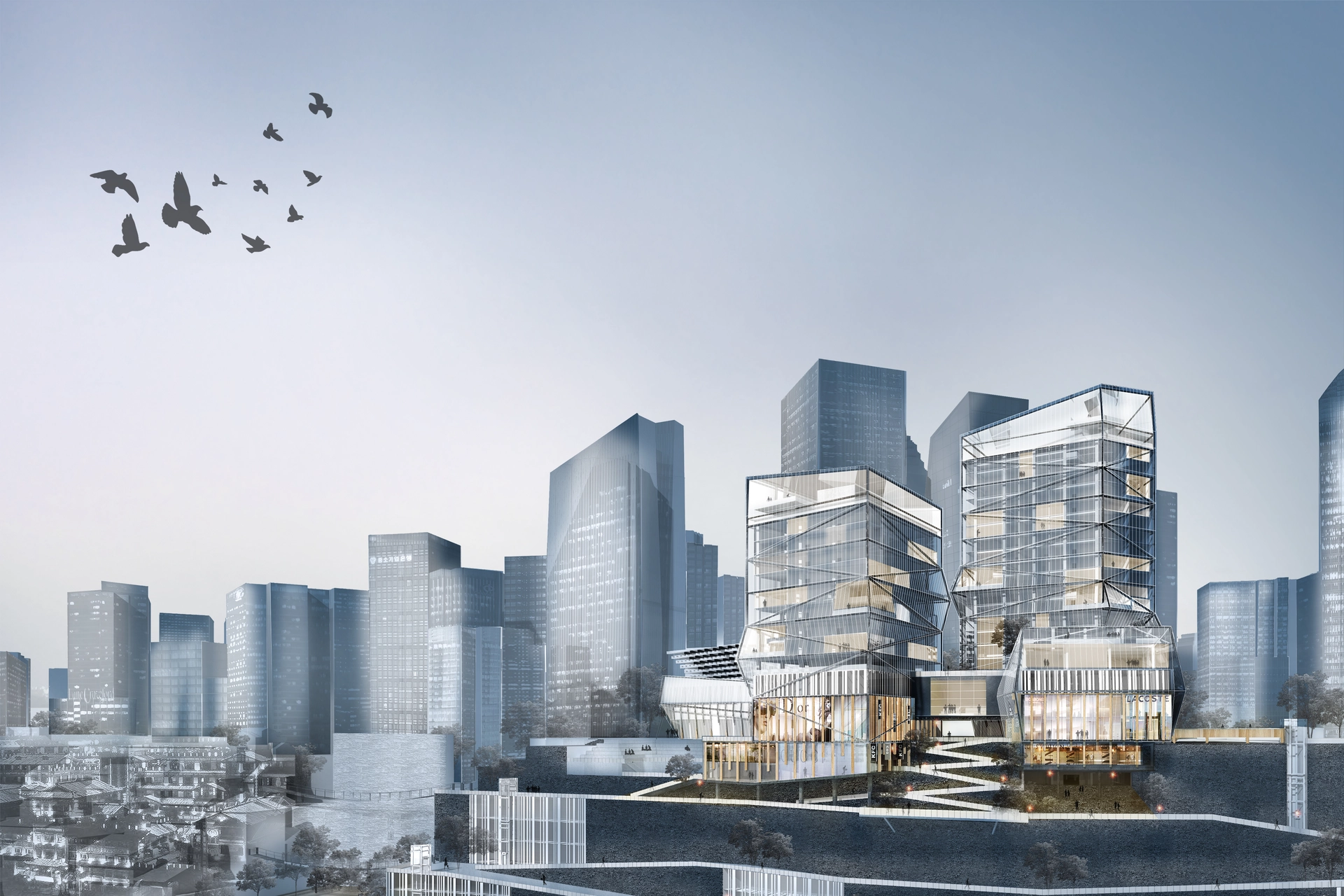
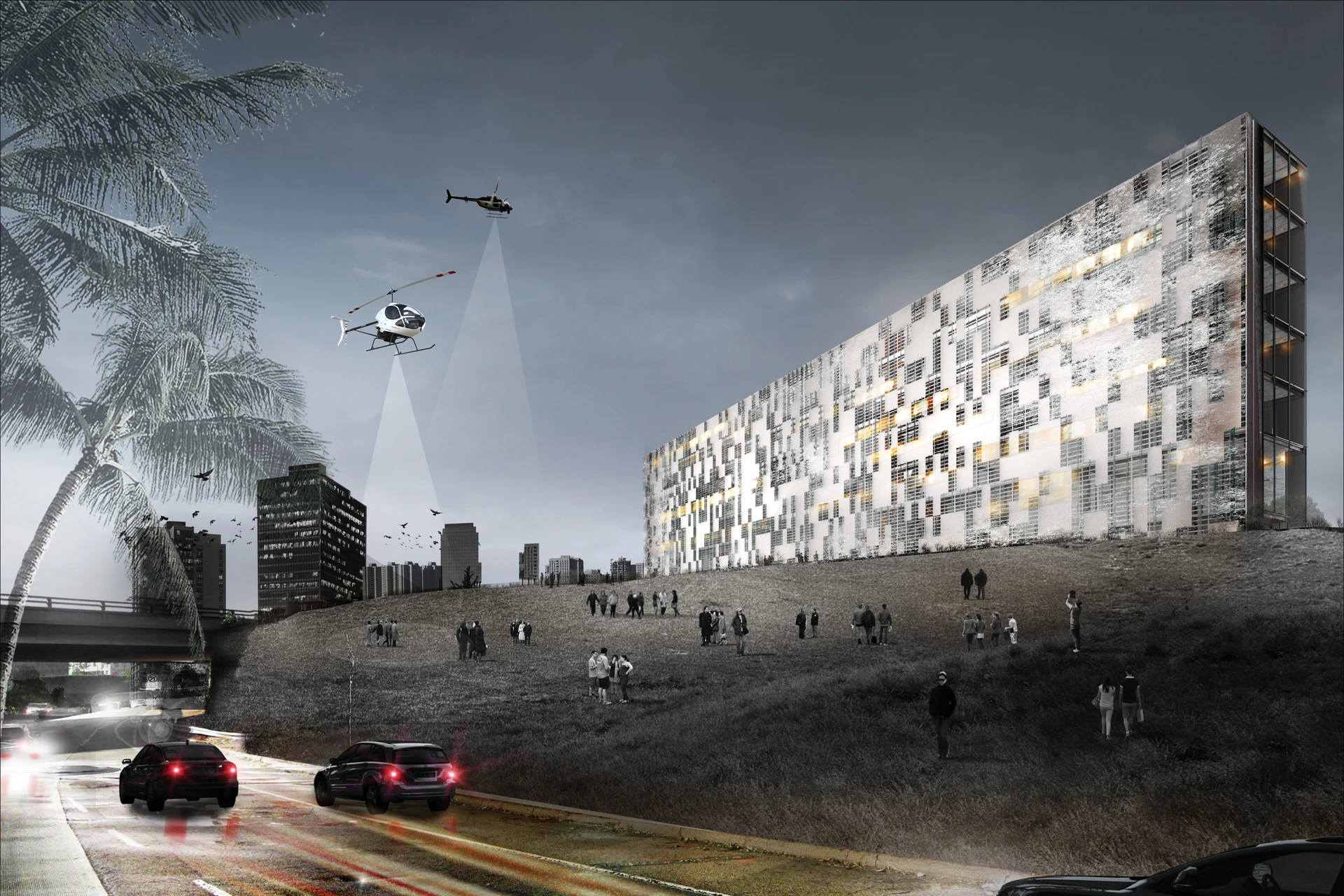
Read more on the interview about Ali Afsarpour's 25 years of Creative Experience in Designing Universal Tools that Solve Life's Challenges here.
ADVERTISEMENT
Latest Posts

Maxim Hair Restoration Is Shaping a New Era of Personalized Hair Re...
SEPTEMBER 30, 2026
MoMo.Co.,Ltd. Creates a Refined Dining Environment for Sushi Tei Jawa
SEPTEMBER 28, 2026
2026 Global Photography Awards Reveals Photographers of the Year an...
SEPTEMBER 25, 2026
How Many Awards Should You Enter? (Strategy Guide)
SEPTEMBER 23, 2026
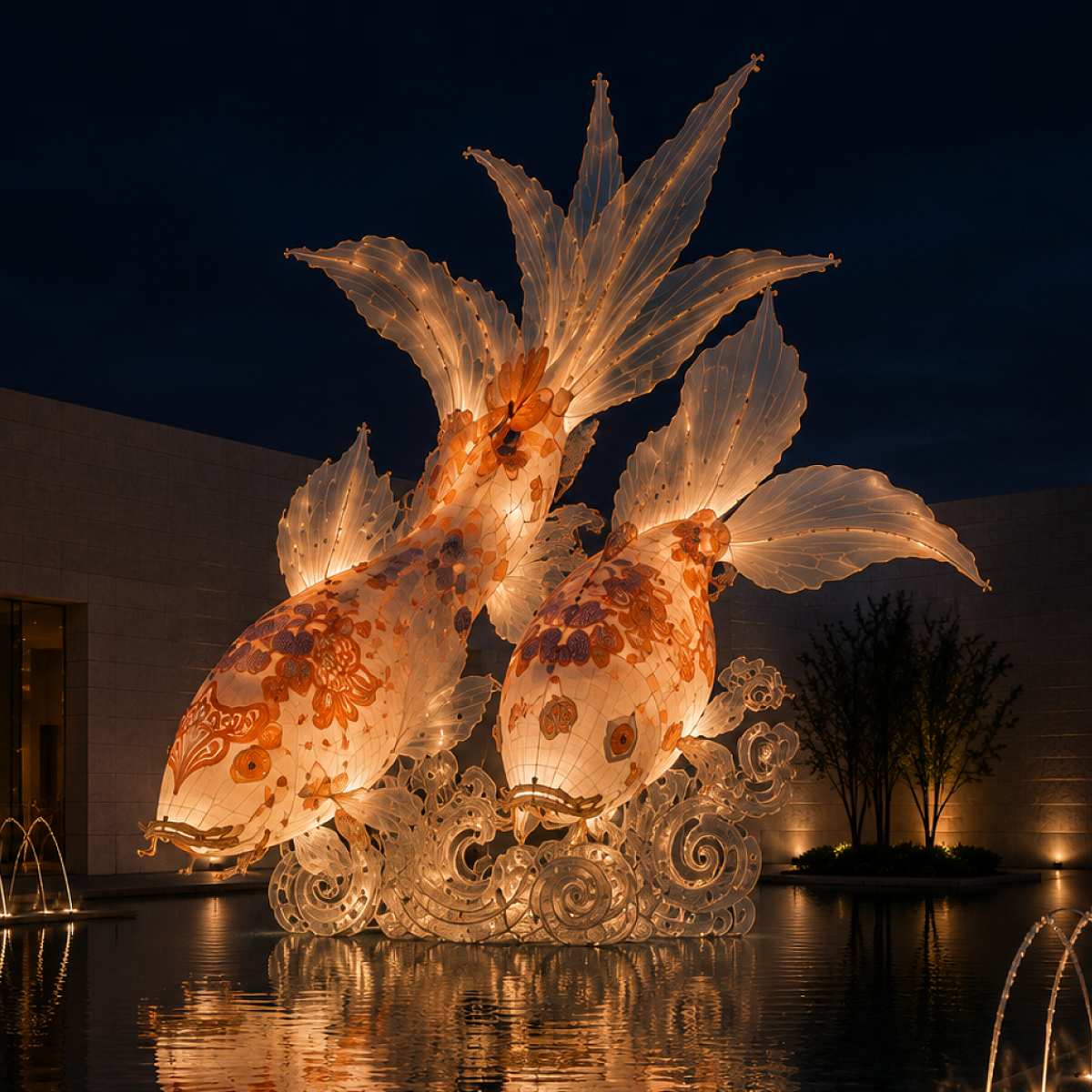
Interactive Light Installation: Before Fish Become Birds Creates a ...
SEPTEMBER 22, 2026
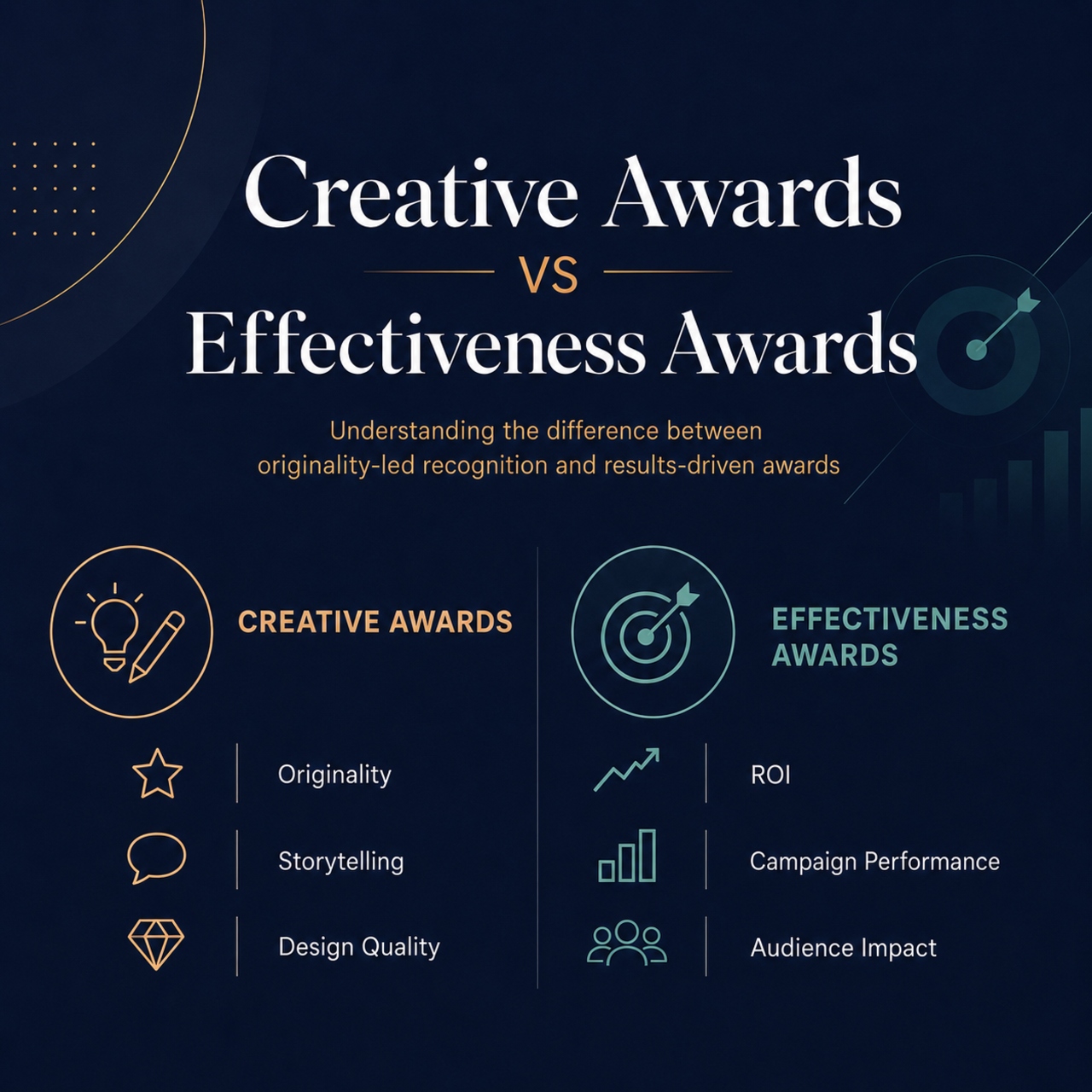
Creative vs Effectiveness Awards | Key Differences Explained
SEPTEMBER 21, 2026

Tonic DNA Brings Highmark’s (un)Hungry Community Story to Life Thro...
SEPTEMBER 17, 2026
Marketing Awards for Startups | Small Business Awards Guide
SEPTEMBER 16, 2026

National Geographic, SDRATS & CICC Capture Life at the Yellow River...
SEPTEMBER 16, 2026
2027 French Design Awards Opens Global Entries for Design Excellence
SEPTEMBER 15, 2026



IAA GLOBAL AWARDS
MUSE Awards
Vega Awards
NYX Awards
TITAN Awards
- TITAN Business Awards
- TITAN American Business Awards
- TITAN Property Awards
- TITAN Women in Business and Leadership Awards
- TITAN Health Awards
- TITAN Innovation Awards
- TITAN Brand Awards