Sors | London Design Awards
Sors was inspired by the financial struggles of Chinese international students adjusting to life abroad....

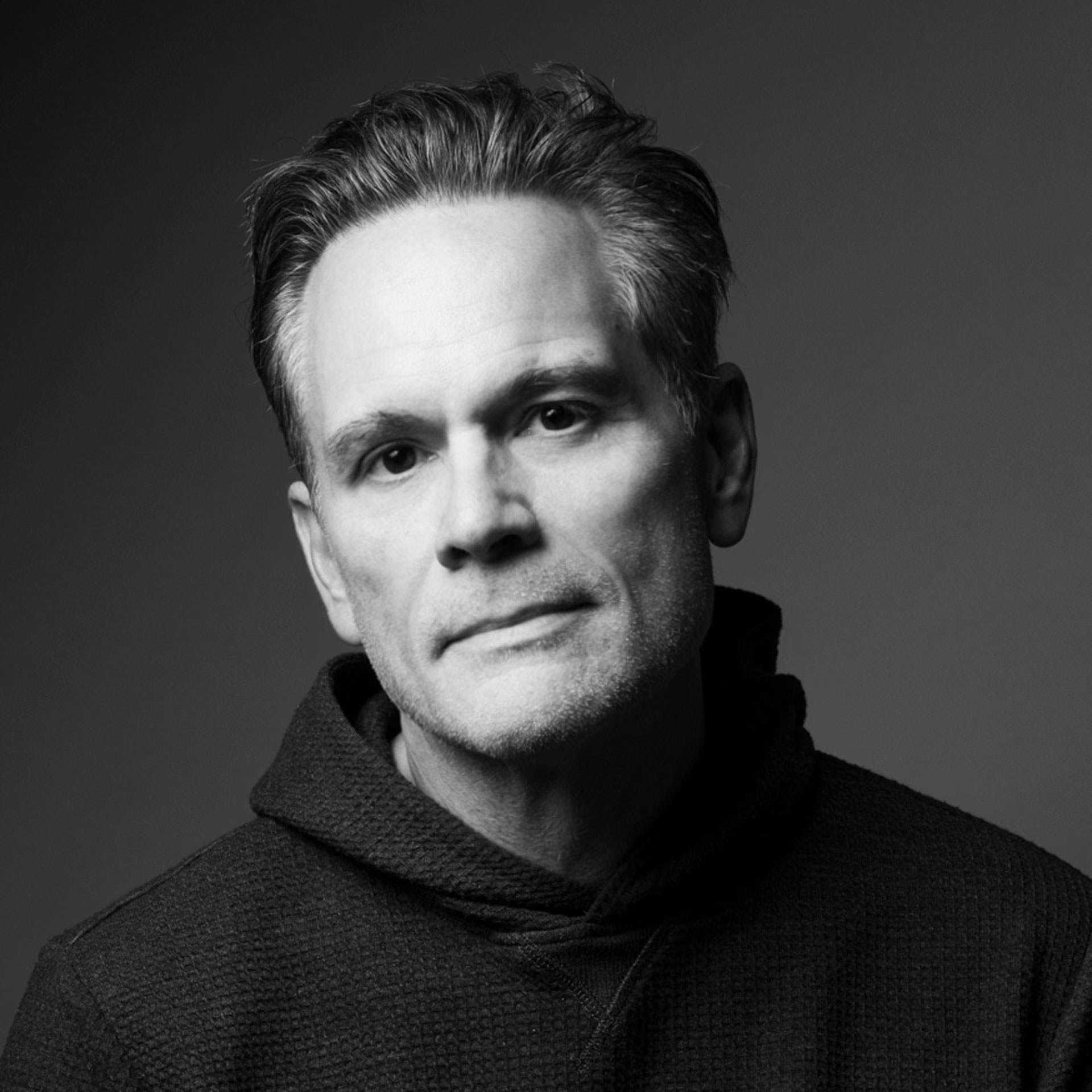
Hi! I'm Daren Cheng, a designer from China with an extensive background studying in the United States. My work focuses on creating user-centred experiences that combine functionality with cultural sensitivity. With a strong UX/UI design background, I specialise in developing solutions that address real-world challenges, particularly for underserved or niche user groups. I am passionate about cross-cultural exchange and enjoy blending Chinese and Western cultures in my designs.
Growing up, I was deeply influenced by my family and early exposure to Buddhist culture, which has been a constant source of inspiration. Through learning about design, I discovered that being a great designer requires being a good person—someone willing to help others and contribute to the world. This philosophy aligns closely with the practices of Buddhism, such as compassion and selflessness. This realisation inspired me to pursue design to make a meaningful impact and positively change the world.
I run DC Design Studio, which creates user-centered and innovative design solutions. As the founder and lead designer, I oversee all aspects of the design process, from research and ideation to prototyping and final execution. My work spans UX/UI design, interaction design, and branding, strongly emphasising cross-cultural understanding. At DC Design Studio, I aim to craft meaningful experiences that address real-world challenges while blending creativity and functionality to resonate with diverse audiences.
To me, design is a practice rooted in compassion, much like the teachings of Buddhism. It’s about understanding the needs of others, removing obstacles, and creating harmony in how people interact with the world.
Just as Buddhism emphasises mindfulness and selflessness, design requires us to be attentive to human experiences and to approach challenges with empathy. It’s not just about making things functional or beautiful—it’s about creating solutions that bring balance, improve lives, and contribute to the greater good. For me, design is a way of practising kindness and leaving the world better than we found.
My favourite kind of design is minimalism because it embodies the philosophy of "less is more." I am drawn to how minimal design focuses on clarity and purpose, stripping away the unnecessary to reveal the essence of a solution and achieving simplicity through understanding complexity.
Minimalism challenges us to think deeply, prioritise what truly matters, and create functional and meaningful designs. For me, it reflects balance, mindfulness, and the beauty of simplicity in life and design.
A "good" design embodies simplicity, mindfulness, and compassion. It eliminates unnecessary complexity, focuses on clarity and purpose, and reflects the Buddhist principle of greatness in simplicity.
Good design is rooted in empathy, understanding users' needs, and creating solutions that ease their challenges. Much like the teachings of Buddhism, it seeks to bring balance and harmony to the world, offering functionality that empowers and enhances lives while fostering a deeper connection between people and their environment.
I was inspired to create Sors by observing the unique financial challenges Chinese international students studying abroad face. Many struggle with budgeting and saving in unfamiliar environments, often lacking tools tailored to their cultural and behavioural needs. Inspired by the Buddhist principles of mindfulness and balance, I wanted to create a solution that simplifies financial management while fostering sustainable habits.
By combining user-centred research with insights into spending behaviour, Sors was designed as both a practical tool and a supportive companion to help students achieve financial stability and independence.
The primary source of inspiration for Sors was the financial struggles of Chinese international students adjusting to life abroad. Observing their challenges in managing expenses and maintaining financial balance inspired me to create a culturally tailored solution. Additionally, Buddhist philosophy's principles of mindfulness and simplicity played a key role.
These ideas guided the design to be intuitive, supportive and focused on empowering users to develop sustainable financial habits while confidently navigating new environments.
Yes, my country and its cultural heritage deeply influence my design process. Growing up in China, I was inspired by philosophies like Buddhism and Taoism, which emphasise balance, simplicity, and mindfulness—principles I incorporate into my designs. These values shape my problem-solving approach by focusing on clarity, empathy, and harmony.
I drew from the cultural nuances of Chinese spending habits and financial behaviours for Sors to create a design that feels intuitive and relatable. My cultural heritage drives me to create functional solutions that resonate on a deeper human level.
Thank you! Receiving the London Design Award is an incredible honour for me and DC Design Studio. This recognition validates our dedication to creating meaningful, user-centered designs that address real-world challenges. It inspires us to continue blending cultural sensitivity with innovative solutions, ensuring our work positively impacts diverse audiences.
It reminds me of why I became a designer—to create with empathy and purpose. This award fuels our passion and motivates us to push boundaries, delivering designs that connect, empower, and make a difference.
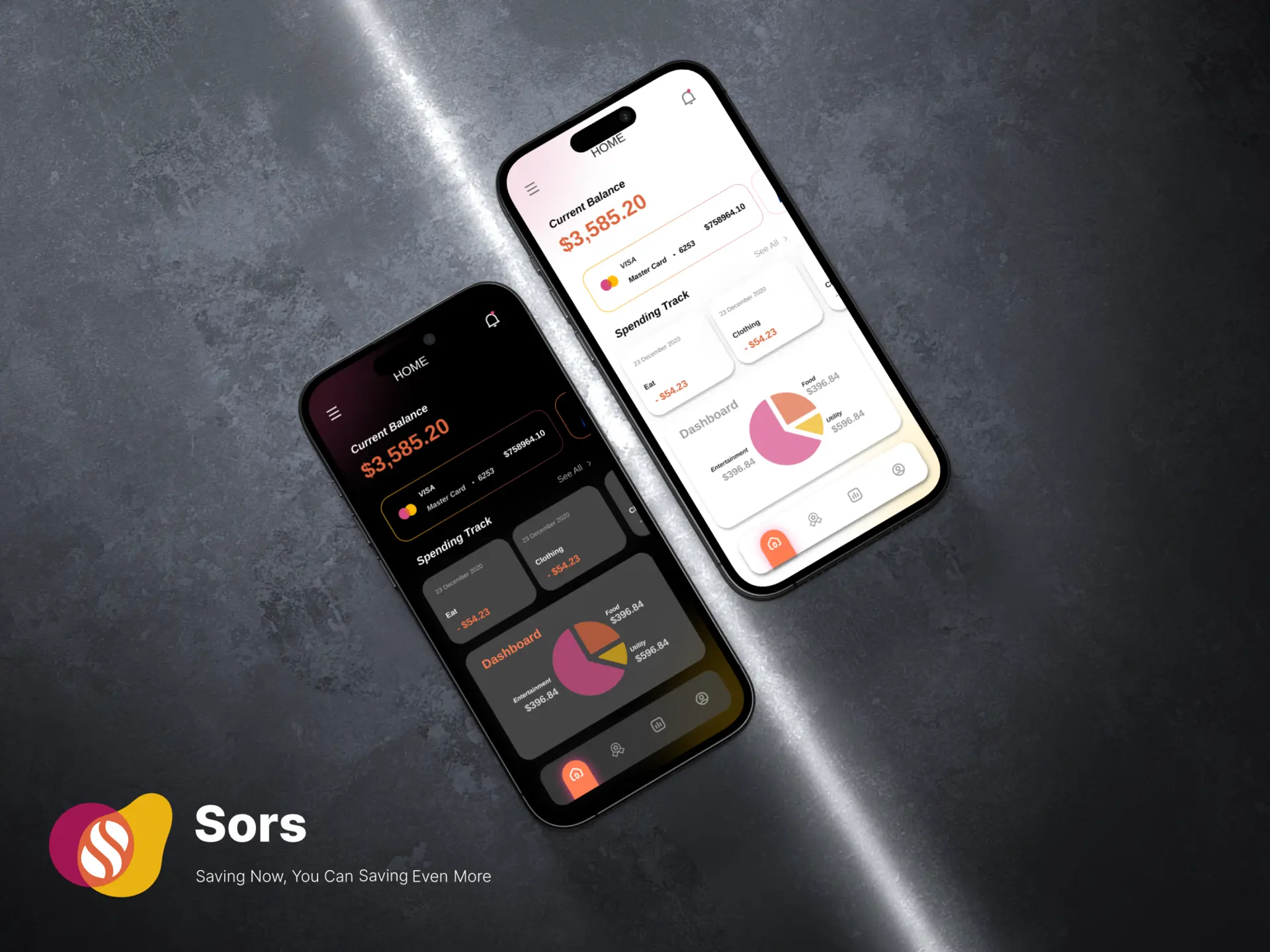
The winning work, Sors, is an AI-driven financial app designed for Chinese international students studying abroad. It offers culturally tailored solutions to budgeting, spending tracking, and financial goal-setting challenges. Sors incorporates features like personalised financial insights, gamified savings rewards, and a supportive community platform, empowering students to build sustainable financial habits and achieve independence.
I entered this project because it embodies the core values of thoughtful and impactful design. Sors is more than a tool—it’s a companion that simplifies financial management while addressing cultural nuances. By focusing on user-centred design and combining functionality with empathy, Sors demonstrates how design can improve lives. Entering this project into the London Design Awards was a way to showcase the importance of creating solutions that bridge cultural gaps and foster meaningful change.
The main challenge during the design of Sors was addressing Chinese international students' cultural nuances and behavioural patterns while ensuring the app remained engaging and functional.
Understanding these users' unique financial habits required extensive research into spending behaviours, cultural expectations, and psychological motivators. Externally, navigating diverse legal frameworks for international financial systems and limited access to specific tools posed additional obstacles.
We refined the app's features using user-centred methodologies, including interviews, surveys, and iterative prototyping, to overcome these challenges. The design process also integrated AI-driven personalisation to provide tailored insights, making the app more relatable and compelling for its target audience.
By focusing on empathy and cultural relevance, we created a solution that bridges these challenges, delivering an intuitive and impactful design.
Winning this award is a significant milestone in my career as a designer. It validates my hard work and dedication to creating meaningful, culturally sensitive designs like Sors. It inspires me to continue pushing the boundaries of what's possible in design. This recognition will open doors to new opportunities, collaborations, and platforms where I can share my work with a broader audience.
It reinforces my commitment to using design as a tool for positive change, encouraging me to delve deeper into projects that bridge cultural gaps and address real-world challenges. Ultimately, this award motivates me to keep growing professionally and creatively, striving to make a lasting impact through thoughtful and empathetic design.
Design as a Tool for Meaning - The design industry fascinates me because it allows us to give form to abstract concepts and create meaning in the everyday. It is a process of uncovering the essence of a problem and crafting solutions that resonate on a deeper, human level.
The Interplay of Chaos and Order - Design exists at the intersection of creativity and structure, where chaos meets order. This balance between exploration and purpose mirrors more significant philosophical questions about harmony, intention, and humanity's role in shaping the world.
The Pursuit of Timeless Simplicity - Design is, at its core, the pursuit of simplicity—not as a reduction but as a distillation of what truly matters. This aligns with the philosophy of stripping away excess to find clarity, balance, and the universal truths that connect us all.
What sets Sors apart is its unique perspective in addressing the financial challenges of Chinese international students. Rather than claiming it to be better, Sors approaches the problem with a specific focus on cultural and behavioural nuances, tailoring its design to meet the needs of this particular audience. Its emphasis on gamified savings, AI-driven insights, and community support reflects a thoughtful response to the challenges of managing finances in a new environment.
Every design solves problems from a different angle, and Sors is simply one approach to empowering students to build sustainable financial habits. Focusing on empathy and cultural sensitivity provides a solution that resonates with its users while leaving room for other designs to address the issue in their own unique ways.
In the next 5-10 years, I believe design will increasingly focus on addressing inner and emotional needs and providing comfort to the human spirit. As AI and automation take over many technical and functional challenges, designers will focus on more profound, introspective questions.
The role of design will evolve to explore how it can bring users emotional support, a sense of connection, and spiritual solace. This shift will require designers to engage with psychology, empathy, and human values, ensuring that design serves as a tool and a meaningful part of people’s inner lives.
Focus on solving real problems and connecting with users on a deeper level. Understand their needs and emotions, and create simple, intuitive, and impactful designs. Stay curious, explore new perspectives, and push beyond conventional solutions. Most importantly, design with empathy and authenticity—when your work is driven by genuine purpose, it naturally stands out.
I recommend starting with foundational books like The Design of Everyday Things by Don Norman for understanding user-centred design and Thinking with Type by Ellen Lupton for mastering visual design. Online platforms like Coursera, Domestika, and Interaction Design Foundation offer courses to sharpen both technical and theoretical skills.
Tools like Figma, Adobe Creative Suite, and Blender are essential for hands-on practice. Finally, stay inspired by exploring design communities on Behance and Dribbble, and learn from real-world case studies to see how design solves complex problems.
Design, for me, has always been a profoundly personal journey. I’ve never shared how much my design approach is influenced by moments of stillness and introspection. Whenever I face a creative block, I find clarity by stepping away and drawing inspiration from seemingly unrelated sources, like nature or philosophy. These quiet moments often bring the most meaningful breakthroughs in my work.
Buddha has been a profound source of inspiration in my life. His teachings on mindfulness, compassion, and the pursuit of balance resonate deeply with me personally and professionally. They remind me to approach challenges with empathy, seek simplicity in complexity, and create designs that serve functional purposes and bring harmony and positivity to people’s lives.
My key to success lies in empathy, mindfulness, and staying true to my purpose as a designer. Understanding people’s needs and creating with genuine intent allows me to craft meaningful solutions. My parting advice is to focus on the impact of your work—design with compassion, embrace simplicity, and always strive to make a positive difference in the lives of others.
I want to emphasise that design is not just about creating functional solutions—it’s about connecting with people on a deeper level and positively impacting their lives. For me, design is a way to bridge gaps, whether cultural, emotional, or practical. Approaching design with empathy and purpose can lead to outcomes that solve problems and inspire and uplift. Thank you for this opportunity to share my journey and thoughts!
Read about the interview of Turning Philosophy to UX: Qianzhuo Zeng’s Journey in Thoughtful Designs here.