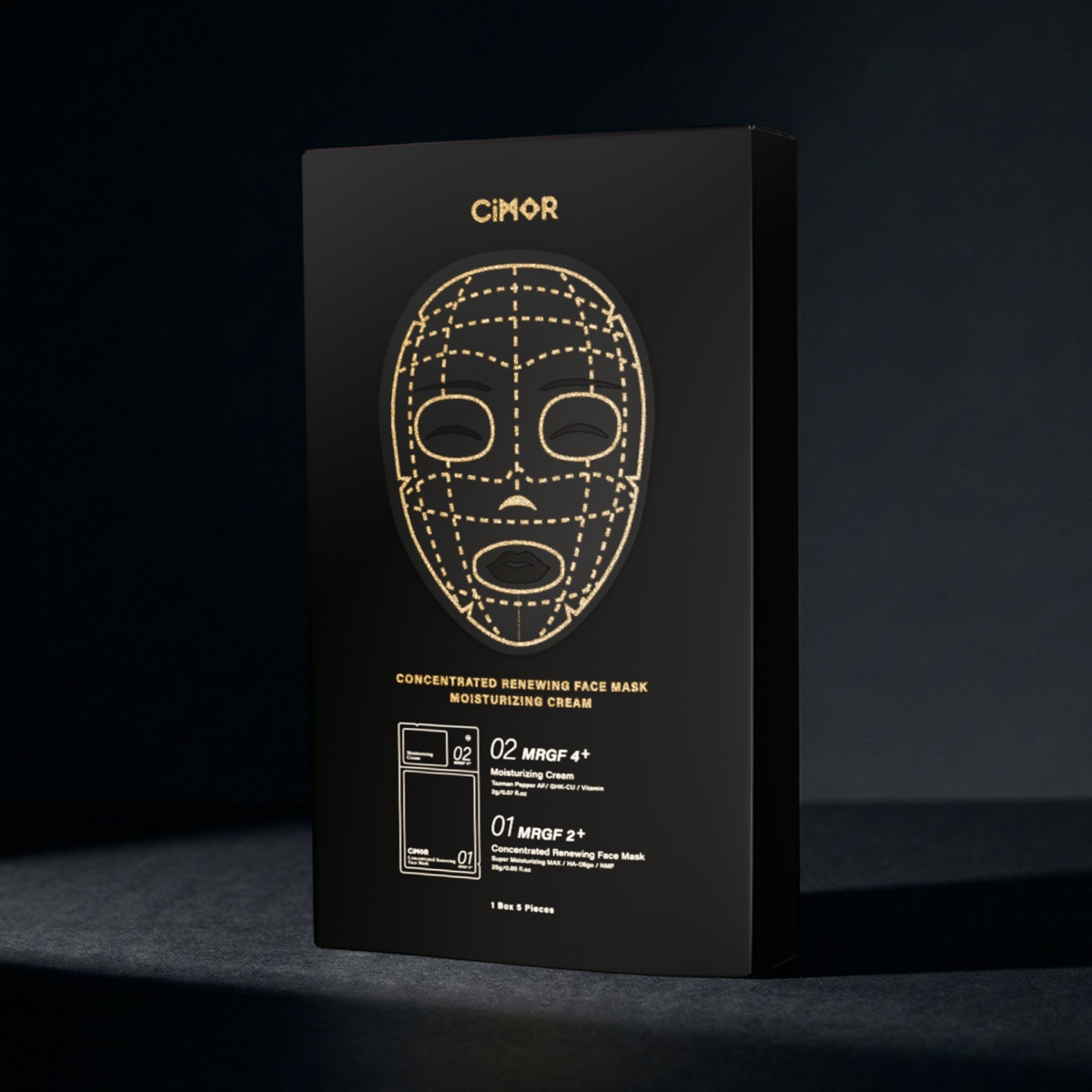
CIMOR CONCENTRATED RENEWING FACE MASK
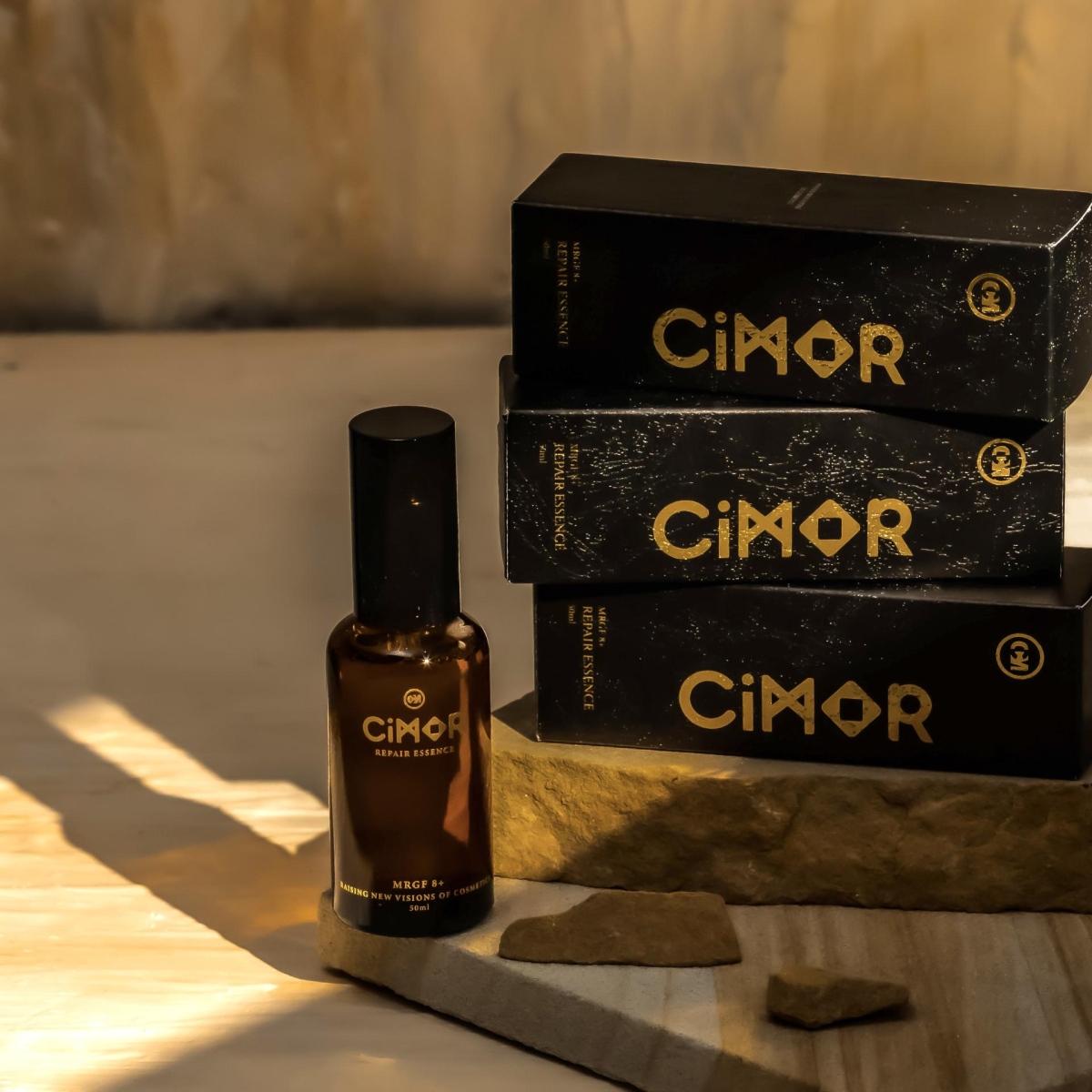
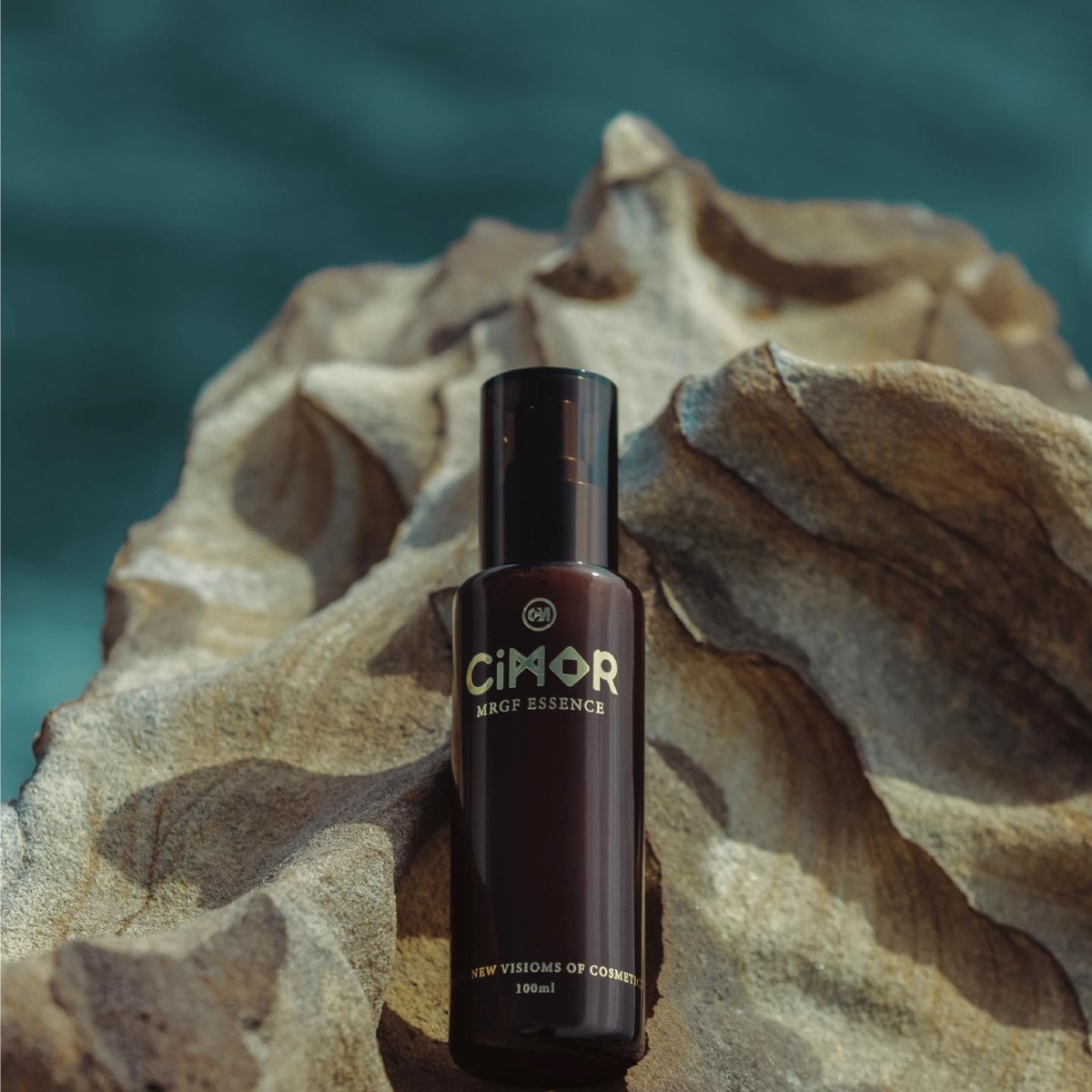
The CIMOR CONCENTRATED RENEWING FACE MASK is an innovative dual-phase intensive facial treatment meticulously crafted...
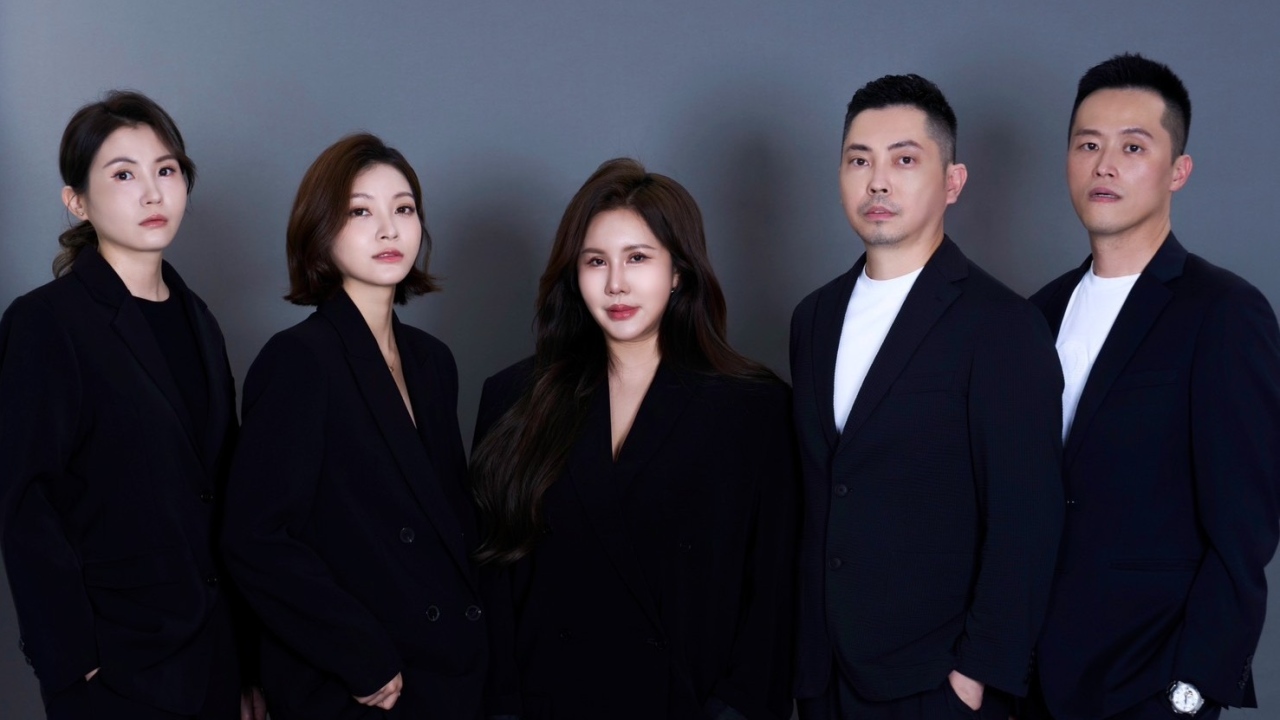
CIMOR is a biomedical-grade skincare brand that approaches skincare as a unified system rather than isolated components. The brand integrates biomedical principles into everyday use, translating laboratory-level thinking into practical, user-centered applications.
We are CIMOR, a biomedical-grade skincare brand from Taiwan. We noticed that most skincare products are developed in a fragmented way—ingredients, structure, and usage are often treated separately rather than as a cohesive system.
This led us to rethink skincare from a holistic perspective—how technology can be translated and applied so that biomedical principles, originally confined to the lab, can function naturally in everyday life. For us, design is not just about aesthetics; it is about integrating skincare performance and visual expression into one seamless experience.
Being recognized by the Tokyo Design Awards is especially meaningful to us, as it is also our first design award in Asia. It represents more than just an evaluation of visual design—it reflects an acknowledgment of our overall design philosophy. From ingredient formulation and product structure to the user experience, we focus on creating a fully connected system. Having this integrated approach understood and recognized is extremely important to us.
This achievement has helped position us internationally—not only as a brand, but as a reflection of Taiwan’s strength in biomedical skincare innovation. For our team, the biggest impact has been a broader perspective, along with opportunities to collaborate across disciplines such as design, medicine, and technology.
At the same time, it has reinforced our responsibility to set a higher standard—where skincare is not just a product, but a long-term and effective approach to skin management.
At CIMOR, experimentation is closely aligned with biomedical research. However, our goal is not to make technology more complex, but to make it easier to use. We focus not only on the technology itself, but on the entire system—how it interacts with the skin, how it remains stable, and how it performs during use.
For us, effective skincare is about making scientific principles work seamlessly, even when users are not consciously aware of them. Our role in design is to translate complex biomedical logic into a format that is intuitive, efficient, and practical in everyday use.
Our inspiration comes from a simple observation, as most people do not have the time to follow a complete skincare routine. In real life, whether due to work, daily responsibilities, or family, skincare routines are often interrupted or incomplete. This led us to rethink whether skincare must follow a fixed sequence.
We shifted our focus to performance, ensuring each product delivers independent effectiveness and allows users to adapt based on their needs, skin condition, and lifestyle. For example, our one-handed design was developed from this insight—not just to simplify use, but to allow skincare to function effectively without relying on rigid routines.
We hope more people understand that design is not the final layer—it is the foundation. Decisions about how ingredients are used and how users interact with a product should be integrated from the very beginning. When design is done well, the product naturally guides the user without requiring additional effort or instruction.
We do not see client expectations and our design philosophy as opposing forces. When the design logic is clear, the user experience naturally aligns with our original intent. Rather than trying to balance the two, we focus on ensuring the overall system is coherent and well-structured.
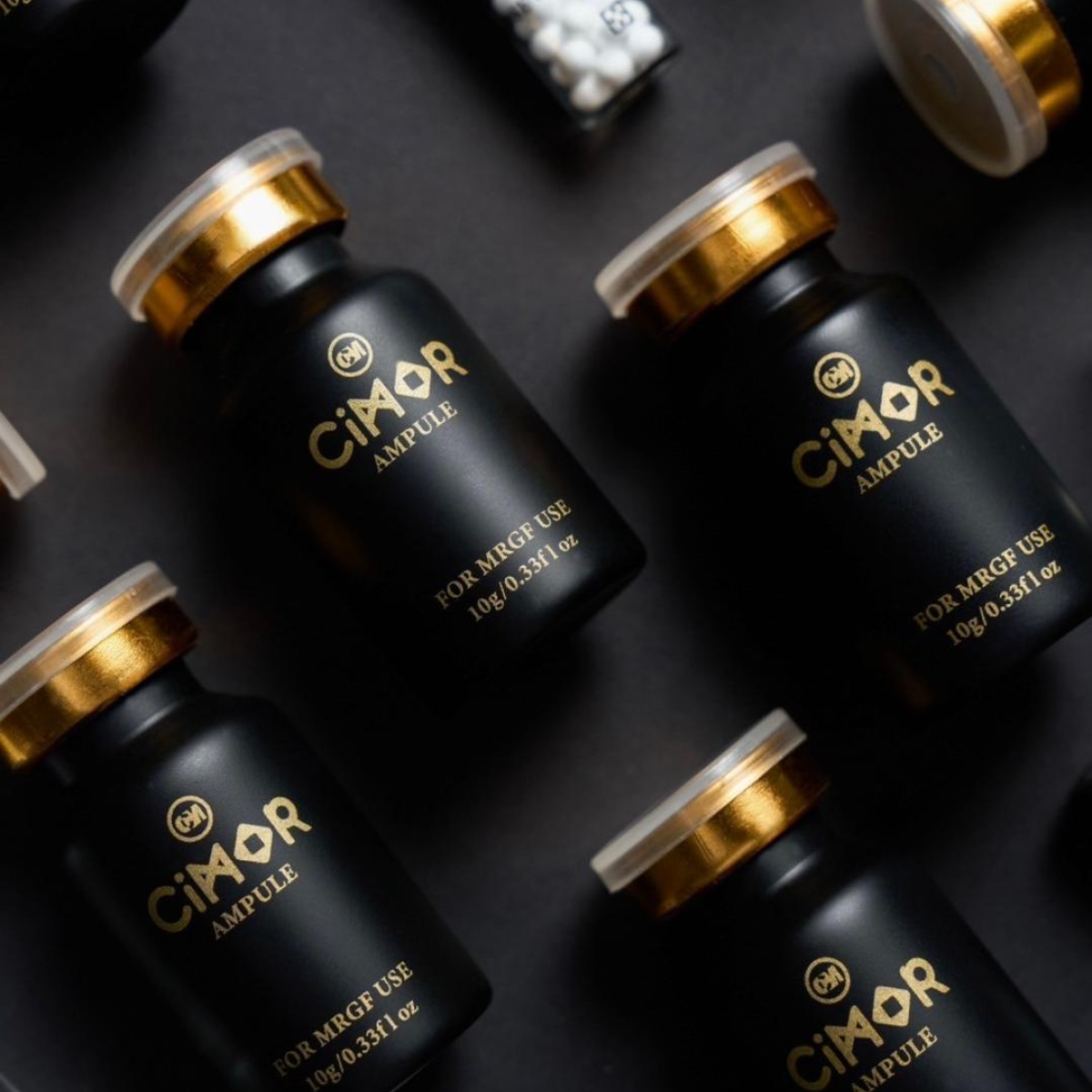
One of the biggest challenges was managing the relationship between the formula and the packaging. Because our products contain highly active ingredients, we had to carefully consider stability, storage conditions, and long-term performance. This meant that design was not just about appearance—it had to respond to the nature of the product itself, ensuring its effectiveness throughout its lifecycle.
To achieve this, we conducted extensive testing across formulation, packaging compatibility, and user interaction, with development cycles often taking one to three years. For us, this process goes beyond technical problem-solving—it is about integrating design into the core of the product.
When we face a creative block, we do not immediately look for new ideas. Instead, we return to the problem itself and reassess the relationship between the product and its use. Often, the issue is not a lack of creativity, but that the problem has not been properly defined. Once the problem becomes clear, the solution usually follows naturally.
Personal experience plays a significant role in our design approach. Through long-term exposure to high-end products, we have developed a clear sense of what truly works and what is simply repetitive. This has shaped our internal standard—focusing on what is genuinely effective and sustainable in daily use. In our decision-making, we consistently remove unnecessary elements and retain only what proves valuable over time. For us, design is not about adding more, but about making the right choices.
Our advice to young designers is not to be afraid of having their ideas challenged. Early in your career, your work will often be revised or even rejected. While this can be frustrating, it is essential for growth. Design is not a one-step process—it evolves through continuous refinement.
Over time, this process helps you better understand your own perspective and what you want to communicate. Once your work enters the market, it must be understood and accepted by others, not just yourself. Those revisions are what ultimately turn ideas into strong, viable design.
If we had the opportunity, we would choose to collaborate with Karl Lagerfeld. His work consistently demonstrates a strong personal identity while maintaining a precise understanding of luxury. That balance between individuality and refinement has been a major influence on me. His designs go beyond style—they represent a way of thinking about life and everyday living. This perspective has also shaped how we approach design, focusing not only on function but on creating products that reflect a chosen lifestyle.
For us, even products rooted in the biomedical field should not be defined purely by function. We believe they should also exist naturally within everyday life, blending into spaces while maintaining a strong visual presence. When people see them, they should not only think about what they do, but feel curious enough to take a second look—perhaps even asking, “What is this? Why does it look so good?”
Ultimately, design goes beyond functionality; it is about creating products that people want to keep as part of their daily lives.
Click here to read about Designing Space Through Subtle Experimentation: An Interview with Yi-Ching Huang, a winner of the inaugural Tokyo Design Awards.