
Design & Inspiration
From Telecom to Tech Leadership: Hemant Soni’s Journey in Digital Reinvention

Hemant Soni
Hemant Soni is an accomplished technology and product leader with over two decades of experience driving AI-led digital transformation across the Telecom, Media, and Technology sectors. His work in architecting intelligent platforms and optimizing customer experiences has redefined how enterprises adopt automation and innovation at scale.
I am a technology and product leader with extensive experience in driving digital transformation and platform innovation across the Telecom, Media, and Technology sectors. With over 22 years in global organizations such as Capgemini, Evalueserve, and Vodafone, I’ve developed a deep understanding of how to merge technical expertise with strategic vision to deliver meaningful, transformative solutions.
My focus lies in architecting AI-powered platforms that redefine digital customer experiences, streamline operations, and accelerate product development. By integrating intelligent automation into enterprise systems, I’ve helped organizations achieve measurable results while elevating customer engagement and operational efficiency.
Throughout my career, I’ve led complex telecom initiatives by combining business analysis, application architecture, and data-driven strategy. I’m passionate about product innovation, infrastructure modernization, and developing customer experience platforms that shape the next generation of connected technologies.
My work is guided by globally recognized frameworks such as SAFe Agile, ITIL, and eTOM, enabling me to manage large-scale, high-impact projects with precision. Beyond my technical and strategic roles, I’m dedicated to mentoring professionals in product management and artificial intelligence—helping to cultivate the next wave of innovators and leaders in the industry.
I lead AI-driven digital transformation initiatives across the Telecommunications, Media, and Technology (TMT) sectors, specializing in:
AI Platform Architecture: Designing scalable, secure, and intelligent platforms that integrate generative AI, federated learning, and real-time analytics.
IoE-Based Customer Experience Optimization: Leveraging the Internet of Everything (IoE) to personalize and automate customer journeys, enhance service delivery, and drive operational efficiency.
My focus is on building future-ready ecosystems that blend data, automation, and human-centric design to unlock new value streams for enterprises.
Capgemini is a global leader in consulting, technology services, and digital transformation, with a strong presence across more than 50 countries and a workforce exceeding 340,000 professionals. The company specializes in helping organizations harness the power of technology to drive innovation and efficiency, particularly in areas like artificial intelligence, cloud computing, cybersecurity, and enterprise management.
With a deep commitment to sustainability and human-centric innovation, Capgemini partners with clients across industries-including telecommunications, media, and technology (TMT), to build intelligent platforms and optimize customer experiences through the Internet of Everything (IoE).
Guided by its purpose of unleashing human energy through technology for an inclusive and sustainable future, Capgemini continues to be recognized globally for its thought leadership, ethical practices, and cutting-edge solutions.
Capgemini specializes in the Telecommunications, Media, and Technology (TMT) industry, which is characterized by rapid innovation, high data volumes, and the convergence of digital services. Within this space, Capgemini focuses on enabling AI-driven digital transformation, helping clients modernize their operations, enhance customer experiences, and build intelligent platforms.
The TMT sector demands agility, scalability, and deep integration of emerging technologies like AI, IoT, 5G, and cloud computing, all of which Capgemini leverages to deliver tailored solutions. The organization is known for its ability to combine deep industry expertise with cutting-edge technology to solve complex business challenges, optimize service delivery, and unlock new revenue streams for its clients.
Thank you! Winning the TITAN Business Awards is a tremendous honor for both me and my team. It validates the hard work, innovation, and strategic thinking we've invested in transforming the Telecommunications, Media, and Technology (TMT) landscape through AI-driven platforms and customer-centric solutions.
This recognition not only celebrates our achievements but also inspires us to continue pushing boundaries—whether it's through pioneering architectures, optimizing IoE-based experiences, or contributing to global thought leadership. It’s a proud moment that reflects our shared commitment to excellence, collaboration, and impact at scale.
Winning an international award like the TITAN Business Awards has significantly elevated our organization's visibility and credibility on a global scale. It serves as a powerful endorsement of our strategic direction, innovation, and impact in the Telecommunications, Media, and Technology (TMT) sector.
The recognition has opened doors to new partnerships, attracted top-tier talent, and strengthened client confidence in our AI-driven solutions and platform architectures. It also reinforces our commitment to excellence and inspires our teams to continue delivering transformative outcomes that shape the future of digital experiences.
Developing and marketing our winning entry for the TITAN Business Awards came with a unique set of challenges that tested both our technical capabilities and strategic agility.
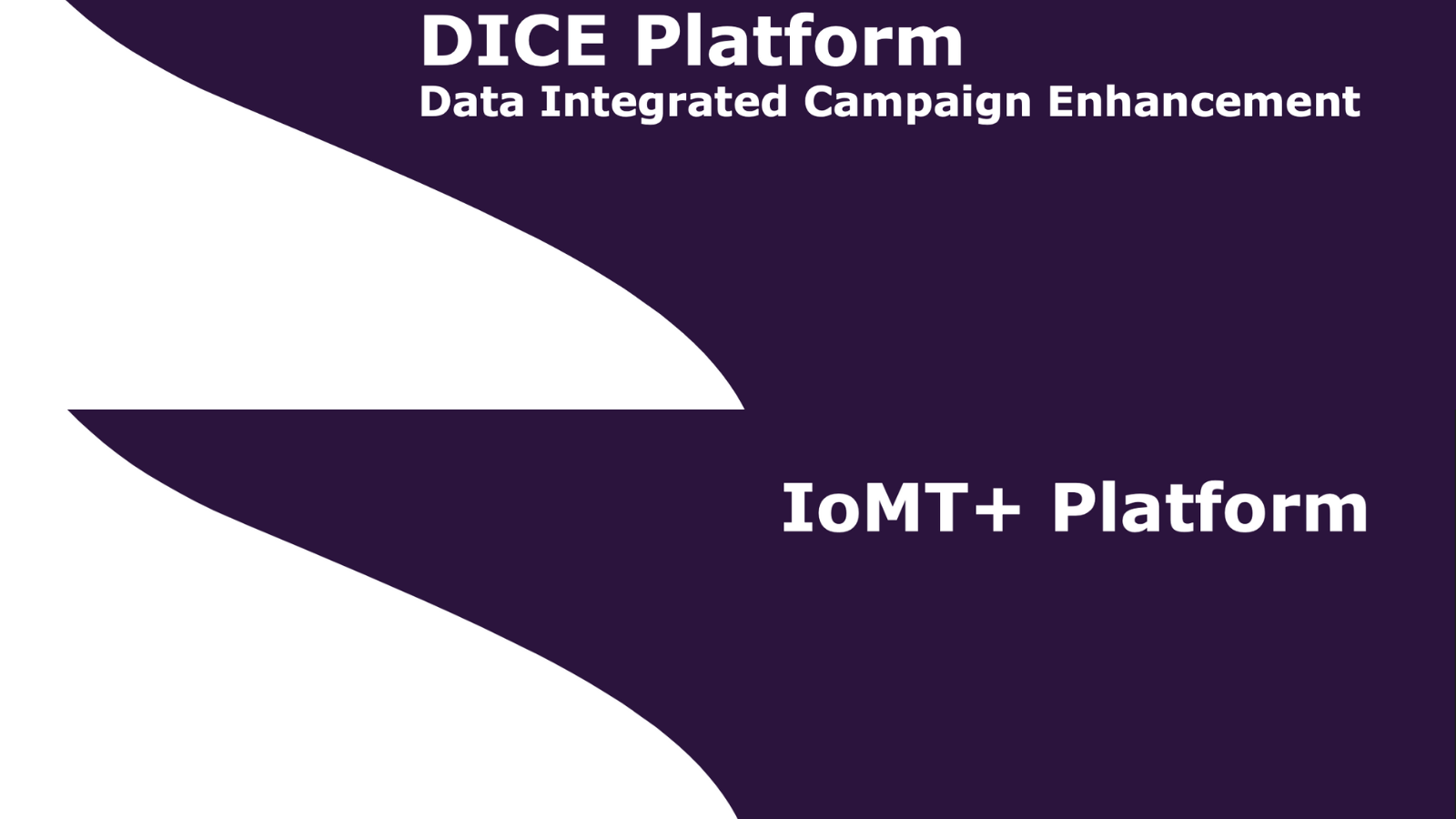
On the development side, one of the biggest hurdles was ensuring that our AI-driven platform-particularly the DICE Framework-could seamlessly integrate with existing telecom infrastructures while maintaining scalability, security, and real-time responsiveness. We had to navigate complex data environments, ensure compliance with privacy regulations, and build models that could adapt to diverse customer behaviors across geographies. Balancing innovation with operational reliability was a constant challenge.
From a marketing perspective, the complexity of the solution required us to simplify the narrative without diluting its value. Communicating the transformative impact of AI and IoE-based customer experience optimization to a broad audience—including non-technical stakeholders—meant we had to invest in strategic storytelling, visual frameworks, and real-world use cases. Gaining visibility in a crowded innovation landscape also required leveraging thought leadership, industry events, and digital channels to build credibility and engagement.
Ultimately, these challenges helped us refine our approach, strengthen our value proposition, and build a solution that not only won awards but also delivered measurable impact for our clients.
The ideation process for the DICE Framework (Data Integrated Campaign Enablement) was rooted in solving a persistent challenge in the TMT industry: how to unify fragmented customer data across channels and systems to drive intelligent, real-time engagement. As a business owner and transformation leader, I observed that traditional campaign models lacked agility, personalization, and measurable impact—especially in telecom environments where customer behavior is dynamic and data-rich.
The process began with mapping out the pain points in telecom marketing and operations, such as siloed data, delayed insights, and generic outreach. From there, I envisioned a framework that could integrate structured and unstructured data, apply AI/ML models for predictive engagement, and enable closed-loop feedback for continuous optimization. DICE was designed to be modular, scalable, and interoperable with existing CRM, CDP, and network systems.
We validated the concept through pilot programs, leveraging real-time analytics, federated learning, and customer journey mapping. The framework evolved to include multi-dimensional performance metrics, allowing telecom operators to measure not just campaign ROI, but also customer sentiment, churn risk, and service quality impact.
Ultimately, DICE became more than a marketing tool—it’s a strategic enabler for AI-powered customer experience transformation, aligning data, decisions, and delivery in a unified ecosystem.
A successful team, organization, or business—at its core—is one that consistently delivers impact with integrity, adapts to change, and fosters a culture of collaboration, innovation, and purpose. For me, success isn’t just measured by financial performance or market share, but by how effectively the team aligns around a shared vision, empowers individuals to lead with ownership, and creates value that resonates with customers, partners, and society.
In a high-tech, fast-evolving domain like TMT, success also means being future-ready: embracing emerging technologies like AI and IoE, staying agile in strategy execution, and continuously learning from data and feedback. A successful organization builds trust, scales ideas into solutions, and turns challenges into opportunities—while staying true to its values and mission.
The United States has played a pivotal role in advancing the Telecommunications, Media, and Technology (TMT) industry, particularly in areas like AI, digital infrastructure, and innovation policy. As a business based in the U.S., we’ve benefited from several key enablers:
1. Innovation Ecosystem: The U.S. fosters a vibrant ecosystem of startups, research institutions, and tech giants, which accelerates collaboration and cross-pollination of ideas. Access to cutting-edge research, venture capital, and talent has helped us scale platforms like the DICE Framework and contribute to AI-driven transformation.
2. Policy & Standards Leadership: U.S. regulatory bodies and industry alliances have been instrumental in shaping global standards for 5G, AI ethics, and data privacy. This clarity has enabled us to build compliant, future-ready solutions that can scale internationally.
3. Talent & Education: With top-tier universities and a strong focus on STEM education, the U.S. provides a rich talent pool for AI, data science, and platform engineering. This has been crucial for building high-performance teams and driving innovation.
4. Digital Infrastructure: Robust cloud infrastructure, high-speed connectivity, and widespread adoption of IoT and edge computing have created fertile ground for deploying intelligent platforms and real-time customer experience solutions.
5. Thought Leadership & Recognition: Being based in the U.S. has also provided global visibility through conferences, awards, and media platforms. Recognition like the TITAN Business Awards amplifies our credibility and opens doors to international partnerships.
One of the most significant hindering factors during the pandemic was the disruption of collaborative workflows and client engagements, especially in industries like Telecommunications, Media, and Technology (TMT) where rapid innovation and cross-functional alignment are critical. Remote work, while necessary, initially slowed down ideation cycles, onboarding, and stakeholder buy-in for emerging AI-driven solutions like the DICE framework.
To overcome this, we accelerated our digital collaboration infrastructure, adopted secure cloud-native platforms, and restructured our delivery models to be more agile and modular. We also invested in virtual innovation labs and AI-powered analytics dashboards to maintain visibility, engagement, and performance tracking across distributed teams. These changes not only helped us navigate the pandemic but also laid the foundation for a more resilient, scalable, and globally connected business model.
1. Generative AI in Enterprise Workflows: Businesses are rapidly integrating generative AI into core operations—from customer service to product development. The focus is shifting from experimentation to operationalization, with frameworks like LLMOps and federated learning enabling secure, scalable deployment.
2. AI-Powered Customer Experience (CX): The rise of IoE (Internet of Everything) is transforming how businesses understand and engage with customers. Real-time data from connected devices is being used to personalize services, predict behavior, and automate support—especially in telecom and media.
3. Sustainable Tech & Green AI: Organizations are prioritizing energy-efficient AI models, carbon-aware cloud architectures, and sustainable supply chains. This trend is not just ethical—it’s becoming a competitive differentiator.
4. Digital Twins & Intelligent Edge: In telecom and manufacturing, digital twins and edge computing are enabling real-time simulation, monitoring, and optimization of physical assets. This is key to Industry 5.0 and human-centric automation.
5. AI Governance & Trust: With increasing adoption comes the need for responsible AI—including bias mitigation, explainability, and compliance with global regulations. Businesses are investing in AI ethics boards and secure NLP architectures.
Over the next 5 to 10 years, the business industry is poised for a profound transformation driven by AI, decentralization, sustainability, and human-centric innovation. Here’s how I see the evolution unfolding:
1. AI as a Core Business Enabler: AI will move from being a support function to a strategic core of business operations. Enterprises will adopt LLM-powered decision systems, autonomous workflows, and predictive analytics to drive efficiency, personalization, and innovation across departments.
2. Rise of Platform Ecosystems: Businesses will evolve into platform-based models, enabling seamless integration of services, data, and partners. This shift will foster interoperability, reduce silos, and create new revenue streams through digital marketplaces and APIs.
3. Hyper-Personalized Customer Experience: With the convergence of IoE, edge computing, and real-time data, customer experience will become hyper-personalized and context-aware. Businesses will use behavioral AI and sentiment analytics to anticipate needs and deliver proactive solutions.
4. Sustainability as Strategy: Sustainability will no longer be a CSR initiative—it will be a competitive differentiator. Companies will embed ESG metrics into their core KPIs, adopt green technologies, and innovate around circular economy models.
5. Decentralized & Trust-Based Systems: Blockchain, zero-trust architectures, and decentralized identity will redefine how businesses manage data, security, and compliance. Trust will become a currency, especially in sectors like finance, healthcare, and telecom.
6. Talent & Culture Transformation: The future workforce will be hybrid, AI-augmented, and purpose-driven. Organizations will invest in continuous learning, digital fluency, and inclusive leadership to attract and retain top talent.
One of the most profound sources of inspiration in my life has been Dr. A.P.J. Abdul Kalam, the former President of India and a visionary scientist. His journey—from humble beginnings to becoming a leading aerospace engineer and a beloved national leader—embodies the power of perseverance, purpose, and service.
What truly resonates with me is his unwavering belief in the potential of youth and technology to transform society. His emphasis on dreaming big, staying grounded, and using science for societal good has deeply influenced my approach to innovation and leadership.
Dr. Kalam’s legacy reminds me that true success lies not just in personal achievement but in uplifting others and creating meaningful impact.
My key to success lies in a combination of purpose-driven innovation, relentless curiosity, and empowering collaboration. I believe that success is not just about achieving goals, but about creating meaningful impact—whether it's transforming industries, uplifting teams, or solving real-world problems through technology.
A few guiding principles have helped me along the way:
Stay curious: The world is evolving rapidly. Embrace lifelong learning and be open to new ideas, even if they challenge conventional thinking.
Lead with empathy and clarity: Great leadership is about listening, aligning people around a shared vision, and enabling them to thrive.
Build with purpose: Whether it's a product, a platform, or a team, ensure it solves a real problem and adds value to society.
Resilience is key: Challenges are inevitable. What defines success is how we adapt, learn, and grow from them.
Celebrate the journey: Milestones matter, but so does the path. Recognize the small wins, the people who support you, and the lessons learned.
Innovation is not just about technology—it’s about people. When you align your mission with impact, empower your team, and stay committed to learning, success becomes a journey, not just a destination.
Winning Entry
Explore more insights about Building Smarter Systems and Stronger Leaders with Manjunath Venkatram, a winner of the TITAN Business Awards here.
ADVERTISEMENT

Latest Posts
How Many Awards Should You Enter? (Strategy Guide)
SEPTEMBER 23, 2026

Interactive Light Installation: Before Fish Become Birds Creates a ...
SEPTEMBER 22, 2026
Creative vs Effectiveness Awards | Key Differences Explained
SEPTEMBER 21, 2026

Tonic DNA Brings Highmark’s (un)Hungry Community Story to Life Thro...
SEPTEMBER 17, 2026

Marketing Awards for Startups | Small Business Awards Guide
SEPTEMBER 16, 2026

National Geographic, SDRATS & CICC Capture Life at the Yellow River...
SEPTEMBER 16, 2026

2027 French Design Awards Opens Global Entries for Design Excellence
SEPTEMBER 15, 2026

2027 French Fashion Awards Opens Global Call for Entries
SEPTEMBER 15, 2026

French Fashion Awards Announces 2026 Season 2 Winners and Opens 202...
SEPTEMBER 11, 2026

2026 French Design Awards Reveals Season 2 Winners and Designs of t...
SEPTEMBER 10, 2026




IAA GLOBAL AWARDS
MUSE Awards
Vega Awards
NYX Awards
TITAN Awards
- TITAN Business Awards
- TITAN American Business Awards
- TITAN Property Awards
- TITAN Women in Business and Leadership Awards
- TITAN Health Awards
- TITAN Innovation Awards
- TITAN Brand Awards