Holo Flower Brain|French Design Awards
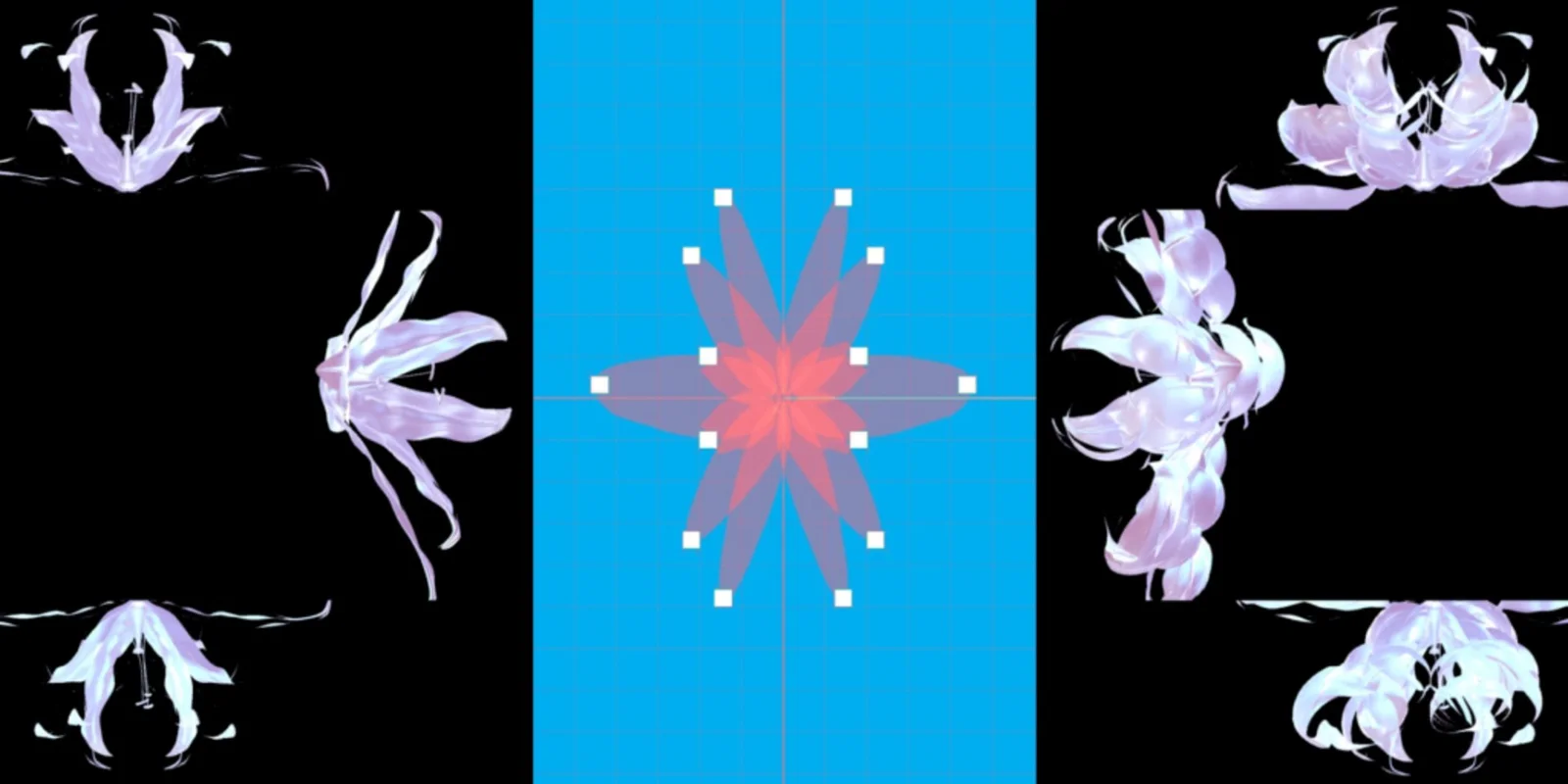
The Holo Flower is a real-time data visualization interface displayed in Augmented Reality holography for...
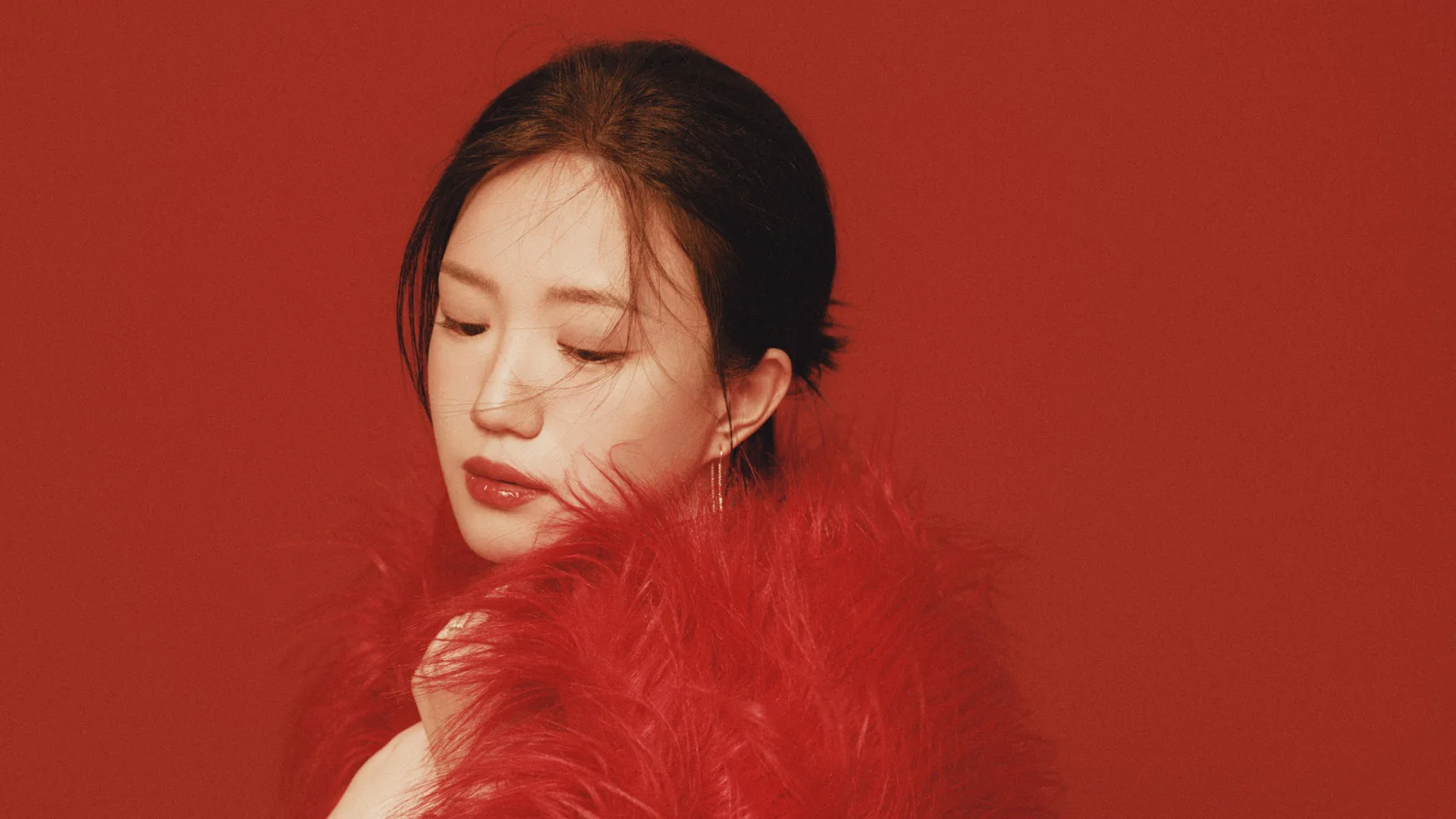
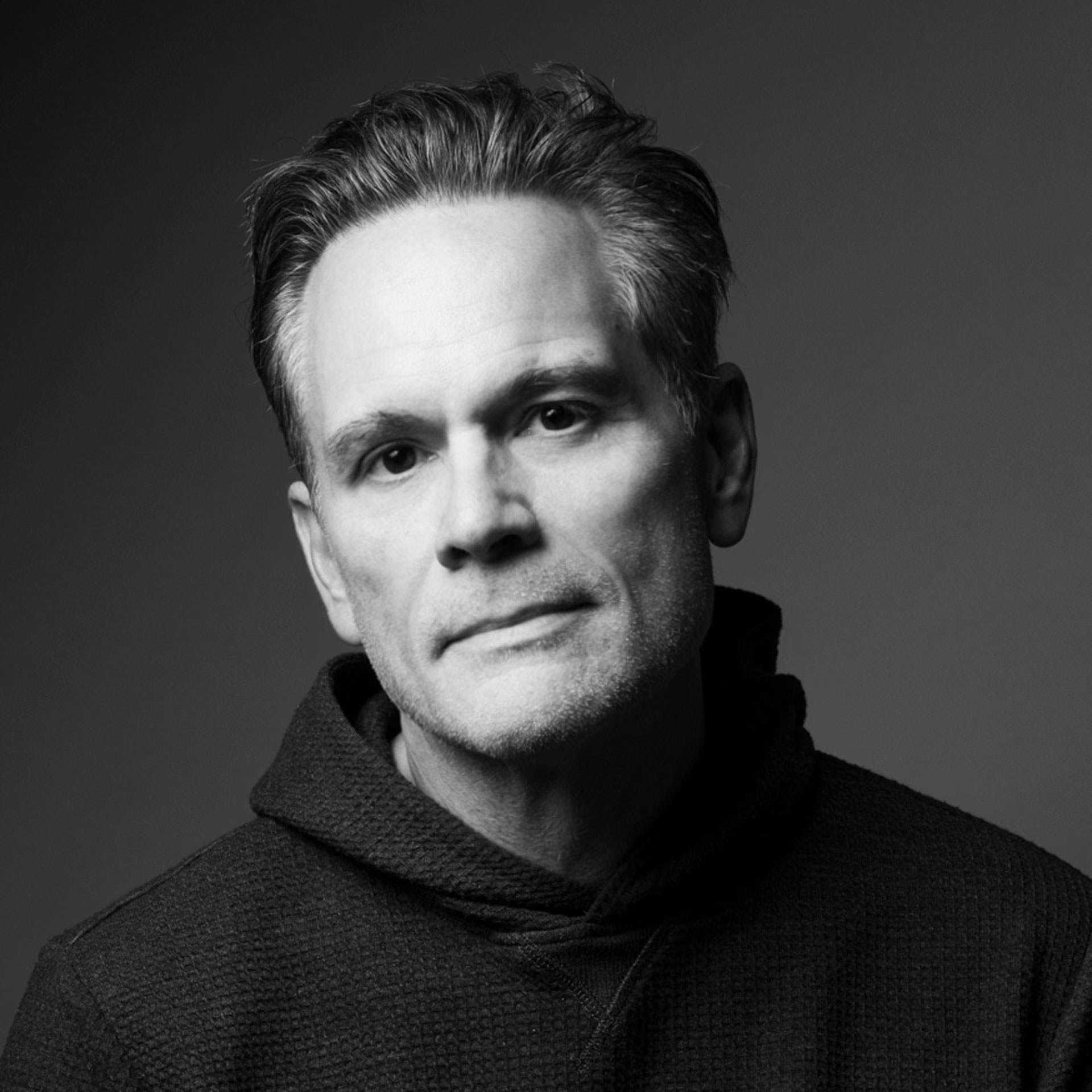
My name is Yiqi, and I am currently the Design Lead at Meta, specialising in immersive experiences across Meta Quest products, cross-screen platforms, and wearables. With a research background at Harvard and the MIT Media Lab, my journey in 3D began with brain-computer interfaces (EEG) and wearable AI. Prior to my current role, I led Unity's platform initiatives, including the visionOS partnership for Apple Vision Pro.
Additionally, I have explored the gaming sector by shipping Destiny 2. Outside of work, I am passionate about community building and lead Deepcake, an AIGC community dedicated to AI-integrated content creation, which is scaling up based on social media. My near-term goal is to continuously advocate for democratising 3D immersive creation by uniting XR and AI.
Growing up, I was always drawn to creating things. At the age of five, I started painting, followed by sculpting, modeling, and tracing floor plans of buildings. I even experimented with spray painting on billboards. In middle school, I taught myself 3D modeling and founded a small community group of creators with fellow anime enthusiasts.
Initially, I pursued 3D art as a side hustle during my teenage years. However, I had a deeper aspiration to build something that would leave a lasting impact and make a mark in history. This led me to explore spatial design, specifically architecture.
In 2015, I had the opportunity to try virtual reality with the first Oculus Rift DK1. Later, I worked on a research project to create a virtual reality replica of historical architecture, the US Embassy Residences. This marked the beginning of my career as a mixed reality-focused product designer.
Currently, I am part of Meta Reality Labs, serving as a Design Lead responsible for the metaverse experience. The term "metaverse" has evolved over time, and its definition continues to shift. For me, it represents an evolving concept. Decades ago, people referred to 3D immersive experiences in head-worn devices as Virtual Reality. Later, Pokémon Go popularised Augmented Reality, and Mixed Reality emerged as digital and physical elements interacted.
As hardware, operating systems, and platforms matured, we began to compare headsets to the next computing platform, giving rise to Spatial Computing. At its core, our mission remains the same – to connect people and build the future of human connection and the technology that makes it possible.
To me, design is a straightforward concept: it means solving user problems and finding creative solutions to achieve goals for humans, pets, or any other entity.
My favorite kind of design has evolved over time, reflecting my personal journey. Initially, I was drawn to avant-garde and theoretical designs that emphasised deep research and innovation. This inclination was likely influenced by my early years in R&D.
Later, I became fascinated with aesthetics, particularly in response to the proliferation of boot camps and designers who prioritised speed over attention to detail. Today, I strive for a balanced approach, considering factors such as business value, visual appeal, interaction, and communication when evaluating a design.
While this question may seem similar to the previous one, I'd like to emphasise the importance of designing with empathy and a user-centred mindset. Many designers transition from an artistic background and can become overly focused on executing their own vision, rather than addressing the genuine pain points of users.
I typically follow a circular design process, which involves discovery, ideation, final design, prototyping, testing, and revisiting before publishing and packaging.
The inspiration for this design came from the fields of psychiatry and clinical sleep loss. As passive data sensing becomes increasingly accepted for wellness and mental health purposes, wearable technology products have gained rapid market shares. The enthusiasm for wearable technology is booming, and our study aimed to explore the possibilities of shifting the focus from individual-based products to community-driven solutions for intuitive knowledge.
I believe that my cultural heritage has had an impact on my design process. Growing up in China, I witnessed firsthand how sleep loss and dream topics were often underrepresented, and people were encouraged to prioritise physical health over mental well-being. This experience has instilled in me a user-centred mindset, as I recognise that my target audience in the States may face similar challenges and stigmas.
Receiving the French Design Awards distinction is a significant honour for me, my company, and our team. This project, supported by the MIT Media Lab, represents an early attempt at creating a design-driven BCI solution rather than a purely technical or temporary fix for a specific clinic. As we revisit and refine our design, comparing the hardware of Meta Quest 2, Quest 3, and the new EEG headband will provide valuable product feedback.
The Holo Flower Brain is a real-time data visualisation interface displayed in holography on digital devices such as smartphones and tablets. The input data for the flower is based on real-time bio-metric data and EEG signals from the Emotiv Epoc+ headband. The concept behind the Holo Flower is to visualise and unroll vulnerable details of daily brain events, an idea that originated from my personal experience as a lucid dreamer.
One of the main challenges I faced was writing Python and C# together in Unity, which required significant pre-training of machine learning models to process my dream activities. Another challenge was processing raw EEG data, as changes in facial expressions could pollute the signal and make it almost unusable.
Winning this award will serve as validation that products using advanced technology require solid design thinking. It will also inform how I mentor others in the future.
My top three favorite things about the design industry are:
1. Intelligent people who bring unique perspectives and ideas.
2. Having a keen eye for visual aesthetics and attention to detail.
3. Collaboration with others to create innovative solutions.
I believe that a combination of a user-centred mindset and technical R&D processes sets my design apart from others in the same category. This approach enables 0-1 innovation to be more closely aligned with market success.
Over the next 5-10 years, I see the design industry undergoing bipolarisation. Senior designers and large studios will adopt matured AI workflows to reduce costs, while ordinary people will be able to create highly engaging content quickly. However, the middle layer may struggle to maintain its share.
My advice to aspiring designers is to not be afraid of collaborating with AI. This can help streamline processes and enable more efficient design workflows.
To improve skills in the design industry, I recommend:
1. Executing real-world problems instead of making assumptions and creating slide proposals.
2. Collaborating with engineers to gain a deeper understanding of technical aspects.
3. Transitioning from 2D to 3D design to expand creative possibilities.
Too many designers can actually slow down a team. It's essential to have a good ratio of designers to other team members to ensure efficient collaboration.
My previous co-worker inspired me by saying that if things become too matured, innovation vanishes. This has taught me to stay in a state of chaos to find new keys to innovation.
My key to success is to understand market trends, say goodbye to things that don't work, and pay attention to the monetisation of creations.
Thank you for the interview opportunity. I'm glad to have shared my thoughts and experiences here.
Read the interview titled The Art of Fragrance Design: A Conversation with Chyi Ruey here.