Pure Form Flows
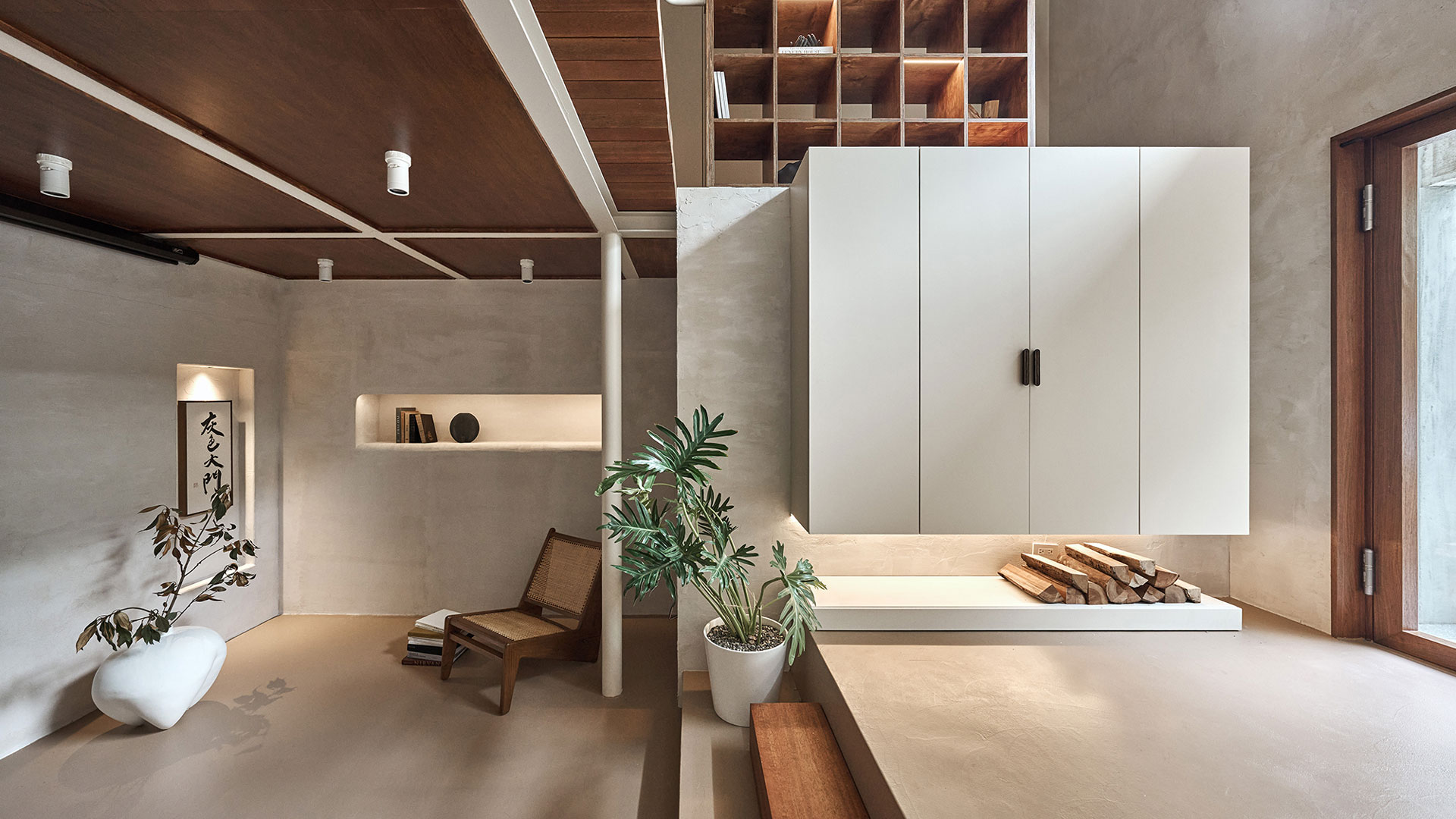
This project entails the transformation of an old house into a modern office space, seamlessly...
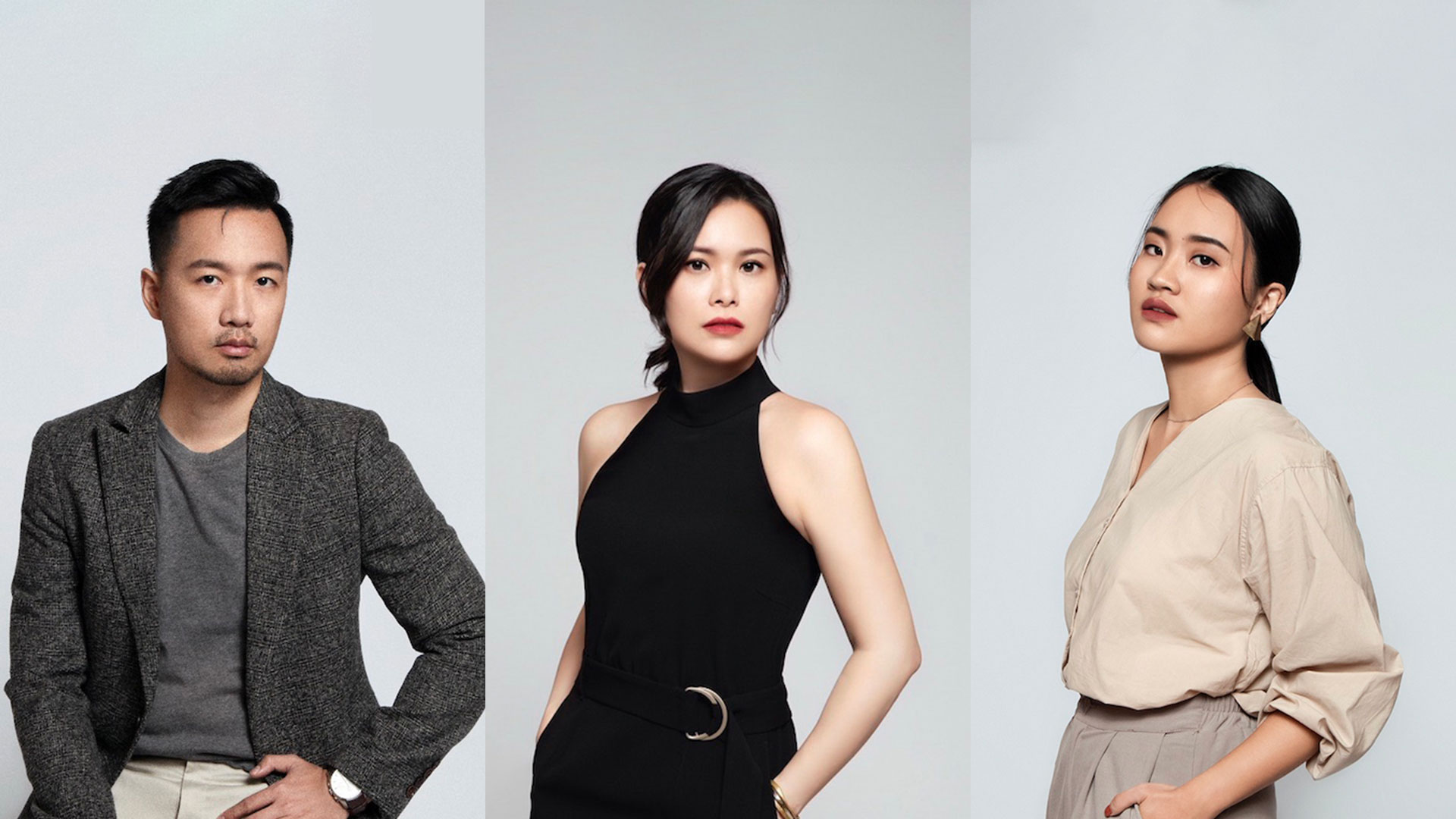
GRAY GATE DESIGN believes that in a fast-paced world, spaces should draw people out of the city’s cold concrete and back into warmth and stillness. Their award-winning house transformation reflects this vision, weaving natural forms and the quiet beauty of time into everyday environments.
We are deeply grateful for this recognition from the Rome Design Awards. We areGRAY GATE DESIGN, a studio established in Taichung, primarily specialising in residential design. We chose design as a career out of a profound appreciation for the ‘therapeutic power of space’.
In the fast pace of modern life, we hope to use design to draw people out of the cold concrete of the city, much like our award-winning project — the transformation of an old house — creating an environment that nourishes the soul. Our design inspiration always centres on how to integrate the pure forms of the natural world and the beauty of time into everyday living and working spaces.
The recognition is incredibly meaningful to us. It serves as an international acknowledgment and affirms our core philosophy. This deeply encourages us to continue pursuing a design approach that is both experimental and meticulous.
This achievement has elevated our studio’s visibility in multiple ways. For the team, it is the highest commendation for our collaborative spirit and innovative courage, motivating us to confidently pursue bolder design concepts.
The main opportunity it has brought so far is this: we have attracted more potential clients seeking ‘non-typical’ office environments. These clients are no longer focused on superficial luxury; they value spatial atmosphere, the authenticity of materials, and the enhancement of employee well-being. This enables us to take on more challenging and conceptually rich projects.
To us, ‘experimental’ means being innovative without being blind — it is the driving force that continually pushes design to break through its own boundaries and move beyond the conventional. In this project, the biggest experiment was blurring the lines between floors and spaces. We introduced lofted mezzanines and an open layout to dismantle the barriers of traditional office floor plans.
We also chose to use specialty paints, stone, and solid wood to replace the smooth, standardised surfaces typically found in offices. This focus on raw, tactile textures was itself an experiment, aimed at observing how people’s working styles might positively transform within a natural, warm, and life-filled environment.
Once, inspiration came from an audio recording made during a trip. During the two days and one night I spent in the mountains, the only sounds — day and night — were the wind, the rustling of leaves, and the dripping of water.
That pure, natural soundscape brought me great inner peace. After returning to the studio, I translated this ‘rhythm of natural space’ into the design. In the interior, we used specialty paint on the floor to evoke the look of earth, and applied it on the walls to simulate the irregular textures and shifting rhythms of wind and light in nature, giving the space a soft, organic feeling.
I hope more people can understand that excellent design is not just about visual aesthetics; it is the holistic design of a living experience. People often see design as mere decoration, but our process begins with solving spatial problems and optimising user experience. The true value of design lies in creating a ‘vessel’ that resonates with the user and has the power to transform their behaviour and mindset.
This is a very core part of design. We communicate extensively with the client at the initial stage — understanding their habits, aesthetic preferences, budget, and expectations. When we propose a design solution, we also explain the potential risks and benefits of certain ‘experimental approaches’.
When a client is more conservative, we retain only the key innovations; when they are willing to explore, we are bolder. This balance is built through dialogue and trust.
The greatest challenges lay in the constraints of the old building structure and the disturbance from the surrounding clutter. As a renovation of an old house, we had to address irregular layouts and potential structural issues.
To overcome the environmental disturbance, we adopted a considered design strategy: we raised the wall facing the street to shield the messy external view, redirecting attention back to the interior design and the serene outdoor green terrace. At the same time, we redesigned the original entrance, guiding the flow of people via an outdoor staircase before entering. This not only resolved the spatial function but also created a sense of ritual, transitioning people from a noisy exterior into a state of tranquillity.
When inspiration runs dry, I step away from the project site and the computer to reconnect with nature — visiting the mountains or the seaside. I seek to re-experience the shifts of light and shadow, the flow of water, and the raw textures of stone and wood. This temporary withdrawal allows me to reset my perception of ‘pure form’. When we remove the noise, pure forms and creativity emerge naturally.
I personally advocate the values of simplicity, introspection, and presence. This is fully reflected in our choice of the Wabi-Sabi aesthetic, which teaches us to appreciate the essence of things rather than ornate decoration. When designing our office, I treated the workspace as a dojo for practising contemplation.
By selecting raw, authentic materials, I aimed to create a space that encourages slowing down, deep thinking, and genuine connection. My design belief is this: the environment should serve the mind, not just the body.
For those just starting out, I would say: stay true to your vision, but learn to listen. Build your portfolio steadily and accumulate real-world experience. In the early stages, don’t shy away from small projects — they are the ideal place to practise creativity, test your style, and understand your strengths and weaknesses.
It is equally important to establish a trusted team: having skilled craftsmen and a construction team whose philosophy aligns with yours is essential for bringing any design to life.
If I had the opportunity, I would love to collaborate with Tadao Ando. His mastery of light and shadow, his use of concrete, the sense of spatial silence, and the powerful tension he creates between humanity and nature have always fascinated me. I believe working with him would offer a profoundly pure perspective on space and would further inspire my experimental thinking around materials and structure.
I hope people will ask: Why apply an aesthetic rooted in contemplation and stillness (Zen/Wabi-Sabi) to a modern office environment that demands high efficiency and speed?
My answer would be: because we need an anchor of opposition.
The pace and pressure of modern work require a quiet, warm foundation for balance. This design deliberately creates a space that stands in contrast to external noise — free of superfluous decoration, using only authentic materials and flowing light. Our office is not merely a place to work; it is an antidote, a space where thoughts can settle and creativity can emerge with clarity in simplicity and stillness, fully embodying the essence of “Pure Form Flows.”