Wood & Rhythm
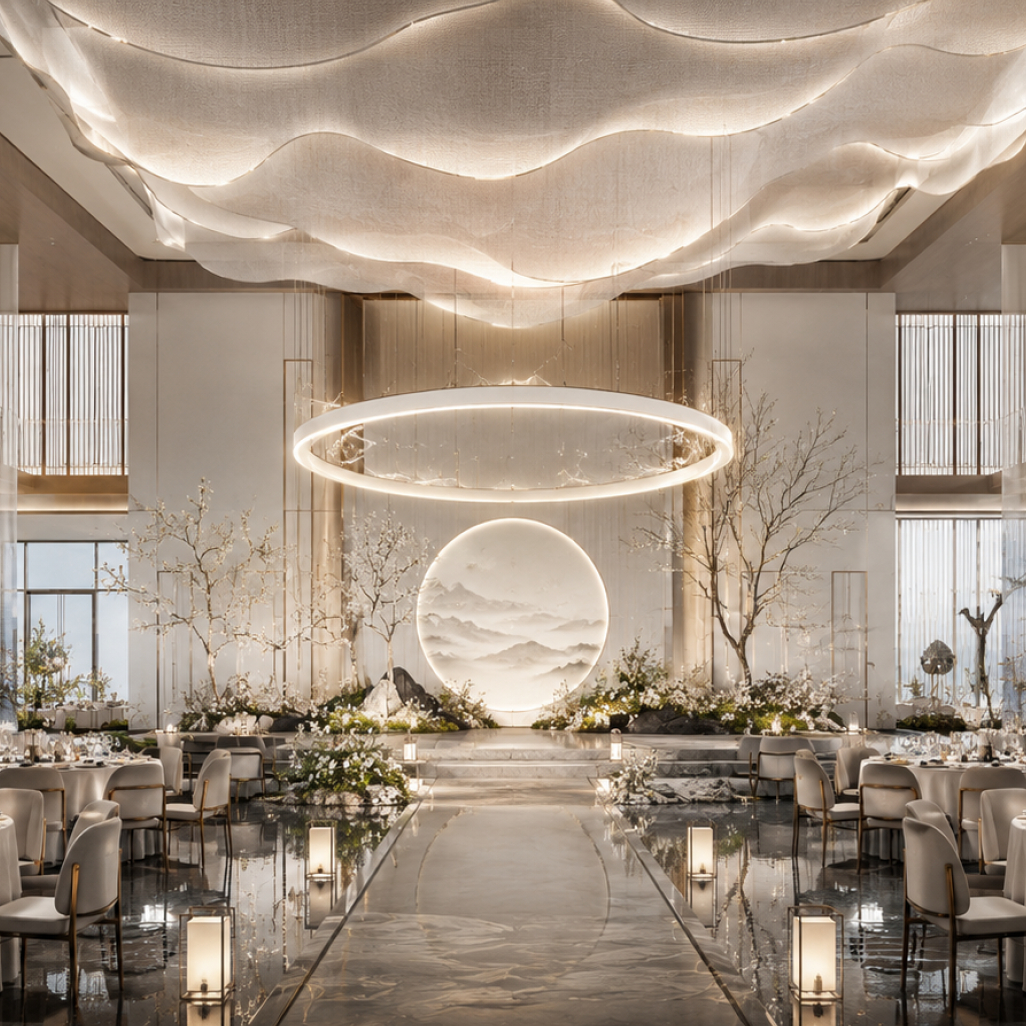
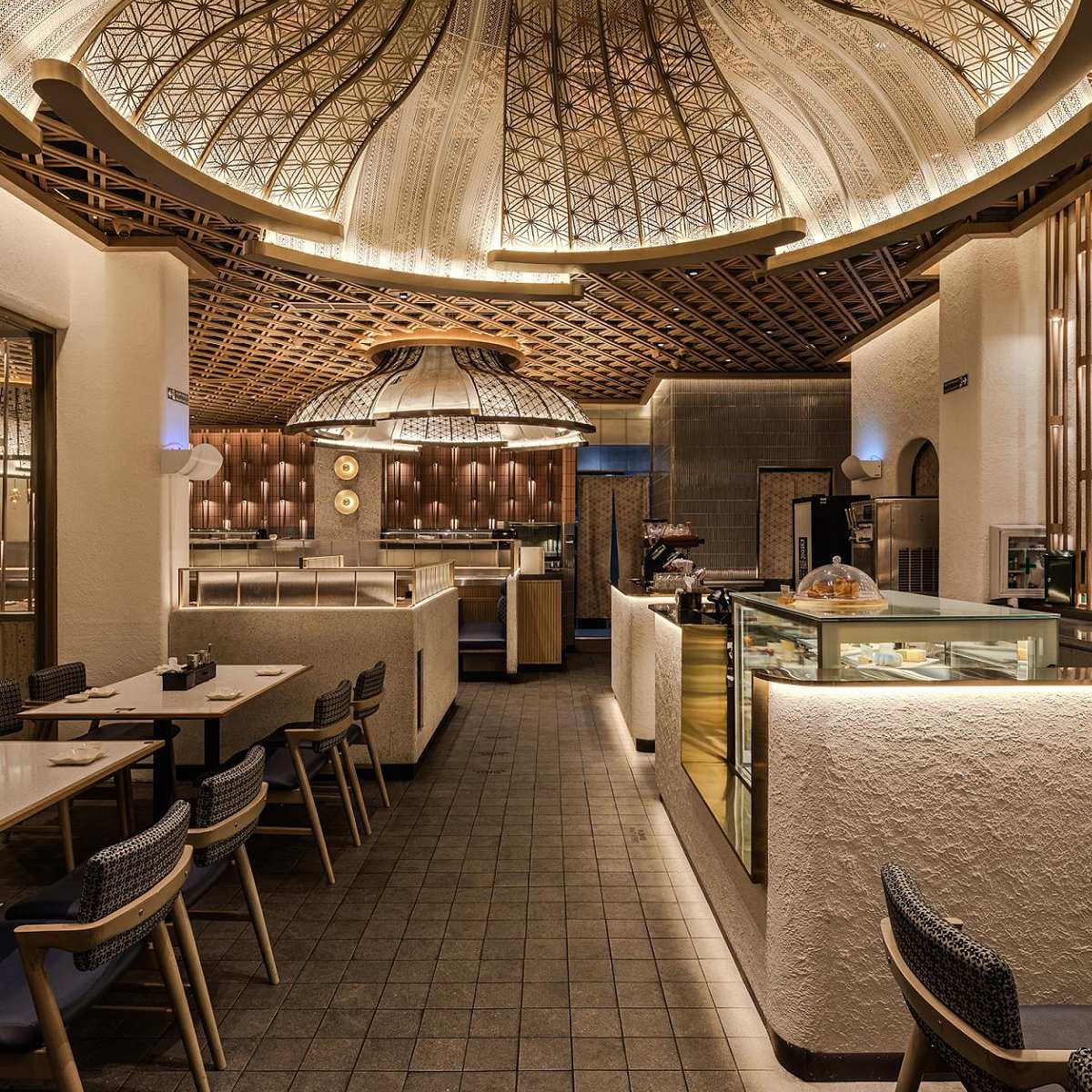
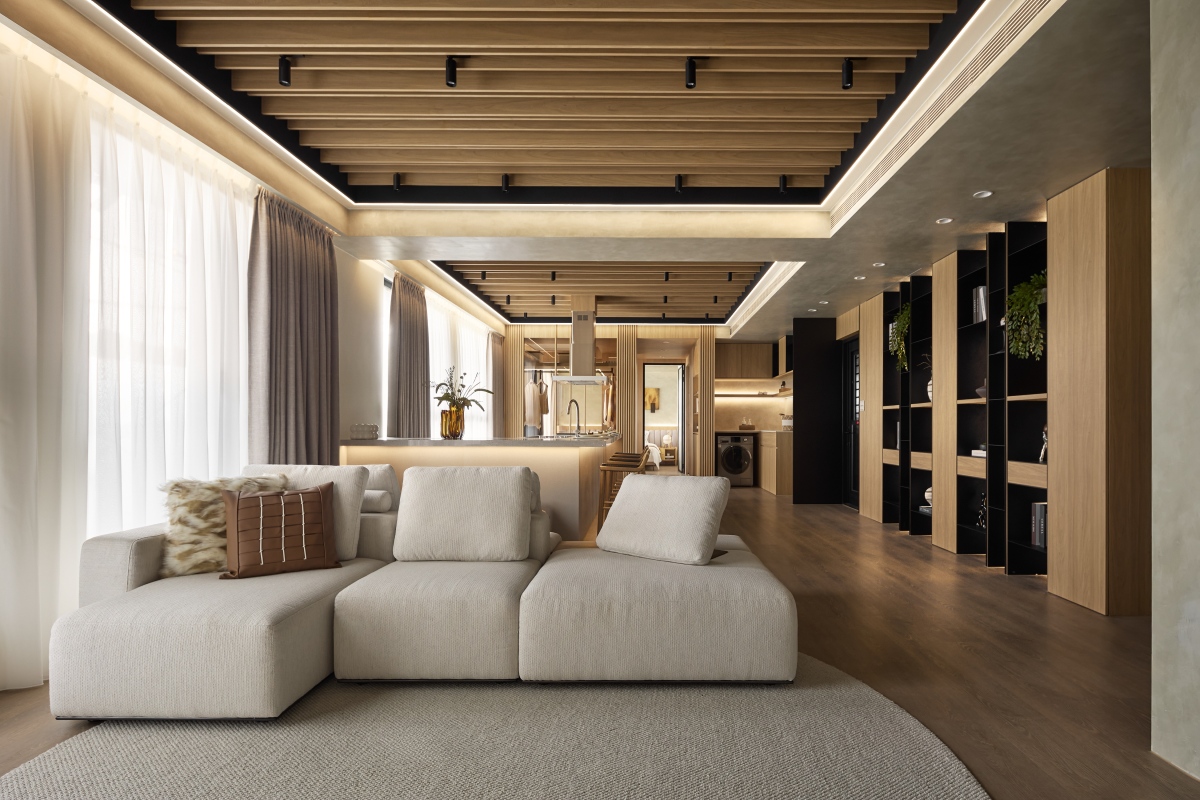
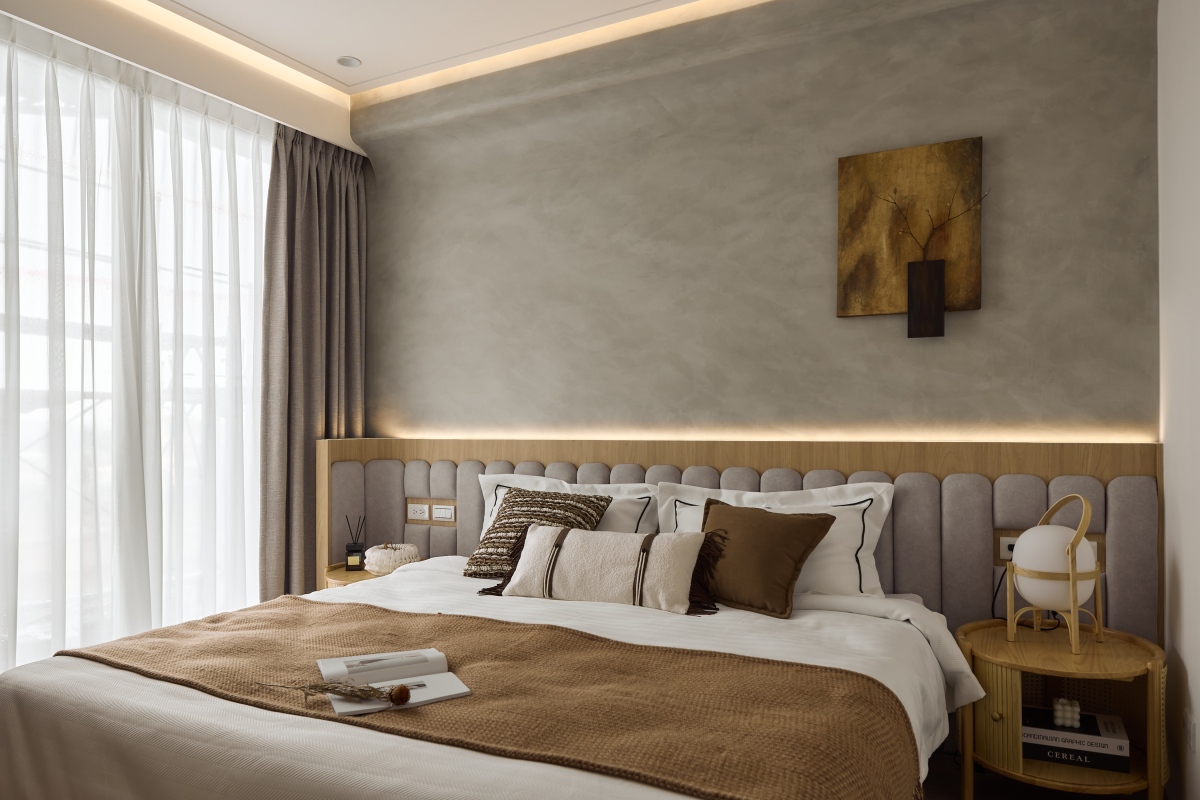
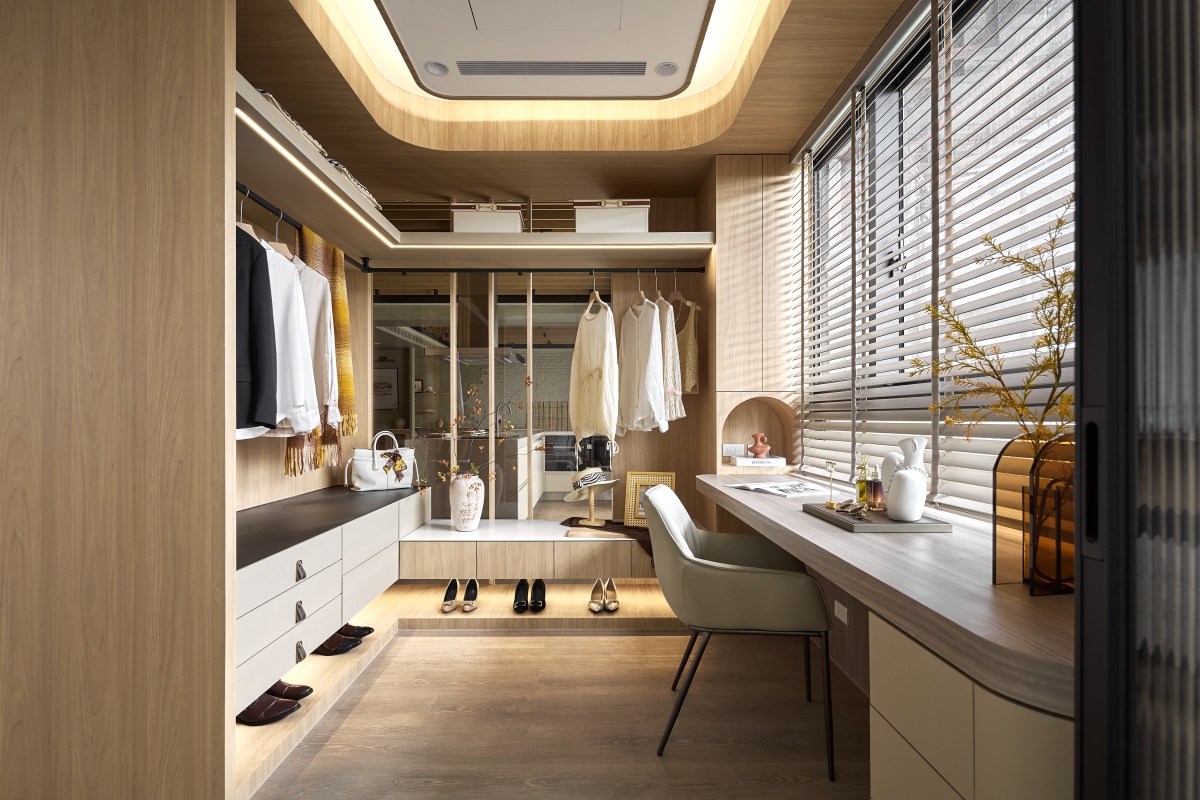
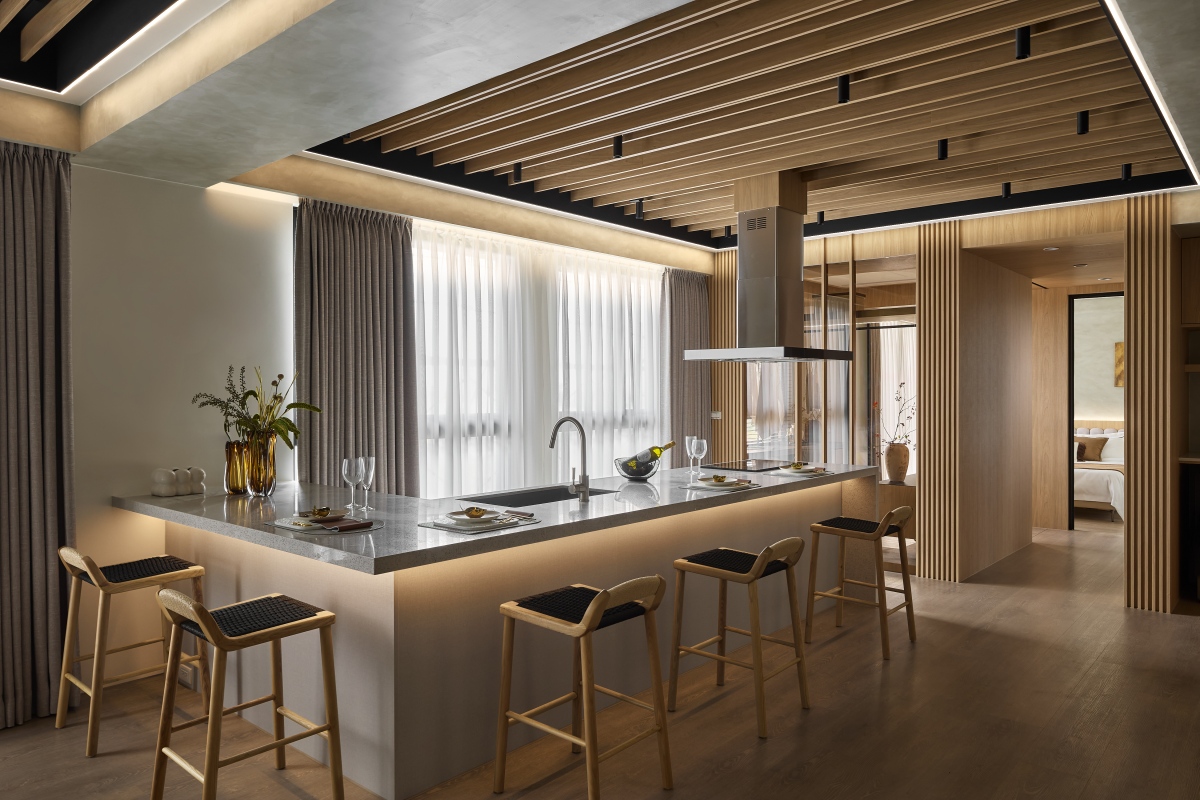
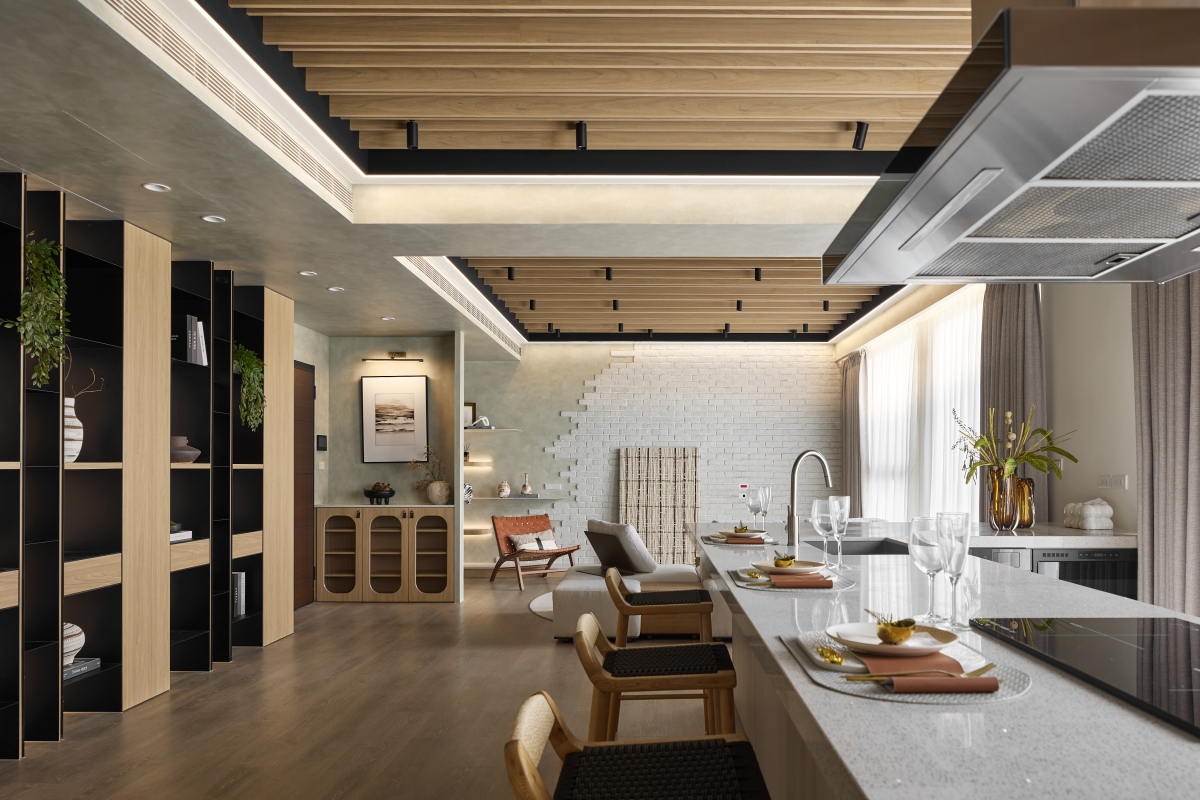
In this 83-square-meter residential project, reinterprets the traditional home as a sophisticated private salon, prioritizing...

Guan-Cheng Liu is the co-founder of Shih Tuo Design, where he creates interiors that strengthen the relationship between space and everyday life. Guided by a keen sensitivity to light, materials, and spatial flow, he believes thoughtful design has the power to shape how people live and experience their surroundings.
I am an interior designer focused on translating the relationship between space and everyday life. For me, design is not simply about aesthetics but about shaping lifestyles and daily experiences.
I was originally drawn to this field because I have always been highly sensitive to spatial details—how light, circulation, and materials influence emotions and behaviour. Over time, I realised that design can genuinely transform how people live, and that is what continues to drive me today.
This award represents an international recognition of my design perspective. It is not only about the visibility of the work, but also about having my design thinking understood. More importantly, it reminds me that design value is not limited to a local context—it can resonate across different cultures and perspectives.
This recognition has strengthened our team’s confidence and reaffirmed our design direction. In practice, it has also opened up more cross-disciplinary collaboration opportunities, particularly in spatial branding and commercial projects, expanding our work beyond residential design into more integrated lifestyle and spatial experiences.
Experimentation is an essential part of my design process.
For example, in material selection, I often intentionally break “safe combinations” to explore the relationship between different lighting conditions and surface reflections. Some outcomes may seem unconventional at first, but under real lighting environments, they often create unique spatial depth.
For me, design exists within a rational structure while still allowing space for uncertainty.
One of my most unusual sources of inspiration comes from construction sites. Unfinished surfaces, exposed structures, and even the way materials are stacked all reflect a raw spatial order that inspires me. These seemingly chaotic states often reveal the most authentic language of space.
I hope more people understand that good design is not decoration—it is the result of decision-making. Every simple visual outcome is actually the balance between function, budget, proportion, and lifestyle needs.
I always begin by understanding the client’s real lifestyle needs rather than focusing on stylistic preferences. When differences arise, I communicate through spatial logic rather than style, because design is ultimately meant to be lived in, not just viewed.
The biggest challenge was maintaining design integrity within limited constraints. We refined proportions and material details repeatedly to ensure both functionality and visual consistency. Often, the key was not adding more elements, but removing unnecessary ones.
I temporarily step away from design and return to observing daily life. Simple activities like walking, observing light changes, or experiencing different spaces help me reconnect with human behaviour. When the focus returns to people, inspiration naturally follows.
I place strong emphasis on “real-life usability” in my work. Rather than pursuing overly expressive visuals, I aim to create spaces that remain comfortable and timeless through long-term use. This reflects my belief that spaces should support people, not overwhelm them.
Do not define your style too early. Focus first on developing strong observation skills toward space and human behavior. Once you truly understand users, your design language will emerge naturally.
I would choose designers who think across disciplines—those who integrate architecture, art, and material language in their work. For me, meaningful collaboration is not about combining styles, but about creating new spatial possibilities through different perspectives.
I wish people would ask: “Which everyday moment inspired your design?”
For me, every project begins not with a style, but with a real moment from daily life.
Read The Invisible Work Behind Great Design - An Interview with Gawon Lee, a winner of the 2026 London Design Awards, at this link here.