
Design & Inspiration
How HOLO Nature Explorer by Yingci Zhong Turns Playtime Into Discovery

Yingci Zhong
Yingci Zhong is a designer who creates playful, meaningful experiences. With a background in industrial design and a passion for storytelling, she turns abstract ideas like emotions and sounds into engaging, tangible moments.
I'm a designer who loves creating playful and meaningful experiences. What led me into design was a deep curiosity about how people learn through doing, sensing, and imagining.
With a background in industrial design and a strong interest in interaction and visual storytelling, I’ve always been drawn to the ways design can help translate abstract concepts—like emotions, sounds, or everyday observations—into something tangible and engaging.
That’s also what inspired HOLO, a project that explores how toys can encourage children to connect with their surroundings, ask questions, and build stories through hands-on play.
For me, design isn’t just about making things functional; it’s about creating space for curiosity, wonder, and meaningful connections.
I am a designer specializing in furniture, lighting, and spatial objects, using design to shape how people live, feel, and interact with the objects around them. What drew me to design was the belief that objects are more than forms—they are mediators between the body, space, and emotion. I’ve always been fascinated by how proportion, material, and craft can create not just beauty, but a sense of presence and intimacy in everyday life.
Over time, I’ve developed a design philosophy centered on clarity, balance, efficiency, and system thinking. I believe good design should not only achieve aesthetic and functional excellence but also optimize workflow and user experience. In every project, I seek to simplify processes through modularity and logical structure—ensuring that making, assembling, and maintaining each piece are as seamless and efficient as its final form.
VersaHammer was born from this mindset. While working through furniture installation and maintenance, I realized that conventional tools often disrupted rhythm, attention, and the continuity of craft. This led me to a fundamental question: if furniture can be designed to be precise and human-centered, why shouldn’t the tools that interact with it follow the same principles? VersaHammer translates furniture-level proportion, tactility, and logic into a hand tool, integrating the three core actions—hammering, driving, and pulling—into one continuous, intuitive flow that enhances both precision and efficiency.
To me, it is not simply “a new tool,” but a manifestation of my belief that design should support every stage of interaction—from creation to long-term use. VersaHammer represents a practice that unifies system thinking, human motion, material honesty, and process simplification, so that objects don’t just look right—they feel inevitable through years of use.
Winning the MUSE Design Awards was meaningful not only because VersaHammer was recognized, but because it affirmed a belief central to my design practice: design does not end at the final object—it extends into how it is assembled, used, maintained, and lived with over time.
This recognition deepened the perspective I apply to furniture and lighting—that design is not only about form or aesthetics, but about the system of interaction surrounding each piece. When process, tool, and object are aligned with equal intention, the overall experience becomes more coherent, human, and enduring.
For me, this award is more than the celebration of a single project—it validates a design philosophy. It reinforces my commitment to creating work that is systematic yet emotional, efficient yet human-centered, and always connected to how people live. It motivates me to continue pushing furniture, lighting, and home décor toward a future where design thinking integrates form, process, and experience as one seamless whole.
This honor has had a profound personal impact and strengthened the cultural and industrial value of my future design work.
Recognition from the MUSE Design Awards has elevated my visibility on the international stage. Beyond personal achievement, it has become a valuable asset for my growth in the American furniture and home décor industry, giving me the confidence to explore new design languages, pursue new markets, and demonstrate my capabilities globally—enhancing industry presence and attracting collaboration opportunities.
Most importantly, this award has opened concrete opportunities, including engagement with industry experts, international brands, and potential cross-border projects, while further solidifying my international influence and professional standing in furniture and lighting design.
For me, experimentation is not random exploration—it is a way of using the body to verify whether a design is truly honest. In furniture, lighting, and everyday objects, drawings or 3D models can never fully capture real use. Only through repeated prototyping, testing, and refinement can I understand the subtle relationship between proportion, weight, tactility, and motion.
With VersaHammer, I started not with the form, but with the hand. I defined the exact motion paths of hammering, tightening, and pulling, then iterated through multiple rounds of 3D printing and metal machining. Every adjustment—handle diameter, center of gravity, magnetic force—was retested, even changes as small as 0.5 mm, until each gesture felt natural and fluid.
To me, experimentation is not about chasing novelty, but pursuing precision. It transforms a design from “visually reasonable” to “physically correct,” allowing each piece to go beyond aesthetics, become lived with over time, and ultimately be remembered through the body.
For me, inspiration often comes from observing how people genuinely interact with objects in real life. I focus on moments when something feels slightly off—when a motion is interrupted, a tool fights the hand, or the rhythm of use breaks down. These small points of friction often reveal deeper design opportunities than success does.
I don’t just look at the final result of use—I study the process itself. I watch how people assemble, maintain, move, adapt, and even “correct” objects in their own way. These actions provide honest feedback that aesthetics alone cannot offer.
Craftsmanship and manufacturing also inspire me. When artisans adjust tools, fine-tune tolerances, or use muscle memory to control force, they reveal how an object wants to be designed. Such insights, rooted in material honesty and embodied knowledge, are rarely visible in drawings but often hold the truest design logic.
VersaHammer was born from these observations. It didn’t start as a desire to design a tool—it began when I noticed that during furniture assembly and maintenance, carefully designed experiences were often disrupted by inefficient tools. If furniture experiences matter, the surrounding process must be designed with the same intention.
For me, the most powerful inspiration comes from people, behavior, and the overlooked gaps in everyday interaction. Finding solutions in these real moments allows design not just to create new forms, but to repair the relationship between humans and the objects they live with.
One thing I wish more people understood is that design is not about creating a form—it is about organizing behavior, logic, and time. In furniture, lighting, and everyday objects, success is measured not by first impressions, but by how naturally something supports the user every second it is in use.
The design process is closer to choreography and reasoning than to styling. I study how people approach an object, grip it, move with it, and maintain it. Only after understanding the full sequence of actions do I decide on proportion, weight, material, and structure. This involves extensive prototyping, testing, and refinement—even a 0.5 mm adjustment can change the entire experience.
True design is about alignment—making every element coexist in harmony: aesthetics, function, craft, ergonomics, manufacturing, durability, and long-term care. When all these align, design moves beyond concept and becomes part of everyday life. Good design isn’t defined by how unusual it looks, but by how inevitable it feels.
If, years later, someone uses a piece and thinks, “Of course—it couldn’t be any other way,” that sense of effortlessness and trust is the highest form of design—not just at first use, but across maintenance and care over time.
To me, design is not about pleasing—it’s about understanding and translation.
When different perspectives come together—clients, users, or manufacturing partners—each reflects unique motivations and constraints. The designer’s role is not to take the middle ground, but to synthesize these voices into a coherent vision. I begin by observing where real friction occurs.
For VersaHammer, inspiration came from a simple moment during furniture assembly: constantly switching between tools—hammering, screwdriving, and nail removal—broke rhythm and focus. I asked myself, if furniture can feel balanced, precise, and human-centered, why shouldn’t the tools that serve it do the same?
By integrating three essential functions into one seamless motion path, VersaHammer restores flow and concentration to the act of making. Balance also means aligning with manufacturing logic, so what’s elegant in principle remains precise and buildable. For me, balance isn’t compromise—it’s evolution.
True design maturity lies in finding ways for constraints and ideas to strengthen each other, allowing the original concept to evolve into something clearer, more intentional, and more powerful.
The biggest challenge with VersaHammer was balancing precision engineering with emotional tactility.
Most tools are judged purely by function—how hard they hit, how durable they are—but I wanted to create something that also carried intent and character, where every gesture felt balanced and deliberate. Achieving that level of refinement required countless rounds of proportion, weight, and detail adjustment. Even subtle shifts in handle diameter or weight distribution could completely change the rhythm of motion. Each prototype—3D-printed, milled, or cast—revealed new insights into how the hand naturally aligns with the tool. Dozens of iterations later, the design reached a state where every movement felt effortless, coherent, and precise.
Another challenge was integrating multiple functions—hammering, screwdriving, and nail removal—into one seamless form without compromising clarity or ergonomics. The solution came through reduction, not addition: refining each element until the structure itself communicated its purpose. Ultimately, the real breakthrough wasn’t mechanical—it was sensory. By merging structural logic with material sensitivity, the tool became an object that connects with both hand and mind.
That process reaffirmed a core belief of my practice: craftsmanship and clarity are not in conflict—they are the same discipline viewed from two distances.
When I hit a creative block, I don’t force ideas—I return to making. In product design, creativity often emerges through touch, resistance, and adjustment.
Quick hands-on prototyping—building mock-ups, sanding metal, testing proportions—helps me engage with materials directly. These short loops of experimentation, often hours rather than weeks, convert rhythm and material feedback into design decisions. The moment I start shaping something physical, clarity naturally returns.
I also observe how objects age—a well-used hammer, a polished chair arm, or a dented copper kettle. These traces of use capture human rhythm and remind me that design’s true purpose is not form, but the dialogue between maker, material, and user over time.
When I need perspective, I step outside the studio—walking, observing motion, or listening to repetitive sounds like tools striking wood or metal. These rhythms reconnect me with the essence of design: precision, repetition, and empathy in motion. Recharging isn’t about escaping design—it’s about returning to its beginning: material, movement, and memory, where creativity truly regenerates.
For me, every design begins with honesty in materials and intent.
A product should never pretend to be something it’s not—it should express its structure, weight, and function through form and touch. Years of working closely with fabrication and prototyping taught me to consider balance, temperature, and resistance, letting these qualities guide the design itself.
I value clarity through use. A good tool communicates through motion, not explanation. When designing the VersaHammer, I studied natural gestures—hammering, gripping, rotating—ensuring every curve and proportion supports intuitive movement without excess decoration.
Craft as empathy is equally important. Craftsmanship is not about perfection, but care. Every refined surface or joint reflects respect for the user, creating emotional trust. This quiet dialogue through precision is what I aim for in every design.
Ultimately, my work is guided by a belief that good design should reveal, not conceal—showing how things are made, how they move, and how they fit into people’s lives with purpose and sincerity.
I believe the essence of good design lies in three things: curiosity, cross-disciplinary thinking, and persistence in making.
First, stay curious. Design begins with observation—watch how people move, interact with objects, and notice the small details that shape everyday life. The more we understand how things work and why people behave the way they do, the more meaningful our ideas become.
Second, think beyond boundaries. The best products are born where function, aesthetics, engineering, and craftsmanship intersect. Whether designing furniture, lighting, or tools, a designer should constantly connect materials, production methods, and user behavior.
Finally, keep making. Ideas gain value only when tested through real materials and physical constraints. Experiment, build prototypes, fail fast, and learn faster. Over time, your hands will teach lessons no theory can.
Design is not a sprint—it is a lifelong practice. The more you build, observe, and refine, the more your work will carry your voice, until eventually your work speaks for itself.
If I could collaborate with any designer, it would be Oki Sato, founder of nendo. His work spans furniture, lighting, spatial systems, and architectural installations—always grounded in humanity, craftsmanship, and poetic rationality. To me, he’s a designer who balances minimalism and emotion with rare precision. His creations appear simple and effortless, yet carry deep insight and a subtle sense of humor.
I especially admire the philosophy behind the name “nendo,” meaning “clay” in Japanese—a material that is soft, adaptable, and endlessly shapeable. It represents the flexibility and openness of design: the ability to transform, merge, and evolve without losing structure. This idea of being “soft yet structured” deeply resonates with my approach to product design, where systematic logic and human warmth coexist.
What inspires me most is his ability to discover the “!” in everyday life—turning ordinary objects into designs that are both functional and beautiful through the simplest of forms. His work demonstrates how minimal shapes can express profound logic, emotion, and meaning—a quality I continually strive to achieve in my own practice.
If given the chance to work with him, I’d love to combine his sensitivity toward “systemic objects” with my focus on human interaction and motion continuity. Together, we could explore how tools extend human gestures and how furniture continues the rhythm of daily life—not to invent new forms, but to rethink how design defines the relationship between people and objects.
For me, collaborating with Oki Sato would not just be a creative experiment—it would be a dialogue across disciplines, reinterpreting the essence and boundaries of design at the intersection of craft, system, and everyday life.
Winning Entry
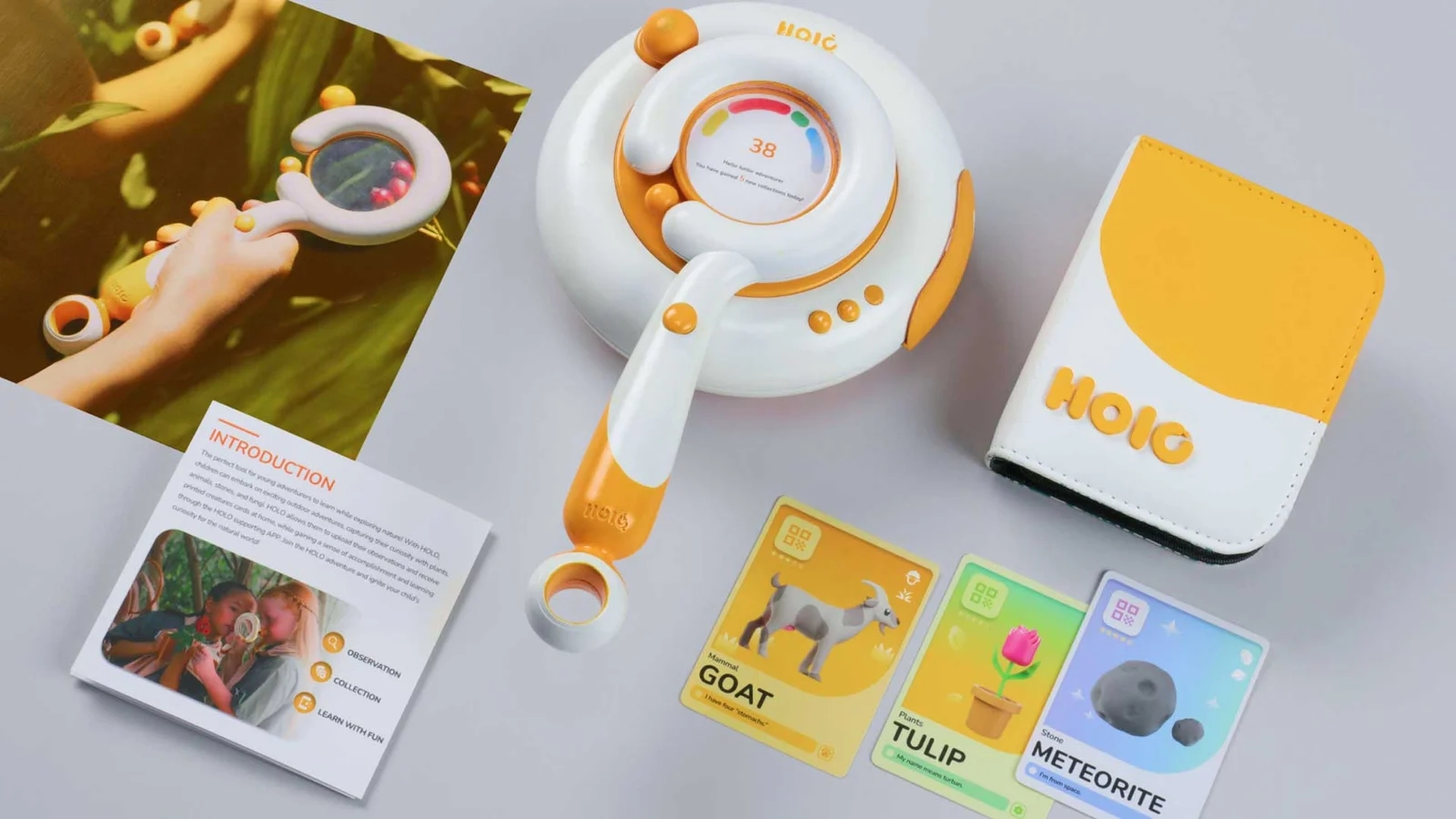
Explore the journey of Chyi Ruey, the Gold Winner of the 2025 MUSE Design Awards. She blends visual media and art to shape a fragrance brand expressing scent through imagery. Rooted in authenticity, her designs weave scent, image, and story into a rich cultural experience.
ADVERTISEMENT

Latest Posts

Maxim Hair Restoration Is Shaping a New Era of Personalized Hair Re...
SEPTEMBER 30, 2026
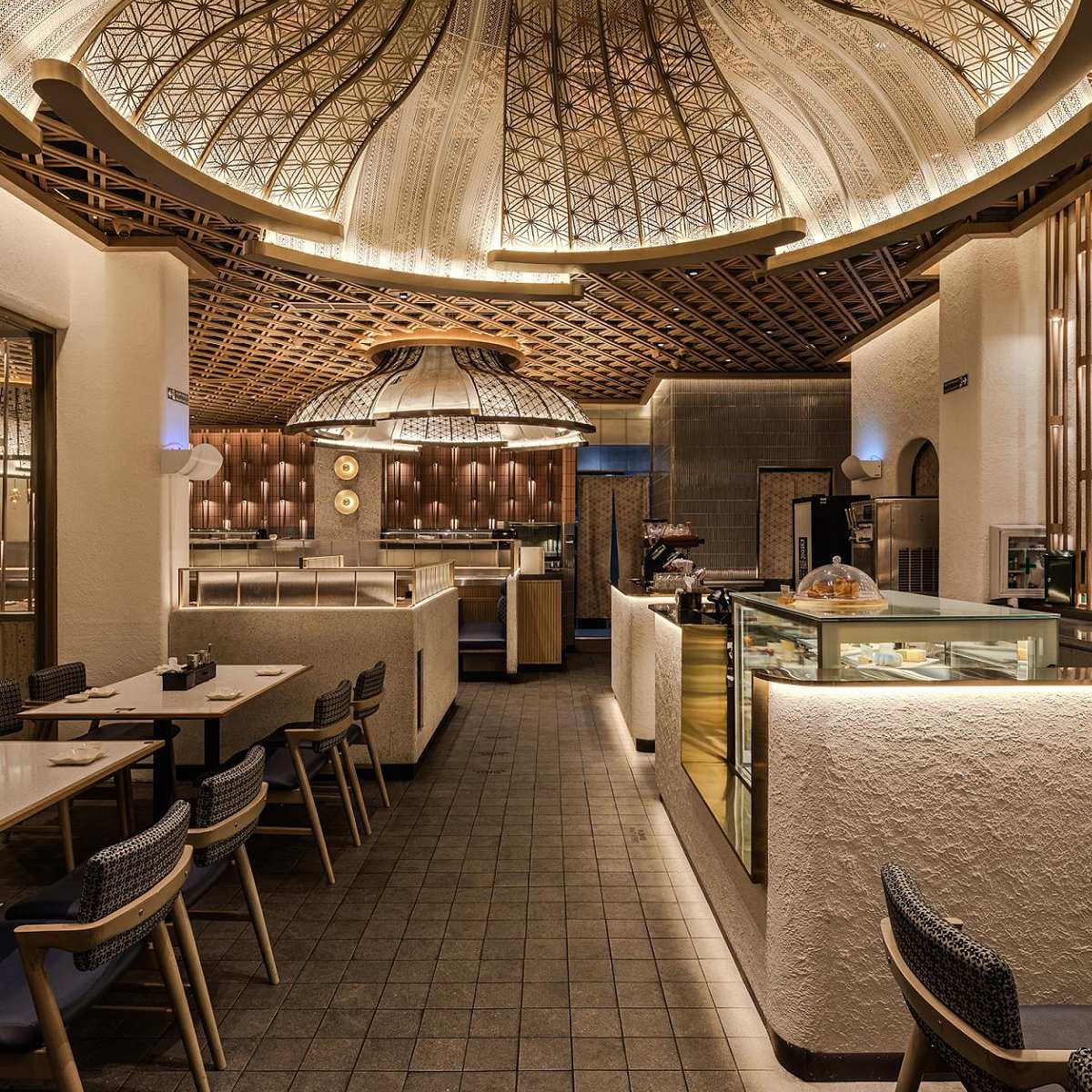
MoMo.Co.,Ltd. Creates a Refined Dining Environment for Sushi Tei Jawa
SEPTEMBER 28, 2026

2026 Global Photography Awards Reveals Photographers of the Year an...
SEPTEMBER 25, 2026

How Many Awards Should You Enter? (Strategy Guide)
SEPTEMBER 23, 2026
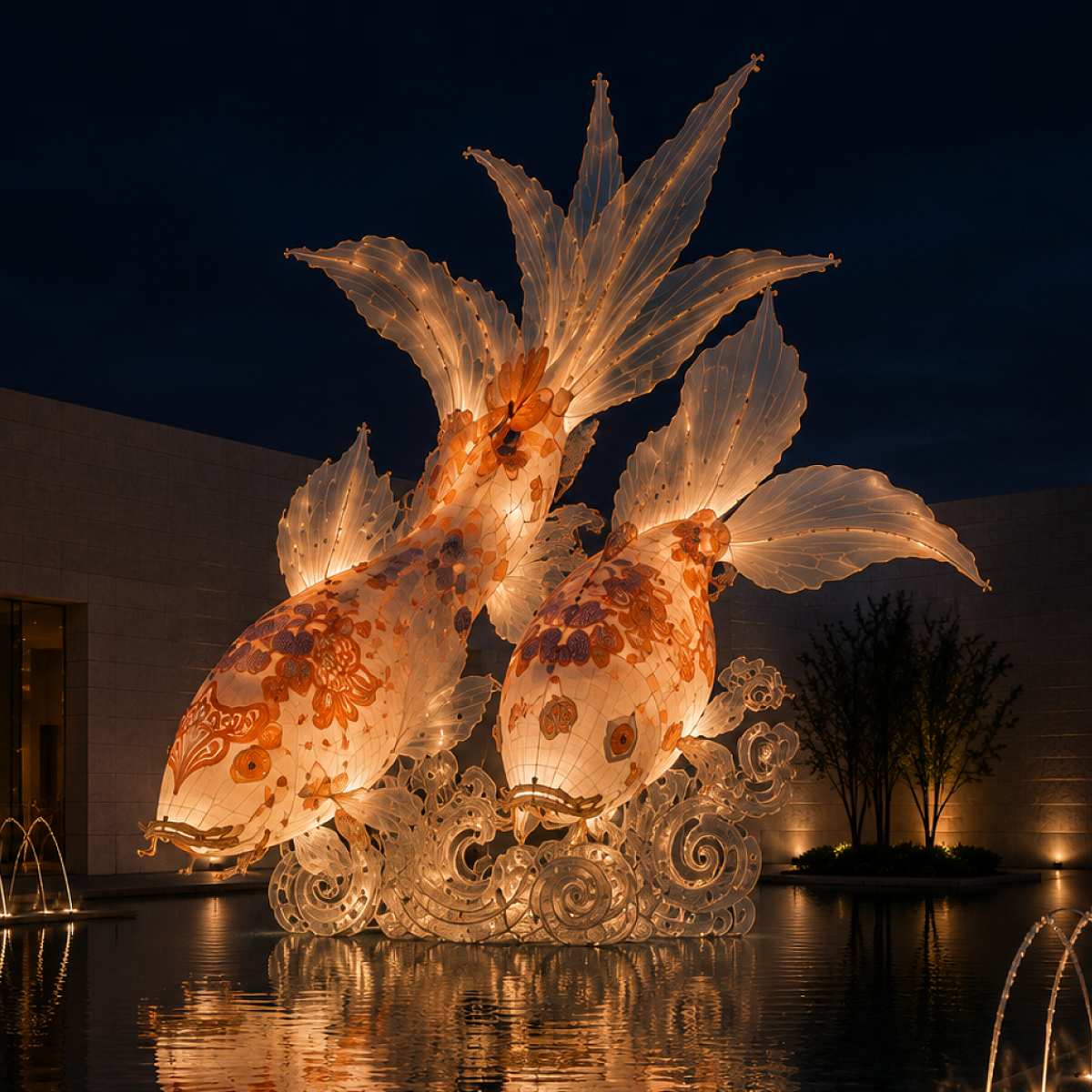
Interactive Light Installation: Before Fish Become Birds Creates a ...
SEPTEMBER 22, 2026
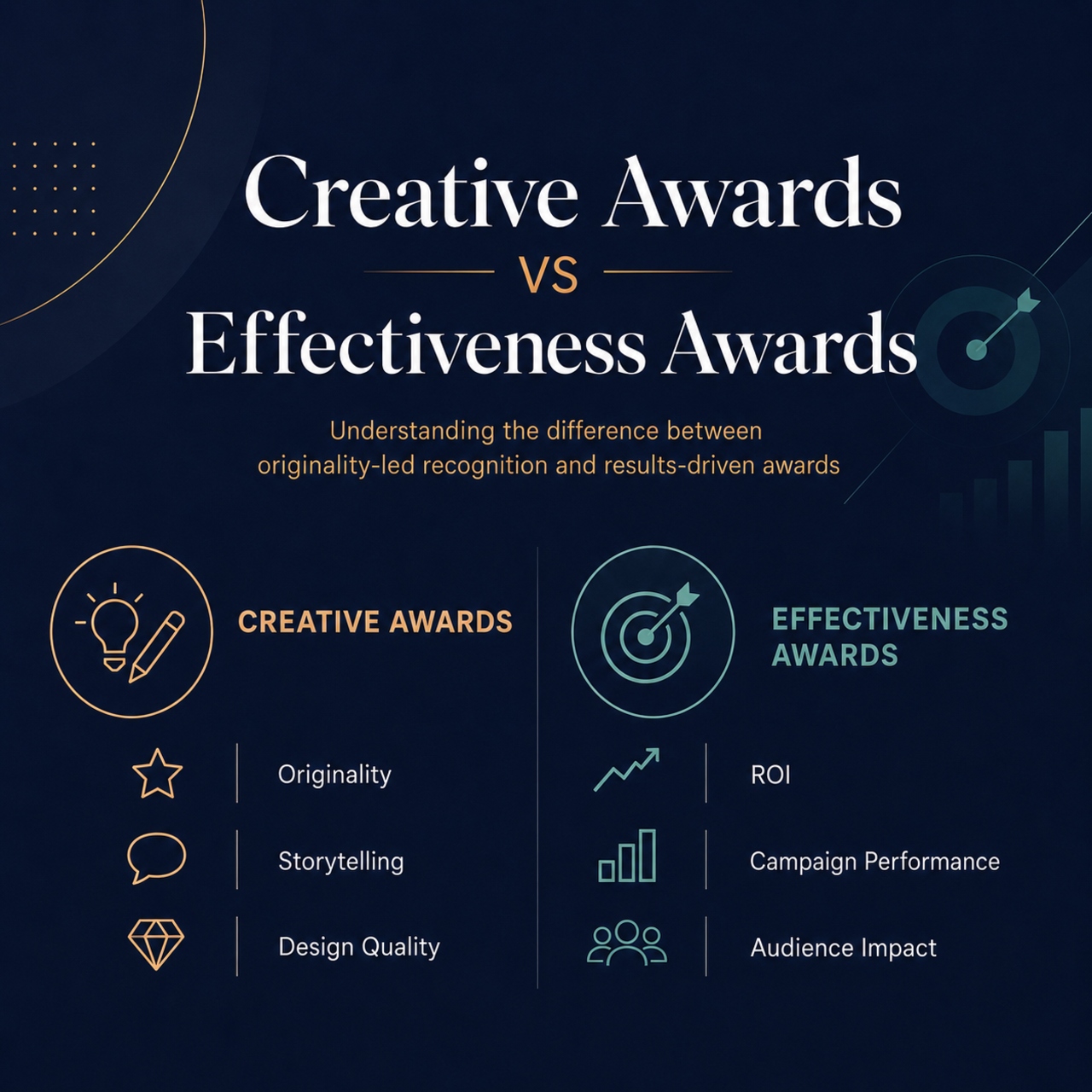
Creative vs Effectiveness Awards | Key Differences Explained
SEPTEMBER 21, 2026

Tonic DNA Brings Highmark’s (un)Hungry Community Story to Life Thro...
SEPTEMBER 17, 2026

Marketing Awards for Startups | Small Business Awards Guide
SEPTEMBER 16, 2026

National Geographic, SDRATS & CICC Capture Life at the Yellow River...
SEPTEMBER 16, 2026

2027 French Design Awards Opens Global Entries for Design Excellence
SEPTEMBER 15, 2026


IAA GLOBAL AWARDS
MUSE Awards
Vega Awards
NYX Awards
TITAN Awards
- TITAN Business Awards
- TITAN American Business Awards
- TITAN Property Awards
- TITAN Women in Business and Leadership Awards
- TITAN Health Awards
- TITAN Innovation Awards
- TITAN Brand Awards