Laura Lentchitsky, Host of D2 Bites
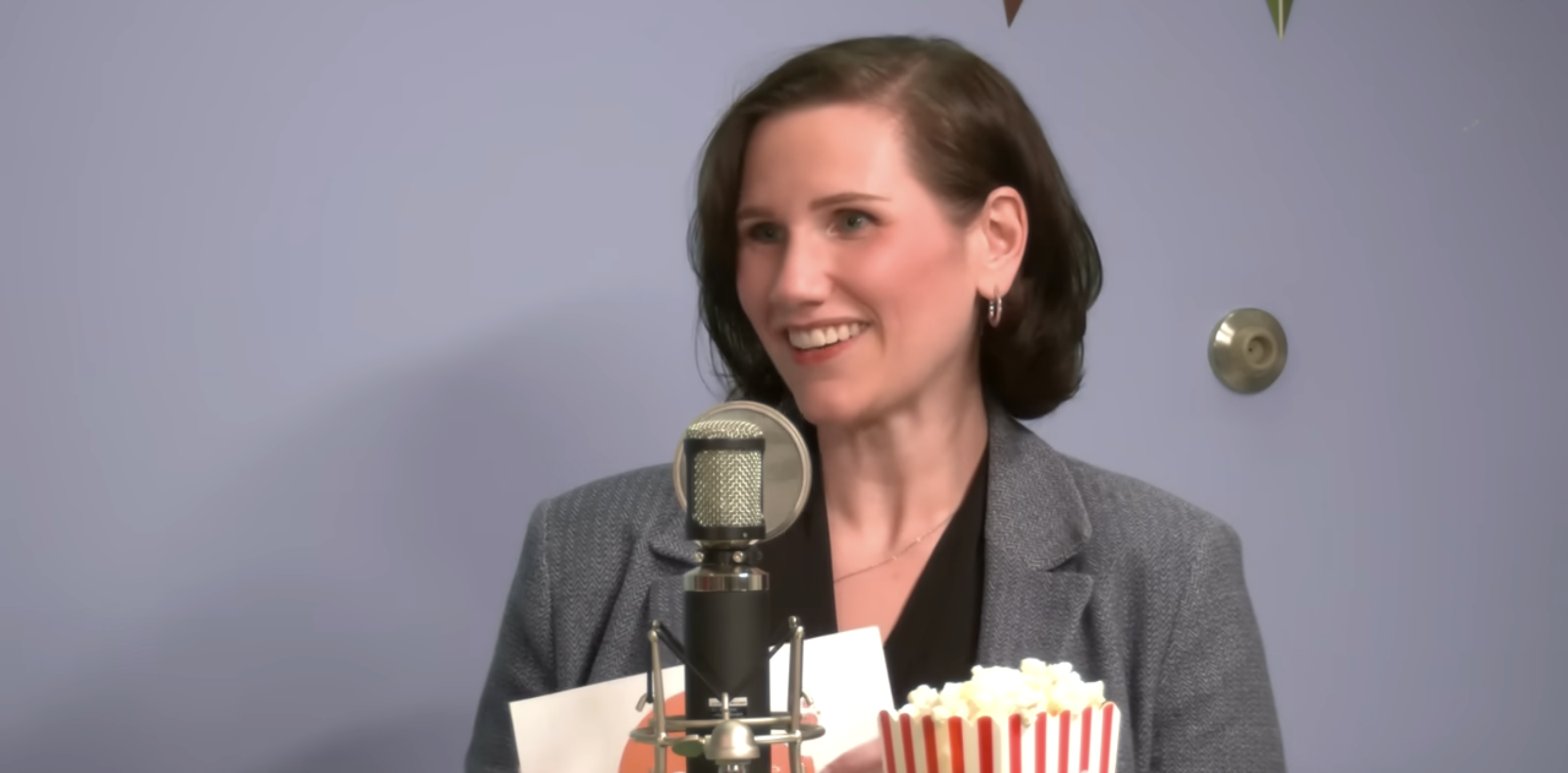
Laura Lentchitsky is the host of D2 Bites, a short-form interview series by D2 Creative...
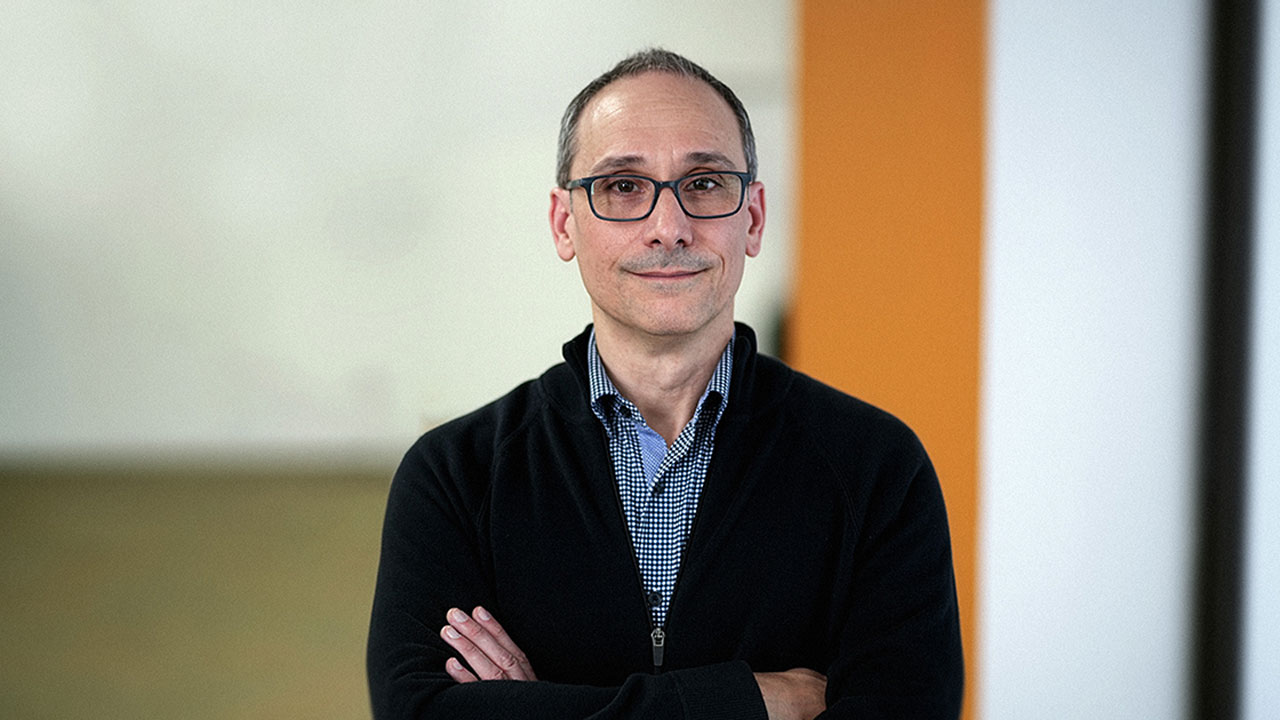
Patrick Sodano is a creative strategist driven by a passion for solving complex challenges through thoughtful communication. Working across the life sciences and technology sectors, he transforms intricate ideas into meaningful stories that connect with highly specialized audiences.
D2 Creative has been helping life science and technology companies solve complex marketing and communication challenges since 2002. We work with organizations that are introducing new technologies, educating highly specialized audiences, and navigating environments where accuracy matters just as much as creativity. Over the years, we've developed a deep understanding of those industries and the realities of working through medical, legal, and regulatory reviews, which allows us to move quickly without losing sight of what makes the message meaningful.
As for me, I've always been drawn to solving problems through creativity. That's really what led me into this industry and what continues to keep it interesting. Every project presents a different challenge, and finding the right solution for that challenge is still my favorite part of the job.
This was D2 Creative's second time submitting to the Vega Digital Awards. We're pretty intentional about what we enter because we want it to represent work that solved a real problem in an interesting way. There are a lot of great projects we complete every year, but the ones we submit are the ones where we feel the idea, the execution, and the outcome all came together.
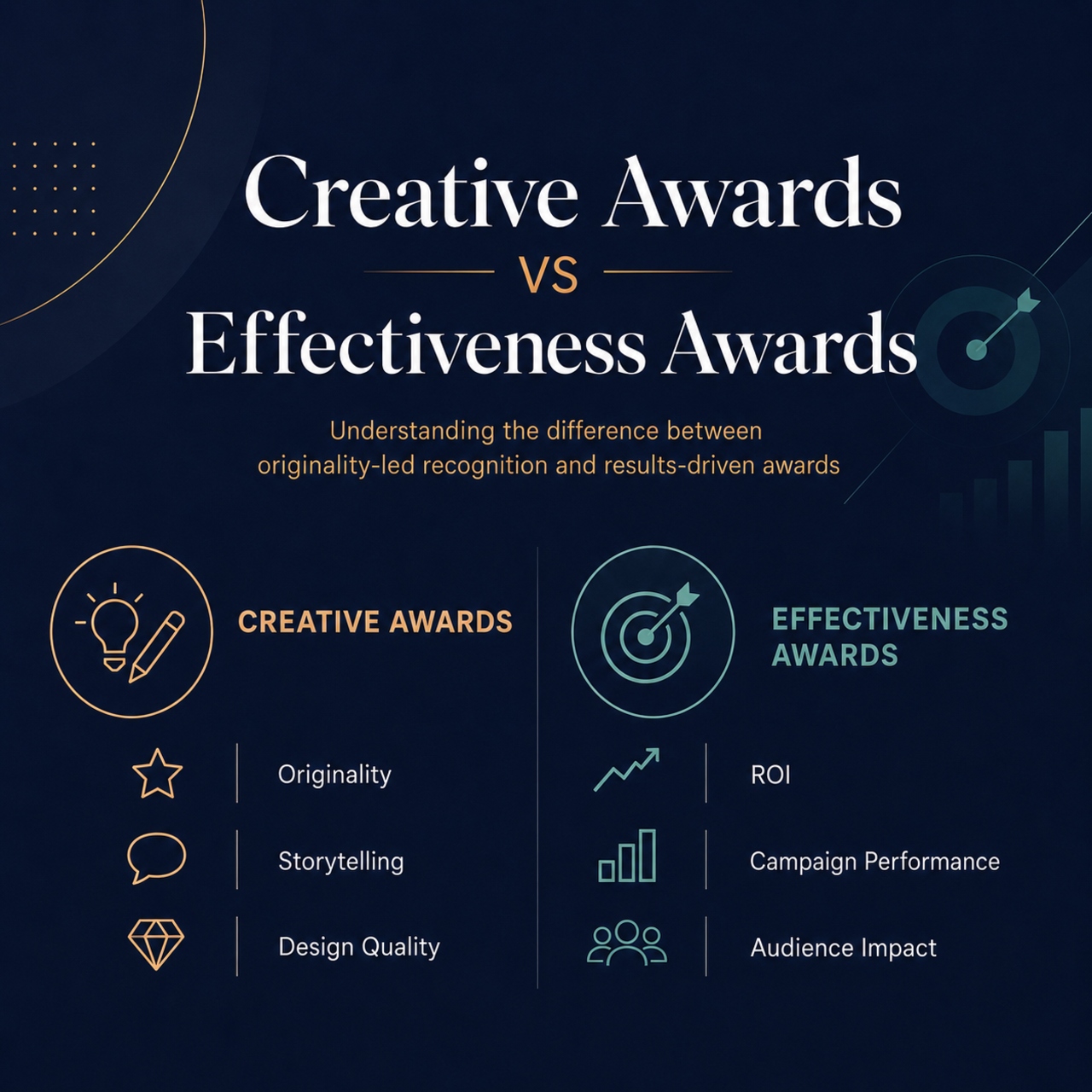
Winning is rewarding because it's recognition from people who appreciate great creative work, but for us it's also validation that the approach worked. We spend a lot of time trying to understand the challenge before we ever think about execution. When that results in something that performs well for the client and is recognized by our peers, that's meaningful. It tells us we're creating experiences that do more than capture attention. They help people understand something, engage with it, and remember it.
People are what's behind our success—both our team and our clients. It's a highly collaborative process. We bring expertise in areas like storytelling, targeting, and design, while our clients bring deep knowledge of their company, product, and buyers. When those perspectives come together, that's where the best work happens.
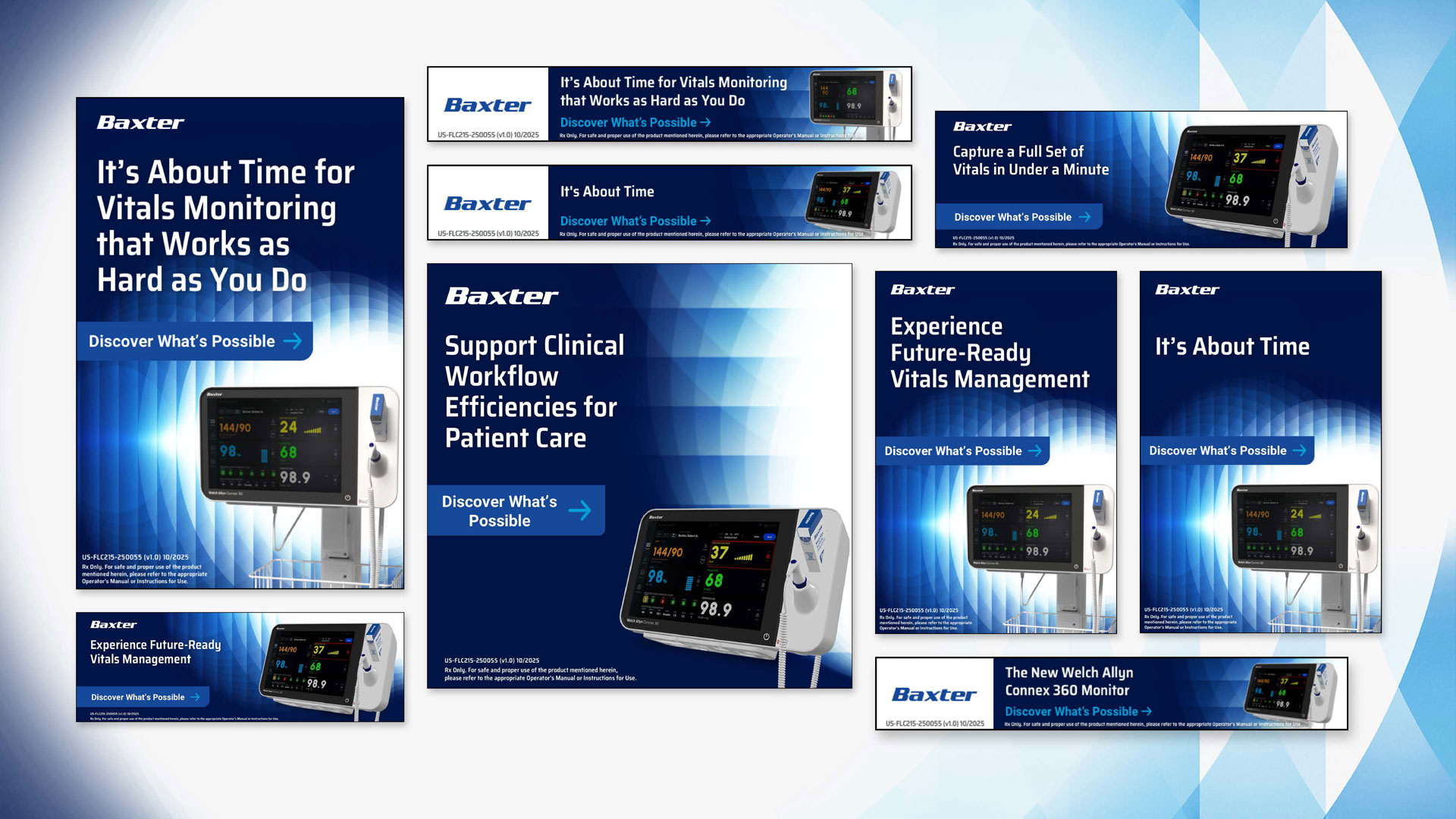
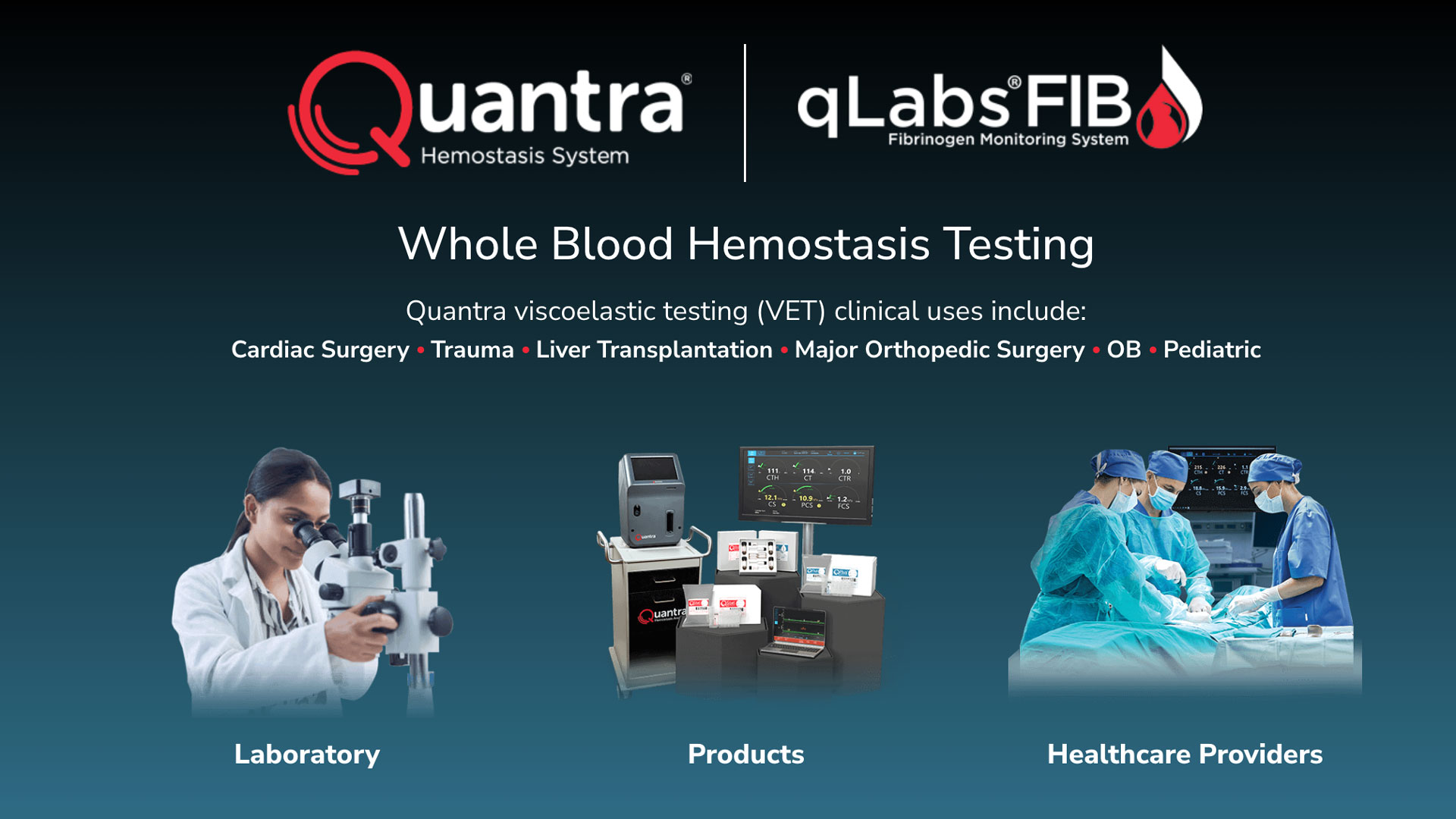
What I find interesting is that the award-winning projects were all completely different. One was a networking and productivity platform, another was a product launch campaign, another was focused on communicating a new FDA indication, and another was a podcast created for marketers. Different industries, different audiences, different challenges. But the goal is the same: create a connection that people can engage with and remember.
I think that's what it represents in today's industry. There's a lot of information competing for attention. The work that stands out isn't necessarily the loudest, but it's the work that helps people quickly understand why something matters to them.
Creativity is important, and we certainly want the work to be visually engaging, but that's never the end goal. The creative has to help communicate something, simplify something, or make it easier for someone to understand why a product or idea matters.
Another factor is that we don't separate creative from strategy. Our designers, writers, and digital strategists work together from the beginning, so the messaging, the experience, and the way the work reaches the audience are all connected. You have to understand what matters to them and create something that's both engaging and relevant.
One of the more interesting challenges actually came after the work was finished. One of the campaigns we were most proud of was for an organization that doesn't typically participate in award competitions, so we needed their approval before we could even submit it. We understood their perspective because the campaign was tied to a major product launch, their first in several years, and there were a lot of considerations beyond simply showcasing the campaign.
What made us want to pursue it was the impact the campaign had. It generated strong awareness and lead generation, but it also created excitement within the organization. Other business units saw what was possible and wanted to apply some of the same thinking to their own initiatives. To me, that's one of the best measures of success. When good work starts influencing future work, you know it made a difference.
Fortunately, they agreed to let us submit it, and it went on to receive both Gold and Silver recognition. That was certainly rewarding, but I think the bigger win was knowing the work had already accomplished what it was intended to do for the client before it ever received an award.
Awards don't win business on their own; what wins business is consistently doing good work, building strong relationships, and helping clients solve real problems and reach their goals. Awards are really a form of validation that you're on the right path.
For our team, it's rewarding because it's recognition of the thought, collaboration, and effort that goes into every project. There are a lot of talented people behind this work, both at D2 and on the client side, and it's nice to see that recognized.
As an agency, I hope this recognition gives prospective clients confidence that they're partnering with a team that cares as much about outcomes as it does about creativity. And for the individuals who contributed to these projects, I hope it's something they're proud to be associated with and that it creates new opportunities for them as their careers continue to grow.
At the end of the day, though, the biggest measure of success is when clients come back with the next challenge because they trust us to help solve it.
The reaction has been really positive. Internally, there's been a lot of excitement, and it's already gotten people thinking about what we can do next.
One that stood out to me was an internal project we entered for the first time—a video podcast that, since the beginning of the show, has featured multiple members of the D2 team sharing their expertise, as well as producers, editors, and other D2 team members behind the scenes. Seeing that be recognized was a good reminder that everyone has something valuable to contribute. Sometimes the best ideas come from simply giving people the opportunity to share what they know.
The biggest thing is to tell the whole story.
Start with the problem. What were you trying to solve? Then explain the approach—why you made the decisions you made—and finally, what happened as a result. If one of those pieces is missing, it's hard for people to really understand the value of the work. And don't underestimate the presentation. The work itself is important, but this is your opportunity to help people understand why it mattered and what difference it made.
We're closely watching AI, both the opportunities and the challenges. On one hand, it's enabling things like chatbots that can shorten buying cycles and new ways to approach search. Our clients are interested in increasing AI mentions and leveraging those opportunities to reach target audience segments online while they're consuming relevant content—those are the opportunities we want to capitalize on.
However, at the same time, the proliferation of AI is contributing to a lot of low-quality, high-volume content. "AI slop" is not something we'd recommend for any of our clients. At D2, maintaining high standards and operating with a strong sense of ethics continues to be the priority.
You don't have to enter everything. The key is finding the opportunities that make sense for the work you're doing and where your story fits best. A good entry clearly explains the challenge, the solution, and the impact.
And honestly, you just have to try. The worst thing that happens is you don't win. But you learn from the process, you get better at telling your story, and you come back stronger the next time.
None of our wins were the result of a single person. Every project is a team effort—a combination of different perspectives: strategy, creative, technology, client expertise, and the people who bring it all together. Use the people around you. Learn from them. And if there's something you don't know, find someone who does.
This recognition reflects the entire D2 Creative team and the partnerships we've built over the years, especially with Baxter, IEEE, and HemoSonics, whose projects earned this recognition.
These wins represent the kind of work we enjoy doing most—taking on complex challenges, finding the right solution, and creating something that helps people better understand and engage with a product or idea.
We're always working on something new. Right now, we're partnering with a major brand on a website launch. Hopefully, you'll see it among next year's winners.