
Design & Inspiration
How Sara (Yuxuan) Hua and Wenyu Du Created Lens and M.Lab to Inspire New Experiences

Sara (Yuxuan) Hua & Wenyu Du
Sara (Yuxuan) Hua channels curiosity and a passion for everyday stories into designs that quietly inspire empathy, while Wenyu Du blends physical products with digital interfaces to create joyful, engaging experiences—together, they brought Lens and M.Lab to life.
I deeply value the concept of temporality in my designs. I believe architecture should not be a static object frozen in time, but something that flows and evolves.
I explored this in my project 'Rock and Rose,' which is a cemetery design. For this specific typology, I wanted to simplify the architectural presence almost to the point of invisibility. Instead of imposing a heavy structure, I embedded the design into the existing landscape and ecology.
This allows the architecture to surrender to nature, changing its appearance and atmosphere with the cycle of the seasons. To me, a building is most successful when it feels like a living part of the timeline, rather than just a monument
My advice is simple: Stay foolish and stay clear-headed.
You must accept that the design process is not just about building; it is about constantly breaking and rebuilding. A great concept only emerges after you have shattered your initial ideas and reconstructed them into something stronger.
The same applies to your growth as a designer. You improve not by staying safe, but by constantly deconstructing your own knowledge and rebuilding your skills. Don't be afraid of the destruction; it is the only way to evolve.
I would choose the Japanese architect Kiyonori Kikutake, a founding figure of the Metabolism movement.
My own design philosophy focuses heavily on architectural fluidity—the idea that a building should not be static, but should adapt and flow with time. This deeply resonates with Kikutake’s Metabolist vision, which viewed cities and structures as living organisms capable of growth, renewal, and metabolic change. I would love to collaborate with him to explore how we can apply those biological principles of 'growth' to modern architecture using today's technology.
I wish they would ask: 'How do you measure the success of a project?'
My answer would be: By the feeling it evokes.
Architecture is often judged by its form or utility, but I believe the most important standard is intangible. It is about the atmosphere. When you step into a space (or look at a drawing), does it change your mood? Does it connect with you? To me, a good design is one that transcends visual logic and communicates directly with the senses.
Our Top Three Favorite Aspects of the Architecture Industry
- The opportunity to design spaces that shape people's lives and create a lasting impact on communities.
- The ability to integrate disciplines, including art, science, and technology, to address complex challenges and develop innovative solutions that balance function and aesthetics.
- Collaboration with engineers, planners, and clients, which enriches the design process and leads to holistic, interdisciplinary projects.
China’s uniqueness in the design industry stems from its rich cultural heritage combined with modern innovation. Traditional architectural typologies embody values of community, spatial hierarchy, and harmony with nature, which are creatively reinterpreted in contemporary design.
The ability to merge ancient wisdom with modern technologies to address complex design challenges makes China stand out in the realm of architecture.
In the next 5–10 years, we believe the design industry will place greater emphasis on sustainability and adaptive reuse, leveraging these practices to reduce environmental impact and preserve cultural heritage. At the same time, the integration of machine learning and AI will transform design processes, enabling smarter, data-driven decisions that enhance functionality and user experience.
These advancements will foster more personalized, efficient, and environmentally conscious solutions, shaping a future where design remains both innovative and sustainable.
Nurture curiosity and continually learn from peers. Engage actively with a community of designers, participate in workshops and forums, and stay open to new ideas and techniques. This approach will not only enhance your creativity but also deepen your understanding of diverse design philosophies and practices.
Winning Entries
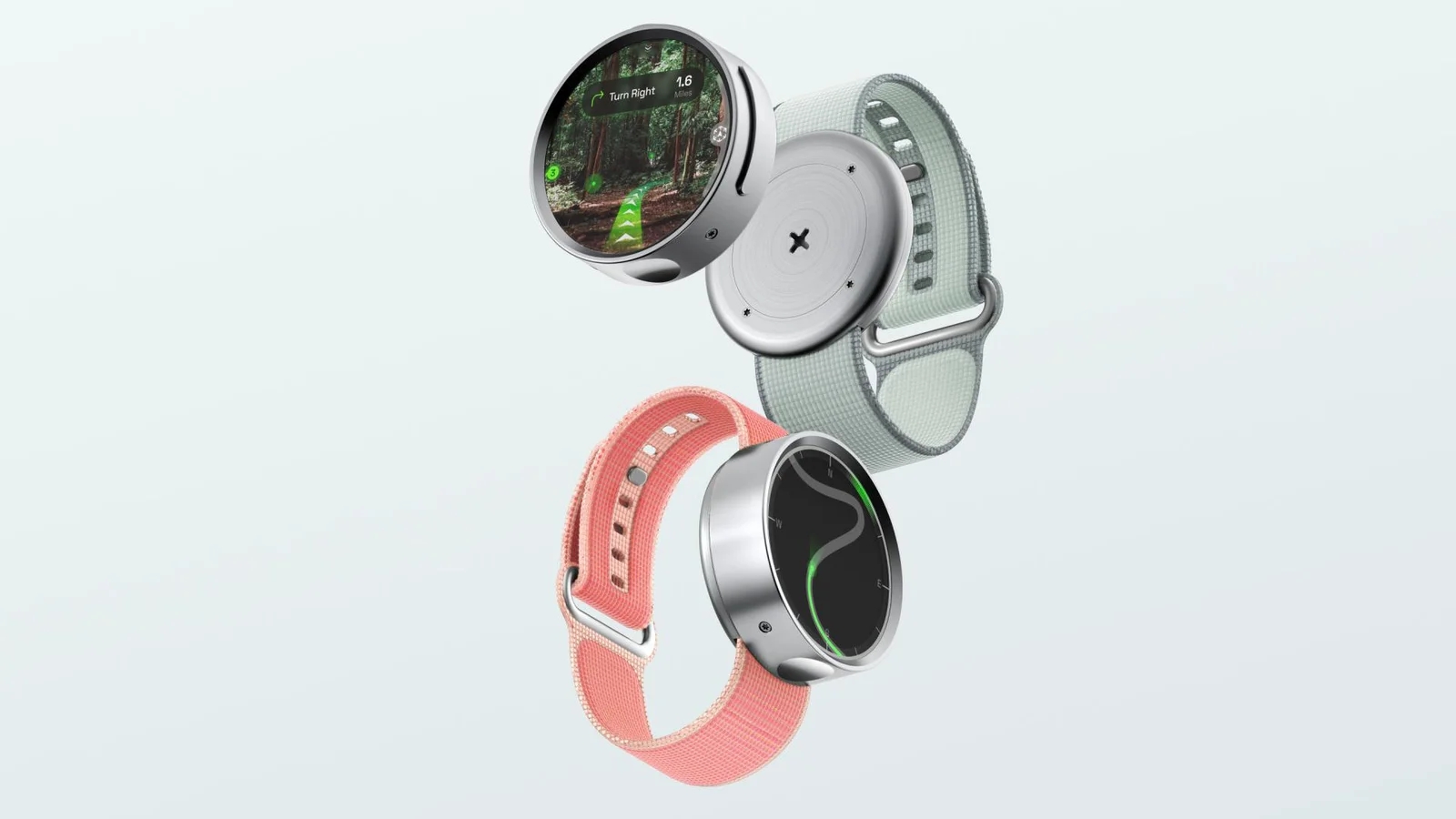
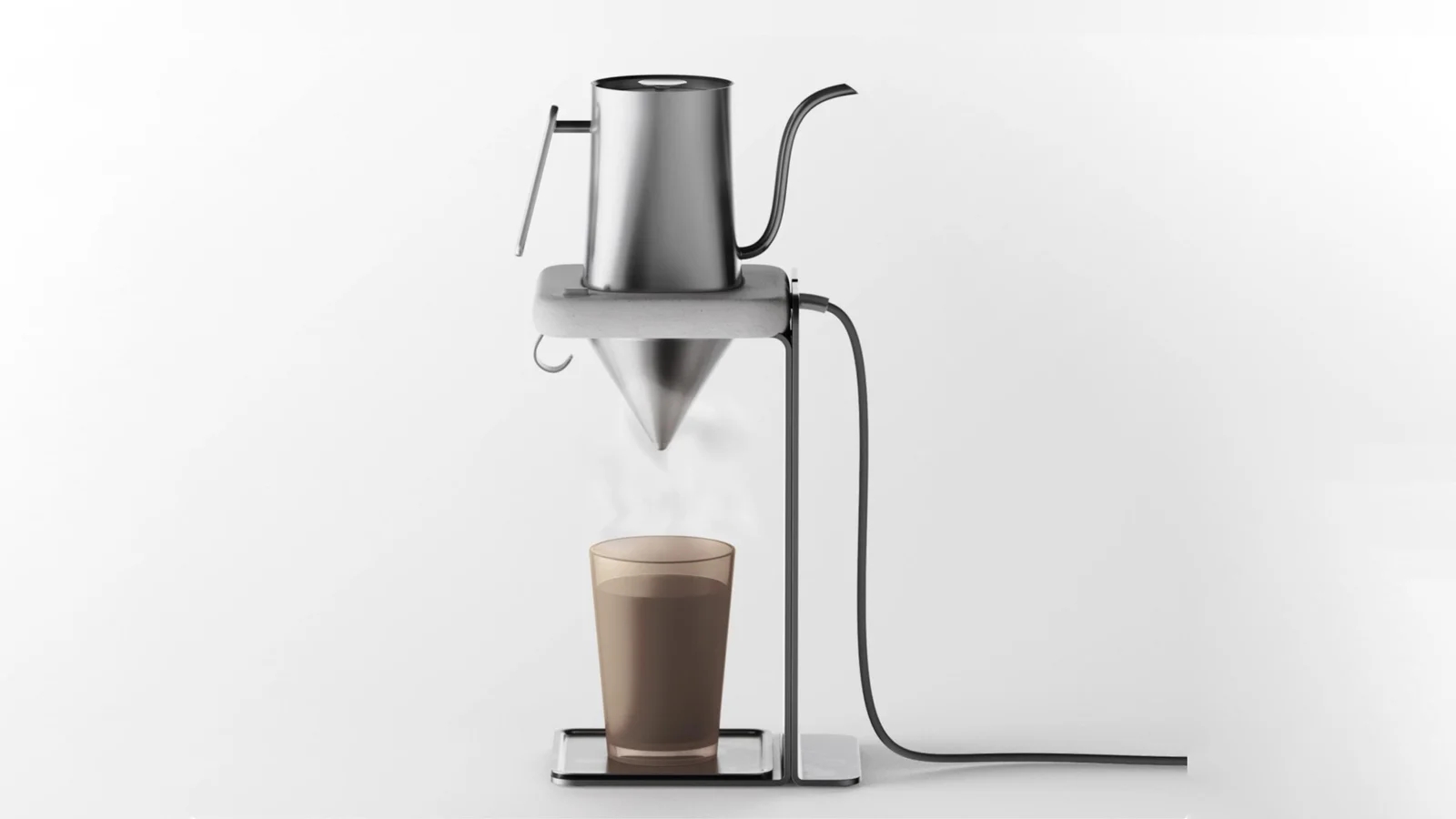
Gallery
 Hua and Wenyu Du Created Lens and M.Lab_1.jpg)
 Hua and Wenyu Du Created Lens and M.Lab_2.jpg)
 Hua and Wenyu Du Created Lens and M.Lab_3.jpg)
 Hua and Wenyu Du Created Lens and M.Lab_4.jpg)
 Hua and Wenyu Du Created Lens and M.Lab_5.jpg)
 Hua and Wenyu Du Created Lens and M.Lab_6.jpg)
Explore the journey of Grant Orbeta, the Silver Winner of the 2024 MUSE Design Awards. He’s a Philippines-based architect and Certified Passive House Designer, known for crafting sustainable homes that blend efficiency, comfort, and a deep connection to their surroundings.

Latest Posts

Maxim Hair Restoration Is Shaping a New Era of Personalized Hair Re...
SEPTEMBER 30, 2026
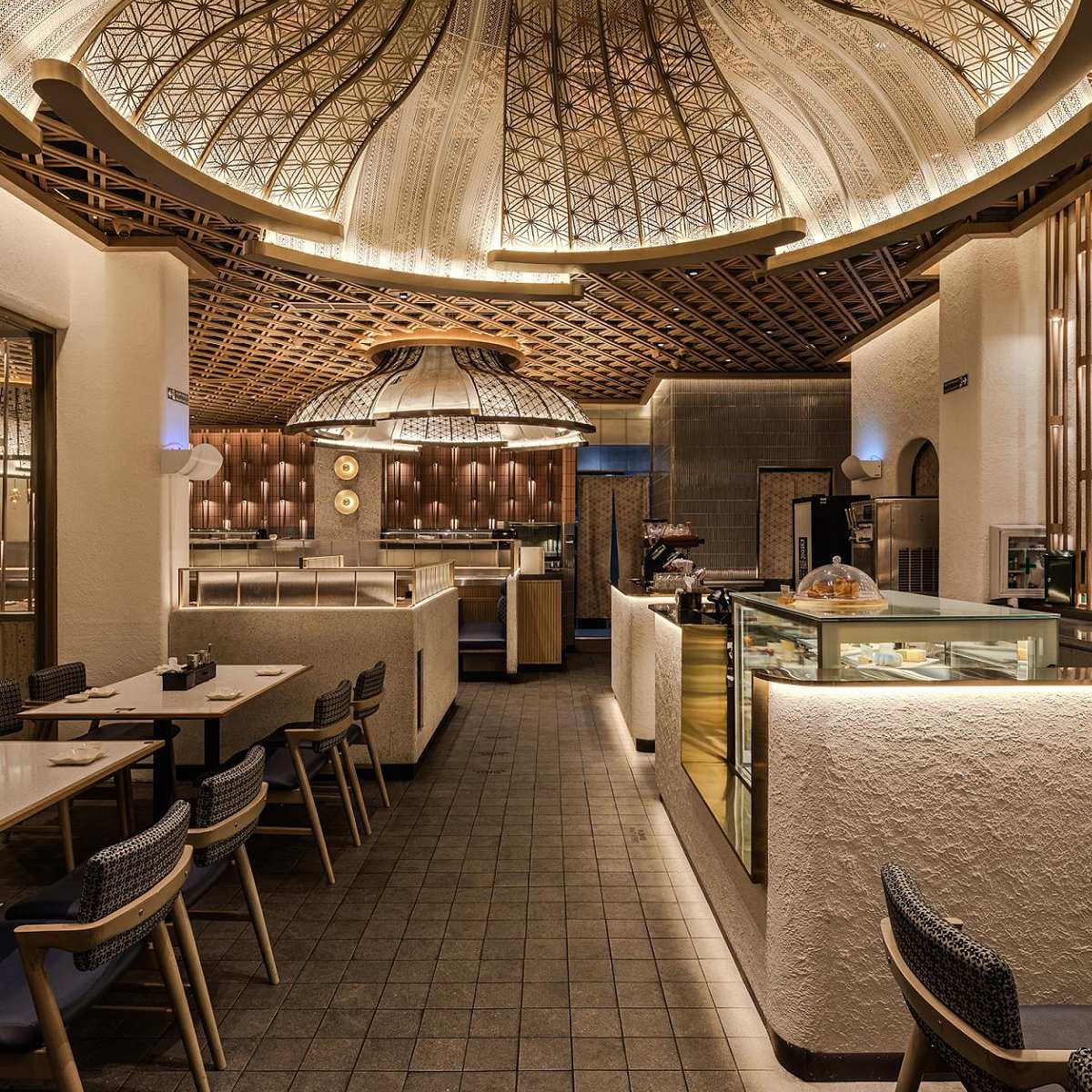
MoMo.Co.,Ltd. Creates a Refined Dining Environment for Sushi Tei Jawa
SEPTEMBER 28, 2026
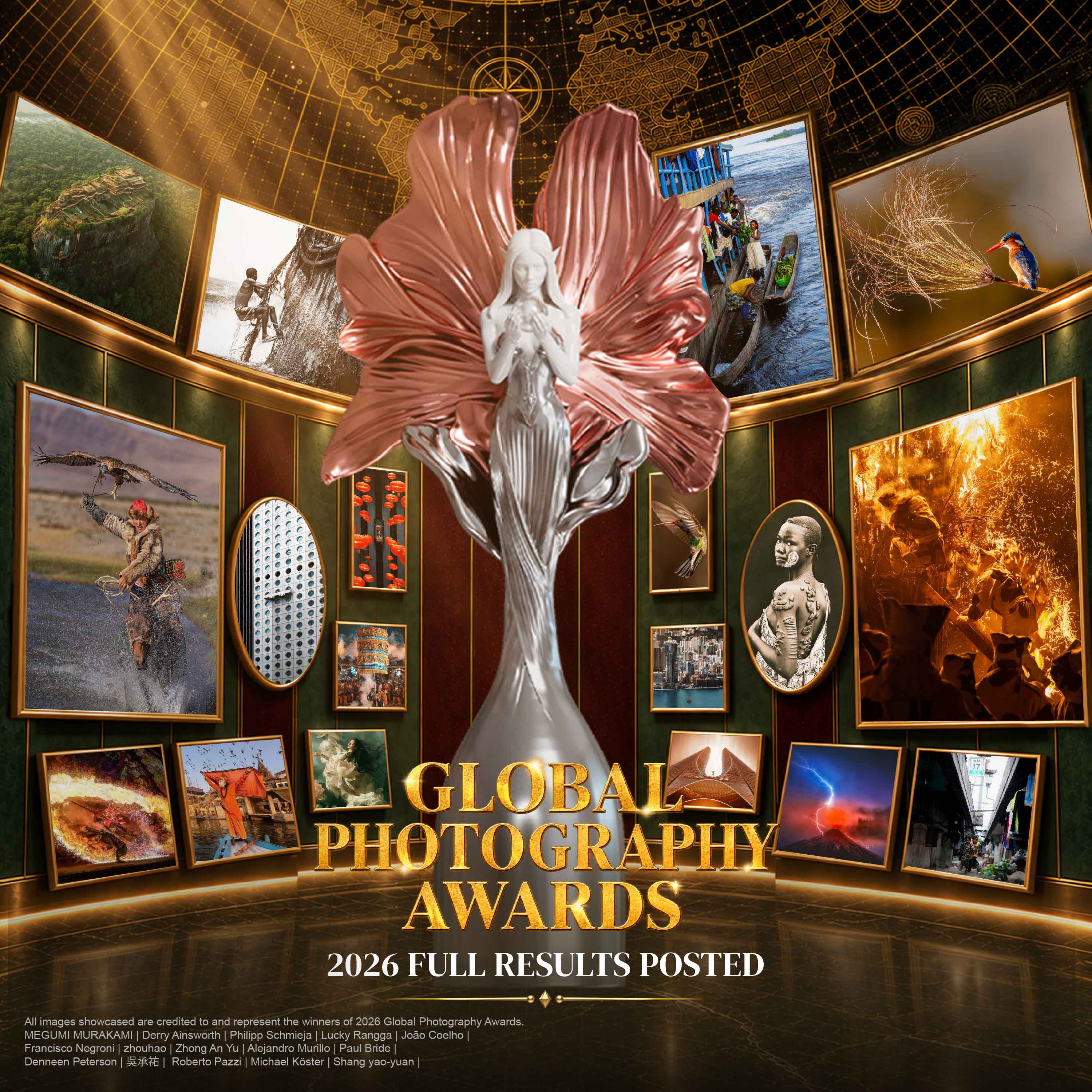
2026 Global Photography Awards Reveals Photographers of the Year an...
SEPTEMBER 25, 2026
How Many Awards Should You Enter? (Strategy Guide)
SEPTEMBER 23, 2026
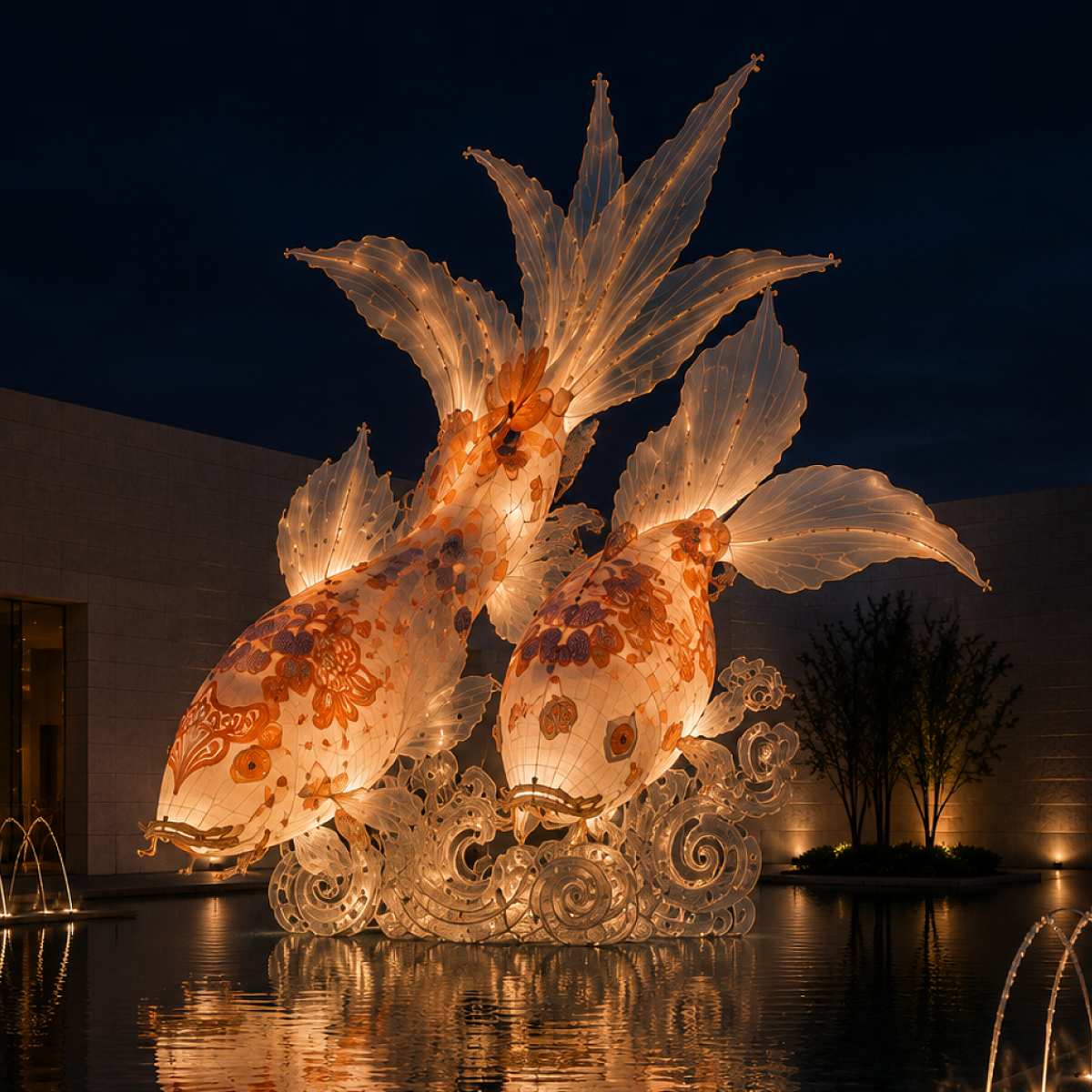
Interactive Light Installation: Before Fish Become Birds Creates a ...
SEPTEMBER 22, 2026
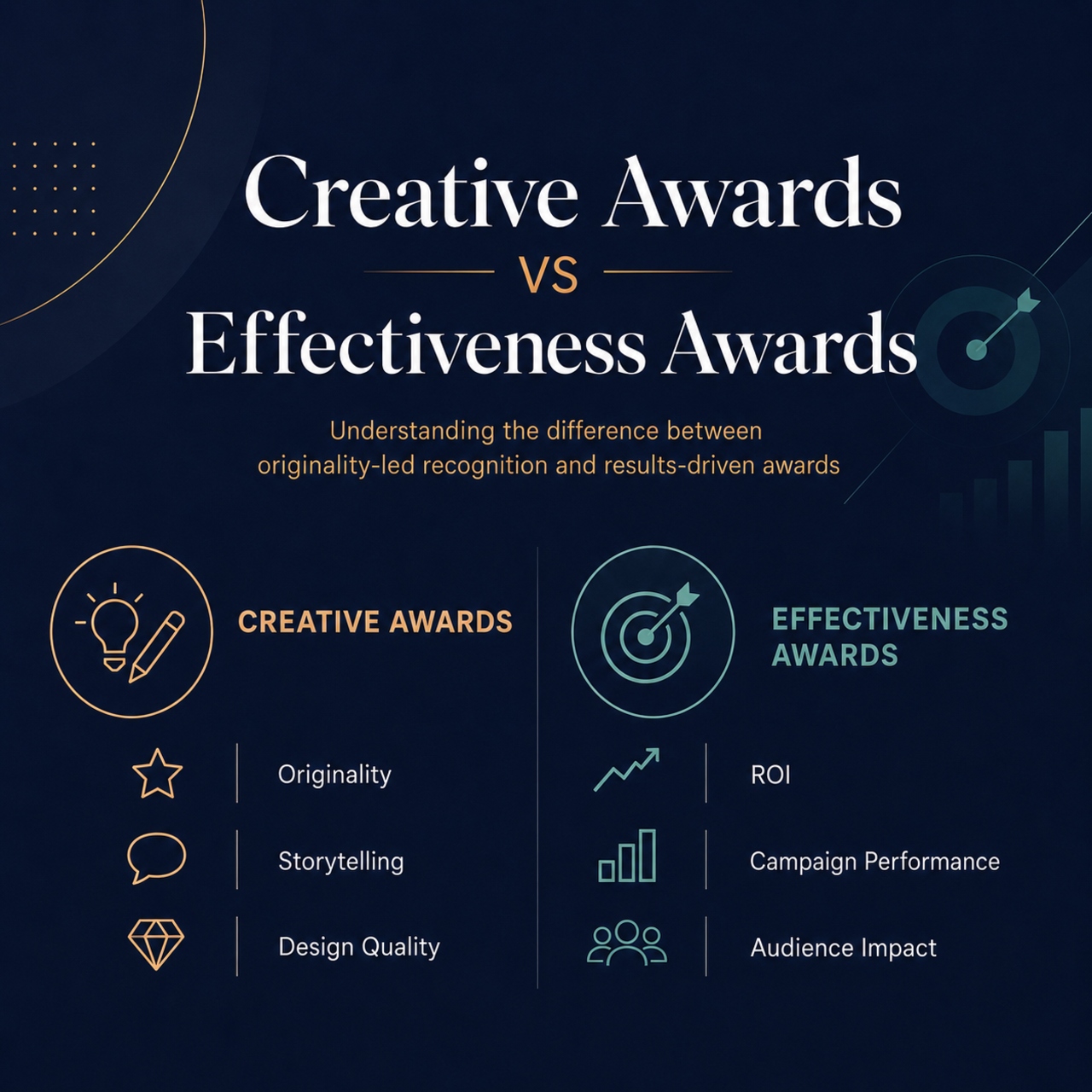
Creative vs Effectiveness Awards | Key Differences Explained
SEPTEMBER 21, 2026

Tonic DNA Brings Highmark’s (un)Hungry Community Story to Life Thro...
SEPTEMBER 17, 2026

Marketing Awards for Startups | Small Business Awards Guide
SEPTEMBER 16, 2026

National Geographic, SDRATS & CICC Capture Life at the Yellow River...
SEPTEMBER 16, 2026
2027 French Design Awards Opens Global Entries for Design Excellence
SEPTEMBER 15, 2026



IAA GLOBAL AWARDS
MUSE Awards
Vega Awards
NYX Awards
TITAN Awards
- TITAN Business Awards
- TITAN American Business Awards
- TITAN Property Awards
- TITAN Women in Business and Leadership Awards
- TITAN Health Awards
- TITAN Innovation Awards
- TITAN Brand Awards