
DESIGN COMMUNITY | Who Gets Credit for Great Design?
OCTOBER 12, 2026
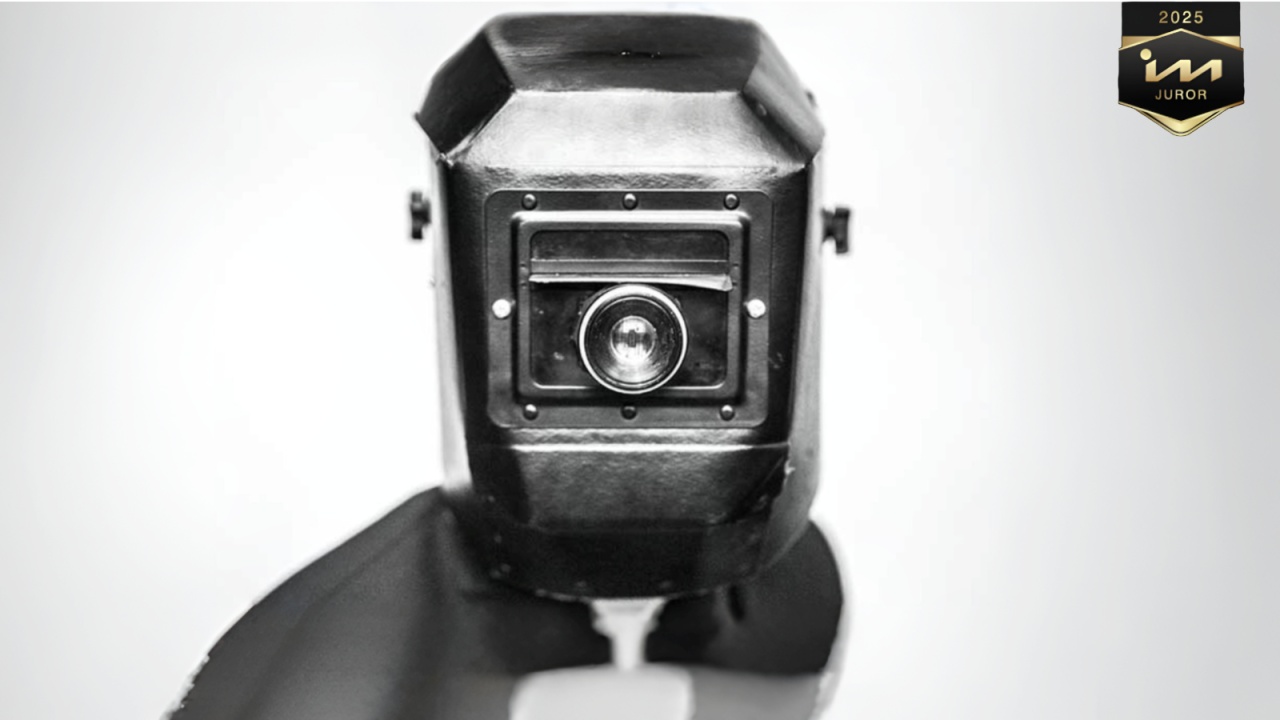
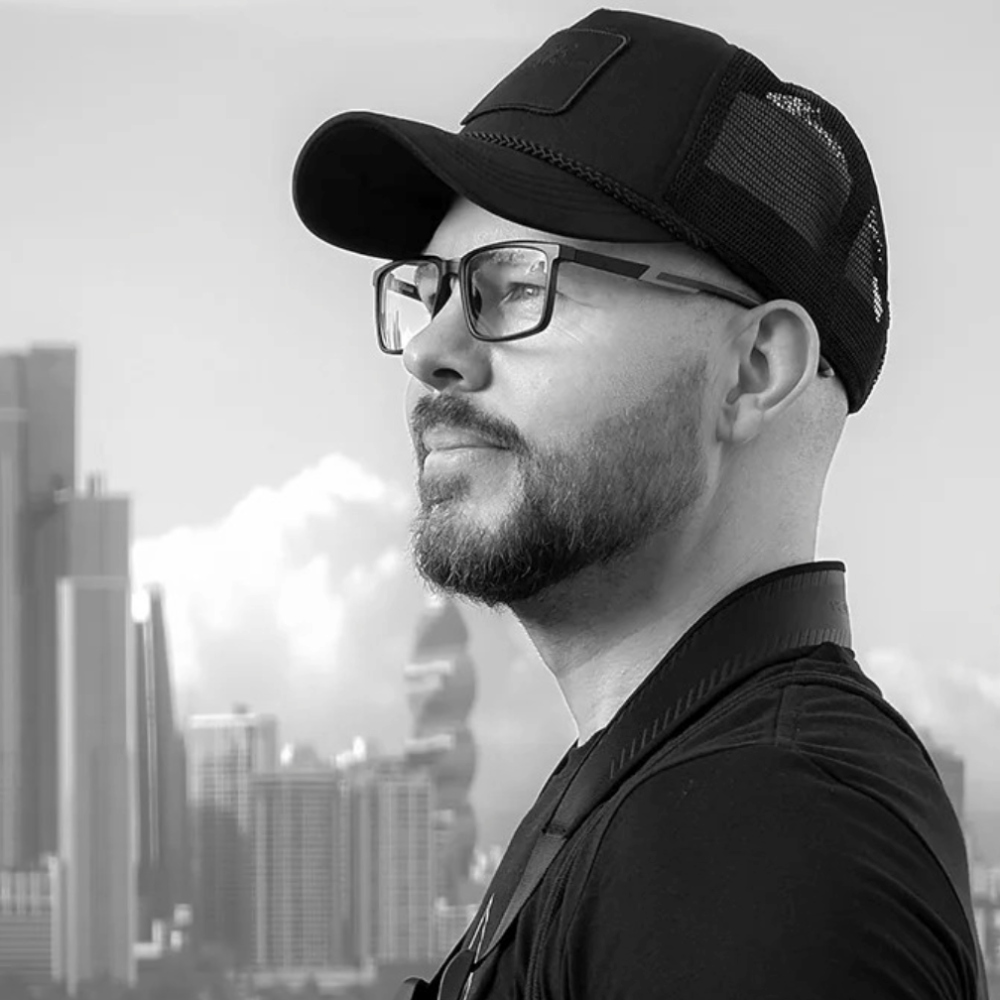
With nearly two decades of experience in advertising photography and digital art, Dawid Galinski brings both artistic insight and commercial expertise to the judging panel. His background leading large-scale photographic productions, combined with success in more than 75 international photography competitions, allows him to evaluate entries with a refined eye for creativity, technical execution, and visual impact.
I have been taking photos since 2006 and professionally since 2010. Trends and aesthetics in photography tend to come full circle and, between discovering new horizons, return to the roots. In my photography, I try to find a balance between the contemporary and the yet undiscovered, along with the knowledge that has been stabilised on the basis of experience over 20 years of my photographic journey.
As a member of the jury, my task is to find, among the thousands of entries submitted to the competition, those that stand out for their quality, innovation, but also self-awareness and sensitivity of the creator. It is not easy to decide which photos should win, because each juror's assessment is subjective - that is why more people sit on the jury so that the final result, regardless of the juror's origin, experience or perspective, is as objective as possible for the competition.
It's not possible. Each juror's opinion will be subjective in its own way. This can be easily noticed by taking part in various competitions and seeing, for example, the aesthetics of photos of each country or continent. A European, an Asian or an American will evaluate the same photograph differently.
If I personally have a problem with assessing a photograph, I take a break for coffee and a cigarette - if I come back and my attitude to the photograph has not changed or I have not discovered anything new in it, I remain with the original assessment and first impression, although sometimes I find additional tidbits or descriptions. Photography can extract an additional 120% from a photograph... and sometimes it is too complicated and can lower the assessment when someone tries to prove that there is art where there is none.
This is a tricky question, because the more photographs you look at and the more competitions you take part in or are a juror in, the less things can surprise you. "Everything has already been created in photography," as my photography mentor used to say - so sometimes when I look at competition photos, I can see exactly whose photo the author was based on. Sometimes I would rather experience and discover photography anew - so it is refreshing, contrary to appearances, not to go to the galleries of contemporary artists, but to look for classics among the roots in museums and art galleries.
Everyone has their own individual way of assessing. Most of the grades I give range from 3-8, which may seem quite brutal, but I mainly separate technically poor photos, those with secondary ideas, and those that, in my opinion, should not appear in the competition at all, from those which are good, but not memorable, to those that stand out due to their idea, execution technique and description. In the end, almost 90% of the other judges' picks match my picks, so I guess it's fair.
Nowadays, people are trying to smuggle photos fully digitally generated by AI into photography competitions, which is simply a scam. Moreover, as technology progresses, the percentage of technically better but conceptually weak photos increases, so you can certainly quote Ansel Adams from several decades ago, which is still relevant: "There is nothing worse than a sharp image of a fuzzy concept".
Photography is, above all, finding and capturing something that cannot be described in words. Otherwise, no photo is needed.
Avoid new competitions, don't get excited about awards (specially honorable mentions - it's supposed to give you motivation to raise the bar, not rest on their laurels), you should only take part in the prestigious ones. I took part in over 200 different photography competitions, I encountered many disappointments, but several competitions helped me greatly to spread my wings - it is worth going to award ceremonies and keeping in touch with other winners - you can learn the most from them (and collaborate).
When I had doubts about selecting my photos to win competitions, I asked last year's winners what to change. It turned out that minor cosmetic improvements allowed me to place among the top, thanks to the advice of colleagues with more experience. They gave me more than any photographic workshops I had for years.
Unfortunately, yes, but I will disappoint the readers: it is visible at first glance. It's a bit like getting punched in the face.
I don't like to judge photography in which I don't specialise or can't say anything or defend my assessment - wedding photography, wildlife and landscapes - these are genres that I don't understand and am far from. I can't judge anything except whether the photograph appeals to me or not. And in my opinion, this is not enough to take responsibility for assessing such photos.
The rating is 1-10. I divide the rating in half - from 1-5, I evaluate technical values, the second 1-5 is devoted to creativity, history and general impression. It's simple.
I am glad that a photography competition has appeared on the market, run by people who show mutual respect and avoid dirty politics. Having some bad experience in other competitions (well knowing if you take pictures for long enough), which for obvious reasons I will not mention publicly - I can say with full awareness that the IAA Awards Program have one of my favourite photography competitions and as the most important - honest ones.
Juror Profile
2025 IAA Juror
European Photography Awards, New York Photography Awards, Global Photography Awards
────────────────────────────Read Inside the IAA Jury Room: The Role of Branding in Business Success Shared by Shadi Al Hroub, a multi-award jury member of the International Awards Associate (IAA), by clicking this link here.