
International vs Local Awards | Which Is Better for Marketing?
OCTOBER 14, 2026
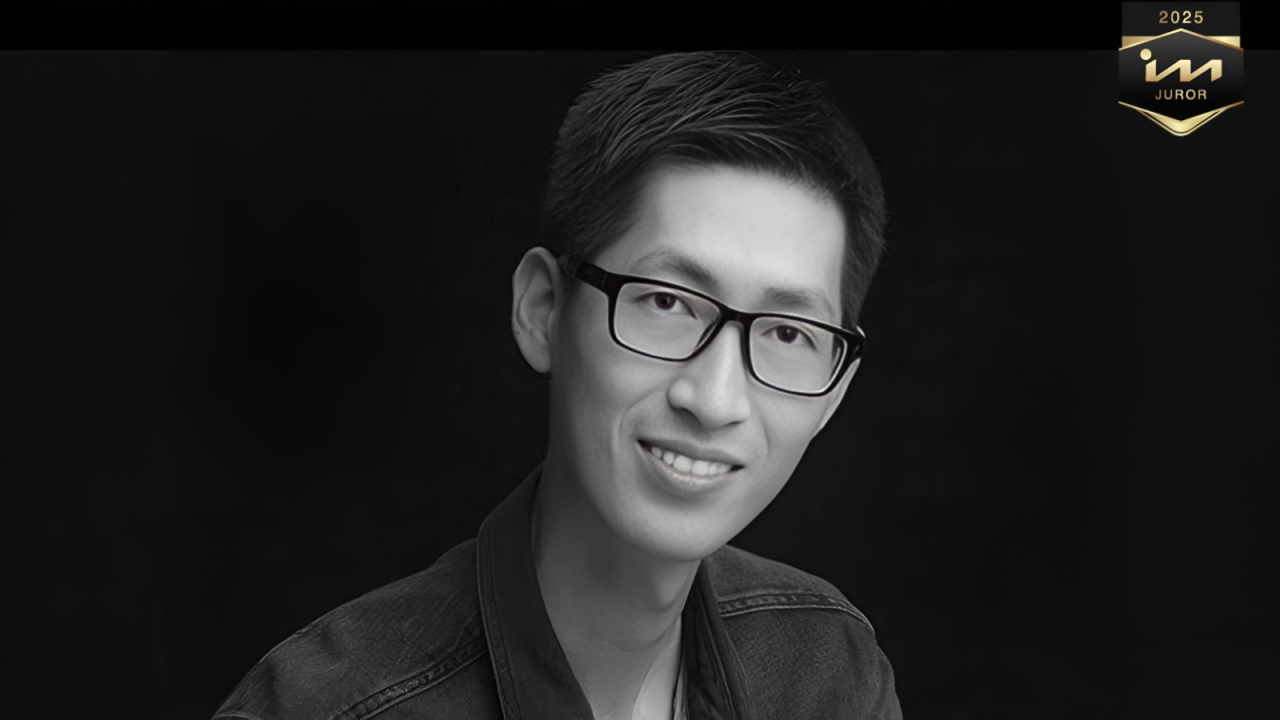
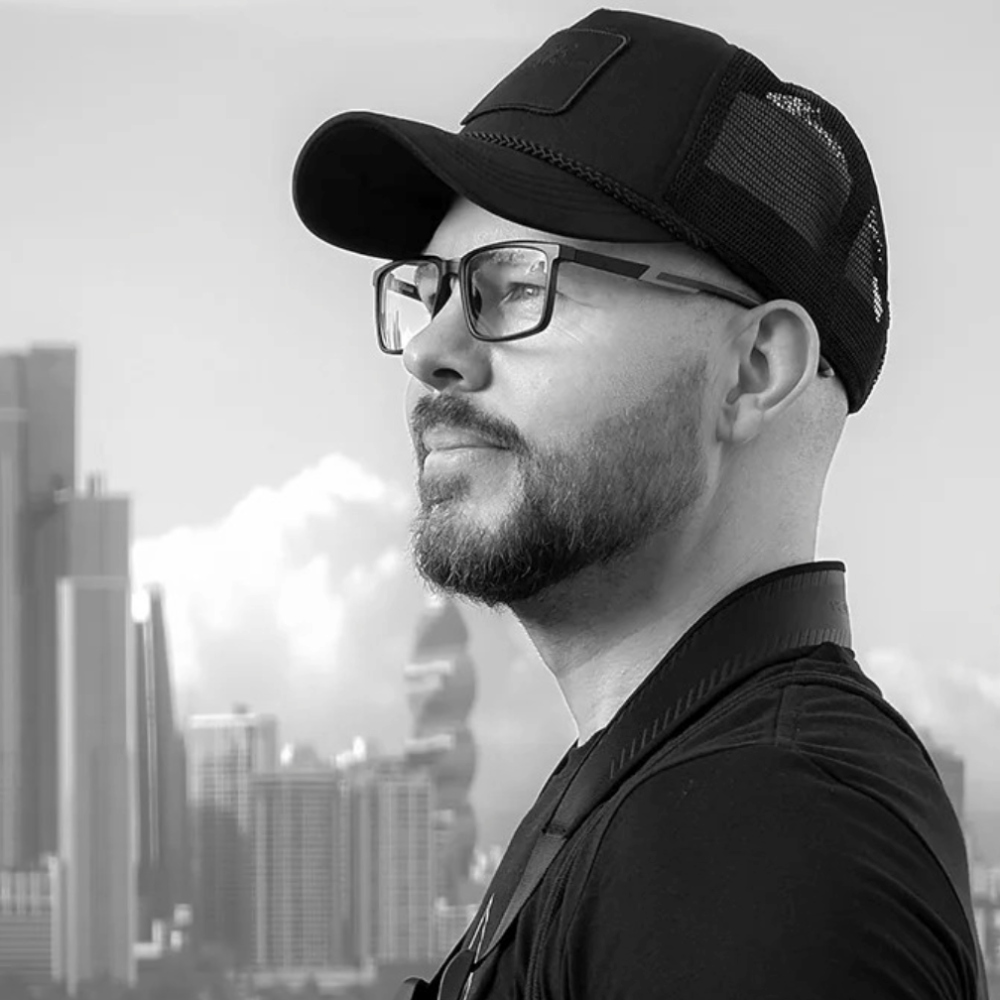
As a photographer, filmmaker, and multimedia producer, Benny Lau has earned international recognition through award-winning photography and films showcased at renowned festivals worldwide. His multidisciplinary background enables him to evaluate creative work from both artistic and technical perspectives, contributing thoughtful insight and a contemporary outlook to the jury panel.
I am a visual creator based in Hong Kong. I have many years of experience working as a commercial photographer and short film director, providing various audiovisual production services for corporate institutions and private clients. Since 2017, I have dedicated all my energy and resources to developing mobile photography and short film production education.
I became the first full-time instructor in Hong Kong to teach mobile shooting. Over the past 9 years, my teaching team has collaborated with more than 100 Hong Kong organizations to promote mobile photography and filmmaking culture, engaging over 8,000 students in our workshops.
When evaluating award-winning works, what I value most is the creativity of the piece and the overall level of shooting technique. In my view, creativity is one of the core elements that sets a photographic work apart from the crowd. Of course, whether a photographer has mastered various shooting and image production techniques to effectively present the work is also a key factor of a great piece.
All works are scored anonymously, so I do not know whose work I am evaluating while grading. This is the primary condition for fairness and impartiality established by the photography competition platform. Additionally, I use a few personal techniques to make my scoring more objective. For instance, I will score entries across several consecutive days without interruption, thereby keeping myself in the same state of analytical evaluation.
My experience serving as a juror over these years has had a major impact on my own photography philosophy. First, the judging work exposes me to a massive volume of outstanding competition entries, scoring these pieces has sparked deeper reflections on the art of photography. Second, to make myself a more qualified juror, I have read many books on visual arts and critique over the last few years. You could say that the process of judging has simultaneously driven my own self-improvement in photography.
This is a very practical question. In years with a higher volume of entries, a substantial amount of time must indeed be spent on judging work. The first technique I use is to purchase a larger screen to browse the competition photos, which allows me to see the content and details of the images more quickly and clearly. The second technique is to grade with an intense level of mental focus, taking a 10-minute break every hour to ensure I remain energized while scoring.
During my time serving as a juror over the past few years, two trends have been very prominent. First, there are significantly more mobile photography entries, which I believe is closely related to the rapid development of smartphone camera technology in recent years. Second, there is an increasing number of entries using AI-generated imagery, which has also been a very hotly debated topic over the past two or three years.
In my view, the development trends of these two phenomena have had a massive impact on the entire development of photographic art, and we are currently standing at the watershed of this major transformation.
If a photograph is being published as a photographer's artwork, I believe the ability to evoke emotional resonance or convey a story is very important.
However, for a photograph entered into a competition, the competition platform has already established various rules and criteria for scoring from the outset. Emotional resonance or storytelling might just be two of the scoring items, with a clearly defined proportion of the total score.
As jurors, we also grade based on these specific requirements. Therefore, whether these two elements are highly important depends entirely on the evaluation criteria set by the competition platform.
Photographers can browse outstanding winning works from previous years and mindfully analyze what makes them extraordinary; I believe this can provide excellent inspiration. Additionally, reading more photobooks by renowned photographers can stimulate deeper thinking about photography. I am confident that doing both of these things will be incredibly helpful in elevating the standard of one's photographic work.
Based on my observations, winning works usually encompass a variety of outstanding qualities, rather than triumphing based on a single factor alone. Therefore, if a photographer wishes to give their work a greater chance of winning, the piece needs to demonstrate a high-level performance across all aspects simultaneously - including composition, lighting, subject matter, and creativity. Only then will it have the opportunity to stand out among a sea of outstanding entries.
I find scoring AI-generated photographic works to be particularly challenging. One reason is that the technical evolution of AI imagery is moving incredibly fast, and there are still many uncertain factors regarding what kind of AI photo truly qualifies as an outstanding piece.
Because of this, I also personally try out various AI software to create images, gaining a firsthand understanding of the relevant technologies and characteristics. This has proven to be highly beneficial to my work as a juror.
I haven't encountered too much difficulty in this regard. Because both technical and creative elements have their own respective scoring arrangements on the evaluation sheet, the issue is easily resolved simply by evaluating each specific item.
What needs to be emphasized, however, is that many participants come from professional photography backgrounds and generally possess quite excellent photo shooting techniques. Therefore, creativity or innovation is usually the decisive factor that determines the winning entry.
Being invited to serve as a jury member for an international competition like the Global Photography Awards is something that makes me feel deeply honored and accomplished.
Being able to apply my years of photographic knowledge and experience to evaluate spectacular works from photographers worldwide - and thereby nurture more talent in the photography industry - perfectly aligns with my philosophy of serving as a photography instructor in Hong Kong over all these years. This makes the entire process both enjoyable and deeply fulfilling.
Juror Profile
2025 IAA Juror
MUSE Photography Awards, Global Photography Awards, London Photography Awards, and European Photography Awards
────────────────────────────Read Inside the IAA Jury Room: Maria Chatzistavrou Reveals What Sets Winning Interiors Apart, a design jury member of the International Awards Associate (IAA), by clicking this link.