
Creative vs Effectiveness Awards | Key Differences Explained
SEPTEMBER 21, 2026
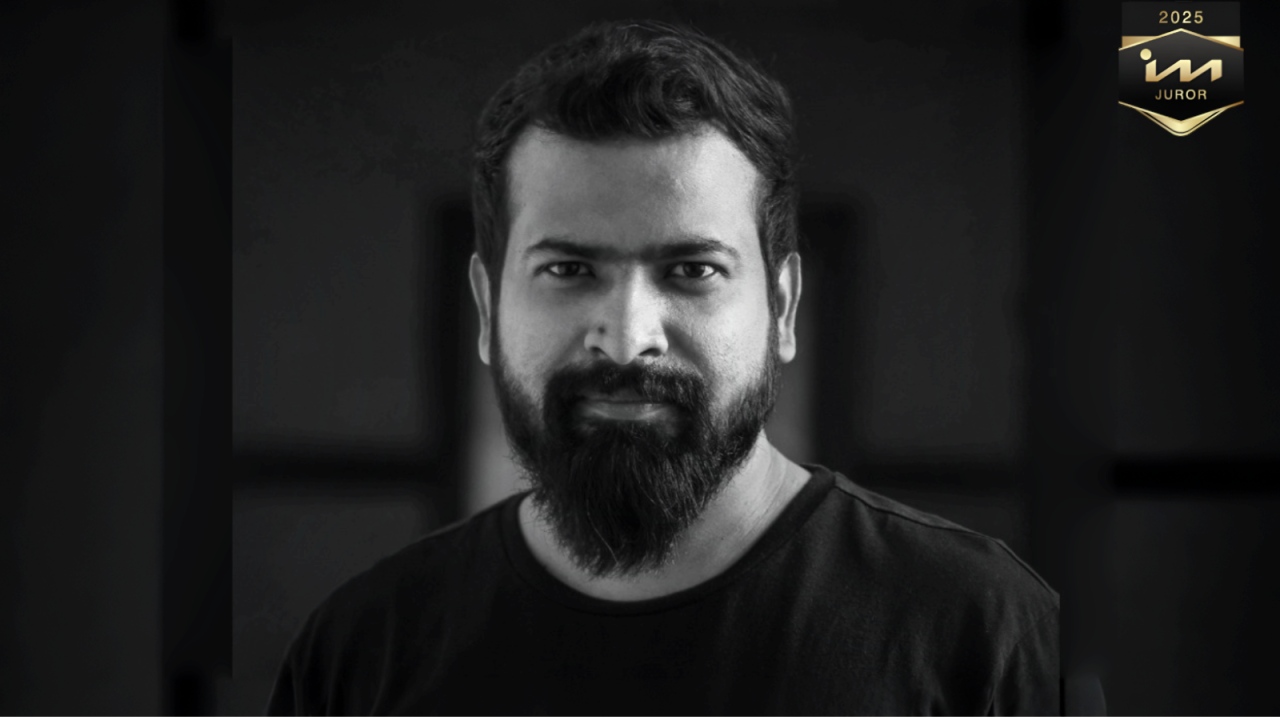
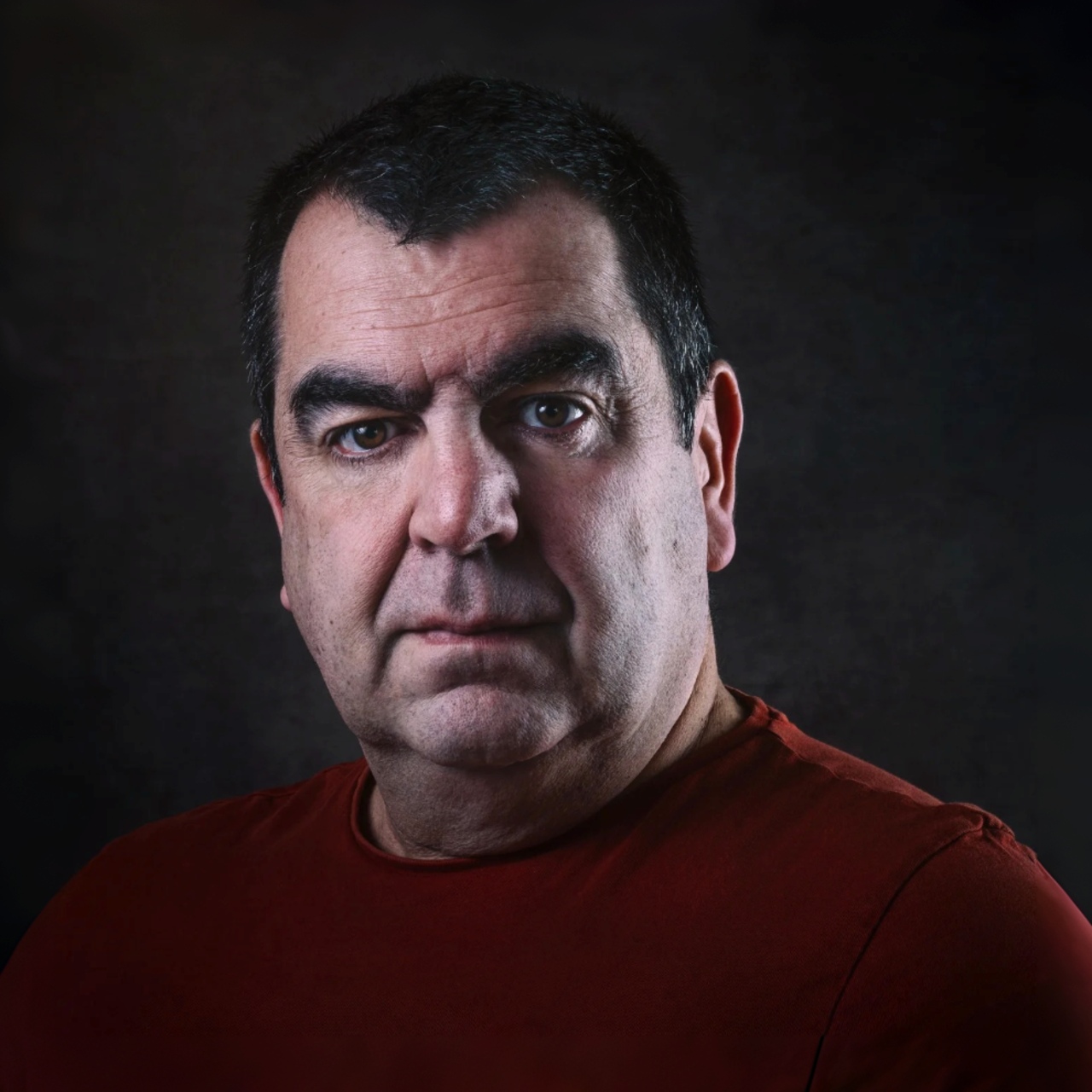
Jai Thakur is a photographer from India whose work examines the intersection of social issues and personal narratives through compelling visual storytelling. With experience judging photography competitions at both national and international levels, he brings a thoughtful perspective that values artistic expression, contextual depth, and the aesthetic qualities of work across emerging and professional photographers.
I am an independent photographer from India, and my work explores the intersection of societal issues and personal narratives, examining how the two shape and influence one another. My efforts to raise awareness about river conservation were recognized with the 'Water Hero' award from the Government of India, and I was featured in the Amazon MX Player web series Express Yourself.
I received a Sahapedia grant for documenting Delhi's potter community and was a finalist at the POY Asia Awards for my ongoing project on acid attack survivors. I am represented by ZUMA Press and am a member of Diversify Photo and FairPicture. I have also completed the Foundry Photojournalism Workshop conducted by the VII Foundation and PhotoWings.
At present, I am working on Parallel Life, a deeply personal photographic diary that reflects on living with chronic migraine. Alongside it, I am developing two long-term non-fiction film projects focused on acid attack survivors in India and the Yamuna River. My work has been published and featured by organizations and publications including Picture of the Year Asia, National Geographic, Better Photography, India Today, Dainik Jagran, Millennium Post, Dainik Bhaskar, Dodho Magazine, Indian Photo Arts Magazine, India Times, etc.
For me, as a regular practitioner of this form of art, a photograph needs to do more than be visually impressive it should make me pause, think, or feel something. Technical excellence is important, but it is never enough on its own. I look for authenticity, intention, and whether the photographer has brought a perspective that only they could have offered.
In documentary photography, especially, I pay close attention to honesty and depth. Does the image respect its subject? Does it reveal something meaningful beyond the obvious? Is there evidence that the photographer has spent time understanding the story rather than simply witnessing a moment?
I try to judge every entry against the competition's criteria rather than against my own aesthetic. Every genre, style, and approach deserves to be evaluated on its own merits. An intimate, quiet documentary image shouldn't be disadvantaged because it isn't visually dramatic, just as a technically perfect photograph shouldn't be rewarded if it lacks substance. Also, I don’t judge a few categories like High-end Fashion Images or Nude categories and pass it for other judges to judge, as this would be unfair to the participant.
Serving on jury panels has made me a more thoughtful photographer. When you review hundreds or even thousands of photographs, you begin to notice what truly lasts beyond the first impression. Also, the judging has made me more self-critical in a positive way.
Before adding an image to a project, I often ask myself: Does this photograph genuinely add something to the story? Does it say something that hasn't already been said? That mindset has helped me edit my work more carefully and focus on making photographs that are meaningful rather than merely visually striking.
Oh, this is simple - I begin with a quick first pass to identify images that immediately meet the competition's standards. In subsequent rounds, I spend more time evaluating storytelling, originality, technical execution, and emotional impact.
Many photographers are moving beyond single, dramatic images to explore identity, mental health, climate change, migration, and community through sustained projects. I appreciate photographers who spend time with themselves.
This is very subjective, so I refrain from commenting on this.
My single cent would be to focus on making meaningful work rather than making award-winning photographs. Understand the story you're telling, and edit your submissions carefully, often, selecting the right images is as important as creating them. Every competition is subjective, but consistent, honest storytelling will always have lasting value.
Yes, other than the writing (headline and description), the strongest photographs usually combine these elements with a connection to the story or have emotional depth.
As a documentary photographer, I naturally feel most comfortable evaluating documentary, photojournalism, street, travel, and human-interest photography, where storytelling, ethics, and authenticity are central. These are genres I work in extensively, so I can assess both the narrative and the intent behind the images.
On the other hand, categories such as high-end fashion and fine-art nude photography require a different set of creative and technical considerations. While I appreciate the craft involved, I don't consider it my area of expertise. In jury panels, I believe it's important to recognize those boundaries and rely on fellow jurors who specialize in those genres to provide deeper insight. A strong judging process benefits from diverse expertise, and respecting each juror's strengths ultimately leads to fairer and more balanced decisions.
I see technical excellence as a tool, not the destination. A photograph should be well-executed, but technical perfection alone doesn't make it memorable. I place equal, if not greater, importance on creativity, originality, and the story an image tells. If a photograph offers a fresh perspective, evokes emotion, or communicates something meaningful, it can be far more powerful than a technically flawless image.
The most rewarding aspect is discovering new voices and witnessing the incredible diversity of photographic storytelling from around the world, and the continuous response from the IAA coordination and support team, so kudos to them, cheers!
Juror Profile
2025 IAA Juror
New York Photography Awards, London Photography Awards, MUSE Photography Awards, European Photography Awards and Global Photography Awards
────────────────────────────Read Inside the IAA Jury Room: Yvan Bedard Discusses Artistic Vision, Judging, and Creative Integrity, a professor, photographer and jury member of the International Awards Associate (IAA) through this interview.