
How Awards Build Personal Brand | Marketing Awards Benefits
OCTOBER 7, 2026

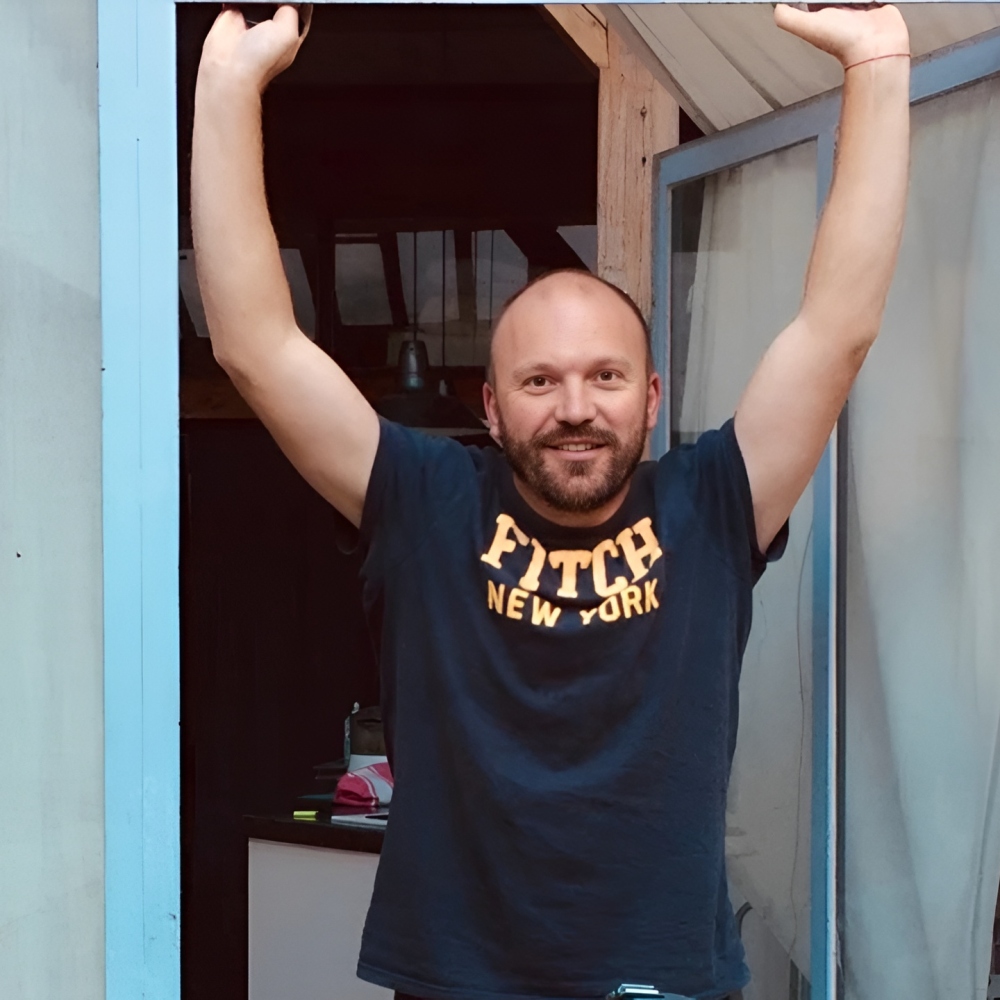
As founder and CEO of Ravenopus and Fear-me-not, Linara Bozieva brings over fifteen years of experience in digital growth, analytics, and innovation to the jury panel, evaluating work through a discerning lens that balances creative excellence, strategic thinking, and measurable impact.
I am an AI-native business executive with more than fifteen years of international experience in digital growth, marketing, and analytics. I am the founder and CEO of Ravenopus, an AI-native growth agency that runs the full marketing and go-to-market cycle, from strategy to execution, and the founder and CEO of Fear-me-not, a children's wellness venture.
Earlier in my career, I led analytics and go-to-market work at eBay and served as a Senior Industry Analyst at Google. My corner of the digital industry sits where craft meets measurable outcomes: campaigns, brand experiences, and products that are not only well made but genuinely effective. That intersection of creativity and performance is the lens I bring to everything I evaluate.
I have had the privilege of serving on the NY Digital Awards jury in recent cycles. What drew me to the role is simple: I have spent my career building digital products and campaigns under real-world constraints, and judging is a way to give back to the industry that shaped me.
There is something uniquely rewarding about evaluating exceptional work outside the pressure of your own deadlines. It sharpens your perspective, exposes you to ideas you might never have encountered otherwise, and provides an opportunity to recognize truly original work—one of the most meaningful ways professionals can support and celebrate one another.
I look first at the idea: is it original, or simply a well-executed version of something familiar? Then I consider the craft—the discipline, care, and attention evident in how the work was created. In digital work, however, creativity alone is not enough. I ask whether the idea solves a real problem for a real audience and whether the execution genuinely supports that purpose rather than merely embellishing it.
The strongest entries balance three qualities at once: originality, exceptional craft, and meaningful impact. Work that is clever but lacks purpose, or effective but derivative, rarely rises to the top.
I evaluate every entry against the published criteria rather than my personal preferences, focusing on the work itself rather than the reputation behind it. Each submission is assessed on its own merits and within the context of its category, whether it comes from a small team or a global organization.
When I recognize a personal bias forming—toward a style I favor or away from one I do not—I consciously return to the judging criteria. Consistency and objectivity are essential to ensuring a fair evaluation.
Discovering work I might never have encountered otherwise and knowing that recognition can make a meaningful difference in someone's career. Early validation can provide emerging talent and small teams with the confidence and credibility to keep moving forward.
I also value what the work itself teaches me. Reviewing a diverse range of entries continually refines my understanding of excellence and raises my own standards. The most rewarding moments are the ones that make me stop, look again, and think, I wish I had created that.
The hardest decisions are rarely between a strong entry and a weak one; they are between two exceptional entries that excel in different ways. A recurring challenge is weighing flawless execution against bold ambition. My instinct is to reward work that takes meaningful risks and largely succeeds, because innovation is what ultimately moves an industry forward.
When a decision is particularly close, I return to the judging criteria, placing the greatest emphasis on originality and impact. A clear rationale is always more valuable than a comfortable compromise.
I learn by building. Running an AI-native agency means I am constantly working with new tools, technologies, and channels, so my knowledge stays current through practice rather than theory. Beyond that, I read widely across digital, design, and technology, follow practitioners doing the most interesting work, and pay close attention to how audiences respond.
Judging is also one of my most valuable sources of learning. A season of entries provides an honest snapshot of where the industry is heading, often before emerging trends have even been named.
Lead with the idea, not the production value. Judges see plenty of polished work, but the entries that stand out are those built around a clear and original concept. Explain the problem you set out to solve and the results you achieved, because context and impact transform a good entry into a compelling one.
Be honest about the scope of your work rather than overstating it, as authenticity is immediately recognizable. Just as importantly, pay attention to how you present your submission. A well-organized and clearly written entry reflects the same level of discipline and care that went into the work itself. Make it easy for judges to understand why your work matters.
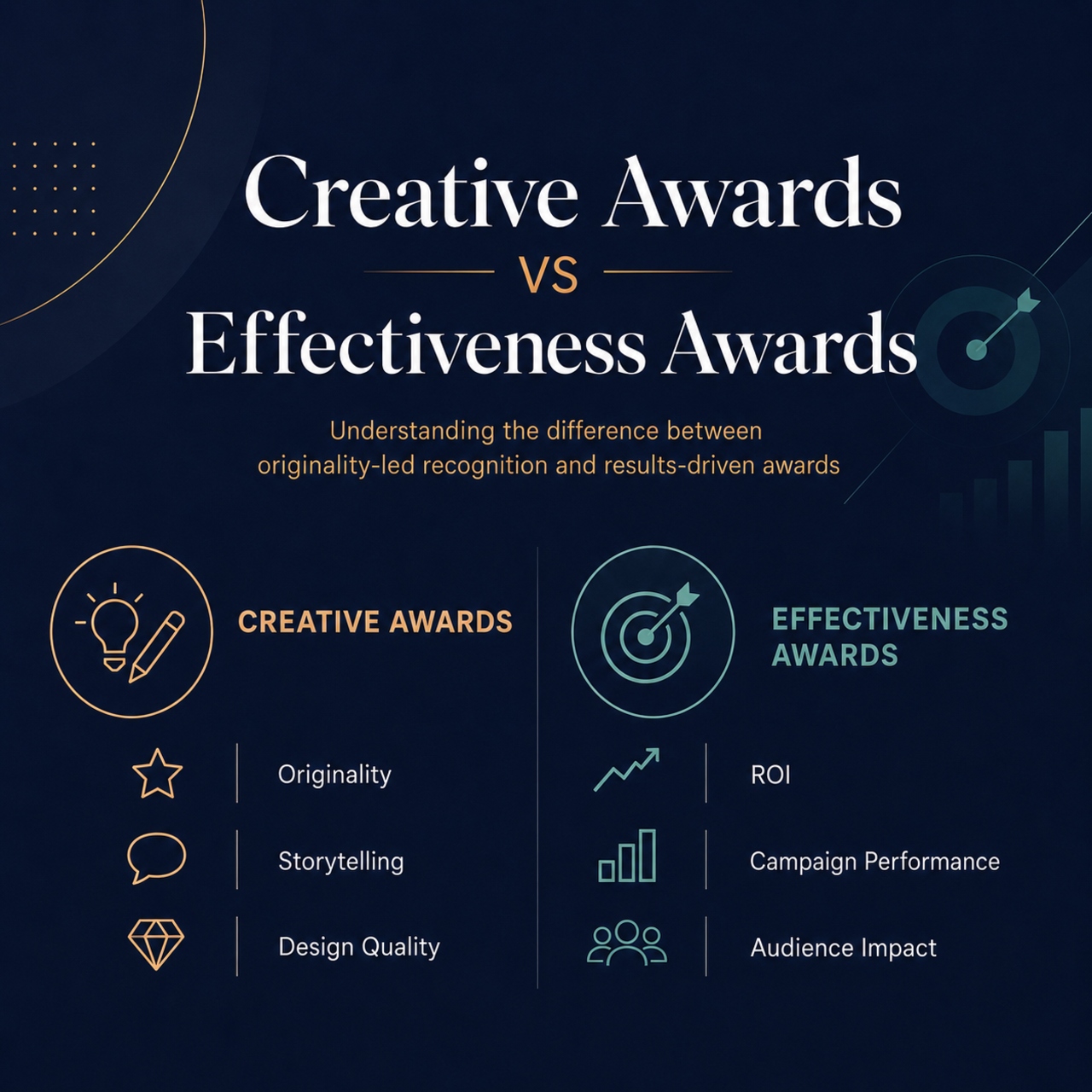
The clearest shift is the rise of AI as a genuine creative and production tool rather than a novelty. The most compelling work uses it with purpose, not simply for its own sake. I am also seeing the line between creativity and effectiveness continue to blur, with the strongest digital work expected to be both visually compelling and results-driven.
As audiences become more sophisticated, craft alone is no longer enough. At the same time, smaller teams are producing work that once required significantly larger budgets, expanding who can compete at the highest level. That democratization of opportunity is, to me, one of the most exciting developments in the industry today.
I hope to be surprised. The work that stands out most is often the work with a genuine point of view—where someone takes a meaningful risk and makes it pay off rather than relying on a familiar formula. I am particularly interested in thoughtful uses of emerging technologies, including AI, when they serve the idea rather than replace it.
Above all, I look for work that is both exceptional and purposeful: digital experiences that solve real problems for real people and are created with evident care. The entries that stay with me are always the ones that successfully combine ambition with craft.
What stays with me most are the entries from small or unexpected teams that competed with—and sometimes surpassed—much larger organizations. There is a particular satisfaction in recognizing work whose ambition clearly exceeded its resources.
These entries serve as a reminder that originality and determination are not defined by budget. A single bold idea, executed with skill and conviction, can stand alongside the very best in the field.
I try to evaluate work the way I would want my own work to be evaluated: honestly, fairly, and with respect for the effort behind it. When feedback is invited, I focus on the work rather than the individual, clearly explaining what did not meet the criteria and why, so the feedback is constructive rather than simply critical.
I also make a point of recognizing the genuine strengths in every entry, because growth is often built on encouragement as much as critique. The goal is not simply to assign a score, but to help creators produce even stronger work in the future.
IAA Juror since 2024
NY Digital Awards
────────────────────────────