EVBloom - Home EV Charger Sharing | 2025 NY Product Design Awards
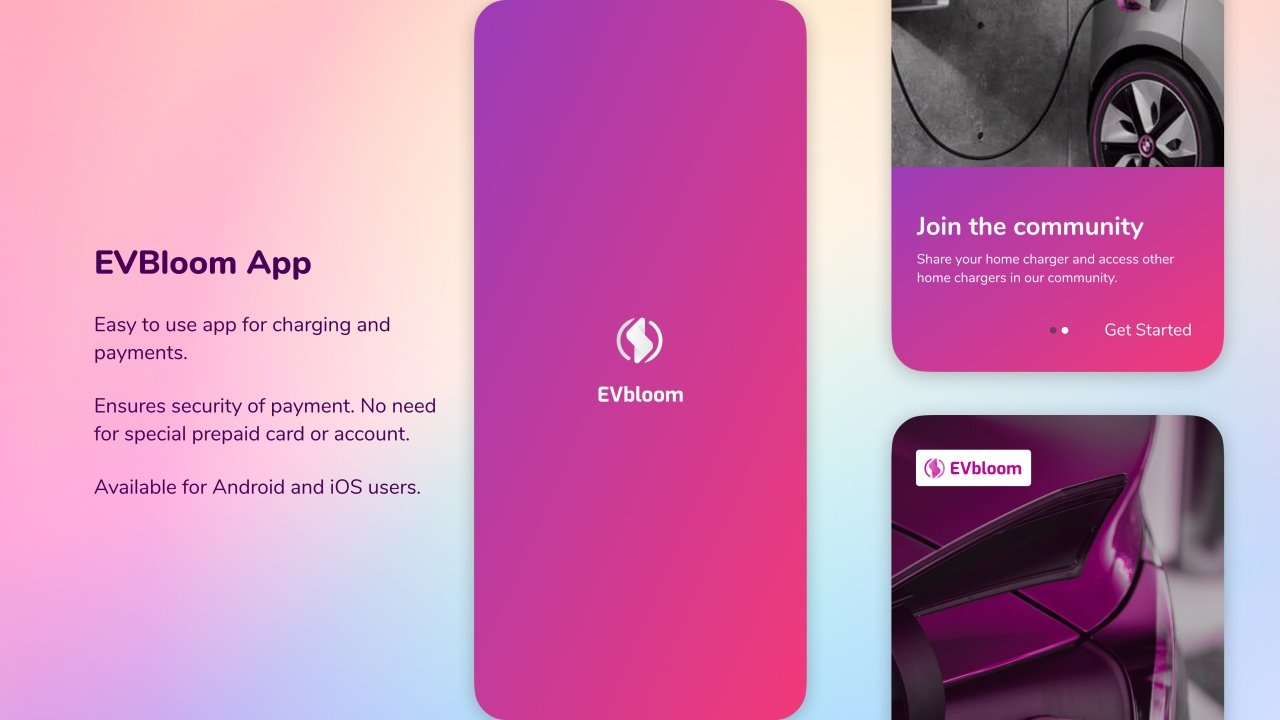
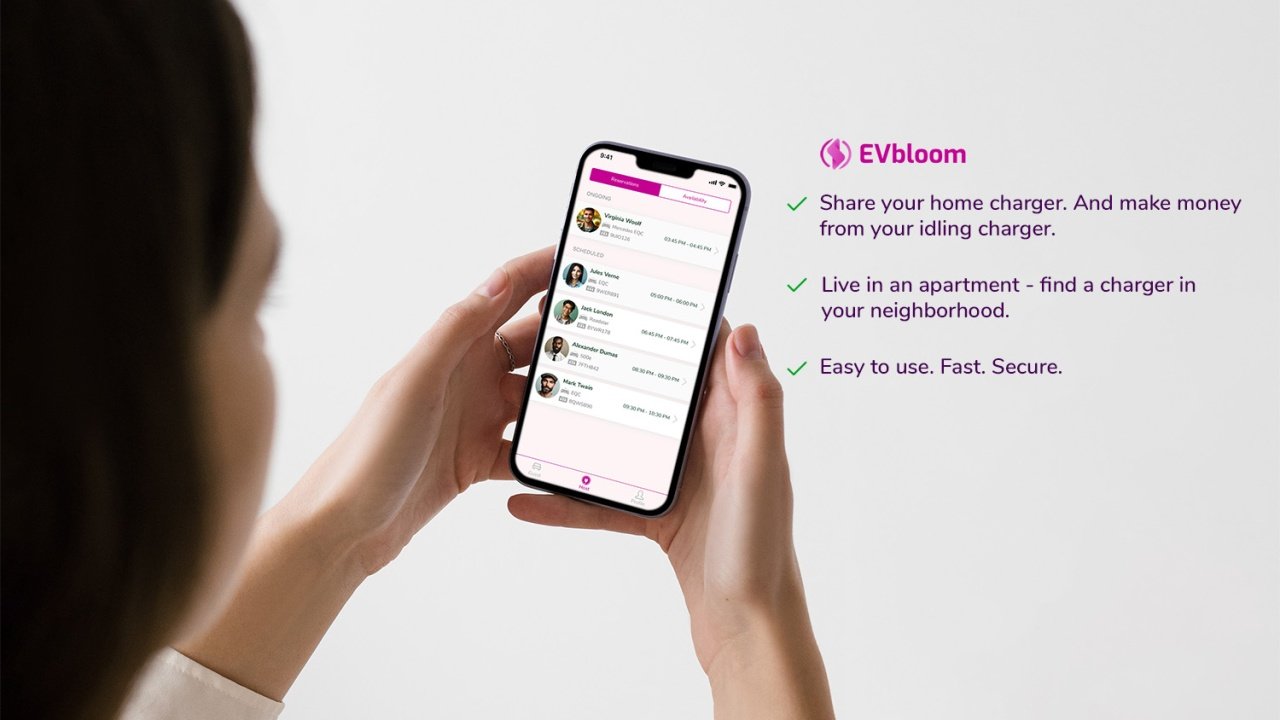
EVBloom is a concept for a peer to peer EV Charging service. EV Chargers are...

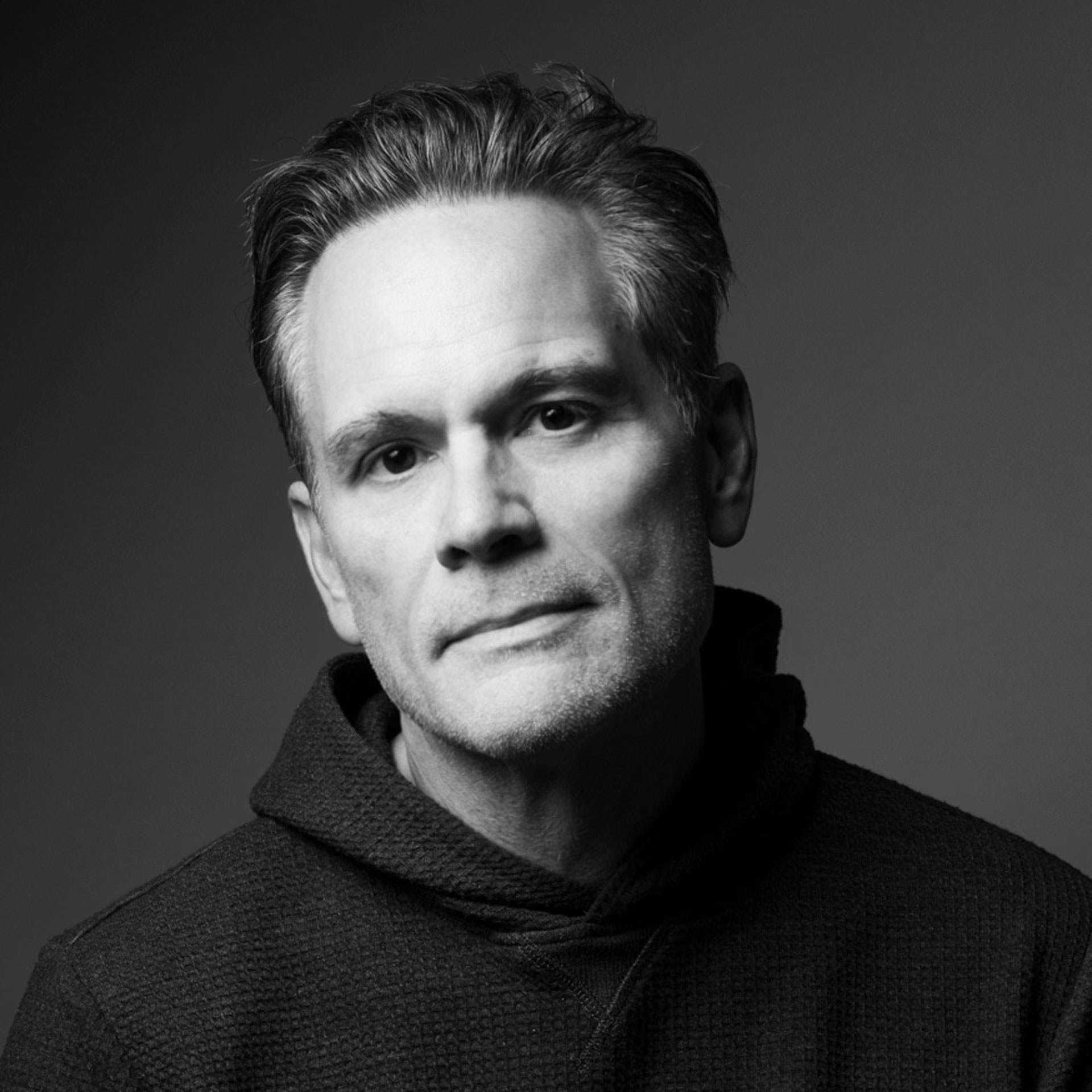
With a career spanning top tech companies, Avi Singh applies a flexible design philosophy that prioritizes user understanding over aesthetic alone. His background in both creativity and research informs his ability to create impactful, lasting experiences.
From an early age, I was drawn to sketching and painting. As I matured, my interests shifted toward technology and computer-based careers. UX and product design emerged as the natural path for me to follow.
For the past 15 years, I have worked as a product designer and researcher, contributing to several Silicon Valley companies. Throughout my career, I have focused on designing solutions that make work and daily life easier for countless users.
Being recognized by my peers for my work is a great honor. I thank the NY Product Design Awards organization and the team of judges for this honor. I’m grateful for the support of my colleagues and the opportunities I’ve had. I look forward to continuing to contribute and make a positive impact.
This award has provided peer validation of my skills and accomplishments, boosting my credibility and professional reputation.
Experimentation plays a big role in my design process. There are a lot of unknowns in any new design project. Working through these unknowns and creating something unique and brilliant is a matter of experimentation. Experimentation allows us designers to see what is most valuable for users and pleasing. Without experimentation, there will be solutions that get lost in the rush to complete a project.
I drew inspiration for a project from a sci-fi show. The branding and fonts used in the TV show "The Expanse" really inspired me. In addition to that, I am a huge fan of IKEA's branding, layout and simplicity and try to look for inspiration in their stores, apps and manuals.
IKEA manuals are very detailed yet do not require reading instructions. All the instructions are in simple graphics which match the real-world furniture pieces. So, I am always on the lookout for examples of good design and craftsmanship.
One thing designers wish people understood more about the design process is that it is not a rigid, one-size-fits-all checklist, but rather a fluid and adaptable journey focused on understanding users and solving real problems.
Many people expect a fixed sequence of steps, but in reality, each project and team may require a different approach, sometimes emphasizing research, sometimes rapid prototyping, and always iteration based on feedback and testing.
Designers want others to recognize that the process is about more than just making things look good; it’s about deeply understanding needs, validating ideas, and refining solutions to create meaningful experiences.
To balance client expectations with your creative vision, focus on understanding client needs, clearly communicating your design process, and offering multiple solutions. Stay open to feedback and be willing to educate clients when necessary, fostering collaboration that leads to both client satisfaction and strong design outcomes.
The deadline for this project was very tight, and I had to deliver designs within a short time frame. Once the end-to-end design was done, I had to iterate based on feedback. Any finishing touches needed to be done during the iteration process. The designs were also being used to onboard a new engineering team.
This required repeated check-ins with the team and walking them through the designs. There were engineering challenges with the frontend framework as well. Which required updates to designs.
I find inspiration for my work from many sources. I read design blogs, magazines, and books like Smashing Magazine, Design Collective, and UXness. I also draw ideas by watching how users interact with products. Users may not always know the best solution, but they show what frustrates them, what slows them down, and what feels awkward.
I also look at the world around me for examples of good design. For instance, I like how IKEA assembly manuals use visuals instead of text to guide people. These different sources help shape my approach to design.
I always try to deeply understand the needs and goals behind any design project. This reflects in my design as my designs are always very thoughtful with nifty features. These small thoughtful additions enhance the user experience and make the users comfortable using my solutions.
My suggestion to young designers is that they should be open to changes and be resilient. The age of AI generated design is upon us. Use it like a tool instead of getting intimidated by it. Figure out prompts for designing and researching ideas. Sometimes things will not work out but you will get better at it by trying.
I would love to collaborate with industrial designer Raymond Lowe. He wrote a book named ‘Never Leave Well Enough Alone’. This book has been a constant source of inspiration for me. Lowe has had a storied career designing some of the most iconic logos and products of the industrial generation. I will be honored to work with such a prolific designer.
I mentor a lot of designers and the most common questions I get are about design career growth, transitioning from studying to working full time, portfolio reviews and conflict resolution at work.
Explore design insights Why Good Design Should Feel Effortless - Eddie Maestri Reflects on His Process here.