VIEWING MONTAGE | 2025 French Design Awards
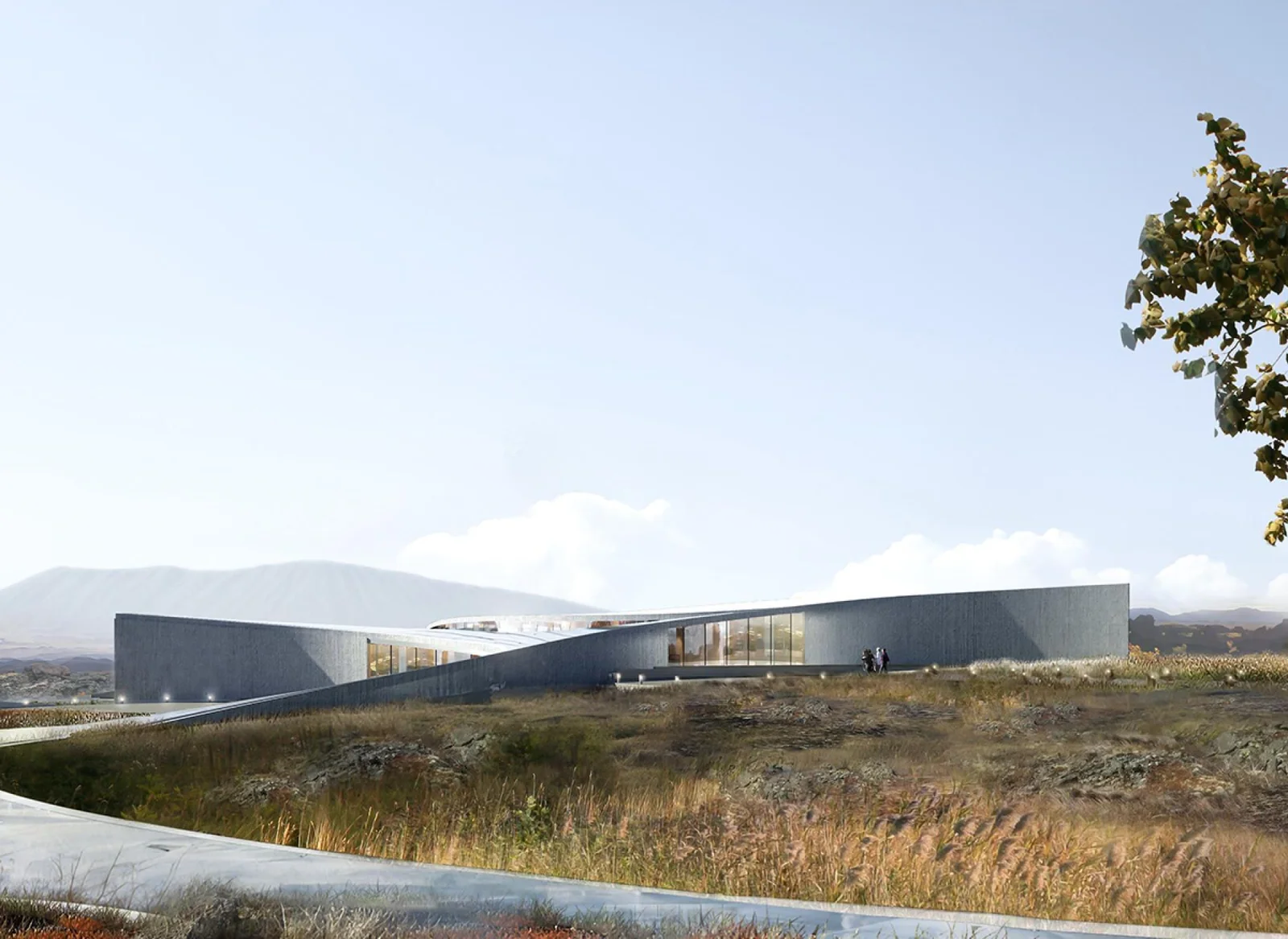
Dimmuborgir, one of Iceland’s most iconic tourist sites, is enchanted with its unique black lava...
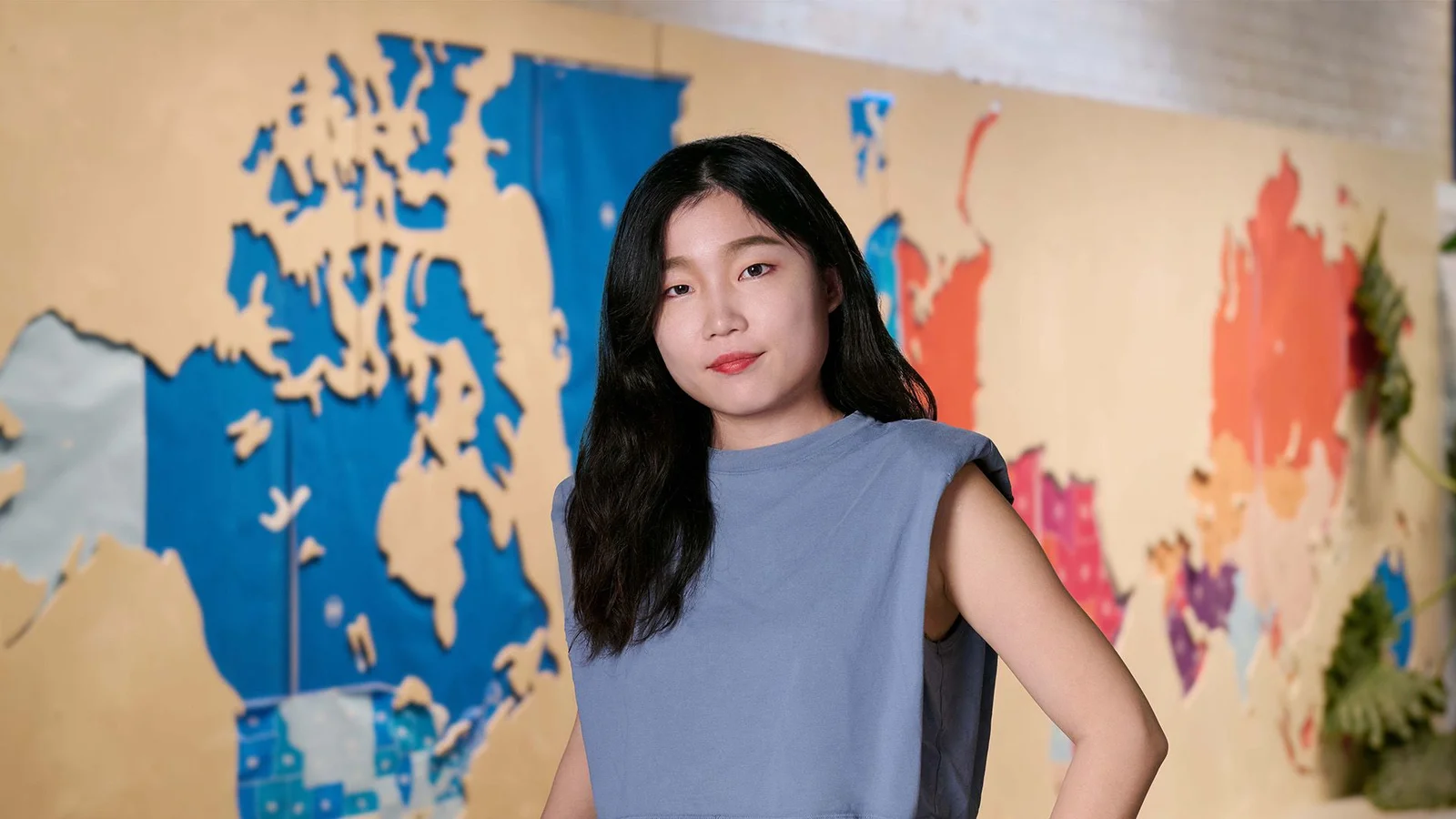
Daria Yang Du is a Los Angeles–based architectural designer whose work explores the intersection of architecture, landscape, and narrative. Originally from China, she sees space as an emotional and cultural language, crafting designs that feel simple yet are deeply considered through process, iteration, and intent.
Thank you! I’m Daria Yang Du, an architectural designer based in Los Angeles, originally from China. My work spans architecture, landscape, and spatial narrative design. I was first drawn to design through storytelling—I saw space as a medium to express emotion, culture, and memory. Architecture, to me, is not just about form-making but about shaping how people feel, move, and connect.
It’s incredibly meaningful. Personally, it’s a validation of my voice as a designer, especially as someone early in my career navigating multiple cultures and disciplines. Professionally, it brings visibility to the kind of context-driven, narrative-rich work I care about and helps open doors for more international collaboration.
This recognition has elevated my portfolio and positioned me more confidently in both collaborative and leadership roles. It’s helped strengthen my professional credibility, especially in conversations around conceptual design and international work. I’ve also had more opportunities to speak about my design values and contribute to award submissions and exhibitions.
Experimentation is fundamental. For the Viewing Montage project, I explored how spatial alignment could frame natural phenomena as curated I tested unconventional circulation paths and wall geometries to guide visual focus. This process involved a lot of physical model making, site-mapping, and abstract sketches before arriving at something coherent.
Once, I drew inspiration from a Chinese ink painting technique called “liú bai”, which emphasises the power of negative space. It made me rethink how absence and silence can be just as powerful in spatial design as structure and form—especially in landscape projects.
That good design often looks simple but comes from complexity. Every clean line, subtle curve, or framed view is the result of countless iterations, conversations, and constraints. The process is as much about restraint and listening as it is about creativity.
I approach clients as collaborators, not just stakeholders. I listen carefully to their needs but also help them see unexpected possibilities. When they understand the narrative and intention behind a design, they’re more open to bold or unconventional ideas.
The main challenge was responding to the dramatic Icelandic landscape without overwhelming it. I had to design something monumental yet respectful. I solved it through restraint—curving forms that echo the terrain, and framed views that highlight, rather than compete with, nature.
I step away from the screen and go back to sketching by hand or walking outdoors. Sometimes I revisit old travel photos or read literature unrelated to architecture. Inspiration often returns when I stop chasing it.
Growing up between two cultures taught me to always read between the lines—to look for what’s unsaid or overlooked. That sensitivity informs how I approach design: with empathy, curiosity, and a deep respect for context.
Don’t rush to style—focus on intention. Understand the “why” behind your work, and stay open to learning across disciplines. Recognition will follow when your work resonates with authenticity.
I’ve had the opportunity to work at MAD Architects under Ma Yansong, and I would love to collaborate with him again. His visionary approach to organic architecture and emotional expression in form deeply influenced my thinking. What I admire most is how he challenges conventional urban logic by bringing softness and imagination into dense cityscapes. His work transcends function and becomes a form of cultural storytelling—something I aspire to carry forward in my own design journey.
I wish people would ask, “What do you want people to feel in your spaces?” And I’d answer: I want them to feel grounded yet curious—as if they’ve stepped into a quiet narrative that reveals itself over time.
Read more interviews From Thought to Touch: Minxuan Zhao Shares How She Turn Ideas Real here.