Manor AI | 2025 NY Product Design Awards
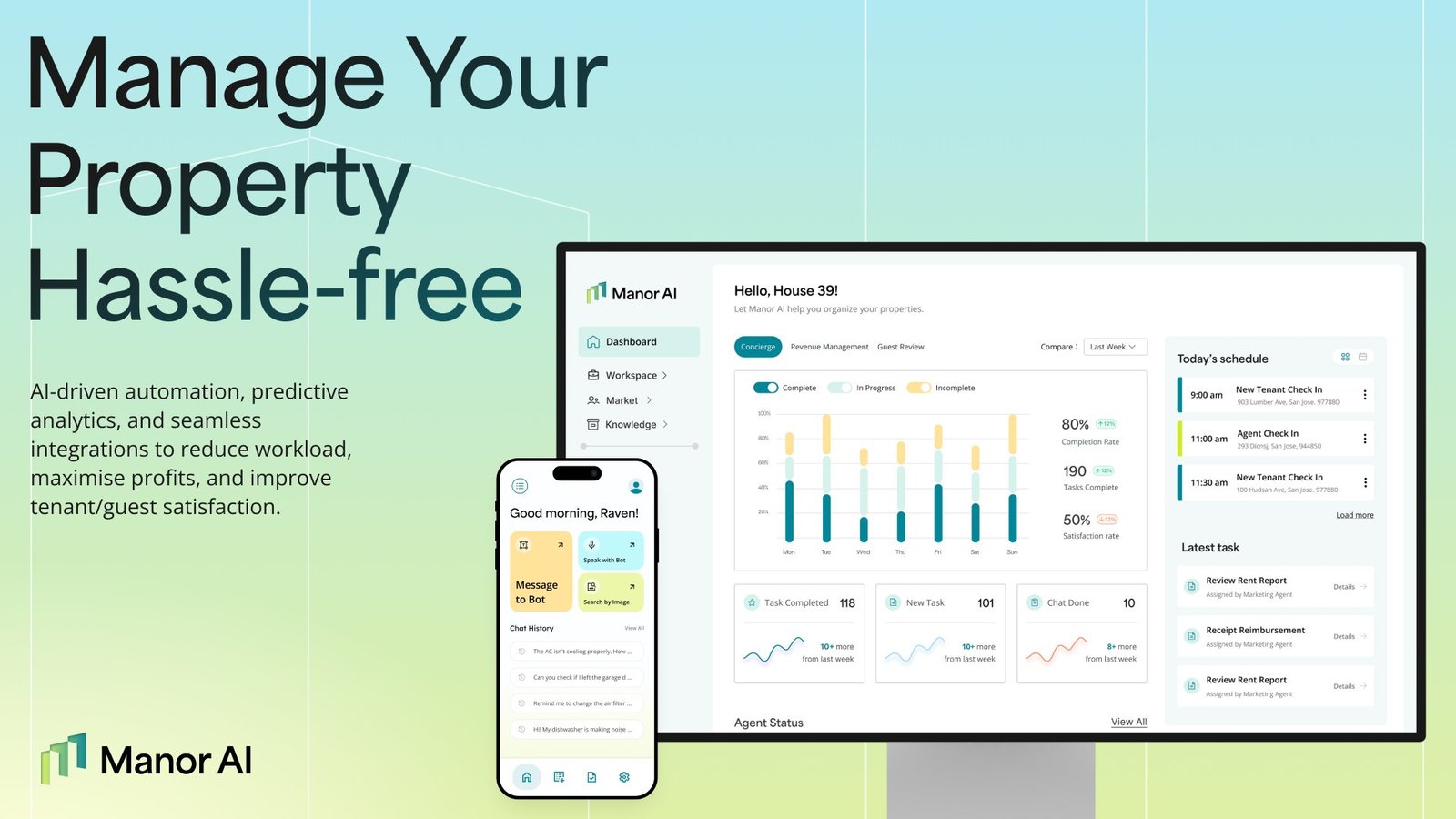
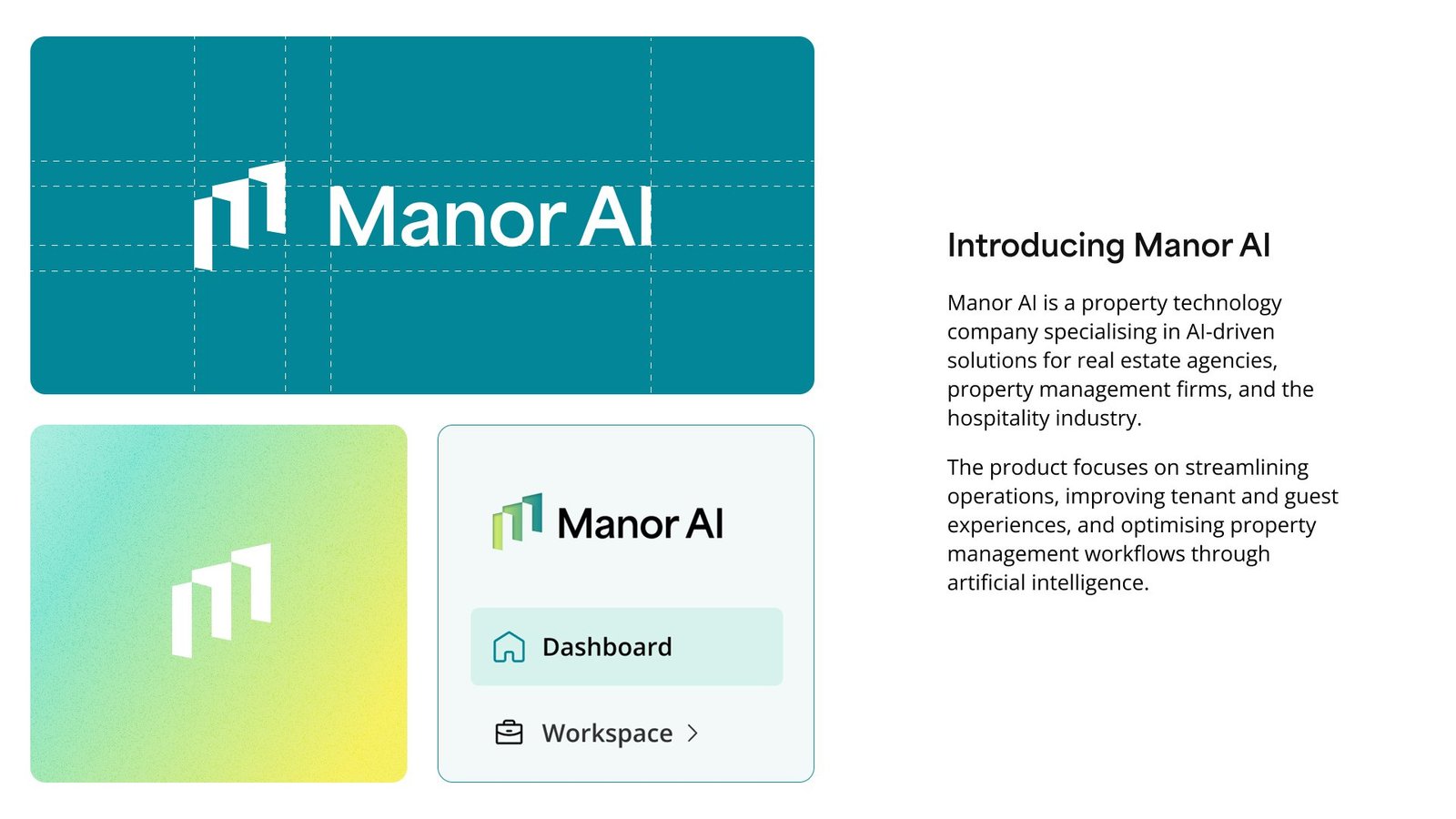
Manor AI is an advanced AI-driven property technology platform designed for real estate agencies, property...

Moonlit Design is a collaborative team of product designers - Yuan Wu, Gerri Zhou, Jingfei Hu, Murphy (Muqing) Wang, and QianQian Lin - who share a commitment to inclusive, human-centered design that addresses real-world complexity with clarity and care. Together, they transform overlooked challenges into intuitive experiences that build trust and ease.
Yuan Wu: Hi, I’m Yuan Wu, a product designer with a deep passion for creating inclusive, human-centered experiences—especially in complex and traditionally underserved spaces. I was drawn to design by the realization that thoughtful, intentional solutions can address real problems for people who are often overlooked by conventional tools.
While working on Manor AI, I saw how small property management teams struggle with outdated, fragmented systems, and that motivated me to create solutions that feel intuitive, supportive, and genuinely helpful in their day-to-day work. To me, design is about reducing friction, building trust, and making the invisible feel seamless—and that kind of meaningful impact is what drives me every day.
Gerri Zhou: Hi, I’m Gerri, a product designer based in Seattle who values bringing joy to everyday interactions and experiences. My love for design is deeply rooted in my childhood passion for creating toys. Watching people explore and find playful ways to interact with them sparked something special, each fun moment lighting up their eyes. That joy is what drives me: designing delightful interactions that people can truly enjoy.
Jingfei Hu: My name is Jingfei, and my journey into design began while working as an installation engineer at a children’s museum, where I was inspired by the power of interactive experiences to spark curiosity and connection.
Murphy Wang: Hey, I am Murphy(Muqing) Wang. I’m a fine-art-trained designer who now paints with pixels. Redesigning healthcare tools taught me that inclusive, accessible UX can ease real-world pain, and I’ve carried that human focus from patient charts to property ledgers. With my team, I created Manor AI, the NY Product Design Awards-winning platform that erases the daily friction between landlords and tenants, reimagining real estate through clear, caring AI agents.
QianQian Lin: Hi, I'm Qian, a product designer with a creative edge. I grew up as an art-loving kid, always drawn to visual storytelling and problem-solving. That passion naturally led me to design. What truly inspired me is seeing how thoughtful design and technology can simplify complexity and make a meaningful impact on people’s lives.
Being recognized with a Silver Award at the NY Product Design Awards means a lot to our team. Manor AI was a fast-paced, high-stakes project, and we poured a huge amount of thought and effort into balancing usability, functionality, and visual polish.
This recognition validated the risks we took and the attention we gave to both user experience and system design. It’s an exciting moment for all of us, especially knowing we made an impact in a traditionally underserved, B2B space.
This award has been a great momentum boost for the whole team. It’s helped us gain more visibility, start deeper conversations around product vision, and build confidence across our partners and stakeholders. It also reinforced the value of strong collaboration between UX, engineering, and business—our approach wasn’t just about building a tool, but creating a system that people enjoy using. It’s definitely opened doors to more ambitious opportunities.
Experimentation was at the heart of our process for Manor AI. Since we were building for a complex domain, we constantly prototyped and iterated, testing different interaction flows, layout systems, and even visual styles to push beyond default SaaS conventions.
One example was our dashboard interface: we explored a range of designs, from minimal to modular, to see what best supported task clarity and mental load. The experiments didn’t just help us refine the UI—they shaped the personality and tone of the product itself.
One of the most unusual yet insightful sources of inspiration for us has been observing user experiences in everyday environments—something as small as elevator buttons. We find it fascinating how people instinctively interact with physical interfaces, and these subtle behaviors often spark ideas for simplifying or rethinking digital experiences in my projects.
One thing we wish more people understood about the design process is that moodboards exist for a reason—they're not just aesthetic collages, but essential tools for aligning vision and direction early on. A well-crafted moodboard helps teams establish a shared visual language, avoid miscommunication, and set the emotional tone before diving into detailed work, ultimately saving time and ensuring cohesion across the design.
We navigate the balance by first deeply understanding the client’s goals and constraints, then finding creative ways to align those needs with thoughtful design principles. We see it as a collaboration—by grounding our ideas in research and clearly communicating the “why” behind each choice, we can build trust and often guide clients toward solutions that satisfy both their expectations and the integrity of the design.
One of the biggest challenges was aligning multiple stakeholders with conflicting priorities while staying within a tight timeline and budget. We overcame this by leading with user research to build empathy across teams, facilitating cross-functional workshops to surface shared goals, and iterating quickly based on feedback to ensure we stayed focused on what truly mattered to users.
Yuan Wu: When I hit a creative block, I find that stepping away from the screen is often the most effective way to recharge. I like to take a walk or engage in a completely different activity, like reading or listening to music. I’ve found that shifting my focus allows my mind to reset, and when I return to the project, I often see things from a fresh perspective. It’s during these moments of disconnect that ideas seem to flow more naturally.
Gerri Zhou: I always like to browse various platforms for inspiration, such as checking out creators on X and Pinterest. Many people post their wild experiments with software, new design trends, and personal styles online, and just seeing their work inspires me and keeps me creative when I'm working.
Jingfei Hu: When I hit a creative block, I usually step away from the screen and spend time in nature—it’s my ultimate source of inspiration. Being outdoors helps me clear my mind, observe organic patterns and colors, and return to my work with a refreshed perspective and new ideas.
Murphy Wang: When pixels start to blur, I swap them for grain. Loading a roll into my film camera—dialing ISO, chasing a streak of light—re-tunes my eye in seconds. One crisp frame later, I’m back in Figma, fully recharged. Photography, with its insistence on tiny details, keeps me alert to the quiet beauty threaded through everyday life.
QianQian Lin: When I hit a creative block, I recharge by either talking to others—like teammates, users, or friends—or taking quiet time alone to clear my mind. Walking, listening to music, or journaling helps me step back. Conversations spark new ideas, while solo time helps me reset and return with a fresh perspective.
At Manor AI, our design philosophy is deeply rooted in empathy and practicality. Many of us have worked closely with small property management teams or have family members in service-heavy industries. We've seen firsthand how overwhelming it can be to juggle tenant communication, maintenance, and finances without the right tools.
This experience shaped our commitment to designing for clarity, automation, and real-world impact. We don’t just aim for beautiful interfaces—we aim for experiences that genuinely reduce cognitive load and give people time back in their day.
Design for outcomes, not just outputs. It’s easy to get caught up in visuals or polish, but the real success comes from solving the right problems for the right people. Get close to your users, ask better questions, and always validate your assumptions. And don't be afraid to collaborate beyond your comfort zone—great design often happens at the intersection of disciplines.
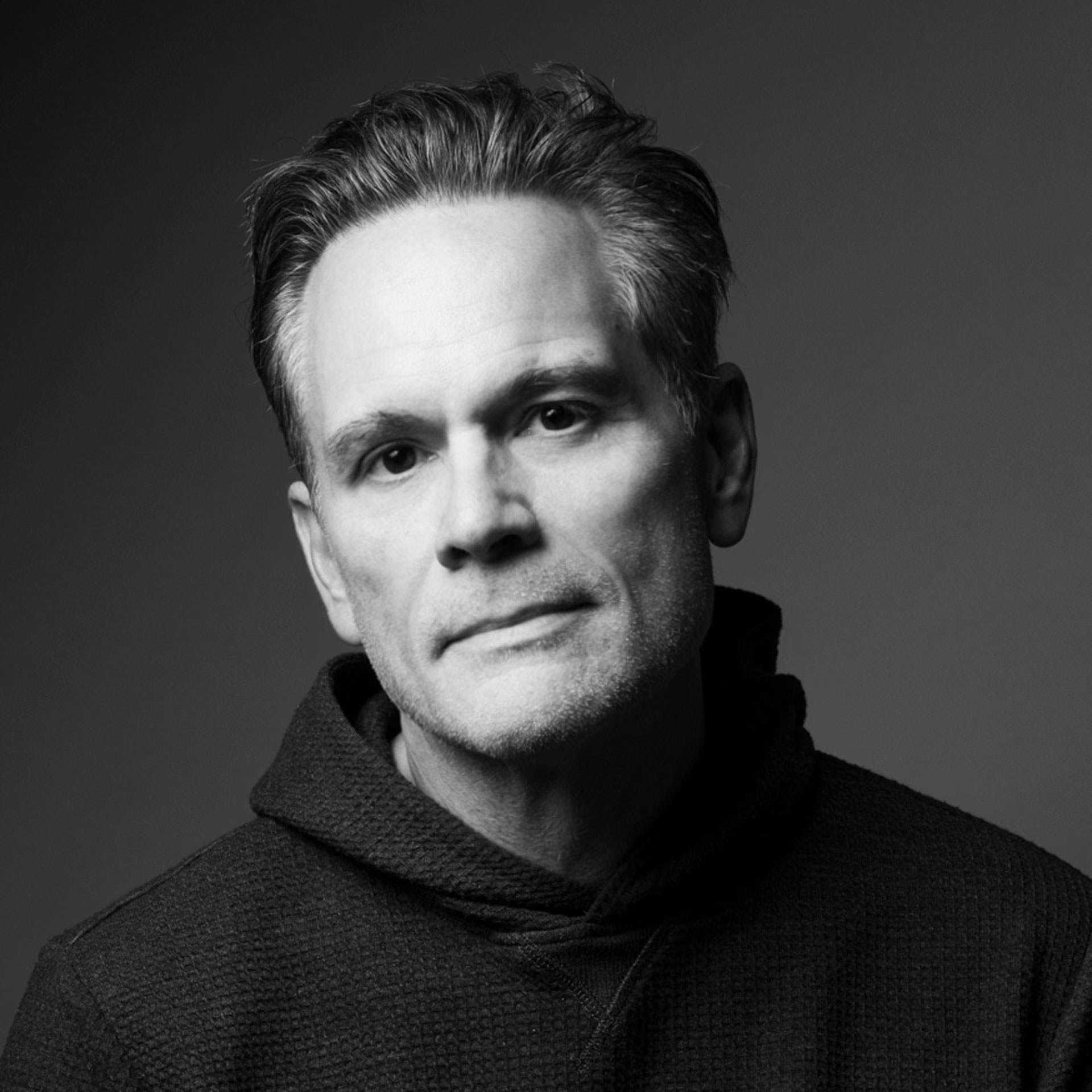
We’d love to collaborate with Ken Kocienda, the former Apple designer behind the original iPhone keyboard and core interaction models. His work embodies the kind of thoughtful, behind-the-scenes design that quietly transforms how people work.
At Manor AI, we’re constantly thinking about how to simplify complex workflows—how to make interactions feel effortless, even when the underlying systems are complicated.
Collaborating with someone like Ken, who has a deep understanding of interaction design at scale, would be incredibly inspiring as we continue refining the small details that make a big difference in everyday user experience.
We wish more people would ask, “What was the hardest part of designing for a traditional industry like property management?” Because the truth is, designing for a space that’s historically low-tech requires more than just good UX—it requires trust-building, deep empathy, and humility.
Our users aren’t early adopters; they’re busy professionals with little time and high expectations. So we had to earn every click, prove the value of automation, and design in a way that felt both intuitive and respectful of their existing workflows.
That challenge forced us to slow down, listen more, and rethink what ‘innovation’ actually means. And in doing so, we created something that feels truly human-centered.
Read about The Founders of TechHerAI on Empowering the Next Generation of Women in STEM here.