AI Taxonomy Website | 2023
Designing with AI is challenging because people without a technical background often have difficulties in...
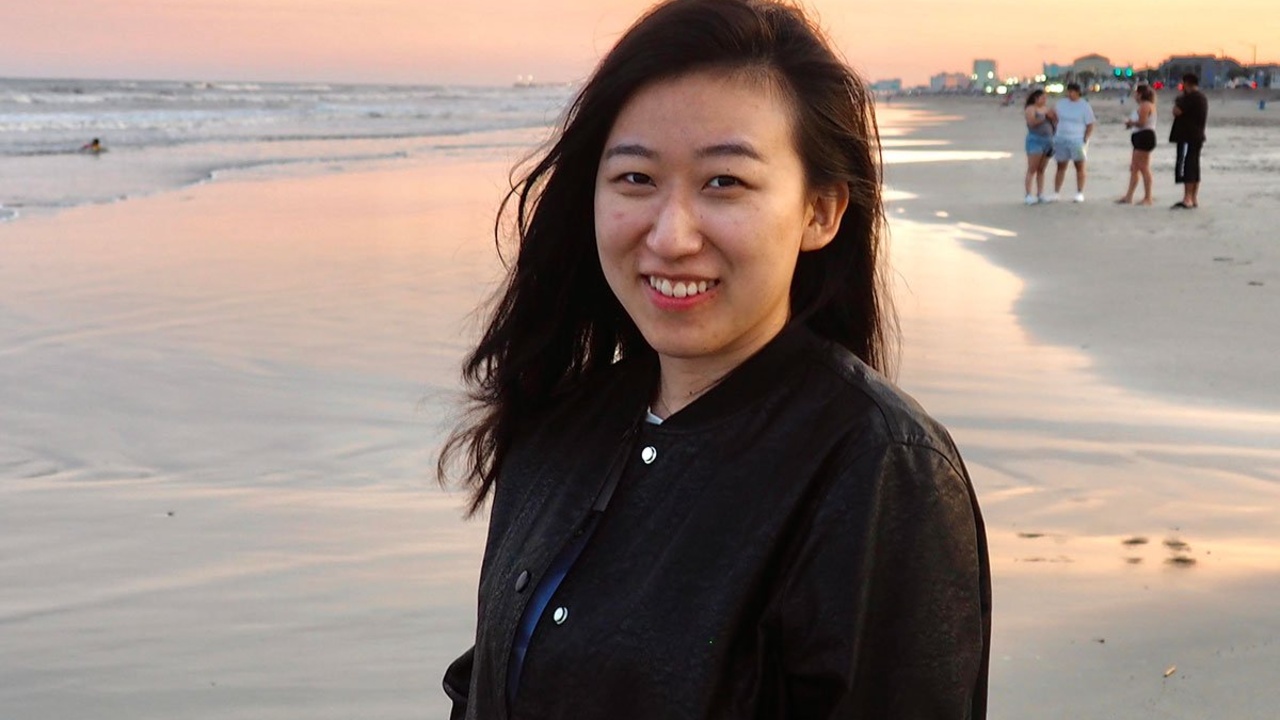
My name is Ningjing Sun. I'm a designer currently based in Washington D.C and I'm a recent graduate from the interaction design program at Carnegie Mellon University. Coming from a graphic design background initially, I then found out my interests in new technologies and have since then specialised in interaction design, web design and UI/UX design.
I'm interested in people's mental modal of new technologies and what the optimal interaction patterns will look like for us to better collaborate with new technologies. I use a research-driven practice to craft design that can bring a positive impact to people's lives.
Since early age I've nurtured my interests in arts, history and technology. I am intrigued by how human perceive the world and interact with their surroundings in a conversational pattern, and I'm interested in figuring out new patterns of human-technology interactions and creating frameworks and fundamental design principles around them from a higher systematic level.
For me, design is first of all a problem-solving process that requires meticulous observations of the world and great craftsmanship that can translate abstract patterns or insights into tangible and concrete forms.
I'm intrigued by designs with a solid foundation of rationality and can offer people with delight. I also believe in the concept of "world-building" and I'm fascinated by works that can create a world in themselves and reveal a scalable design pattern or higher-level fundamental design principles.
For me, a good design has to first stem from deliberate observation of the world and a logical understanding of the user's motivations and expectations. On top of that, I think a good design can always offer me delight, touch me emotionally and build an authentic connection with me as a human being.
AI is moving fast and there are new capabilities, features and product ideas being released every day around the world. This fast pace has led to frustration and distrust of the technology, and makes it difficult for people to envision the best way to engage with them. I believe there's great potential around the field of human-AI collaborations and I hope my work could foster more discussions in the design community.
In the past I've always been interested in how people learn to make sense of a new technology, and how new technologies will reveal new interaction patterns and conversational modals. In one of my other works on the AR technology, I also looked into the potential design frameworks and gestural patterns of how the users can better interact with AR, such as the fundamental differences between interacting with 2D screens and interacting with 3D environment. This kind of system-level thinking approach and research-driven practice drove this design piece as well.
Winning this award means a great honour to me. It motivates me to keep pushing the boundaries of creativity and exploring how human can better collaborate with new technologies.
I designed and developed a website to support professional product designers, UX designers and start-ups to better envision and prototype new products and services that integrate AI capabilities. There's great potential around the field of human-AI collaborations and I hope to use my work to foster more discussions among the design community, and pave the way for forward-looking design narratives and practical tools that support rapid ongoing development of AI products.
One of the main challenges is the difficulties to keep up with the rush of new AI products and make sense of the capabilities and limitations of AI. I've read many academic literatures about people's mental modal of AI to form my understanding of it and help me brainstorm new interaction patterns of human-AI collaboration. I've also looked into many design guidelines around new technologies such as the PAIR guidebook to inform my design decisions and learn about the ethical concerns about AI.
This award means a great recognition of my career and motivates me to keep pushing the boundaries of design and creativity.
I appreciate the fast pace of development of the design industry which encourages me to keep learning new things, keep staying curious and keep challenging myself to try out the new tools being released and create something new with them. I also appreciate the inclusive and open environment of the design industry where bold explorations and even "failures" are always being encouraged. Lastly, I appreciate how my job as a designer energise me and allow me to positively impact other people with my own creations.
My designs look into the higher-level patterns of how human can better collaborate with AI and try to visualise tools and guidelines for the design community.
I think in the next 5-10 years we will see a greater convergence of design and technology. Designers will need to have a better understanding about the capabilities and limitations of new technologies at hands, how the human mental modal will look like for those new technologies, and approach designs from a more scalable and systematic level rather than a project or a feature level.
Stay tuned to the trends in the design and tech world and try to learn what other people are caring about. Take some time to really contemplate what you really care about - What are the persistent themes or recurring patterns that occur in your past works? What's unique about your personal practice and your own way of observing the world, and how can that be helpful to your design peers? How can you be more helpful to the group of people you are designing for and how can your design solutions be more scalable and sustainable?
I would recommend designers to talk with their design peers, build long-term connections and learn from their practices and approaches. Every designer has their own way of problem-solving and approaching a project, and I think I've learnt a lot from my peers during those jam design sessions by just observing how they would approach a problem differently, thus having a better understanding and self-awareness of my own approach and my own way of observing the world.
I've been inspired by the works of Google Creative Labs which reveal a deep understanding about technology, great curiosity about the world and the people, and a sense of humour with true authenticity.
I believe in the importance of having great empathy with the people who you are designing for and trying to build authentic connections with them. I also think it's important to figure out what you truly care about from a higher level, and be persistent about your own design practice and approach. Find areas that energise you the most and try to stick with them and dig deeper.
I would love to thank you for the award and this interview opportunity. I'm excited about the evolution and convergence of the design and tech industry, and I look forward to creating more meaningful works that can bring a positive impact to people's lives.
_from_United_States_1.jpg)
Read more about this interview with Anya Glik from United Kingdom, the Silver Winner of the 2023 London Design Awards.