Quzhou Landmark Towers | French Design Awards
Our design for Quzhou’s new city merges tradition and modernity, inspired by the ancient Eastern...
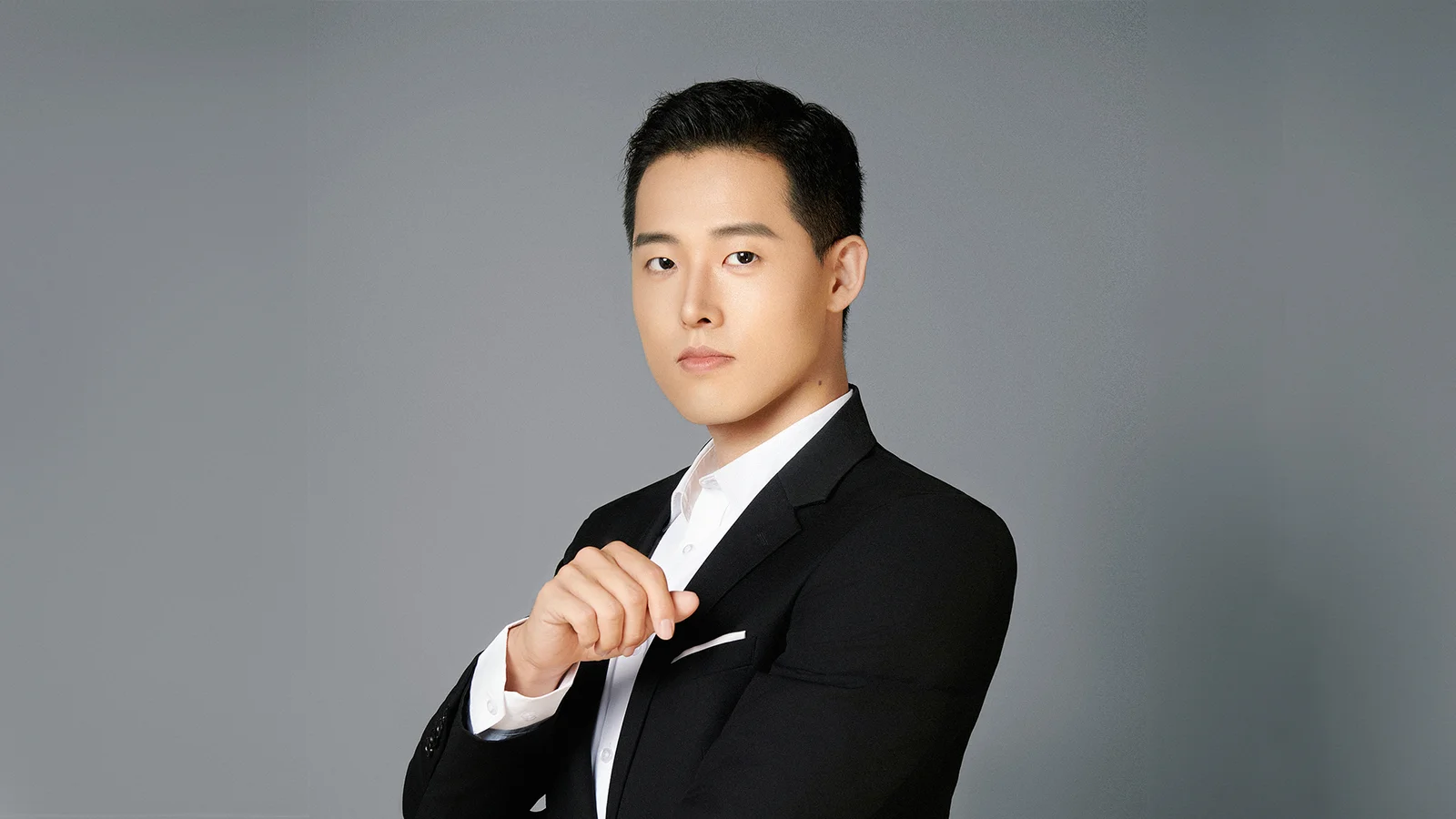
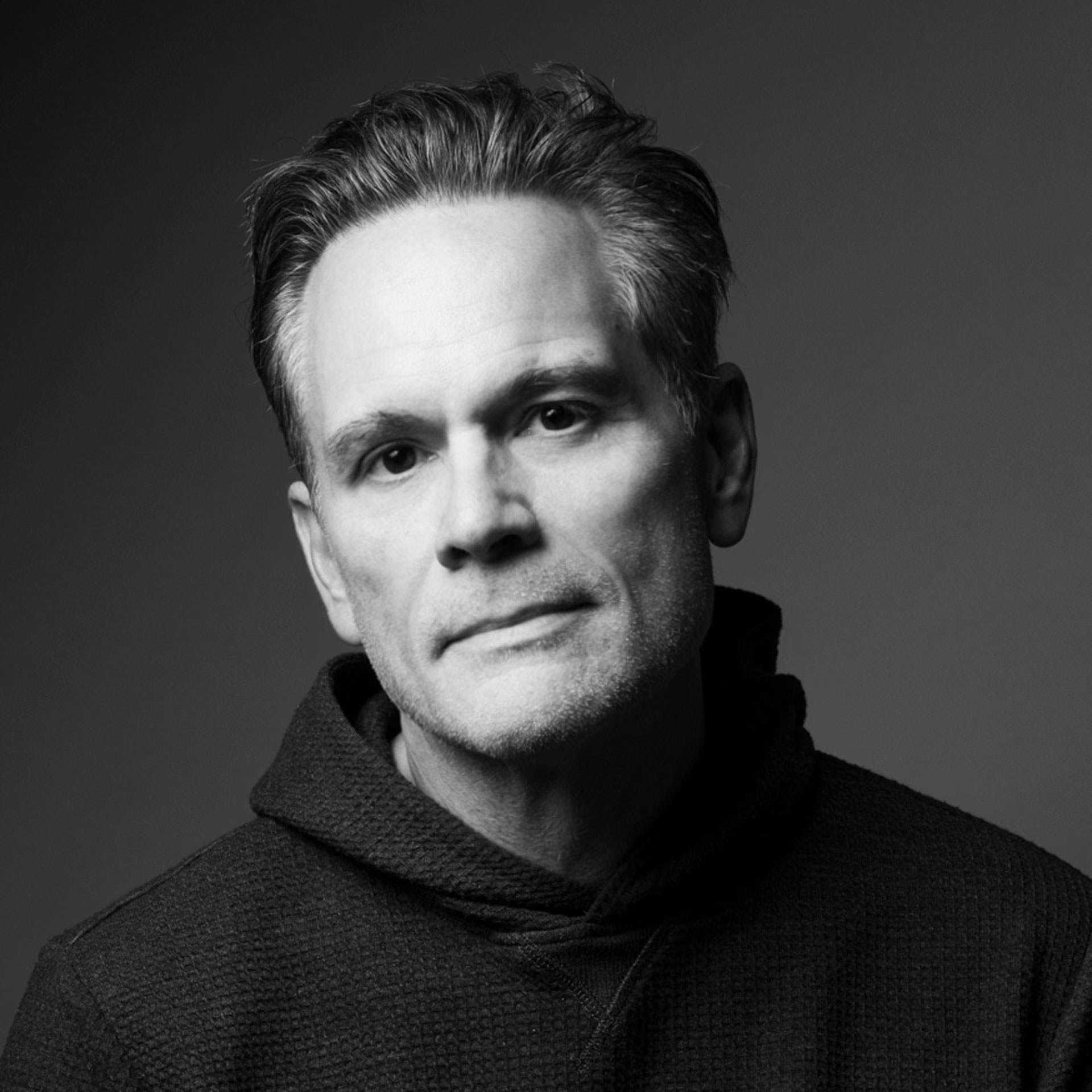
I am an architect and urban designer with a diverse background in cross-disciplinary design, currently serving as an Associate Principal at Kohn Pedersen Fox (KPF), where I have contributed to high-profile projects including the CPIC Commercial Center in China, Tower 36 in Miami, and the highly anticipated 5 World Trade Center in New York. I also lead my own design practice, Extended Play Lab, which allows me to explore more experimental and interdisciplinary design strategies.
I studied architecture at Tsinghua University and completed a Master’s in Architecture from Harvard Graduate School of Design, where I deepened my focus on urbanism and place-making. My work is driven by the belief that architecture should create environments where people can engage meaningfully, rather than simply providing functional spaces.
This belief stems from my experiences in rapidly urbanising environments, witnessing firsthand how profit-driven development can erode the social vibrancy of cities. I see design as a tool not just for shaping buildings, but for revitalising communities and public spaces.
Growing up in Beijing, I witnessed how rapid urbanisation transformed vibrant community spaces into sterile, profit-driven environments. This inspired me to pursue architecture as a way to bring life back into cities, creating spaces where people can engage with their surroundings and each other. I see design as a tool to reshape social and urban conditions, and that drives me.
I hold the role of Associate Principal at Kohn Pedersen Fox (KPF), one of the world’s leading architecture firms, renowned for its innovative contributions to the design of supertall buildings, urban planning, and commercial developments globally.
At KPF, I’ve contributed to high-profile projects such as CPIC Commercial Center, Tower 36 in Miami, and 5 WTC in New York—each a unique fusion of architectural ingenuity and sustainable urbanism. My work at KPF enables me to collaborate across disciplines, shaping landmark buildings that respond to both the cultural and environmental needs of their locations.
In addition to my role at KPF, I lead my own practice, Extended Play Lab, which allows me to explore more experimental and speculative projects. My personal studio focuses on creating intersections between architecture, urban design, and digital media. This dual engagement enables me to work on both large-scale urban projects and more intimate design experiments that push the boundaries of architectural thinking.
Together, these two professional engagements allow me to balance cutting-edge urban design with artistic, conceptual work that reimagines the built environment.
Design is about creating opportunities for interaction—between people, spaces, and the environment. It’s not just about the physical form but how architecture can stimulate action, emotion, and experience. For me, design is a way to enhance the vitality of life in the spaces we inhabit.
I gravitate toward urban design projects where architecture interacts dynamically with its surroundings. I enjoy creating spaces that don’t just serve a function but also foster community, culture, and spontaneity, similar to the vibrant spaces I grew up with in Beijing before rapid urbanization took over.
Good design is rooted in the experience it offers. A successful design engages the senses, promotes human interaction, and adapts to the needs of the people using it. It should resonate emotionally and practically, creating a lasting connection between people and place.
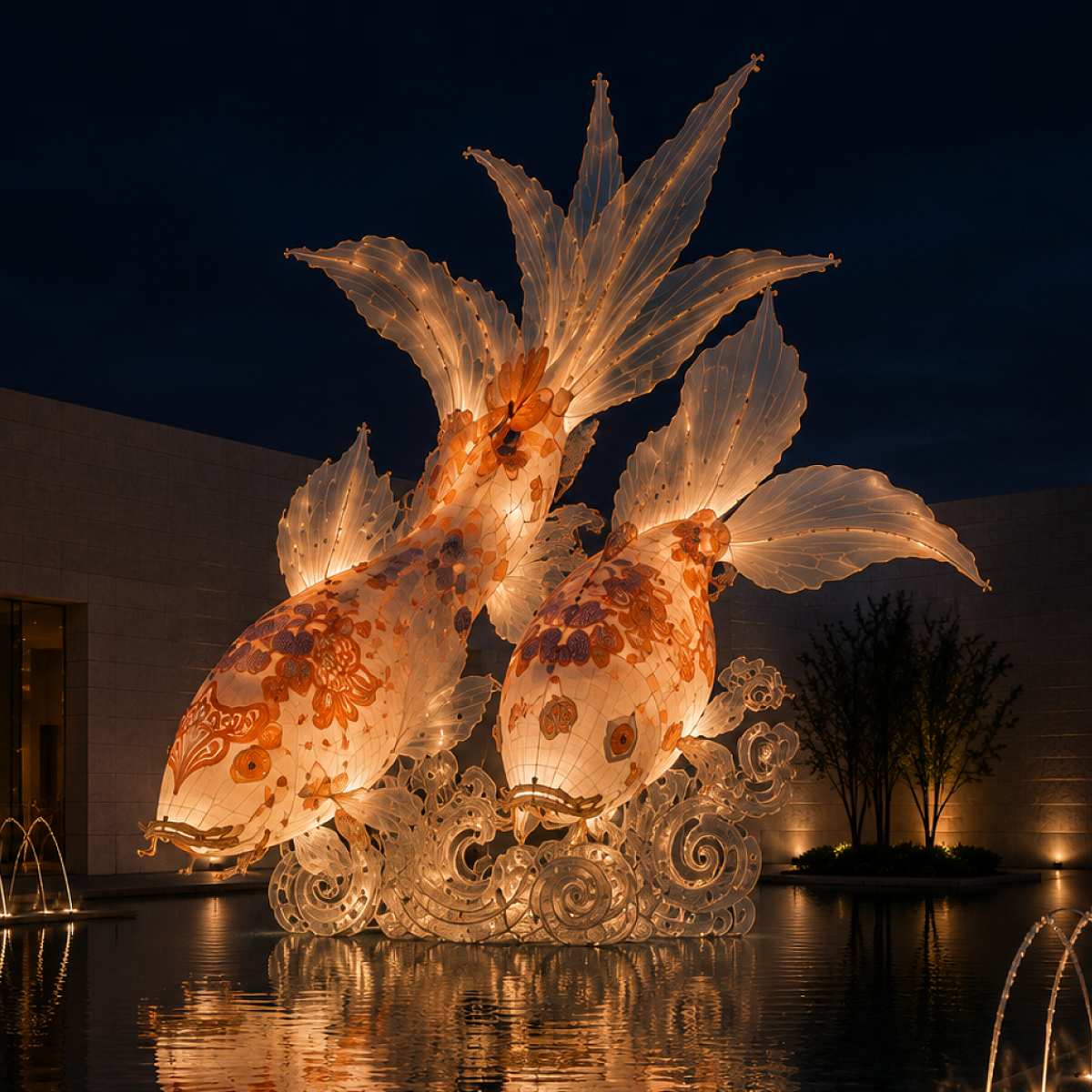
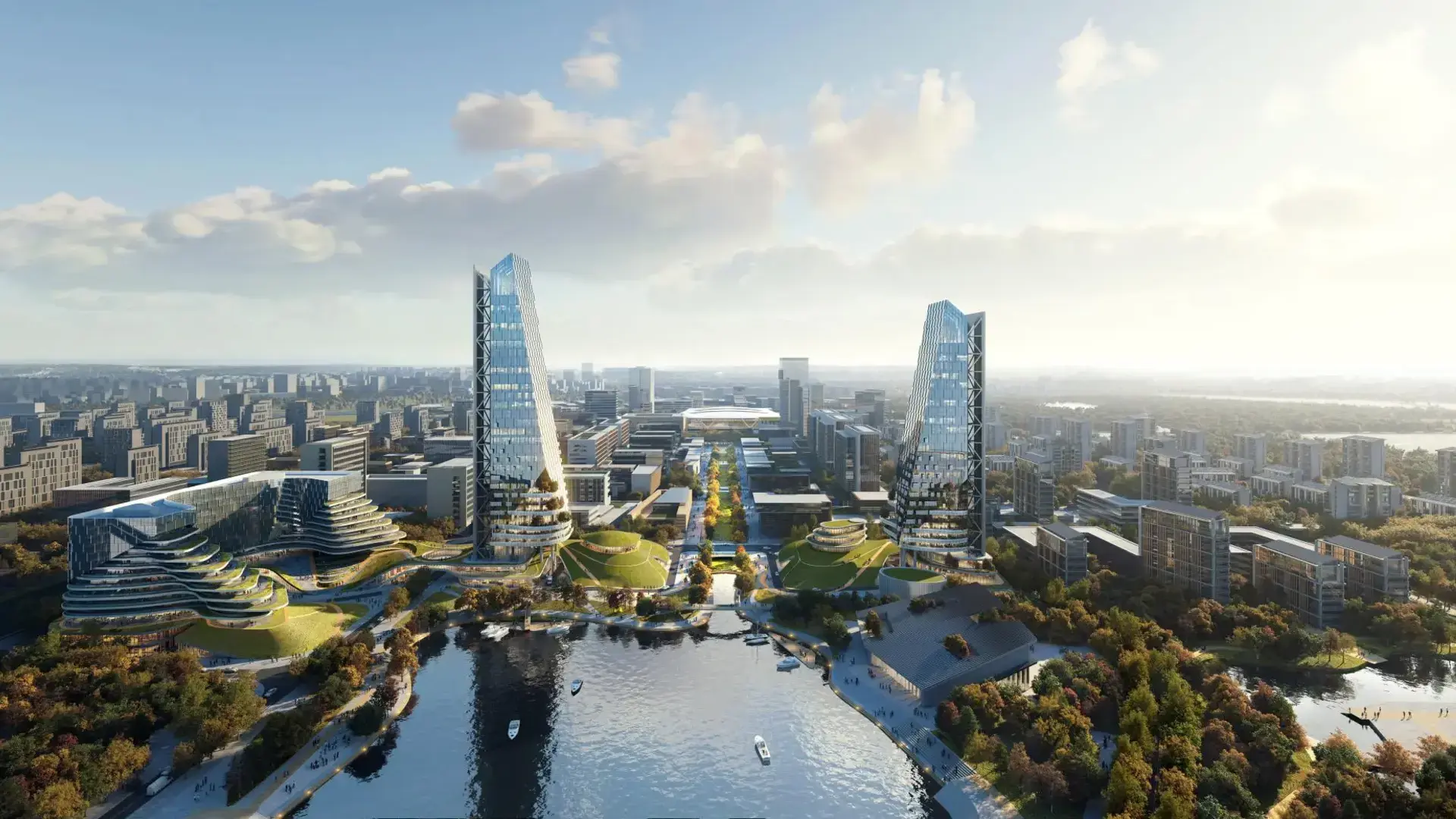
For the Quzhou Landmark project, I sought to create a design that integrates with the natural landscape, while symbolising the fusion of technology and nature. The idea was to build two towers that are both architectural and ecological landmarks, blending seamlessly into their surroundings while addressing the evolving needs of the city.
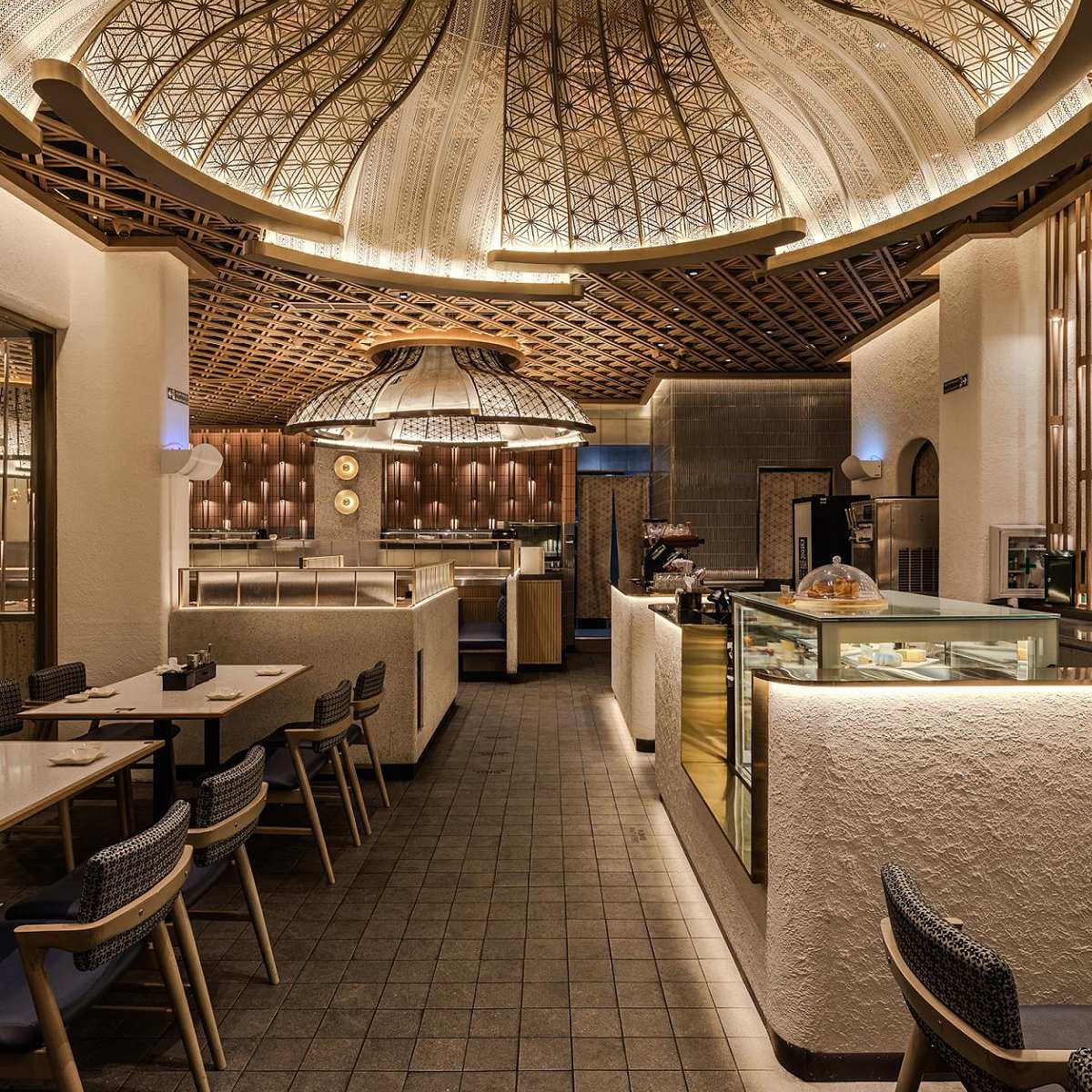
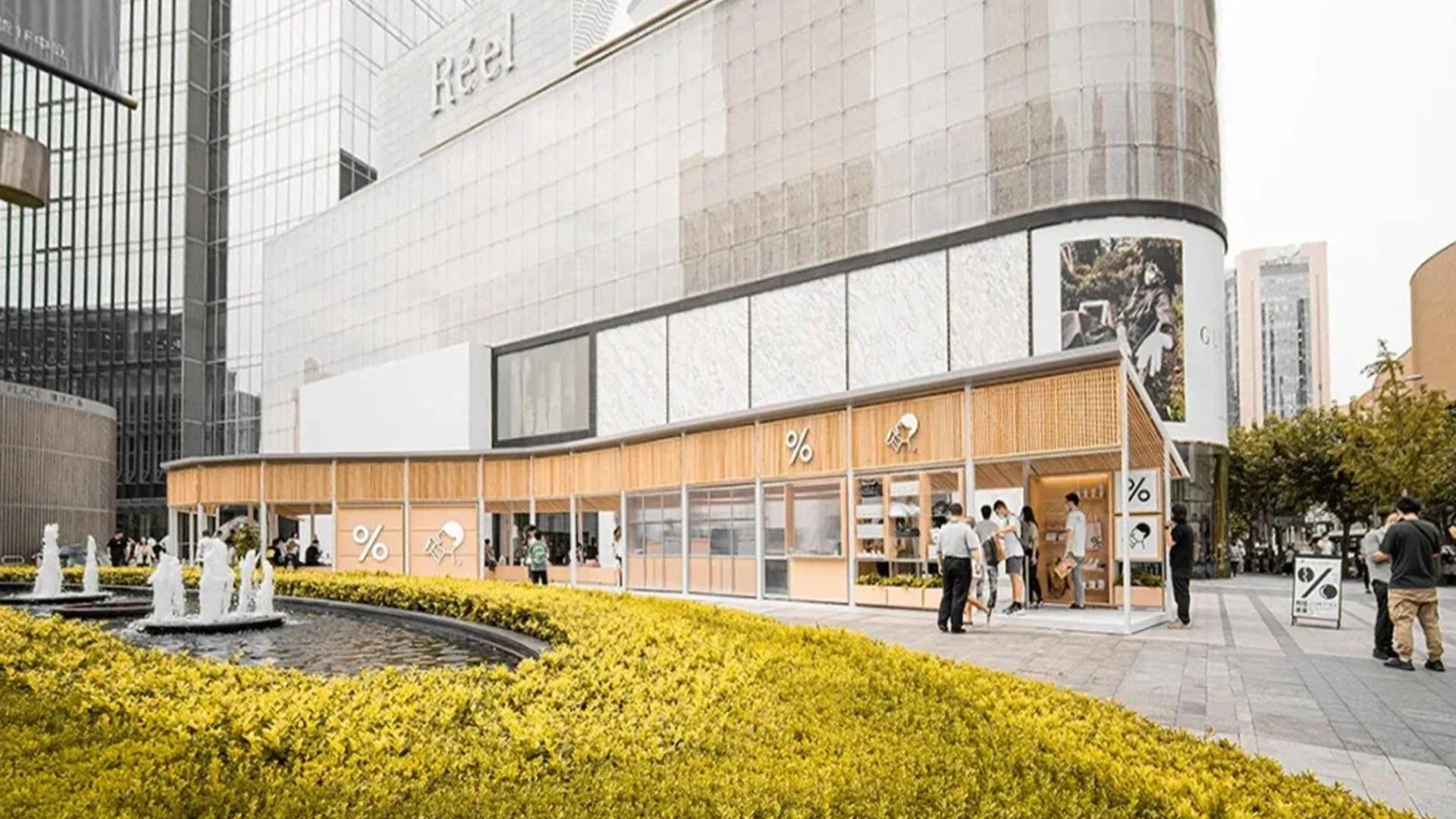
Similarly, for the Arabica & Heytea pop-up shop, I envisioned a temporary retail space that could offer both a sensory and immersive experience, designed to attract urban dwellers while maintaining a strong connection to local culture. Both projects focused on blending functionality with form, creating spaces that offer more than just aesthetic appeal but also foster human interaction.
The inspiration for the Quzhou Landmark was driven by the landscape of Quzhou itself—its undulating green hills and the cultural depth of the region. I wanted to create a space where the towers emerge as natural extensions of the land, embodying the phrase, "Heaven as Courtesy, Earth as Culture."
On the other hand, the Arabica & Heytea pop-up shop was inspired by the transient nature of modern urban spaces and the idea of creating a temporary but impactful cultural and social hub. The idea was to make the retail space not just a place to buy products but an environment that tells a story and fosters human connection, using light, materials, and flow to enhance the consumer experience.
Yes, growing up in China has deeply influenced my work. I’ve seen firsthand how rapid urbanisation can erase cultural identity. This has pushed me to ensure my designs always respect and incorporate cultural heritage, whether it’s in material choice, form, or spatial layout.
Winning the French Design Award is a significant recognition of our team’s efforts to push the boundaries of design. It validates our approach to integrating architecture with culture, technology, and sustainability, and it motivates us to continue pursuing projects that challenge the norm.
The Quzhou Landmark project was chosen because it embodies the balance between innovation and heritage. It was designed to be a functional, technological hub that also respects and enhances its natural and cultural surroundings. We entered it to showcase how architecture can integrate with its environment in meaningful ways.
One of the main challenges was balancing the technological aspects of the design with the need to preserve the natural landscape. We overcame this by using innovative construction techniques and materials that are both sustainable and respectful of the environment, allowing the project to blend into its setting while standing out.
Winning this award will elevate our practice, opening doors for more ambitious projects. It also reinforces our commitment to creating designs that go beyond aesthetics, offering meaningful interactions between people and their environments.
1. The ability to shape and improve people’s lives through thoughtful design.
2. The interdisciplinary nature, allowing collaboration with various fields.
3. The constant evolution of technology that opens up new design possibilities.
What sets my designs apart is my deep commitment to creating not just architectural spaces, but meaningful places that foster human interaction and reflect the vibrancy of life. For example, the Quzhou Landmark project integrates nature and technology in a way that both respects the natural landscape and provides a futuristic solution to urban development.
I aim to create designs that are not just visually compelling, but also rich in cultural context, functionality, and sustainability. Each of my projects is deeply rooted in understanding the needs of its users and the environment, which drives me to approach every design with fresh, innovative ideas.
I believe the next 5-10 years will see a heightened focus on sustainable and adaptive design. Architects and designers will increasingly incorporate ecological awareness into their work, using new materials and technologies to reduce environmental impact. The role of interdisciplinary collaboration will also expand, with projects blending urban design, architecture, and digital media to create more connected, responsive environments.
Urban spaces will become more flexible and multi-functional, designed to adapt to changing societal and environmental needs. The design industry will likely embrace more hybrid forms, where physical structures and digital spaces intertwine.
My advice is to embrace the complexity of your projects, not just their aesthetics. Understand the site, the users, and the environment in-depth before developing your design. Always ask yourself: how does this project improve the lives of those who will experience it?
Focus on the experience you're creating, not just the form. Also, be willing to take risks and explore unconventional ideas. Don’t be afraid to challenge traditional boundaries, and always remain curious and open to collaboration across disciplines.
Books and journals that explore the intersection of architecture, urbanism, and technology are a great start. I would recommend reading publications like Architectural Review, Domus, and Dezeen. Beyond literature, hands-on experience is essential—seek out internships, design workshops, or competitions to push your creative boundaries.
Additionally, learning digital tools like Rhino, Grasshopper, and BIM software will give you an edge in the evolving digital landscape. Networking and interdisciplinary collaboration are also key resources to expand your perspective.
One of my earliest inspirations came from walking through an old food market in Beijing. The chaos of the vendors, the smells of fresh produce, and the conversations between strangers all felt like an integral part of the city’s soul.
That market was later replaced by a supermarket, and it made me reflect on how modern development often erases such vital elements of urban life. This memory has since become a central driving force behind my desire to design spaces that preserve and amplify the vitality of everyday human interactions.
One of my greatest inspirations has been my professor at Tsinghua, Zhaoye Guan. His approach to architecture is deeply philosophical, with a focus on the relationship between built environments and human experiences. He taught me the importance of understanding not just the technical aspects of architecture, but also its emotional and cultural dimensions. His emphasis on creating spaces that resonate with people’s daily lives has significantly shaped my approach to design.
My key to success has been a commitment to continuous learning and a deep curiosity about how people interact with their environments. Every project presents an opportunity to learn something new, whether it’s from the site, the users, or the team I’m working with.
My advice would be to embrace the challenges and complexities of each project, stay grounded in the needs of the people you’re designing for, and never stop exploring new ideas and perspectives.
I would just like to emphasise how important it is for designers to remain engaged with the communities they’re designing for. Architecture and design aren’t just about creating beautiful objects—they’re about enhancing life and fostering connection.
As we move forward, I hope we can all focus on creating environments that are not only innovative but also deeply meaningful to the people who inhabit them.
Read about the interview with Zhimin Ma, Yihan Huang & Siran Chen | Group of Architecture and Landscape Designers here.