
Design & Inspiration
Jiaying Qu on Rethinking Spatial Form Through Innovative Seating
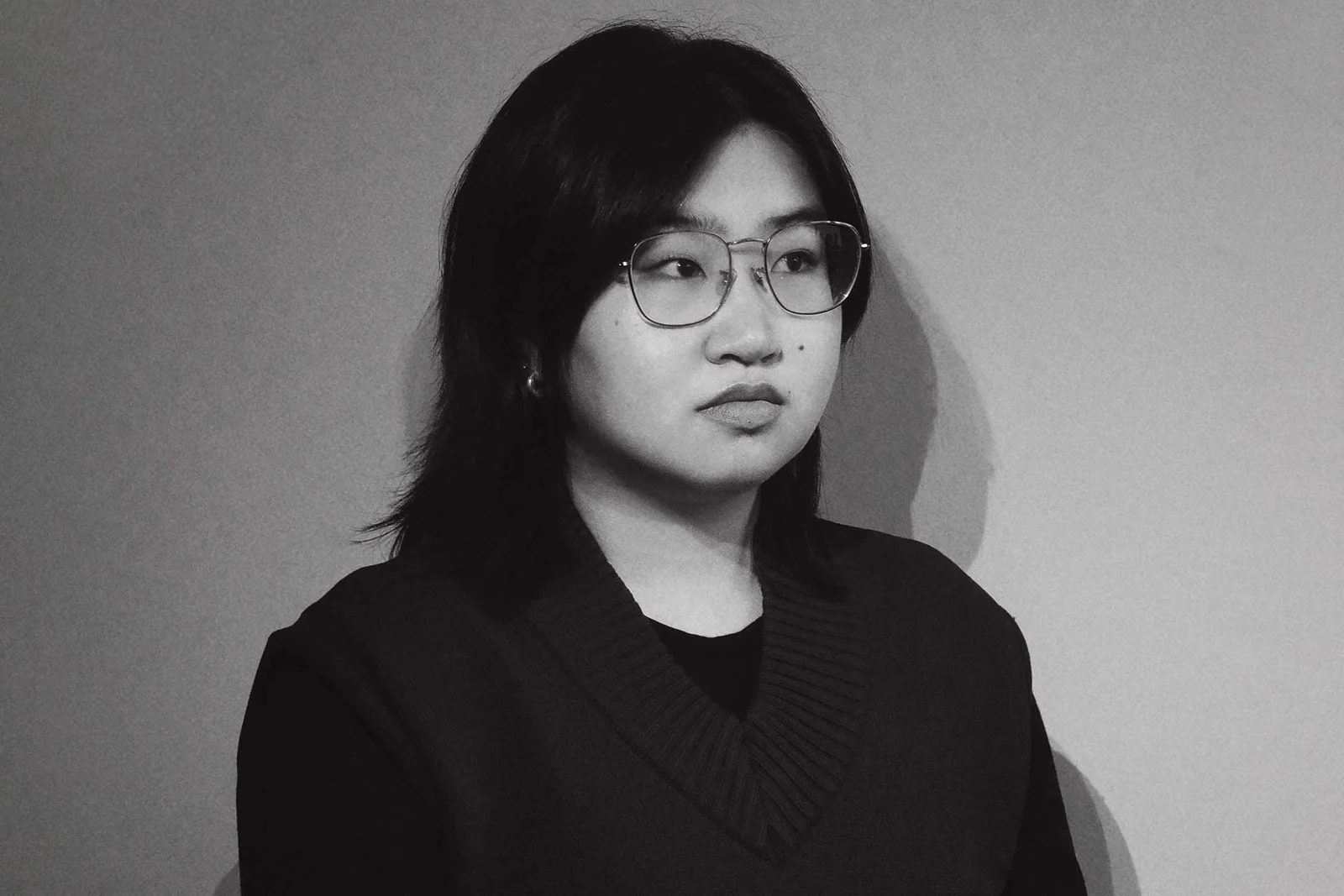
Jiaying Qu
Jiaying Qu is an interior architect whose journey led to a focus on interior architecture, where she explores the seamless integration of architecture, interior design, and furniture to create cohesive, interconnected spaces.I am an interior architect currently working in New York, with a design practice that integrates architecture, interior design, and furniture design. I hold a Bachelor's degree in Architecture and furthered my studies with a Master's in Architecture and Urban Design (MSAAD) from Columbia University's GSAPP. Over the course of my architectural journey, I gradually shifted towards the field of interior architecture.
I strive to break the boundaries between architecture, interior design, and furniture design, seeking to create a seamless integration where each element enhances and informs the others.
I have been deeply fascinated by architecture since childhood. The exquisite works of Gaudí opened the door to architectural aesthetics for me at a young age. Upon entering university, I began studying architectural design, which ultimately led me to become an architect.
Currently, my architectural practice is primarily focused on interior architecture. The main areas of my work include architectural design, residential interior architecture, and integrated furniture design.
My personal practice focuses on exploring spatial elements at different scales, aiming to achieve balance and transformation within those spaces.
For me, design offers a new perspective to explore the world, allowing me to think about and discover ways to transform and optimize space. It keeps my thinking active and constantly evolving, making my daily life both interesting and creatively fulfilling.
The design direction I find most captivating is the exploration of different scales within architecture, particularly the smaller-scale elements like furniture. The act of balancing and weaving together spatial elements of varying scales is an endlessly intriguing pursuit for me.
While large-scale public designs are important, I find that designing at the human scale offers a more intimate connection — one that resonates deeply with my emotions and personal experience, making the design process feel more visceral and meaningful.
For me, the most important aspect of good design is fresh ideas and innovation. Even if the prototypes or initial versions of a design are not entirely practical, the spark of new inspiration is already a step forward — a sign of progress and creative evolution.
My design style integrates characteristics from different disciplines. Multidisciplinary crossover is an area I’ve always enjoyed exploring. So, rather than creating interiors typical of an architect’s work or furniture that a designer would typically make, I prefer that the buildings or furniture I design embody a more holistic and integrated essence.
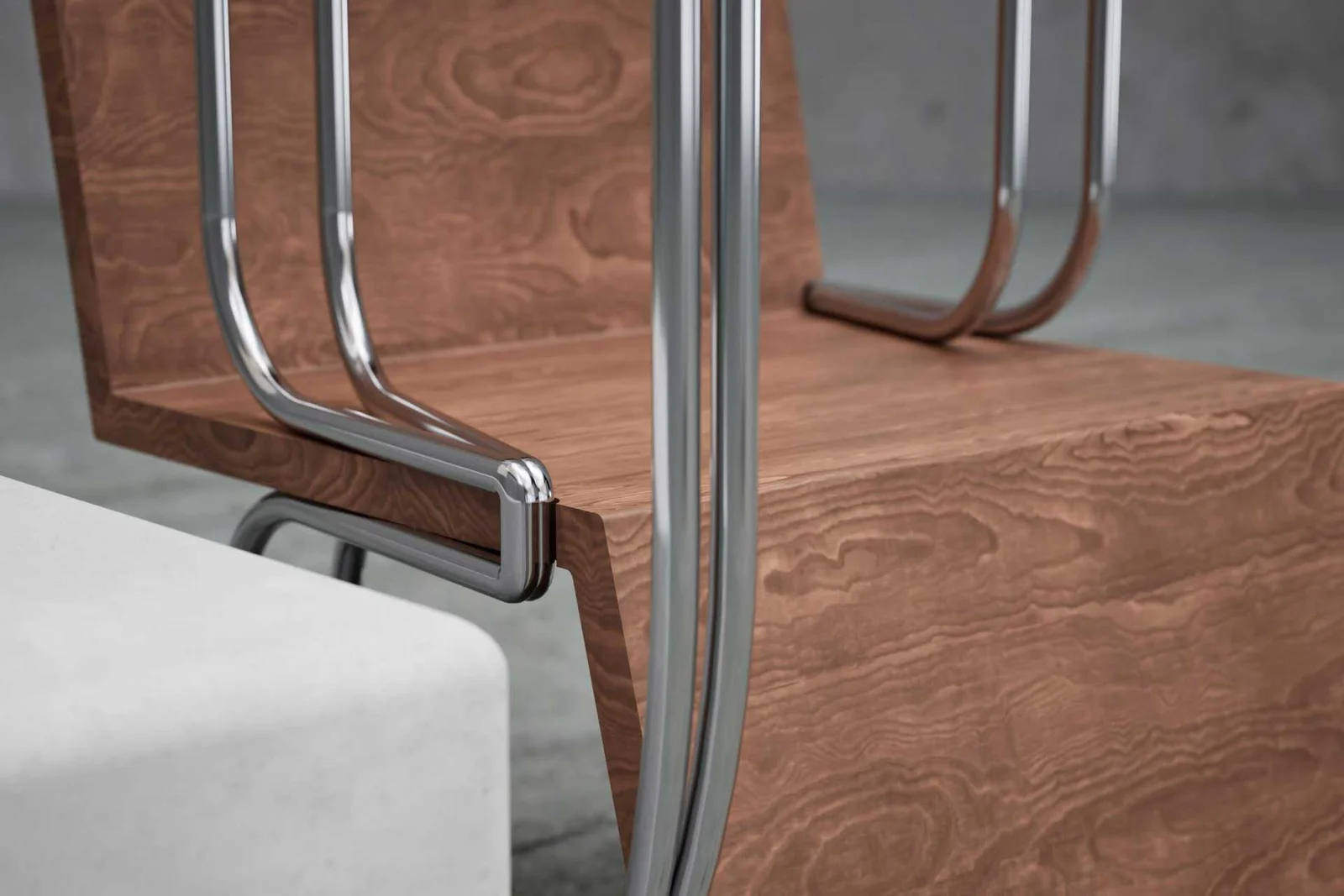
For furniture design, I start by identifying a core theme to explore. For example, with the F&C chair, the core theme I wanted to explore was the transformation between positive and negative space.
From there, the rest of the design process revolves around this central concept. Through extensive prototyping and simulation, I gradually refine the design to meet aesthetic standards.
For our team, we are very happy to receive recognition from the MUSE Design Awards. We know that many large, professional design firms compete and win in these awards.
As a small architectural team of just two people, it is an honor for our work to be acknowledged with such a prestigious commercial award. This recognition also motivates us to create even more works in the future.
The F&C Chair transcends conventional seating, conceived by an architect who redefines the symbiosis between spatial form and human posture. Through an architectural lens, the F&C Chair embodies a synthesis of two distinct sitting elevations: the elevated perch of a 750mm bar stool and the relaxed repose of a 350mm lounge chair.
This duality is elegantly resolved within a single form, where a 180-degree rotation transforms the chair's function and identity, challenging the boundaries of traditional furniture design. We chose to submit this work because it captures our perspective as architects on the relationship between furniture and space, offering a deeper, multidimensional understanding.
The design also resonates with our approach to integrated thinking in our daily practice. In essence, architecture and furniture are intertwined, each influencing and elevating the other.
The biggest challenge in designing this chair was balancing the interpretation of the concept of reversal while maintaining its functionality. Additionally, approaching such a small scale from an architect’s perspective, especially in comparison to architecture, was also a difficult task.
Receiving this award has further motivated us to continue exploring design across multiple scales and to think more deeply about the various elements within the architectural dimension. It also opens up new possibilities for expanding the scope of our work and our professional horizons.
Design tools are advancing rapidly, and achieving visually stunning effects has become increasingly easier. I believe that in the future, design will place more emphasis on production processes, practical costs, and the sustainability of materials. There will also be greater room for exploration in the finer details.
I would recommend that architects pay more attention to classic interior and furniture design as well. Architecture, as a vessel for space, is deeply intertwined with how the interior spaces are presented and how people interact with them.
Many modernist architectural masters, for example, Le Corbusier, created iconic furniture pieces such as the LC series sofas. Revisiting the works of these classic masters is incredibly beneficial for both architectural and furniture design.
In closing, it brings us immense joy and honor to have our design philosophy embodied in this chair, and to have it recognized with the MUSE Design Awards. We believe that the fusion of disciplines related to space will shape the future of design, and we hope our work can keep pace with this evolution, sparking further dialogues and reflections on the essence of space.
Winning Entry
Explore the journey of Hao Liu, the Gold Winner of the 2024 MUSE Design Awards. He is a visual and cultural creative designer with experience working on brand collaborations and government cultural projects in China, building extensive hands-on expertise across diverse industries.
Latest Posts
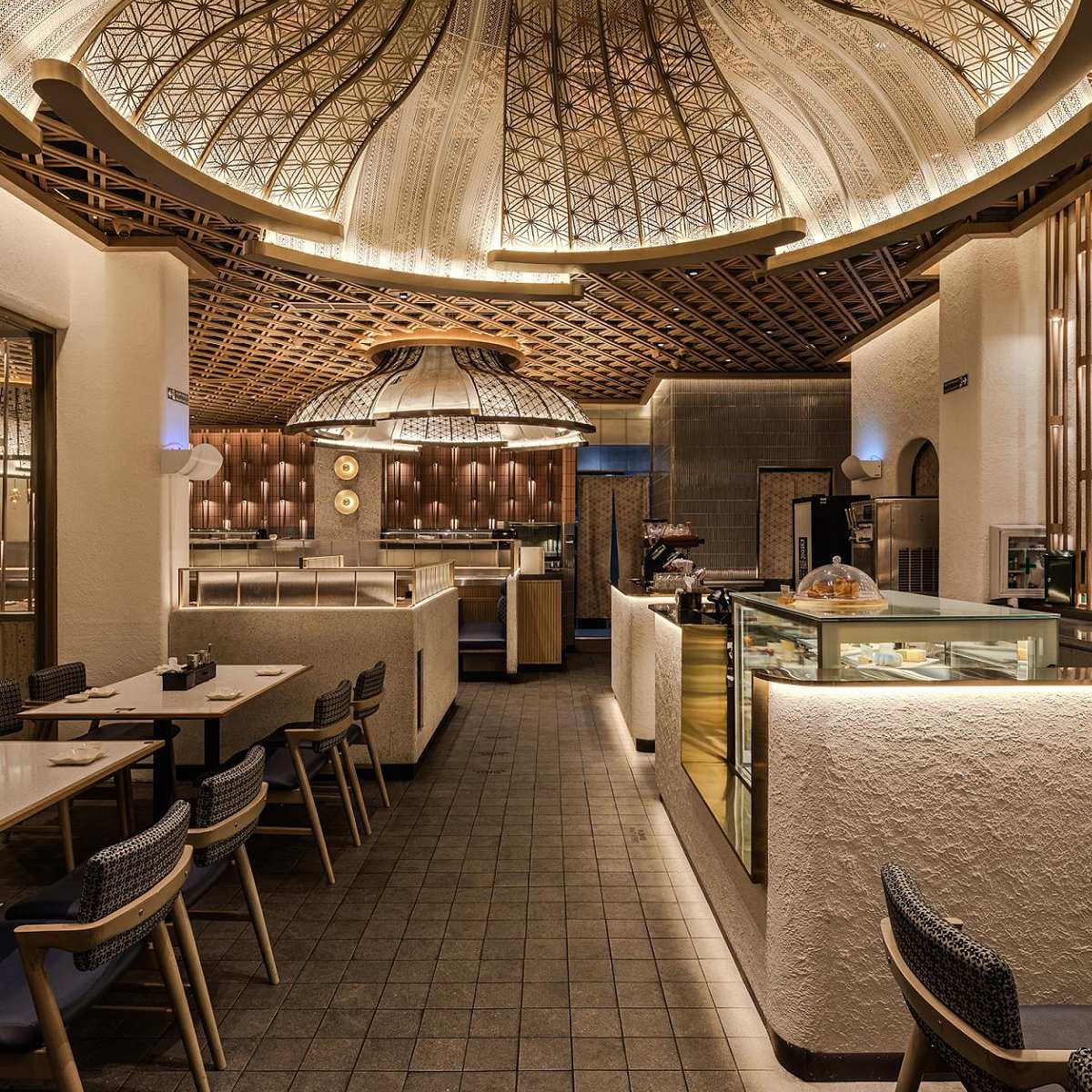
MoMo.Co.,Ltd. Creates a Refined Dining Environment for Sushi Tei Jawa
SEPTEMBER 28, 2026

2026 Global Photography Awards Reveals Photographers of the Year an...
SEPTEMBER 25, 2026

How Many Awards Should You Enter? (Strategy Guide)
SEPTEMBER 23, 2026
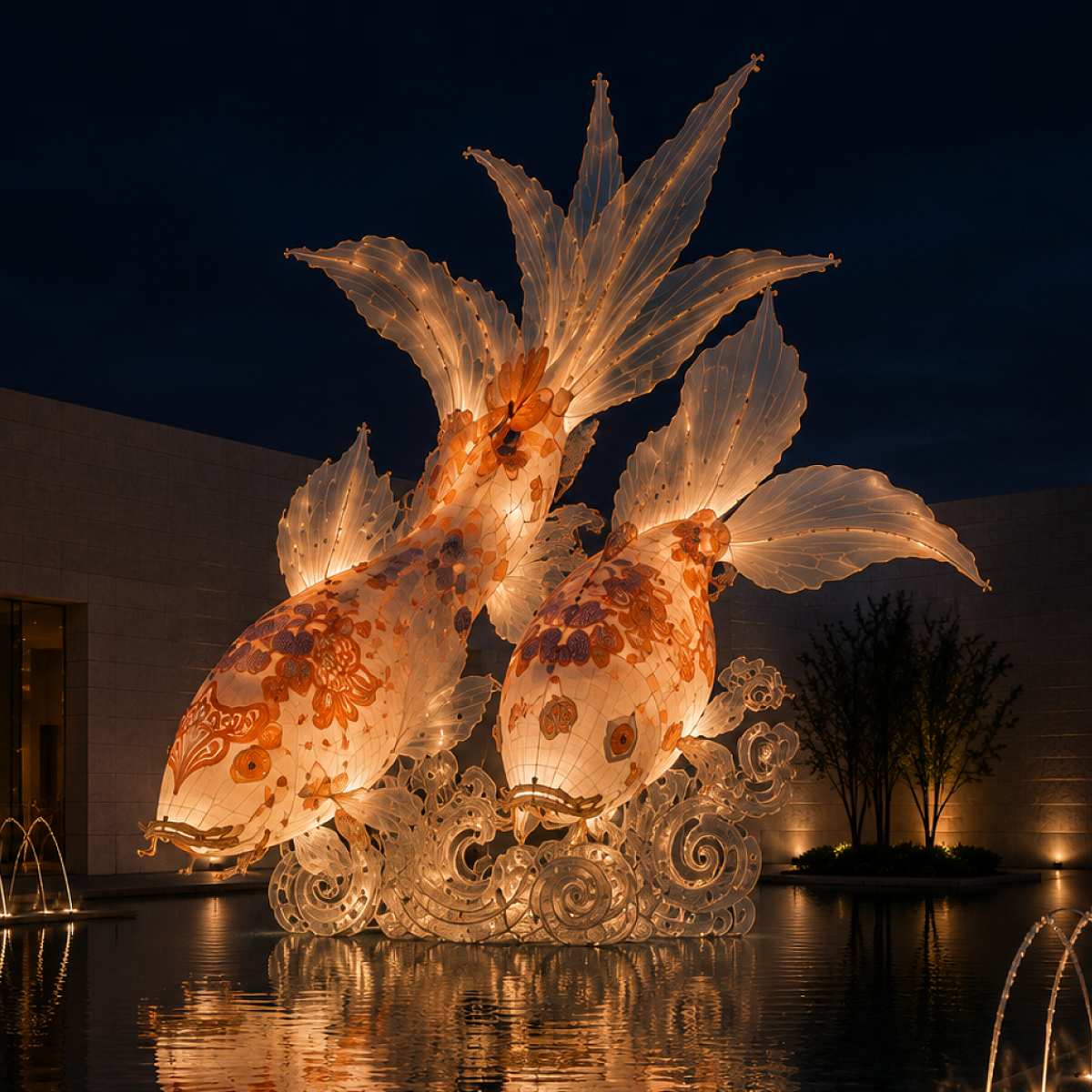
Interactive Light Installation: Before Fish Become Birds Creates a ...
SEPTEMBER 22, 2026
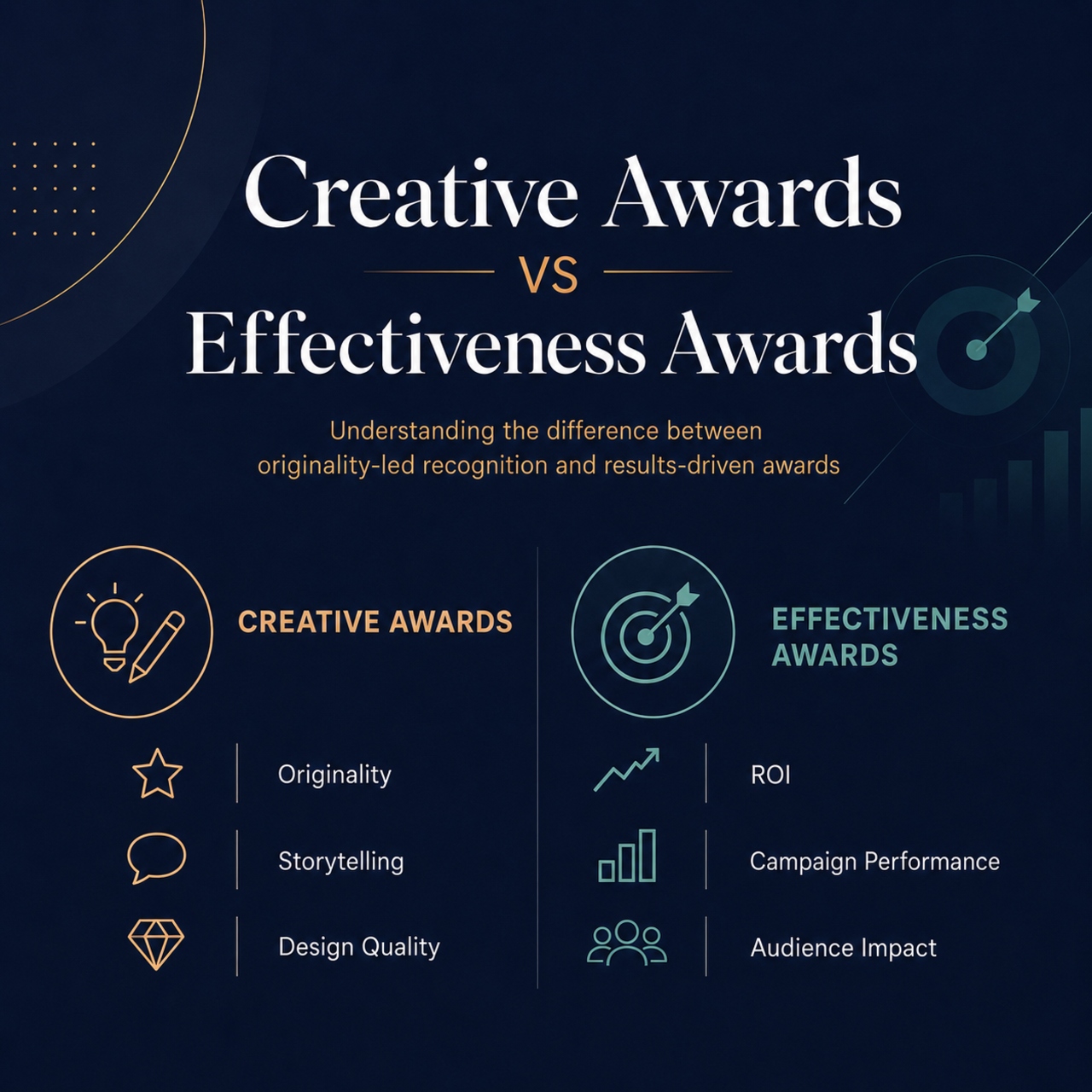
Creative vs Effectiveness Awards | Key Differences Explained
SEPTEMBER 21, 2026

Tonic DNA Brings Highmark’s (un)Hungry Community Story to Life Thro...
SEPTEMBER 17, 2026

Marketing Awards for Startups | Small Business Awards Guide
SEPTEMBER 16, 2026

National Geographic, SDRATS & CICC Capture Life at the Yellow River...
SEPTEMBER 16, 2026

2027 French Design Awards Opens Global Entries for Design Excellence
SEPTEMBER 15, 2026

2027 French Fashion Awards Opens Global Call for Entries
SEPTEMBER 15, 2026

IAA GLOBAL AWARDS
MUSE Awards
Vega Awards
NYX Awards
TITAN Awards
- TITAN Business Awards
- TITAN American Business Awards
- TITAN Property Awards
- TITAN Women in Business and Leadership Awards
- TITAN Health Awards
- TITAN Innovation Awards
- TITAN Brand Awards