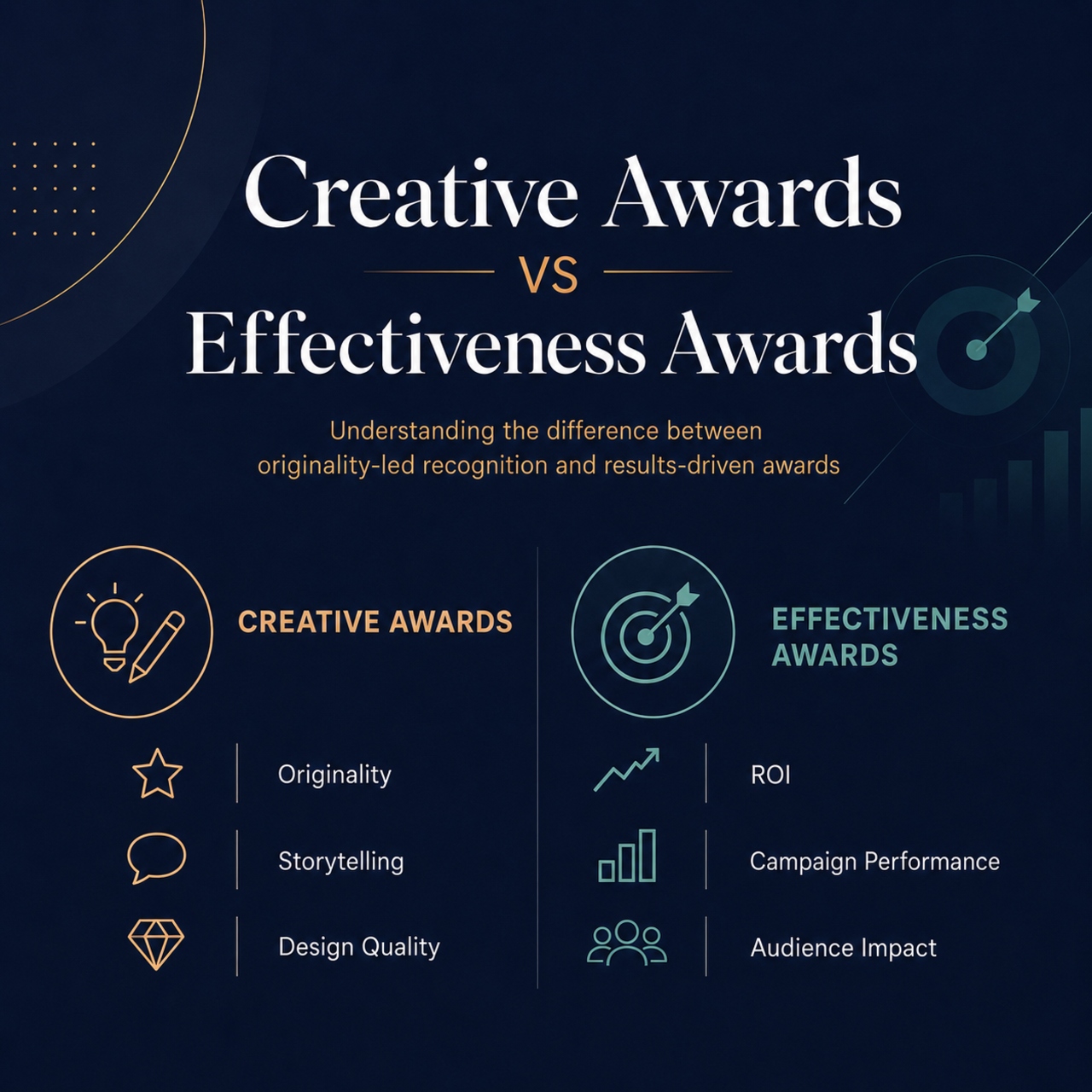

Creative vs Effectiveness Awards | Key Differences Explained
SEPTEMBER 21, 2026

Viswakanth Makutam is a clinical research professional with over five years of experience supporting clinical trials across oncology, vaccines, and other critical health areas. A Doctor of Pharmacy graduate, he has contributed to major studies including COVID-19, RSV, and influenza trials, while also publishing peer-reviewed research and presenting at the SOCRA Annual Conference.
My name is Viswakanth Makutam and I hold a Doctor of Pharmacy (PharmD) degree and a Master’s degree in Applied Clinical Research, with more than 5 years of experience in the healthcare and clinical research industry. My work spans key therapeutic areas, including infectious diseases, oncology, autoimmune disorders, ophthalmology, and metabolic diseases.
I have played a pivotal role in major vaccine clinical trials, including COVID-19, RSV, influenza, and Lyme disease, with a focus on data quality, regulatory compliance, and quality assurance oversight. Currently, I contribute to global health initiatives by evaluating protocol compliance, overseeing data integrity, and conducting quality audits for high-impact clinical trials.
My work supports regulatory submissions such as NDAs and helps ensure trials are conducted in alignment with ICH-GCP and FDA standards. In addition, I actively serve as a peer reviewer for multiple internationally recognized journals, including Clinical Researcher and Advanced Research Publications, and have presented at national conferences such as SOCRA. I also contribute to industry-wide resources, including the Multi-Regional Clinical Trials (MRCT) Center’s Clinical Research Glossary initiative.
My diverse expertise—from site-level research operations to global quality strategy—enables me to critically assess healthcare innovations for scientific rigor, clinical relevance, and real-world impact. I believe this perspective will add significant value to the judging process by recognizing entries that demonstrate both innovation and integrity in improving healthcare outcomes.
My motivation to become a judge for the TITAN Health Awards stems from a deep commitment to advancing meaningful innovation in healthcare. Throughout my career in clinical research, I have witnessed firsthand how groundbreaking ideas, when executed with scientific rigor and patient-centered values, can transform lives.
Serving as a judge allows me to contribute to recognizing and amplifying innovations that have the potential to reshape healthcare delivery, access, and outcomes. What excites me most about this role is the opportunity to engage with diverse, forward-thinking projects that span the healthcare continuum—from digital health tools and novel therapeutics to patient engagement strategies and system-level improvements.
I look forward to evaluating these initiatives not only for their creativity but also for their real-world applicability, ethical grounding, and potential for long-term impact. Being part of this process aligns perfectly with my professional values and gives me the opportunity to support excellence and leadership in healthcare innovation.
In my view, a successful healthcare innovation must possess five key attributes:
1. Patient-Centered Design:
The most impactful innovations are those that prioritize patient needs, safety, and accessibility. Whether it is a new treatment, digital tool, or care delivery model, it should aim to improve patient outcomes and experiences in meaningful ways.
2. Scientific and Clinical Rigor:
Any healthcare innovation must be backed by strong clinical evidence, adhere to regulatory standards, and demonstrate measurable efficacy and safety. Rigor ensures credibility and facilitates successful integration into mainstream healthcare.
3. Scalability and Sustainability:
An innovation should have the potential to scale across populations and settings without losing effectiveness or quality. Sustainability also includes considerations around cost, resource use, and long-term implementation.
4. Interdisciplinary Collaboration:
Innovations that emerge from collaboration among clinicians, researchers, technologists, and patients tend to be more robust and practical. Diversity of perspectives often leads to more comprehensive and inclusive solutions.
5. Ethical Integrity and Compliance:
Especially in healthcare, it is essential that innovations respect patient rights, privacy, and ethical standards. Compliance with regulatory frameworks such as ICH-GCP and FDA guidance is critical for trust and adoption.
These qualities together define innovations that are not only novel but also capable of making a lasting and meaningful impact on healthcare systems and patient lives.
I stay actively engaged with the latest advancements and trends in the healthcare sector through a combination of professional involvement, continuous learning, and curated resources. I regularly review peer-reviewed journals to stay informed about current clinical studies, regulatory updates, and evidence-based practices. I also subscribe to regulatory agency newsletters to monitor changes in clinical trial guidelines, drug approvals, and quality frameworks.
In addition, I participate in industry conferences and professional forums such as SOCRA, ACRP, and DIA. These events not only offer insights into emerging trends but also provide opportunities for knowledge exchange with global thought leaders and innovators. Serving as both a peer reviewer and presenter also keeps me engaged with the latest developments in scientific publishing and research methodology.
I also use digital platforms such as LinkedIn, PubMed alerts, and ClinicalTrials.gov to track real-time updates on ongoing research, health technology innovations, and global clinical trial activity. This multifaceted approach enables me to maintain a well-rounded, up-to-date perspective on healthcare innovation, regulation, and clinical research trends—essential for both my professional work and my role as a judge for the TITAN Health Awards.
As a clinical research professional, I have had the opportunity to evaluate healthcare innovations at various stages—from protocol design and data integrity reviews to the real-world implementation of novel therapies and digital solutions. One notable experience involved reviewing clinical trial protocols and patient engagement technologies proposed by a startup focused on remote monitoring for vaccine trials.
My role was to assess the feasibility, regulatory compliance, and potential patient impact of these tools. I collaborated with cross-functional teams to analyze whether the innovation enhanced data collection, improved patient adherence, and maintained GCP standards. This process sharpened my ability to critically evaluate not just the novelty of an idea, but also its scalability, compliance alignment, and real-world utility.
Through this experience, I learned that successful innovations strike a balance between creativity and compliance, and that user experience—especially from the patient and clinician perspective—is a critical but often overlooked determinant of long-term adoption. I also recognized the importance of asking the right questions about data security, ethics, and interoperability with existing systems.
These lessons have equipped me to assess healthcare innovations holistically, looking beyond the surface to evaluate long-term viability, regulatory readiness, and impact on the healthcare ecosystem.
One of the main challenges I anticipate in evaluating entries for the TITAN Health Awards is the diversity and breadth of submissions—from digital health platforms and medical devices to public health initiatives and clinical innovations. Each entry will likely vary in maturity, scope, and intended impact, making direct comparisons complex. Another challenge is ensuring that I remain objective while evaluating innovations across therapeutic areas or technological domains that may differ from my core expertise.
It is also critical to assess not only the novelty of an idea but also its feasibility, regulatory soundness, ethical considerations, and long-term sustainability. To address these challenges, I plan to apply a structured evaluation framework that considers multiple dimensions—scientific validity, patient-centeredness, scalability, compliance, and real-world applicability.
I will rely on my multidisciplinary background in clinical research, data quality, and regulatory oversight to assess entries thoroughly and fairly. When reviewing innovations outside my direct expertise, I will take a principled approach by focusing on universal criteria such as clarity of objectives, outcome data, patient benefit, and implementation potential, while remaining open to learning from the accompanying documentation.
Additionally, I value collaboration and would welcome guidance or discussion with fellow judges to ensure thoughtful, informed decisions. My goal is to maintain high standards while appreciating the creativity and impact behind each submission.
As a judge, I believe the key to balancing objectivity and subjectivity lies in using a structured, criteria-driven evaluation framework while still allowing room for insight and context. Objectivity comes from applying consistent standards—such as scientific validity, regulatory compliance, scalability, patient impact, and ethical soundness—across all submissions. These measurable criteria help ensure that each innovation is assessed fairly, regardless of its origin, scale, or format.
At the same time, I recognize that subjectivity plays a valuable role in appreciating the nuances of creativity, ambition, and the real-world barriers that innovators face. For example, a solution addressing a rare disease or underserved population may not score highly on commercial viability but could have significant long-term value and social impact. These are areas where professional judgment, empathy, and domain insight come into play.
To strike this balance, I will remain grounded in evidence-based evaluation while being mindful of the innovation’s broader context and potential. I also believe in transparency—clearly documenting the rationale behind each score to maintain integrity and fairness throughout the judging process. This approach ensures that promising ideas are recognized not just for meeting checkboxes but for their potential to create meaningful change in healthcare.
One particularly memorable healthcare innovation I encountered was during my work on a decentralized vaccine clinical trial that incorporated remote patient monitoring and eConsent technologies. The innovation combined wearable devices to track patient vitals in real time with a secure, user-friendly electronic informed consent (eConsent) system. It was implemented during the COVID-19 vaccine trials, when traditional site visits were limited due to public health restrictions.
What made this stand out was its ability to maintain clinical trial continuity without compromising data quality, patient safety, or regulatory compliance. It addressed several long-standing challenges in clinical research, such as improving patient retention, reducing site burden, and increasing accessibility for diverse populations who may otherwise struggle to participate in conventional trials.
This solution demonstrated a thoughtful blend of patient-centered design, technological innovation, and regulatory foresight. It also reinforced the idea that effective healthcare innovation does not always require reinventing the wheel—it can be about integrating existing tools in new, meaningful ways that improve efficiency and equity in care delivery.
This experience continues to influence how I evaluate innovations. I look for ideas that are not only novel but also pragmatic, scalable, and rooted in solving real-world challenges in healthcare.
When evaluating the potential impact of each healthcare innovation, I take a multidimensional approach that balances evidence, context, and long-term relevance.
1. Patient Benefit:
First and foremost, I assess how the innovation addresses a genuine healthcare need. Does it improve patient outcomes, enhance access to care, reduce disparities, or solve a long-standing clinical or operational challenge? Innovations that directly improve the patient experience or clinical decision-making stand out to me.
2. Scientific and Regulatory Validity:
I evaluate whether the innovation is backed by sound data, has been tested in relevant populations, and aligns with current clinical and regulatory standards. A promising idea must also demonstrate feasibility in real-world healthcare settings—not just in controlled environments.
3. Scalability and Sustainability:
I consider whether the innovation has the potential to scale beyond its initial pilot or use case. Is it cost-effective? Can it be integrated into existing workflows or healthcare systems without excessive burden?
4. Innovation and Uniqueness:
I look at how the solution differentiates itself—whether through technological advancement, novel methodology, or a creative approach to solving a persistent problem.
5. Ethical and Equity Considerations:
Finally, I assess whether the innovation has considered equity, inclusion, and ethical implications.
By using this structured approach, I ensure that each entry is evaluated not just on novelty but also on its ability to deliver meaningful, measurable, and lasting impact within the healthcare ecosystem.
Yes, I have been involved in mentoring early-stage healthcare startups, particularly those focused on clinical research services, digital health tools, and patient recruitment platforms. My support has included advising on protocol design alignment with regulatory standards, improving data quality processes, and identifying key risks in clinical operations and compliance.
One of the key insights I have gained from these experiences is that while many startups are strong in innovation and enthusiasm, they often need guidance in areas such as regulatory navigation, scalability planning, and integration with real-world clinical workflows. I have found that impactful mentorship involves helping founders bridge the gap between a great idea and a viable, sustainable solution that works within the complex ecosystem of healthcare delivery.
These experiences have sharpened my ability to identify both the potential and the pitfalls in healthcare innovation. As a judge, I will bring this perspective—looking not only at the creativity of an idea but also at how well it has been thought through in terms of execution, compliance, patient impact, and long-term viability.
My advice to healthcare innovators entering the awards is to clearly articulate the real-world problem your innovation addresses and how your solution meaningfully improves patient care, health outcomes, or system efficiency. Don’t just focus on novelty—focus on impact, feasibility, and sustainability.
Here are a few key points to consider:
1. Tell a compelling story:
Share the “why” behind your innovation. What inspired it? Who does it serve? Ground your presentation in patient or provider needs, and explain how your solution meets them in a unique or more effective way than current approaches.
2. Back it with evidence:
Even at an early stage, support your claims with data—pilot results, clinical metrics, user feedback, or published studies. Demonstrating measurable benefits builds trust and credibility with the jury.
3. Highlight implementation readiness:
Show that your innovation is more than just a concept. Clarify how it can be deployed in real-world settings, integrated into existing workflows, or scaled across different populations or systems.
4. Address regulatory and ethical aspects:
Especially in healthcare, showing awareness of compliance, patient safety, data privacy, and health equity considerations strengthens your case and demonstrates responsibility.
5. Make your submission clear and focused:
Avoid jargon and overly technical language. Use visuals or summaries to clearly convey your innovation’s purpose, process, and potential.
Ultimately, your submission should communicate not only what your innovation is, but also why it matters. The strongest entries combine passion with precision and vision with viability.