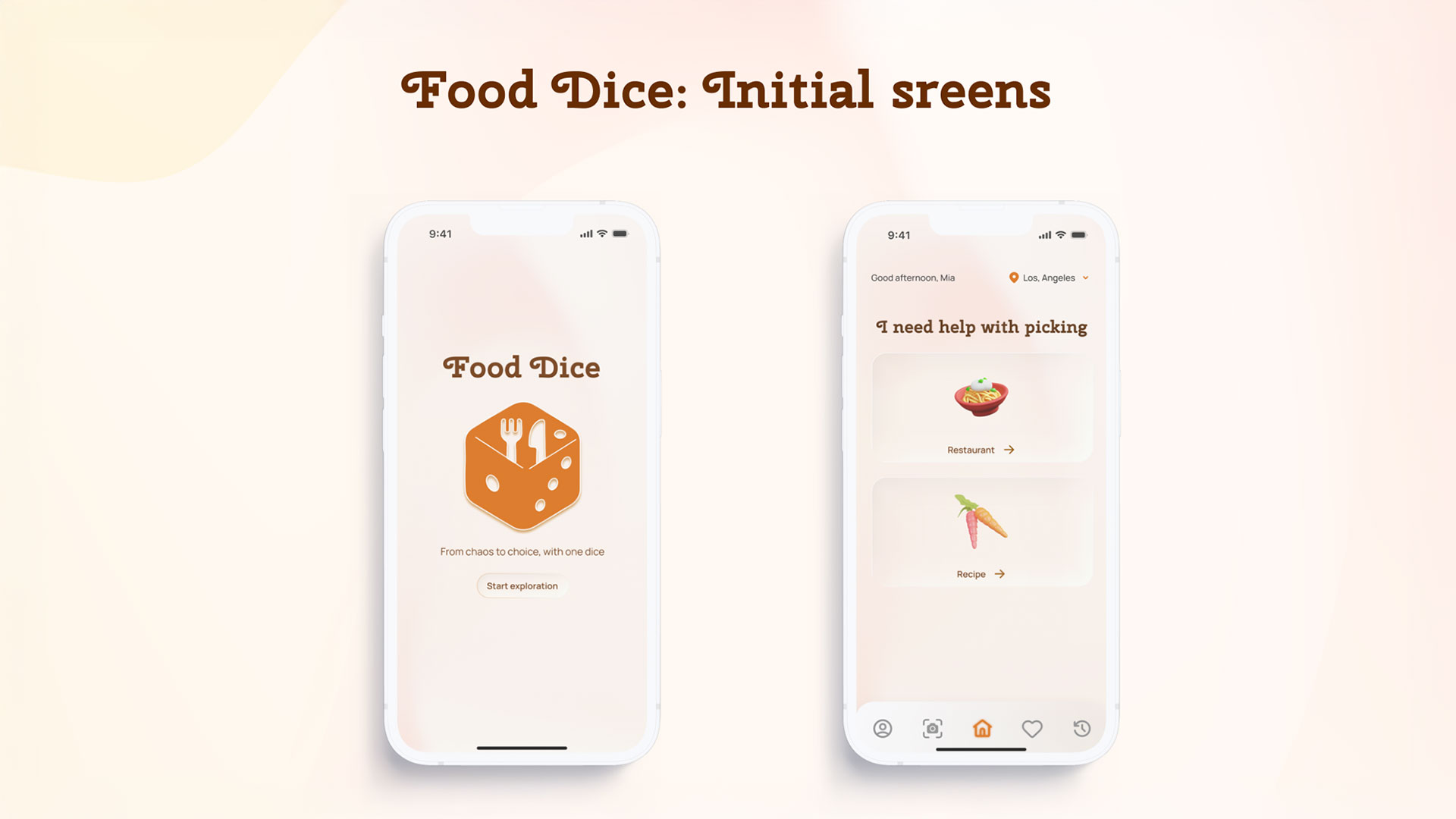
Food Dice
Food Dice is a mobile application concept designed to resolve everyday indecision about what to...
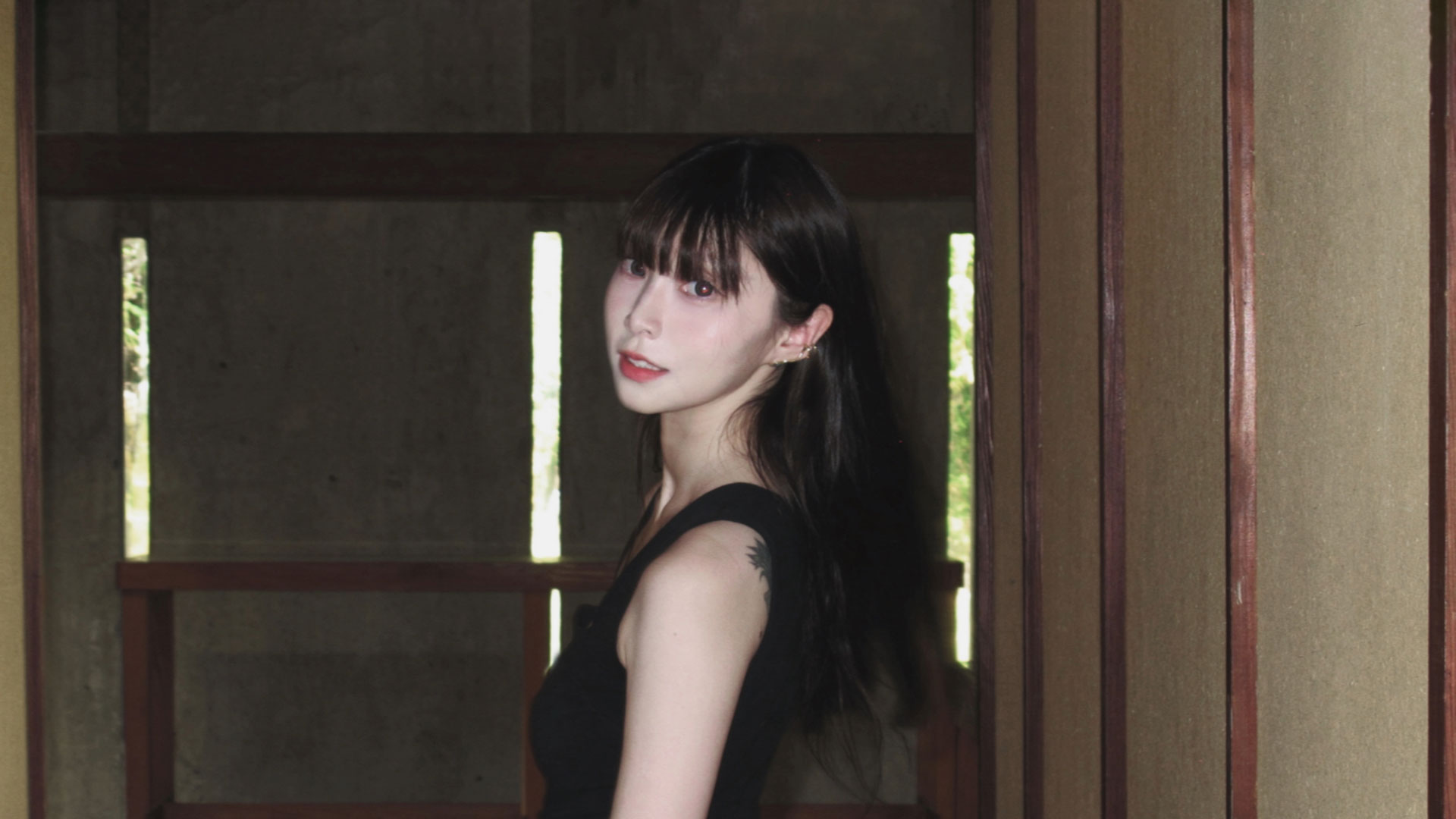
Lingjie “Mia” Guo is a UX designer based in Los Angeles with a foundation in psychology and human–computer interaction. She approaches design as translation rather than decoration — transforming complex systems into experiences people can trust, understand, and engage with intuitively.
I’m Lingjie “Mia” Guo, a UX designer based in Los Angeles. My journey began with a background in psychology and human–computer interaction, where I learned that design is not decoration but translation—turning complex systems into experiences people can trust and understand.
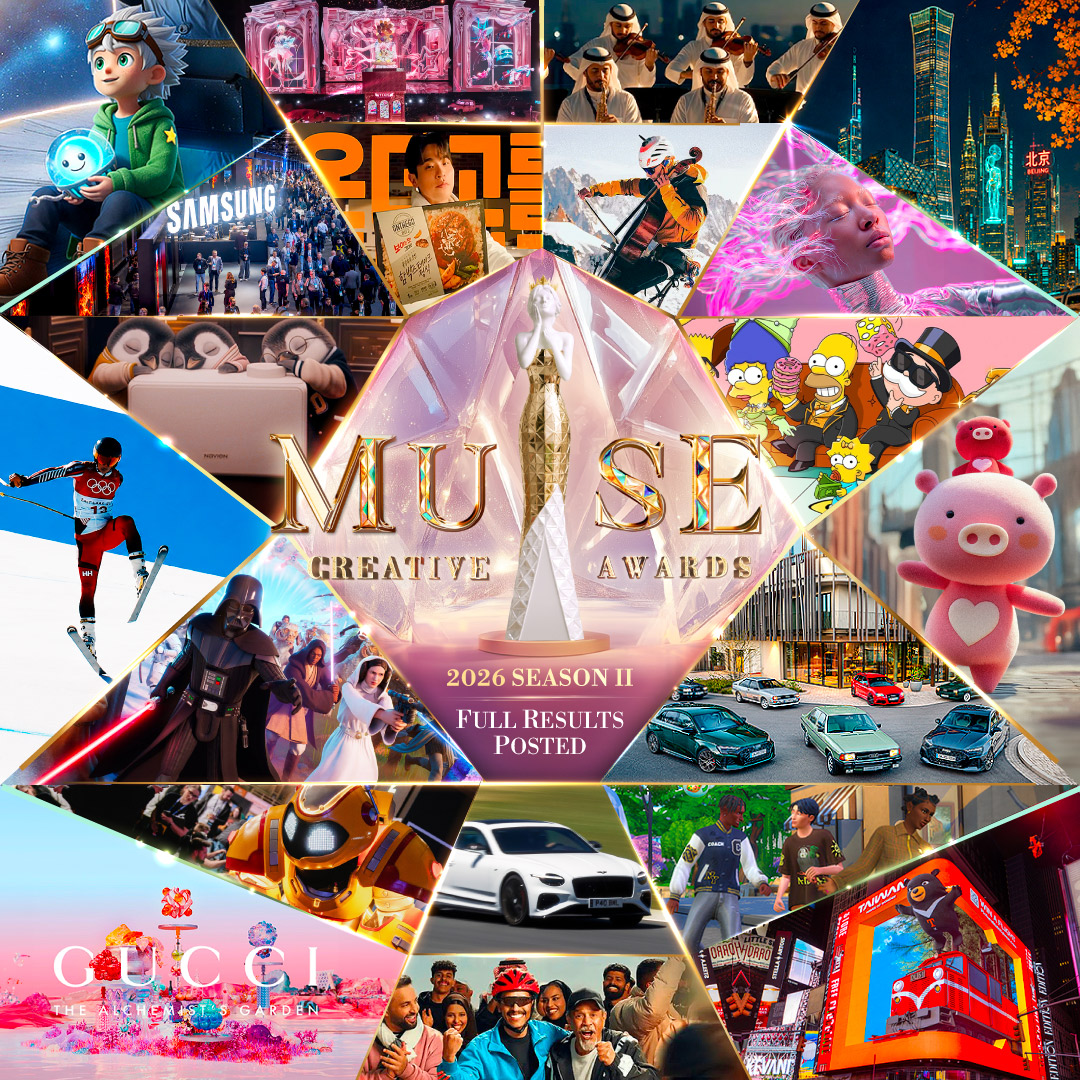
I submitted my work to the MUSE Creative Awards as a way to reflect on my growth and share it beyond my usual professional circles. I didn’t expect to win, so the recognition feels grounding and meaningful. It reminds me that impactful ideas often arise from noticing everyday life, and that addressing real user pain points must always stay at the center.
This experience reinforces my belief that thoughtful process and steady effort matter — and that usability and empathy are powerful forms of creativity in their own right.
The project began with a simple question—how can creativity address real challenges in daily life and make technology feel more human? I developed the concept independently, grounding every design decision in user research and practical observation.
It reflects my belief that design is not just function or aesthetics, but the act of making everyday experiences clearer, kinder, and more useful. That principle continues to guide my work and, I believe, the direction of our industry today.
What set the project apart was its restraint. I prioritized removing friction and unnecessary complexity so the design could return to its core purpose—helping users achieve their goals without distraction. The system functions quietly and intuitively, keeping focus on what matters most. That clarity of intent, supported by consistent style and flow across screens, is likely what made the work stand out.
The greatest challenge was designing entirely on my own. Without peers or collaborators to exchange feedback with, I had to build my own review system—testing early ideas with participants, studying their reactions, and iterating repeatedly. The process required patience, independence, and the ability to critique my work objectively, ultimately strengthening both my practice and judgment as a designer.
Winning this award reminds me why thoughtful, human-centered design matters. It shows that work rooted in real needs — built with clarity and care — can stand on its own. The recognition strengthens my belief that empathy still holds weight in a crowded field. I hope it opens the door to future collaborations with designers who share these values, and who see design not as decoration, but as a way to bring purpose and understanding into everyday experience.
The feedback consistently pointed to a shared sense of ease. People noticed how the design reduced visual noise and helped them stay focused. Hearing comments like “it just feels easy and fun” reaffirmed my goal of removing friction and distraction, allowing users to move through their tasks naturally.
My advice is to design slowly. Observe before you create. Awards recognize authenticity, not ornament. If your work solves a real problem with care and logic, it already has value. Document your process honestly, and let the story speak for itself.
The creative field is shifting quickly, shaped by AI, automation, and new forms of collaboration. Yet its core remains unchanged — understanding people. I see these changes not as threats, but as an invitation to refine how we think and create. My aim is to stay grounded in human insight while adapting to new tools and systems, exploring how design can make technology more intuitive, transparent, and emotionally balanced.
As the line between creativity and computation continues to blur, I hope to position my work where empathy meets precision — keeping meaning at the center of innovation.
If you’re new, enter anyway. Awards aren’t only for validation — they’re for reflection. Seeing your work beside others clarifies your voice and reveals what you care about. Confidence grows through exposure, not waiting.
To the creative community: remember that empathy is not softness — it’s a method. The work that endures comes from clarity, not noise. Respect the craft, keep the process honest.
Although I worked alone on this project, I owe much to the people who shared their thoughts and experiences along the way. Their openness shaped the design more deeply than any formal collaboration could have. This recognition belongs to their insight as much as to my effort.
Clarity through simplicity — because when design removes friction, people find confidence in complexity.
The next stage of my work expands this project into a broader exploration of how emotion, cognition, and interaction shape one another in design. I want to study digital environments that encourage reflection rather than reaction — interfaces that slow thinking, not accelerate it.
This direction includes concept work in emotional data visualization, memory-based interaction, and decision-tracking systems that help users recognize patterns in their own behavior. My aim is to refine design as a cognitive instrument — one that restores awareness and clarity within digital complexity.