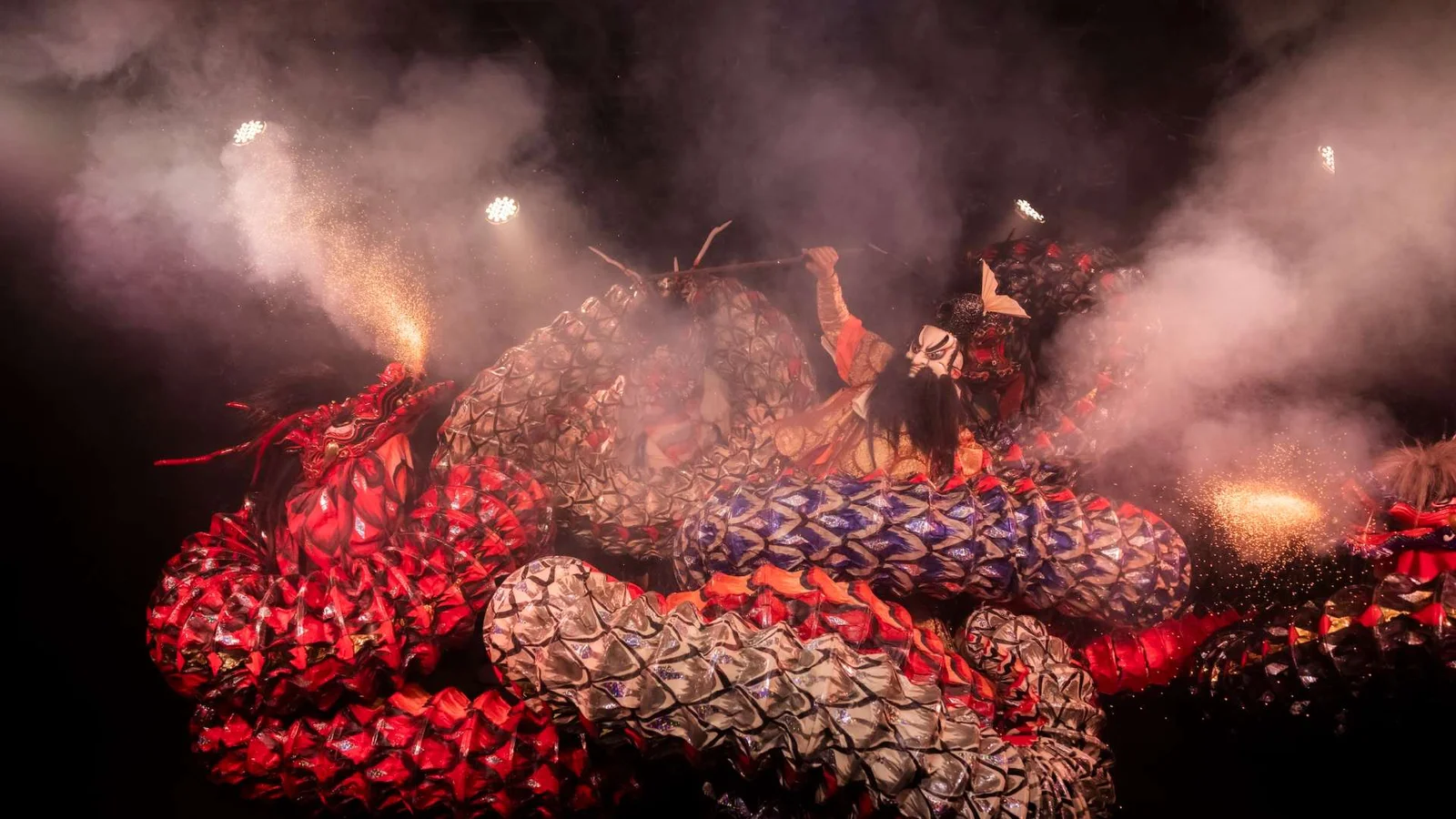
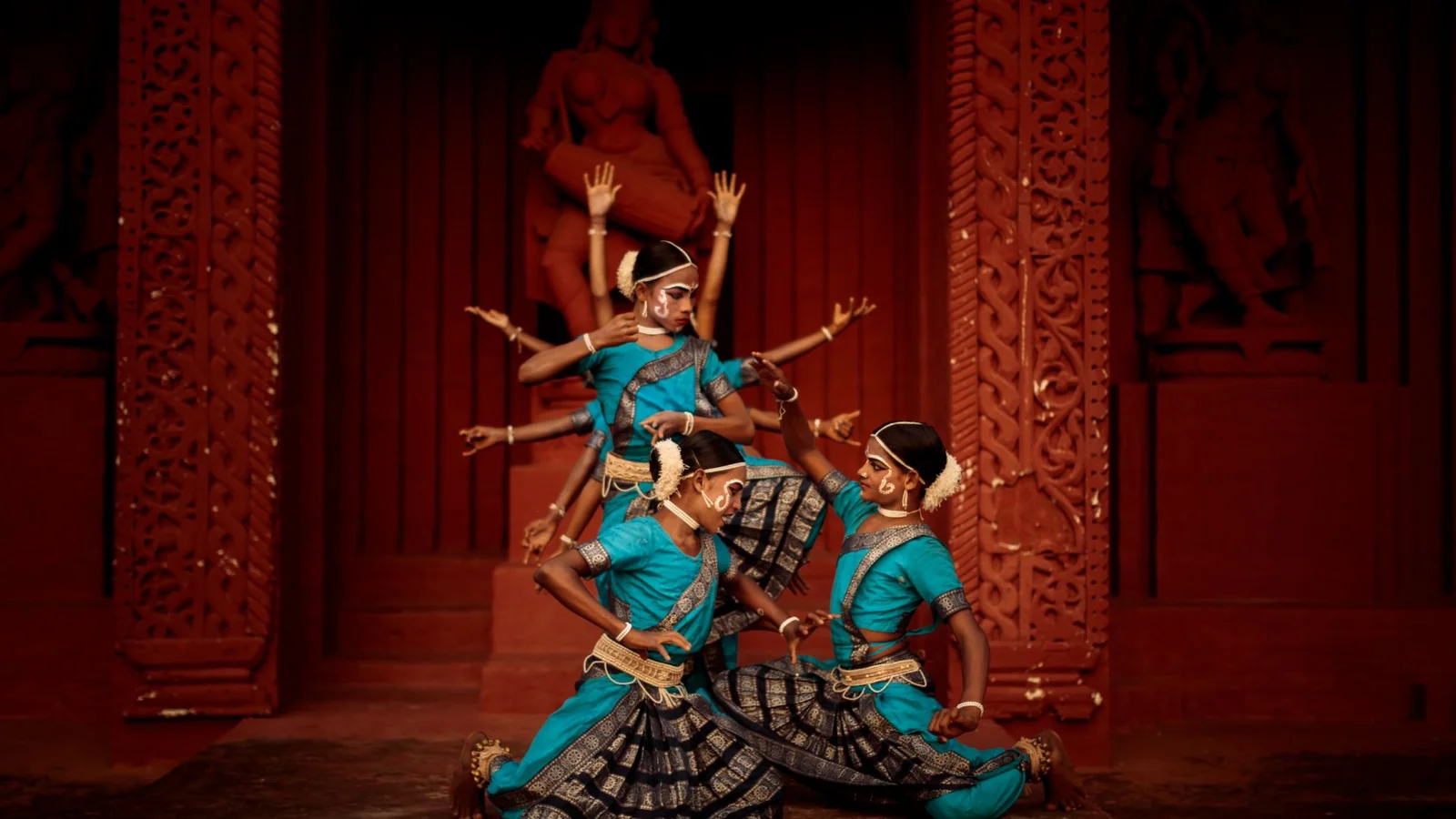
Kagura | 2025 London Photography Awards
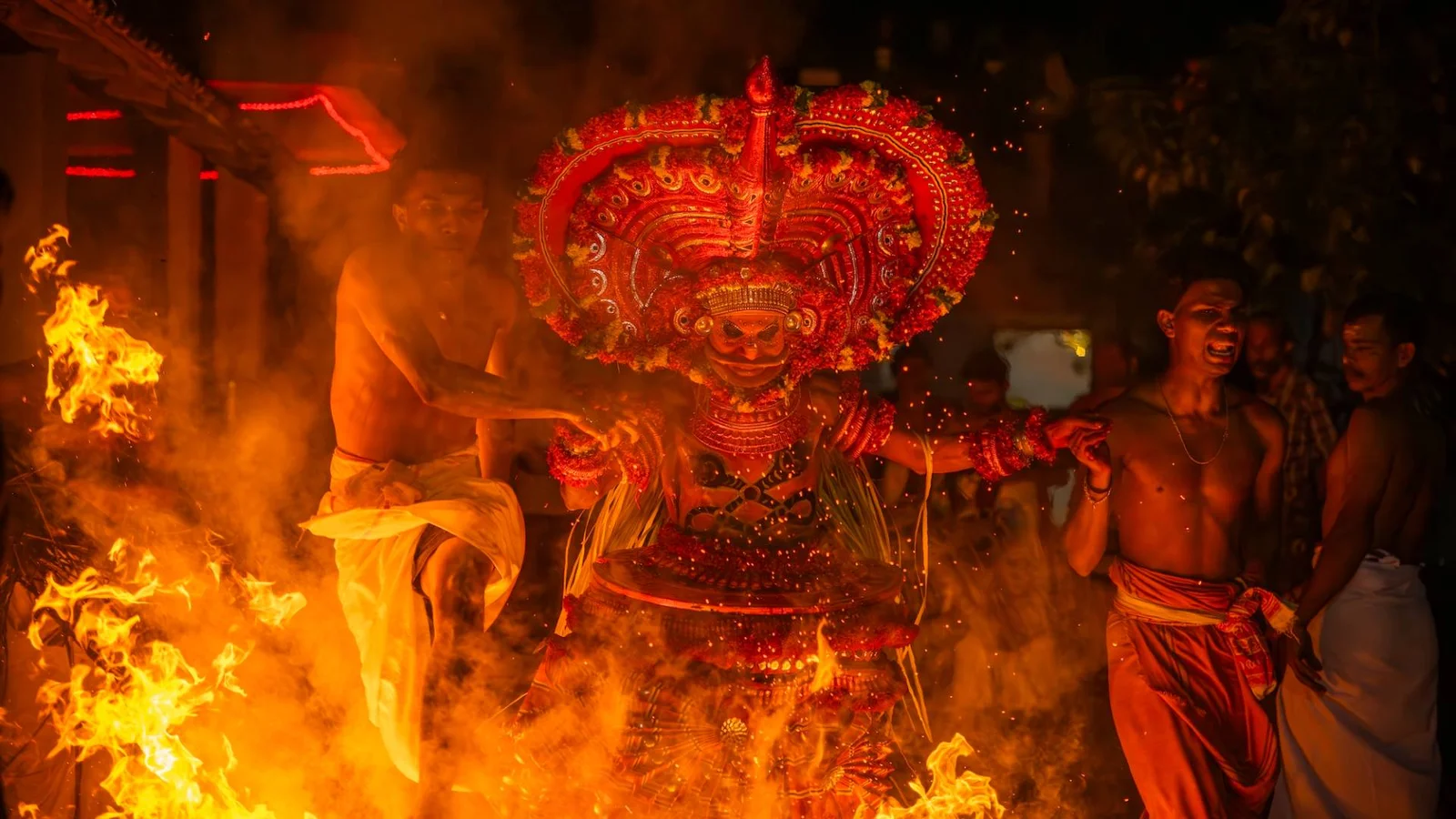
Kagura is the dance of the divine—an ancient offering where movement becomes prayer and performance...
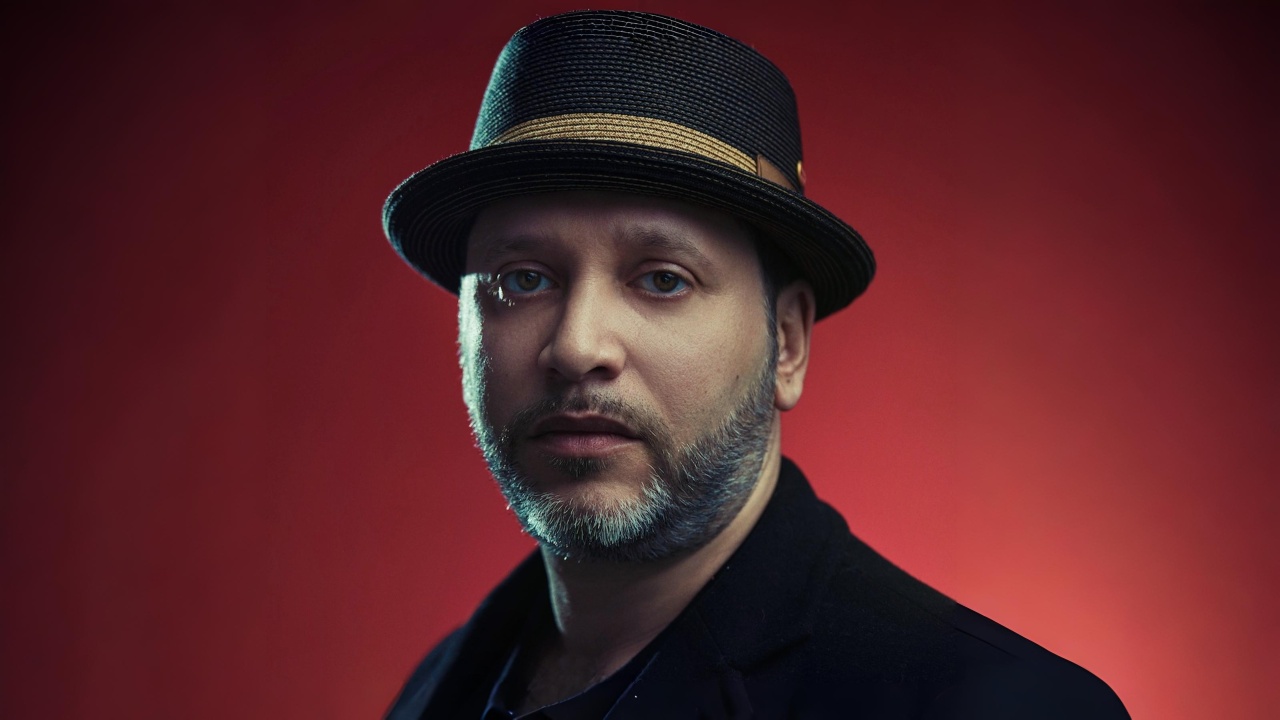
Lucas Dragone is an award-winning photographer whose roots in performance art and theatre profoundly shape his visual storytelling. A graduate of the Lassaad International School of Theatre in Brussels, he now documents traditional and contemporary theatre forms across Asia and beyond, using his lens to preserve cultural transmission and evoke the poetry of presence.
I’m Lucas Dragone. I was born in the wings of theatres and raised among shadows and spotlights. Photography, for me, is not just capturing light, but translating silence into poetry. What began as a way to preserve fleeting moments has become a ritual of presence.
This series is part of a long-term project titled Documenting Performing Arts. More than a search for the exotic, it is a humble contribution to the preservation of a vanishing diversity, a way to bear witness to the sacred fragility of human expression before it fades into silence.
Winning this award casts light not on me, but on the artists and the ancestral way of making theatre, a tradition shaped by time, ritual, and silence. It matters deeply, not for prestige, but because the next generation deserves to inherit the echoes of the past.
Beauty is only the doorway; it draws the eye, but it is the story that touches the soul. Without meaning, beauty fades. Art must speak, carry a message, and leave behind a trace deeper than appearance, a story that lingers, that questions, that connects.
The camera, like photography itself, is merely a tool; it could have been a pen or a brush. What truly matters is not the medium, but the story one chooses to tell and the message one dares to offer the world. I chose the camera because its rhythm aligns with mine, it allows me to speak in silence, to write with light.
I’m drawn to documentary photography because it does more than capture an image; it tells a story, reveals a truth, and offers a vision of the world as it is. Each frame becomes a fragment of our shared reality, a testimony of time, a mirror of humanity. It’s not just photography; it’s a way of bearing witness.
The Leica M, fully manual with a fixed 35mm lens, offers me a paradox I cherish, limitation as liberation. Its constraints don’t confine creativity; they give it shape, like a poem bound by meter. In its discipline, I find clarity, a frame through which intuition can speak.
I hope they come away having learned something not just about art, but about humanity. I want them to discover a hidden corner of the human story they hadn’t seen before. Through theatre, through the breath of live performance, we don’t just entertain, we reveal. We hold up a mirror where society can glimpse itself, and in that reflection, perhaps understand a little more of what it means to be human.
For me, photography begins with honesty, with a genuine connection to the people and the art forms I seek to capture. Especially in places like Asia and Japan, trust is everything. You don’t simply arrive and take a photo; you must earn your place, show that you understand, that you care.
Only then will they open the door to their world. The photograph itself is just the visible trace. The true work lies in knowledge, in respect, in the silent dialogue that builds trust frame by frame, heart to heart.
Asia, in its vast cultural depth, embraces performing arts not merely as entertainment, but as a lifelong discipline, a path of devotion. These practices are governed by rules, rituals, and a reverence that takes decades to embody.
In many Asian traditions, theatre is not separate from life; it is woven into the rhythm of the everyday, echoing the sacred. It becomes a living ceremony where performance, spirituality, and identity meet in a single breath.
In photography, John Stanmeyer has long been a guiding light, his way of seeing life and society resonates deeply with me. But long before I ever held a camera, I was moved by the great masters of painting. I was never a painter, but artists like Rembrandt and Caravaggio shaped my eye. Their mastery of light and shadow, their ability to reveal the soul within a face, taught me that every image can be a window into something eternal. Their influence still echoes in every photograph I take.
Photo awards are a way to share your voice with the world, to let your work be seen, and therefore, truly exist. A photograph that remains unseen is a story left untold, a dialogue left unfinished. But visibility alone is not enough. Be honest. Have something to say. Let beauty be the invitation, not the message. What endures is not the surface, but the truth you dare to reveal through the image.
Be honest with yourself. Speak from a place of truth, and have something meaningful to offer the world. Don’t chase exoticism, stories aren’t found in distant lands alone; they live around the corner, within the ordinary, within you. Talk about what you know, what you’ve lived, what moves you. Everyone carries a story worth telling, the art lies in listening to it and daring to share it.
In documentary photography, editing is part of the craft; adjusting contrast, light, or tone can help reveal the essence of a moment. But to alter the image is to betray it. The power of this art lies in its honesty. You can refine the truth, but you must not reshape it. The photograph must remain a witness, not a fiction.
I believe AI is a powerful tool, one that opens new pathways for creation and imagination. But it remains just that: a tool. In documentary photography, authenticity is sacred. It’s about presence, trust, and truth, qualities AI cannot replicate.
Yet in the realm of fine art, where the boundaries of reality are meant to blur, AI becomes a fascinating ally. It can extend the artist’s vision, but it should never replace the artist’s soul.
It is human nature that endlessly fascinates me, our rituals, our contradictions, our need to express the invisible. I wish to continue documenting humanity through the lens of theatrical traditions, where art becomes a mirror of the soul.
One form I have yet to explore is Japanese Kabuki, a world of stylised beauty and ancestral rhythm. It remains on my path, waiting to be encountered, like a chapter not yet written in the story of human expression.
Follow the journey where photography captures The Aesthetic of Adventure: Kristjan Stepančič’s Photography World here.