NostalX
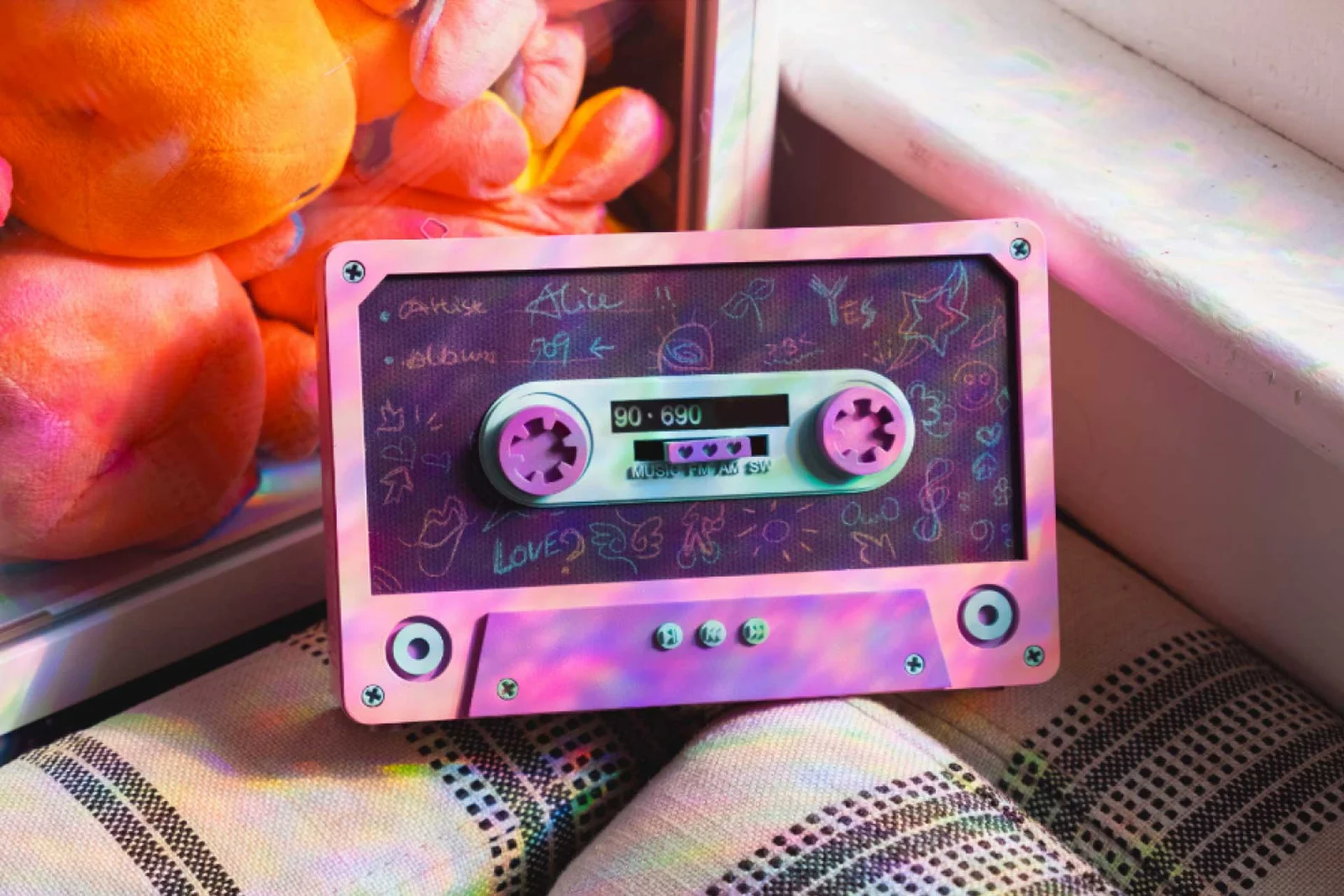
For music enthusiasts, the convenience and standardization of streaming services have diminished the perceived value...
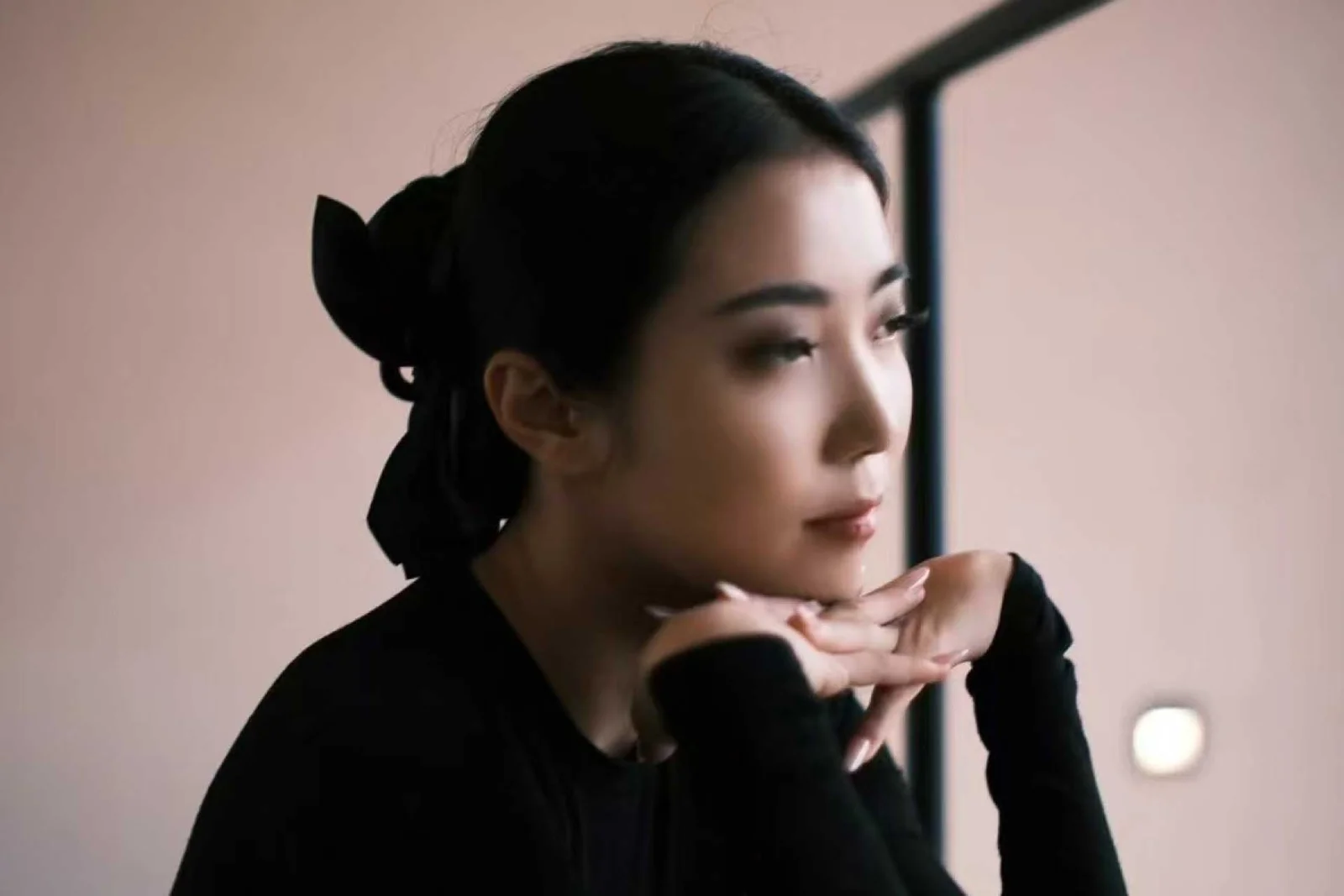
The communication design, interface design, cultural programming and speculative design I learned in LLC make me a strategic thinker and a skilled communicator. These skills have made me eager to explore more different industries and cultural backgrounds around the world.
The exploration of the future, curiosity and questioning of everything may be the biggest motivation for me to engage in the design and creative industry. When I realized that design can solve problems, and can also be used as a tool for exploration to speculate about the future, I was more eager to become a designer.
At present, I am an intern in FFBA, as an innovative designer, mainly engaged in product design and service design.
As a designer with a background in fashion design and creative direction, I view design as a way to tell stories—It's not just what it looks like but what it does behind it. In essence, design is about empathy, innovation, and the pursuit of harmony between people, products, and the environments we inhabit.
I think what makes a good design is a combination of aesthetics, functionality, and anticipation for tomorrow. Good design really cares about the user and really gives the user a great experience.
The combination of my background in fashion and service design work experience influenced my design style which not only focuses on the user experience but also includes the pursuit of aesthetics. I combine human-centricity in service design with user empathy and foresight, trends and sustainability in fashion.
In my design process, I think of clients and users not just as consumers, but as friends who I really care about and want to support. I approach each project by thinking deeply about who these people are, what they like, and empathizing with them on an emotional level.
When I think of users and customers as real individuals with unique needs and desires, I shift the focus from creating products to building something meaningful. This perspective allows me to design with empathy, aiming to design solutions that actually improve their lives. In essence, my design process is done with a love for real people.
Yes, I believe cultural heritage plays a significant role in shaping the design process. As someone from Asia, I am deeply influenced by the region’s rich traditions of craftsmanship, storytelling, and meticulous attention to detail. These cultural elements often inform my design choices, particularly in the use of color symbolism, intricate patterns, and the pursuit of aesthetic harmony that bridges tradition and modernity.
They serve as a foundation, inspiring me to create designs that honor the past while embracing contemporary innovation.
Many thanks to the MUSE Design Awards team, this is a great honor for me. This will be my motivation to continue creating valuable work. And for people across the company, we will continue to strive to make the world a better place through the designs we create.
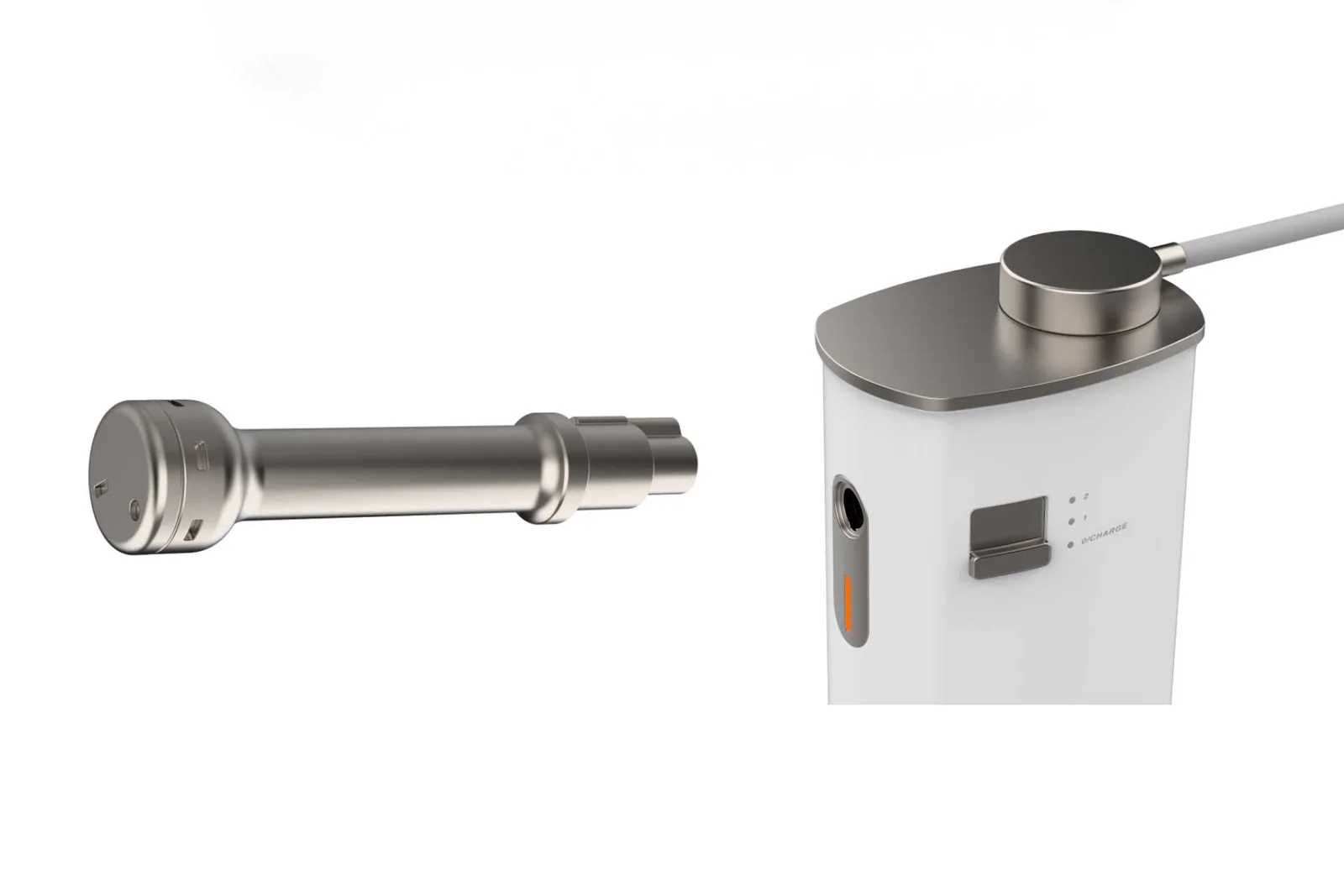
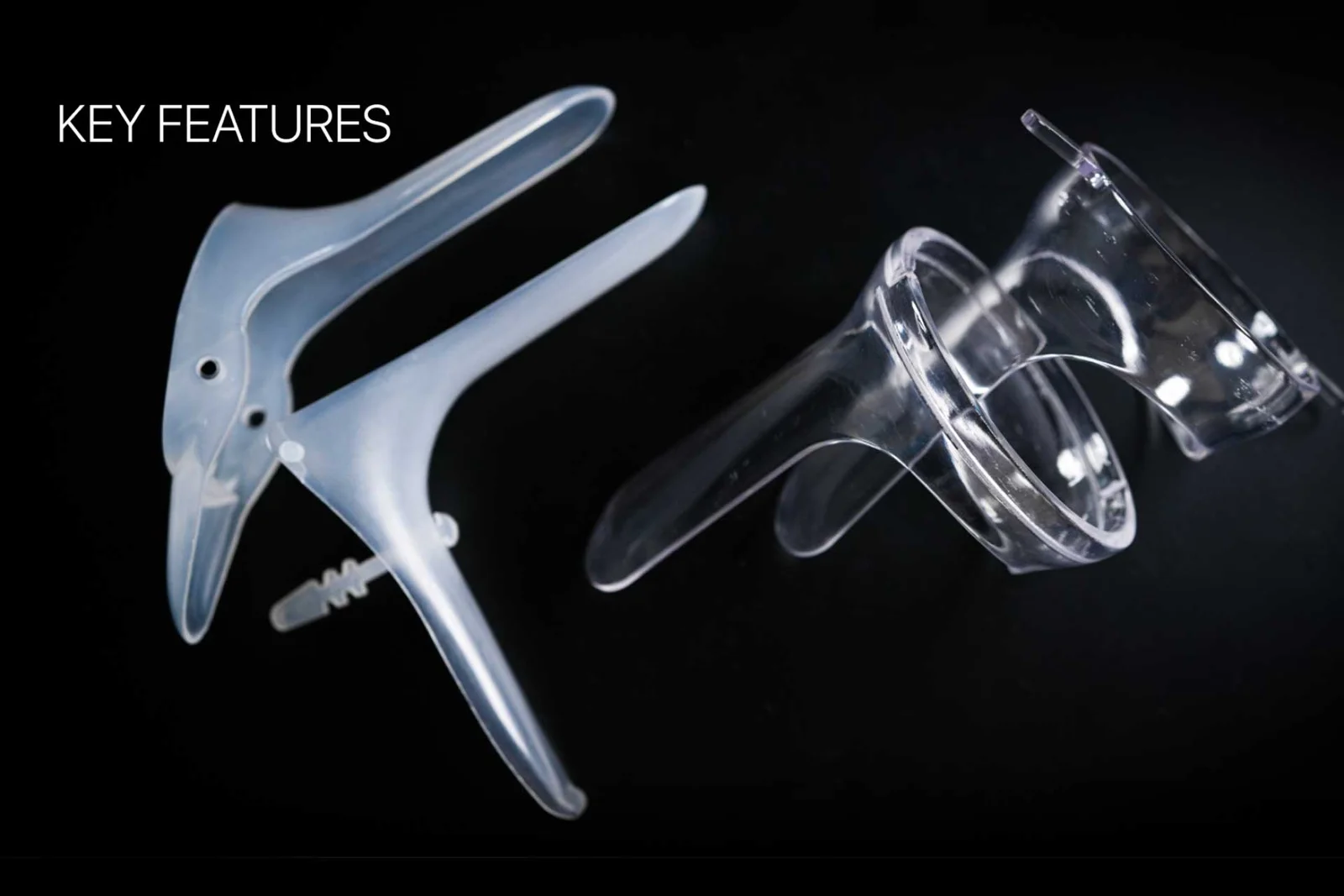
VELA is a project we are very proud of, and we question and criticize the traditional gynecological examination. It didn't have to be this way, and VELA's solution shows our love and support.
We care about women's rights and experience, and even in the field of medical testing, whether it is structural function or detail innovation, we are solving the unhappiness of traditional gynecological examination.
Well, to solve the tearing sensation caused by the rapid expansion of the vaginal spectroscope and the insecurity of women during the examination, we spent a lot of work on the structure to make it expand gently. After extensive doctor-patient interviews, our breakthrough decision was to hand the scaling process over to the user rather than the doctor.
Winning has been incredibly validating for our practice. It’s given us broader recognition and strengthened our confidence when presenting to clients, showing that our ideas and values resonate on a global scale. This achievement demonstrates that design success goes beyond profitability—it’s about making a positive impact in people’s lives.
We’re grateful for this recognition and inspired to continue creating meaningful, people-centered designs. On a personal level, the award has inspired me to keep learning and evolving as a designer. It’s a reminder to stay curious, take risks, and continuously refine my craft.
Innovation, collaboration and love.
China’s design industry stands out for its remarkable diversity, shaped by a rich blend of regional cultures, evolving mindsets, and vast market demands. It is a dynamic fusion of tradition and modernity, offering boundless opportunities for research and innovation.
The country’s unparalleled manufacturing capabilities transform concepts into reality, enabling rapid prototyping and large-scale production with remarkable efficiency. Moreover, its vast and diverse population provides a wealth of perspectives, with open-minded individuals eager to share insights and collaborate. While China’s multifaceted environment presents unique challenges, it also drives innovation, compelling designers to rethink and refine their approaches constantly.
This combination of cultural depth, manufacturing strength, and creative potential makes China an exhilarating hub for design.
Take risks and don't be afraid to fail. But you can try working in a highly efficient design team, which will yield twice the result with half the effort.
As we often say, AI is the future, and improving productivity must be a direction, but we as designers or creative industry workers, we should learn to use tools to use tools and create tools, and embrace a diverse future.
We would never have a smooth sail, but with the courage to break through the difficulties, enjoy the process with a face of pride, and say, “Well, it is difficult, but I believe that I can do it".
The MUSE Design Awards website itself is an excellent resource, offering a vast database of inspiring work. For developing specific skills, online platforms can teach you everything from drawing to software to understanding manufacturing processes. However, as I often tell my students, the best resources are all around you in real life.
Engage with people, observe, and learn from real interactions. Understanding human needs and experiences firsthand is invaluable, as design ultimately serves people. So, immerse yourself in real life—it’s the richest resource a designer can have.
I used to be a singer.
Qijun Nie, my mentor, has not only given me great help and advice in creative work, but also taught me how to embrace life, start from solving small problems in life, and enjoy and appreciate every moment.
Always do the right thing!
I am very grateful to the team Functional Form Block Allies who helped me in creating VELA, especially Qijun Nie. Team spirit and project progress have been a great help at all times.
Explore the journey of Ayomide Adeyemo, the Silver Winner of the 2025 MUSE Design Awards. As the creative director of 54Folks, she has been immersed in fashion for as long as she can remember. From styling to mastering design, her journey has been shaped by constant experimentation, leading to deeper understanding and innovation in the field.