Hello, Dad
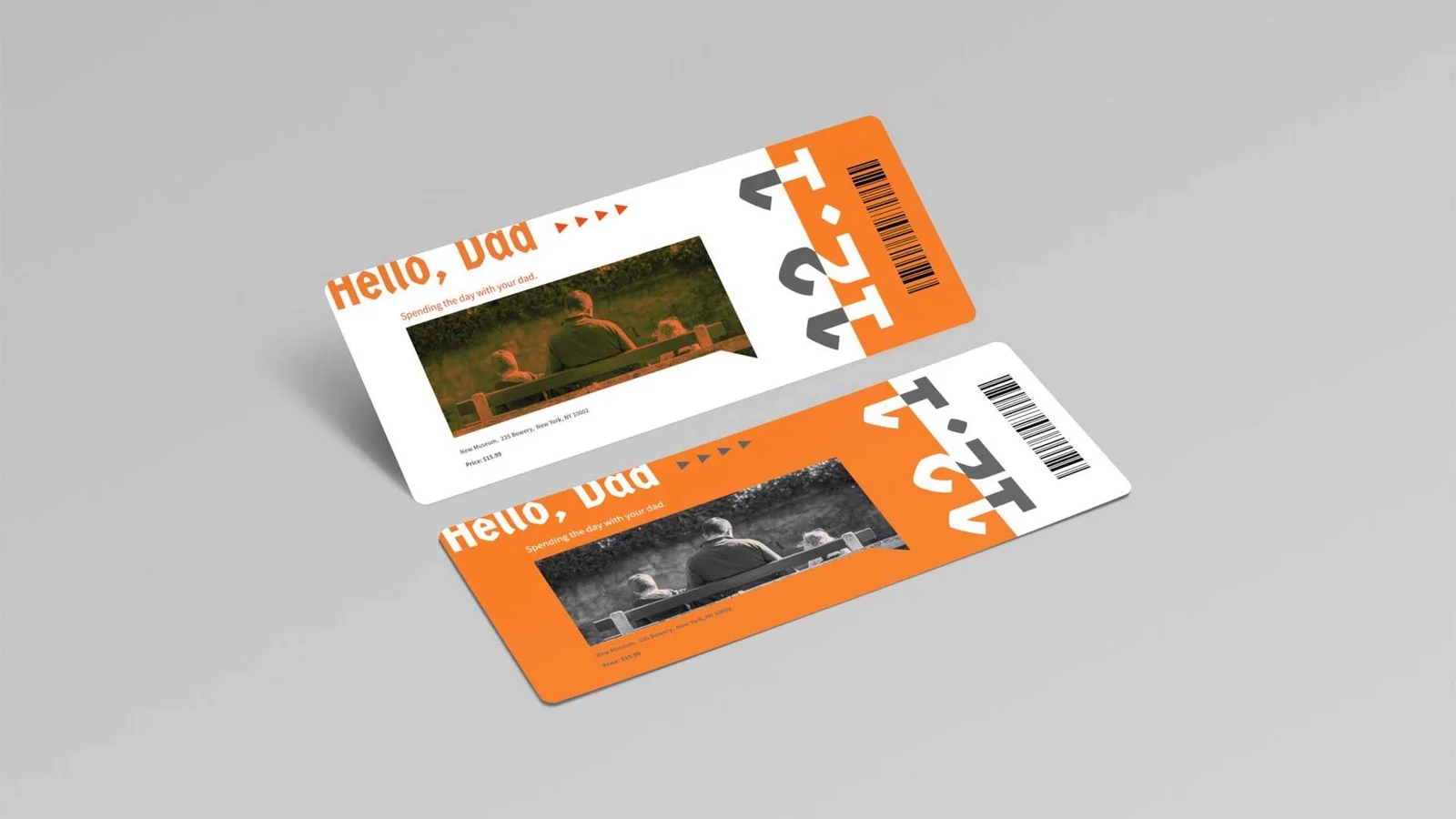
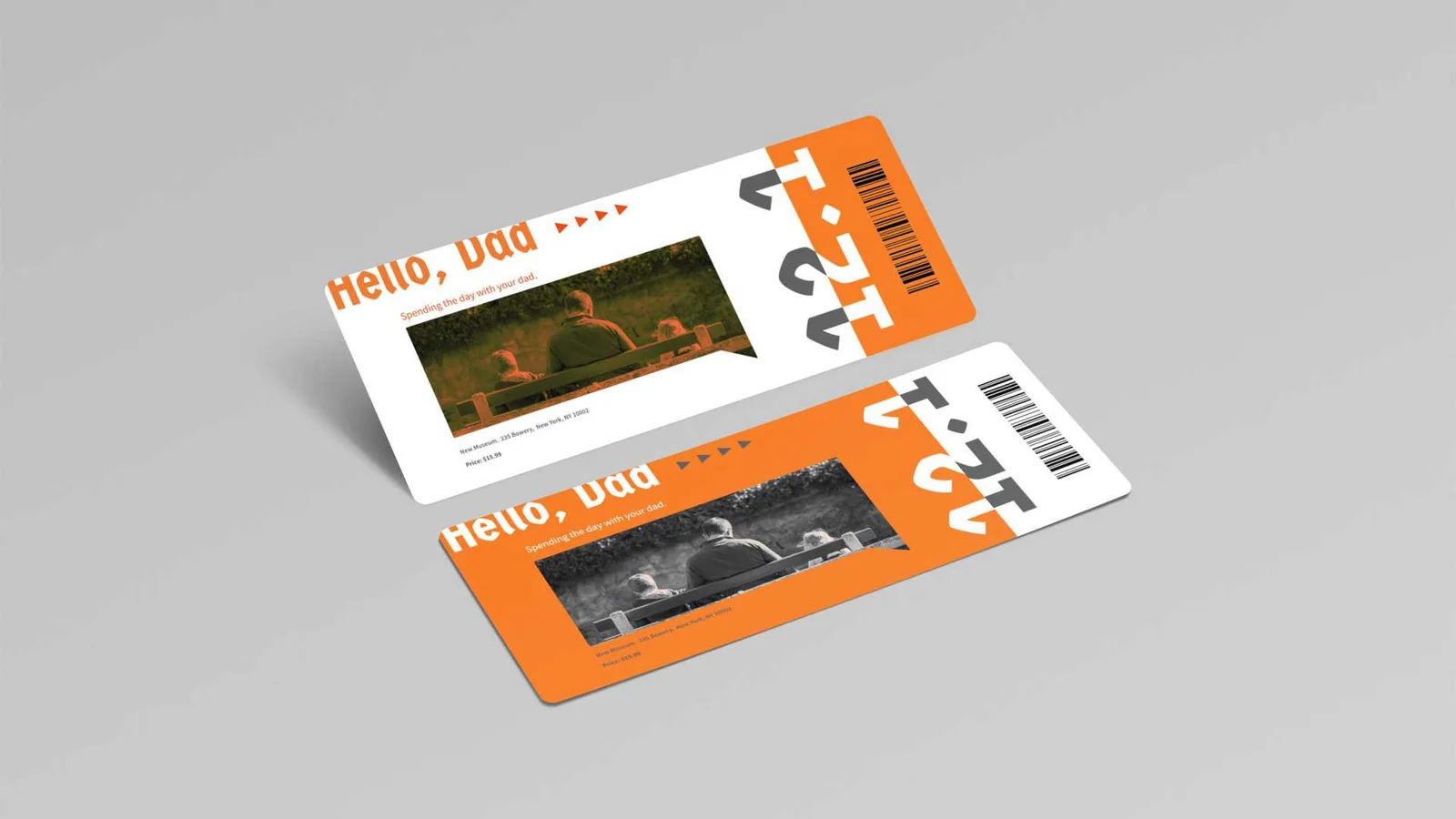
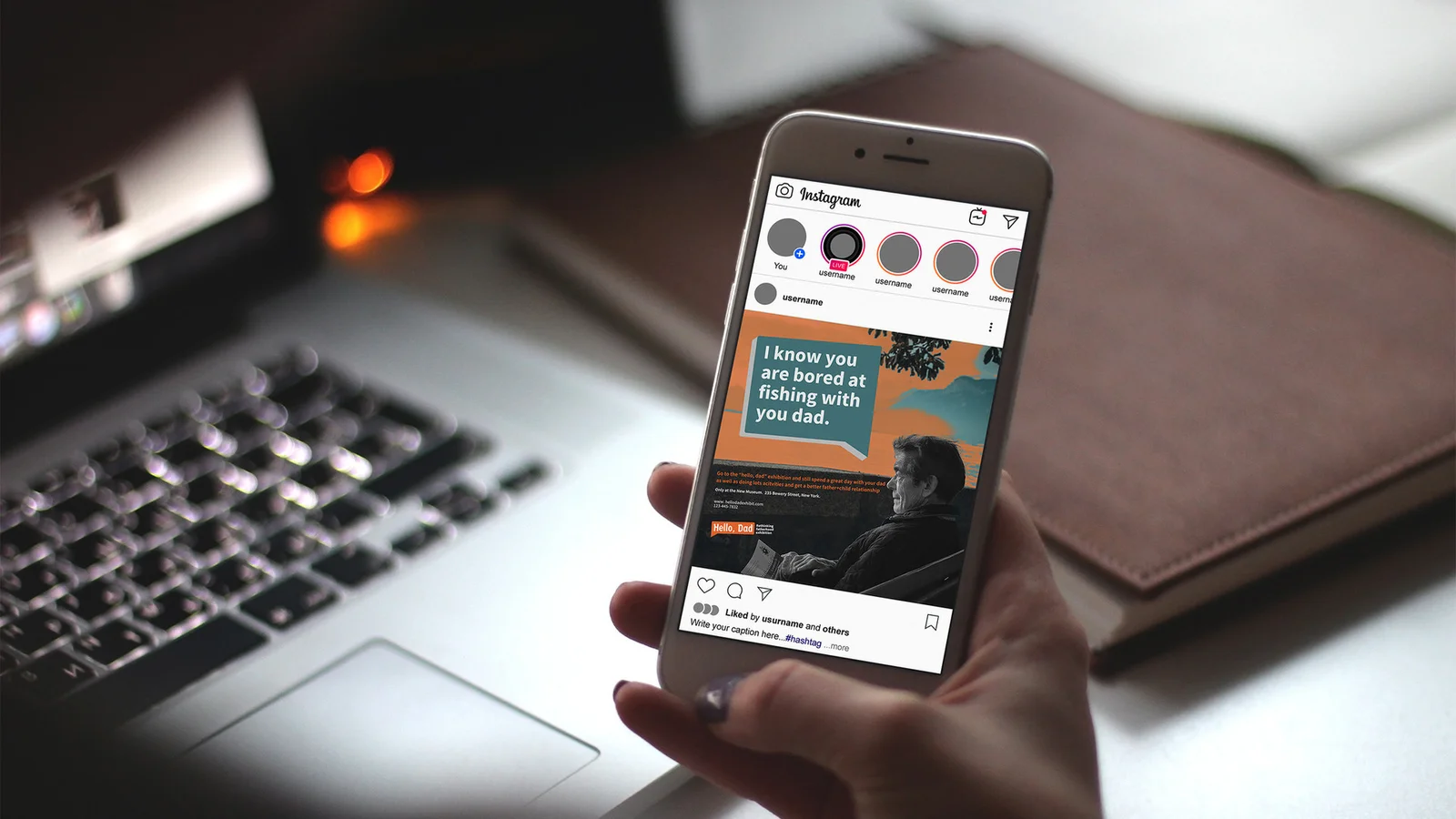
“Hello, Dad” is a month-long pop-up exhibition in New York, designed to give people a...
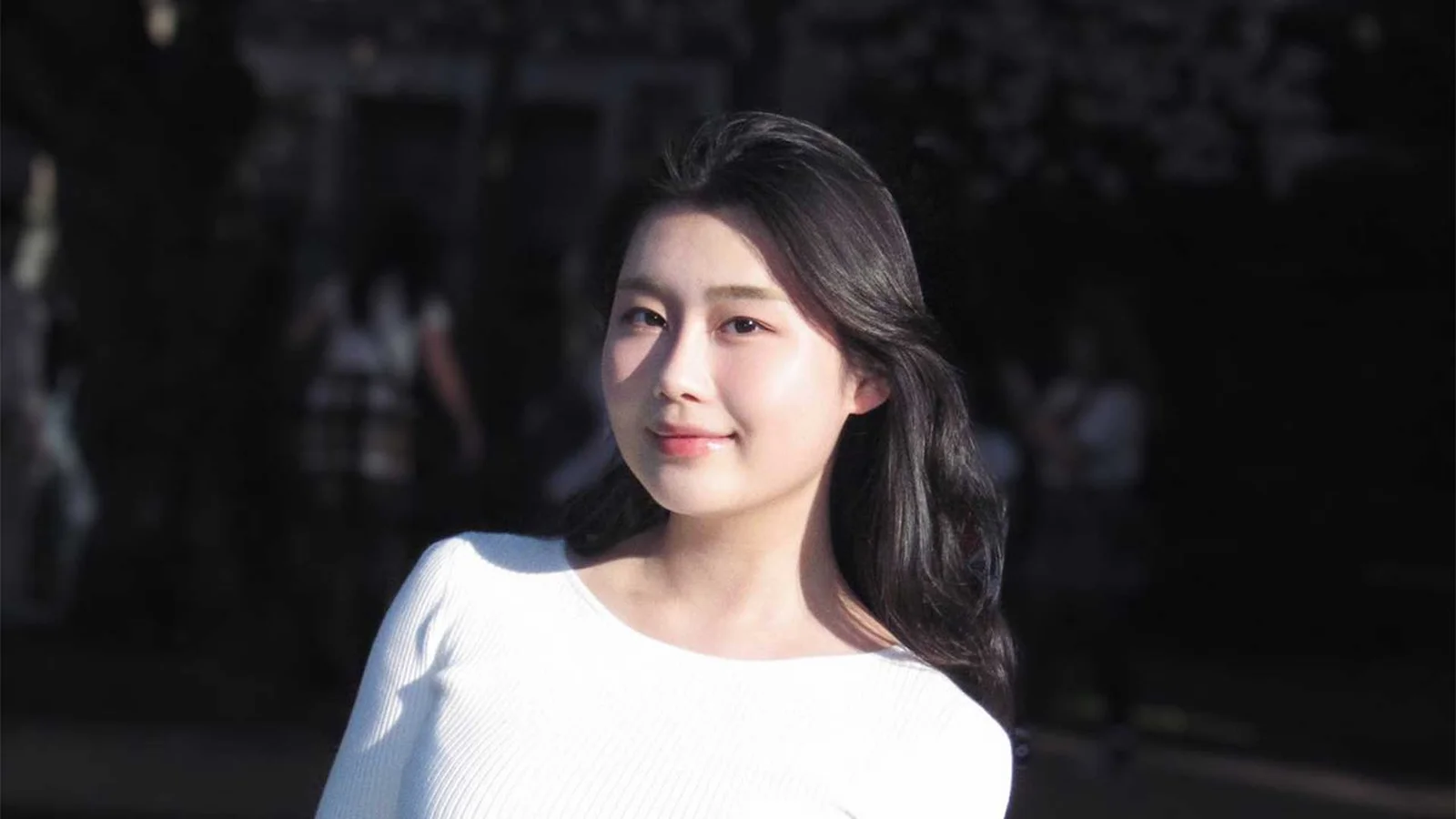
Maomao Ding is a UX/UI designer with a background in Human-Centered Design, Engineering, and Communications Design. She blends research, storytelling, and strong visuals to create intuitive experiences across tech, startups, and NGOs. Her love for branding and visual design adds clarity and emotion to everything she builds.
Thank you. I’m a UX/UI designer with a background in both Human-Centered Design and Engineering, as well as Communications Design. My work blends research, storytelling, and interaction design with a strong visual foundation to create intuitive experiences that are both functional and engaging. I’ve worked across big tech, startups, agencies, and NGOs.
Beyond UX, I have a deep love for visual design and enjoy working on branding and graphic projects on the side. This passion for aesthetics complements my UX work, allowing me to bring together usability and visual clarity in a way that feels intentional and emotionally resonant.
I’ve always been interested in how people connect—whether it’s to places, to each other, or to themselves. Design felt like the right way for me to explore those connections and give form to stories and feelings that are often left unspoken.
Being recognized by the MUSE Design Awards is incredibly meaningful. Hello, Dad is a deeply personal project, so this award feels like a validation of both the emotional intention and the design process behind it. This recognition motivates me to keep pushing forward, to keep creating work that connects with people on a human level.
Since this project was created independently, the award feels like a personal milestone. It has given me more confidence to speak about my work and values as a designer. It has also opened doors to conversations with other creatives and organizations interested in meaningful, socially grounded design.
The recognition has encouraged me to keep developing personal projects that reflect the kinds of stories I want to tell.
Experimentation plays a huge role in my process, especially when working on something as open-ended as Hello, Dad. I tested different formats for the exhibition—ranging from interactive installations to smaller one-on-one moments—and kept adjusting based on how each concept felt emotionally.
The process was highly iterative: I sketched, prototyped, asked for feedback, and let the idea evolve through both research and instinct. The final result came from staying open and being willing to shift directions when needed.
One of the most unusual sources of inspiration for this project was silence. I thought a lot about the quiet moments I shared with my dad growing up—like sitting in the car or eating dinner without saying much. Those silences weren’t uncomfortable, but they were full of unspoken emotion.
That feeling became a central inspiration. I wanted to design something that made room for those quiet relationships and turned them into moments of connection.
I wish more people understood how iterative and layered the design process is. It’s not just about solving a problem, but about understanding the people involved and testing different ways to approach the solution.
Design takes time, research, experimentation, and constant refinement. There is rarely a perfect answer. What matters most is that the final outcome is thoughtful, useful, and clear in its intention.
With Hello, Dad, there wasn’t a client, but I often think about this when working with others. I try to understand what the core need is and then see how I can meet that while still bringing in my own perspective. Communication is key. If both sides are aligned on the purpose of the project, it’s easier to find a balance where the final result feels both collaborative and authentic.
One of the biggest challenges was the research. I didn’t want to rely on assumptions or make guesses about something so personal. I needed to understand how different people experience their relationships with their fathers. I interviewed friends, read personal stories, and reflected on my own memories.
The goal was to create something inclusive, but still personal and grounded in real experiences. It took time to translate those insights into interactive elements that felt natural and approachable. I overcame this by trusting the research process and allowing the insights to guide the final form.
When I hit a creative block, I usually take a step back. I go outside, read something unrelated to design, or sketch just for fun. Sometimes I write down thoughts without any structure to see what ideas are hiding underneath. Giving myself space helps reset my perspective.
I try to infuse empathy, curiosity, and emotional honesty into everything I design. My work often explores themes like memory, connection, and identity. With Hello, Dad, those values came through by creating a space where people could connect across silence and time. I care a lot about the emotional impact of design—not just how it looks or functions, but how it makes people feel.
Start with something that feels honest to you. Don’t be afraid to explore emotional or personal topics, and always keep your audience in mind. A successful design doesn’t just look nice.
It solves a problem, creates meaning, and leaves people feeling something. Be curious, ask questions, and take your time. Design is a process, and the more you grow through it, the stronger your voice becomes.
I would love to collaborate with someone who works in spatial storytelling. I’m drawn to designers who know how to use physical space to evoke emotion and guide people through an experience. Being able to design environments that feel immersive and emotionally resonant is something I would love to explore more deeply.
I wish more people would ask how I want people to feel after experiencing my work. My answer would be that I want them to feel seen, understood, and more open. Design is not just about what we create, but how we leave people after they engage with it.
Explore the journey of Jung Chih Hsu, the Gold Winner of the 2025 MUSE Design Awards. He founded Ten Art Deco (十藝設計) over 15 years ago to bring art into everyday living. With a spatial design background, he reimagines how people interact with their surroundings, from residential interiors to large-scale planning and self-built housing.