Interested Pair of Eagles
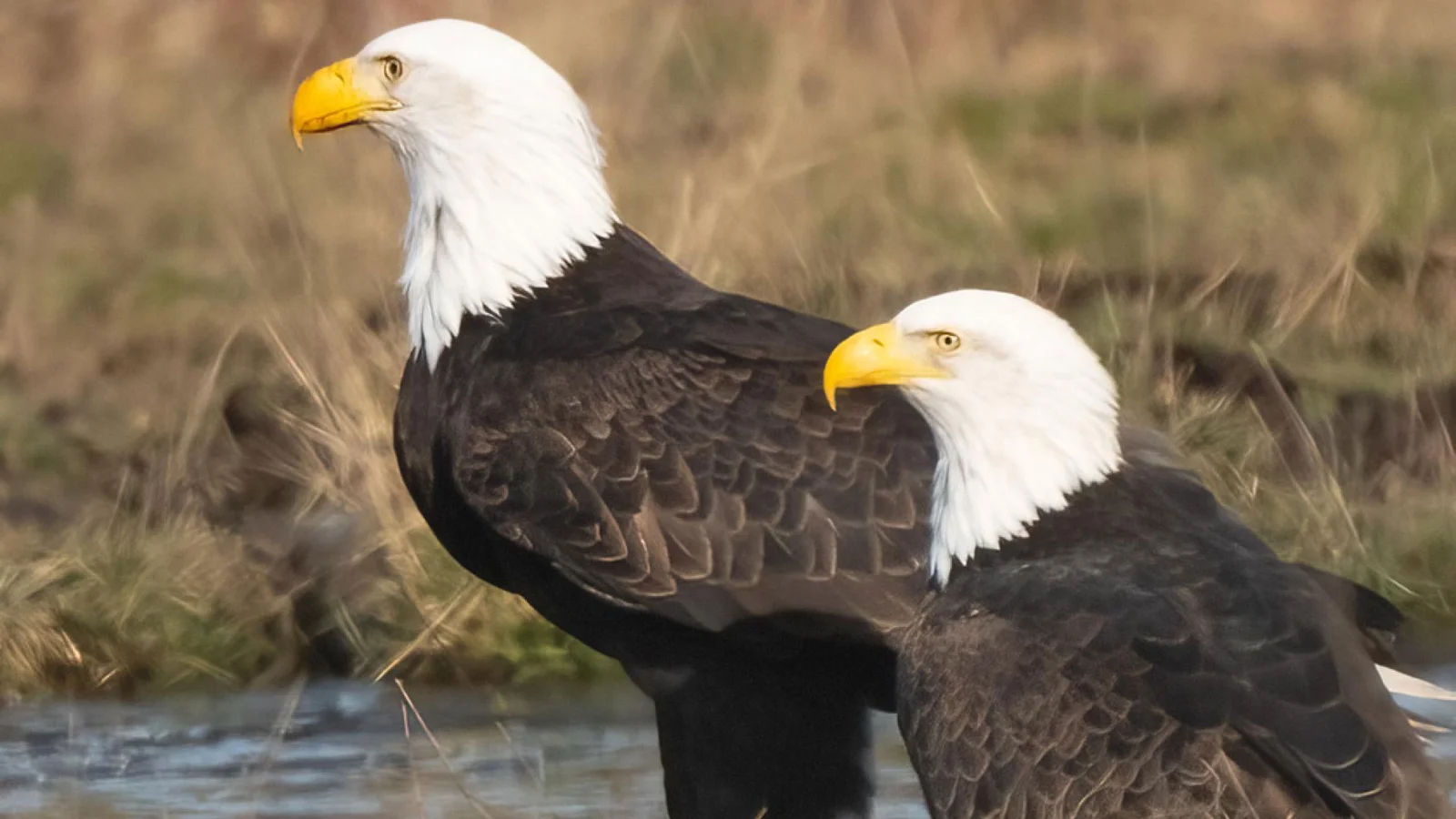
While traveling around Fidalgo Island near Anacortes, Washington USA we observed a pair of eagles...
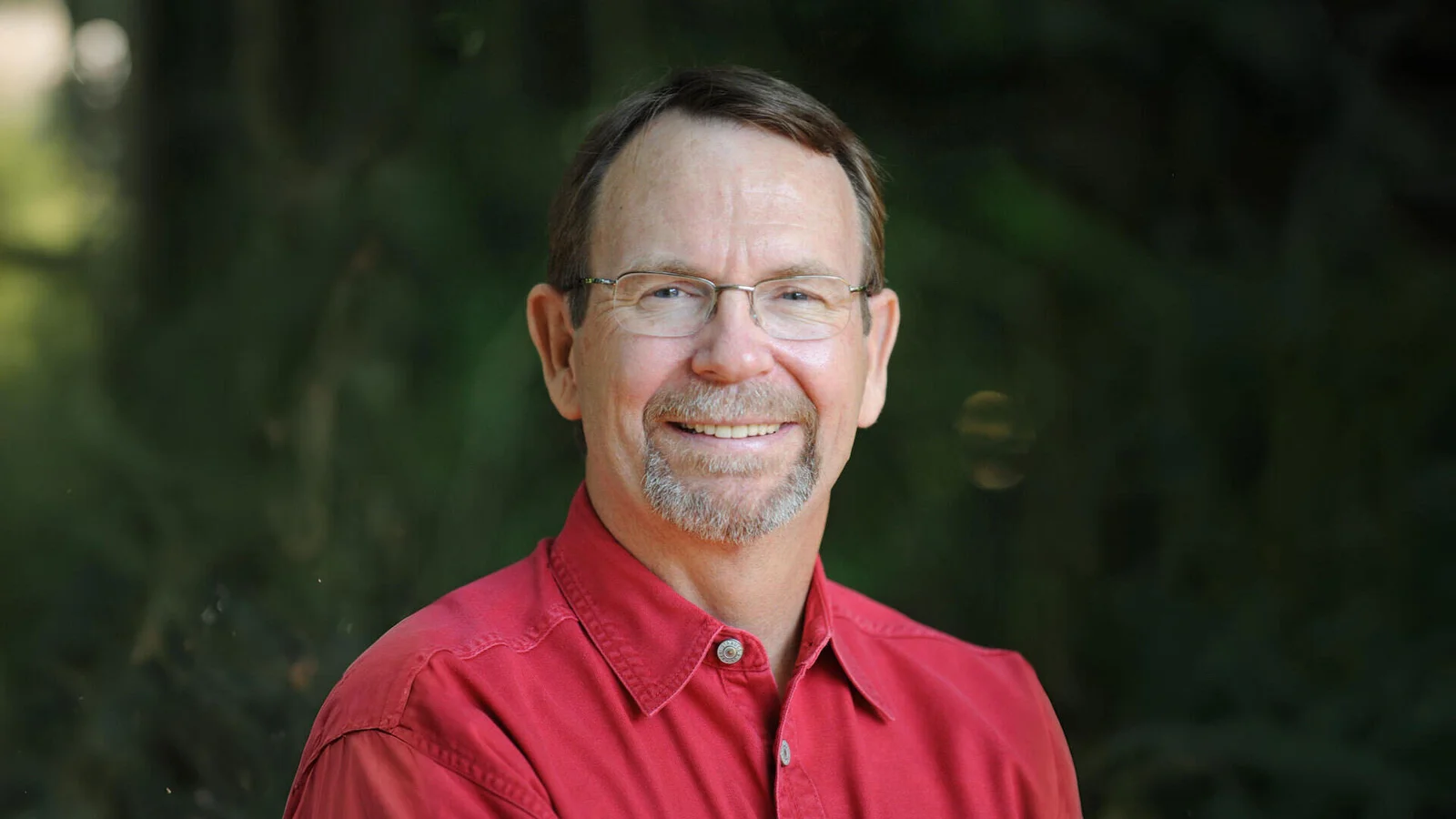
Ernie Hayden began his photography journey at age 12 with a Yashica 127 film camera passed down from his father. Today, he shoots professionally with Sony gear, contributing to local newspapers after years of growth from film to digital.
Ever since I was 12 years old, I’ve been an active photographer. My father handed down his Yashica 127 film camera to me, which sparked my passion for photography. Since then, my work has evolved—from black-and-white film photography to 135mm color slides, and then to digital around 1995.
Today, I actively shoot with my Sony a7IV and Sony a7R IV camera bodies, supported by Sony and Tamron lenses. Over time, my journey has progressed from a passionate amateur to a professional contributing photos to my local newspapers.
Where I live in Anacortes, Washington, USA, we are surrounded by beautiful landscapes and a variety of bird species. Since COVID began in 2020, my wife and I have been exploring our local area while birding. We do this almost every day and often come across fascinating scenes, like the one I submitted to this contest.
In this case, two eagles were standing on the ground in a field over some prey. They appeared startled by a distant threat and held a steady gaze to protect their food.
Since I am predominantly a wildlife and landscape photographer, I reviewed my favorite photos from the last year and selected this eagle photo.
As I mentioned earlier, my father was an active photographer and set the tone in our household regarding photography and equipment. He upgraded to an advanced 135mm camera and handed down his Yashica 127 film camera to me when I was 12 years old. That, as I recall, was the true beginning of my journey.
I really enjoy landscape photography, closely followed by bird and wildlife photography. I love both because I appreciate nature and the beauty of my surroundings. Therefore, it’s a simple and rewarding task to take time to observe my environment and capture photos of beautiful landscapes and birds.
My primary setup for landscape photography is a Sony a7R IV camera body paired with either a Tamron 17-28mm f/2.8 Di III RXD wide-angle lens or a Sony FE 70-200mm f/4 MACRO G OSS II lens.
For bird and wildlife photography, I use a Sony a7 IV camera body along with a Sony FE 200-600mm f/5.6-6.3 G OSS zoom lens plus a Sony 1.4x extender. These configurations allow me to capture expansive landscapes and birds in flight, respectively. I especially appreciate the Sony a7 IV’s rapid shot feature of 10 frames per second.
My final standby for photography is my Samsung S23+ cell phone. The photos from the Samsung S23+ are excellent, making it a great backup when I don’t have my other cameras with me.
I want the viewer to wonder how I captured the photo and where I captured it. I want them to see the wild beauty, but also have some curiosity about the photo and how I was inspired to take it.
For most of my favorite American Bald Eagle shots, the biggest challenge is finding moments when the birds are close enough to photograph (even with a zoom) and not moving too quickly, allowing for satisfactory focus and clarity. Frankly, some 'dumb luck' is definitely part of the recipe!
There are two primary influences on my landscape and bird photography. The first is Matt Kloskowski of MattK.com, an exceptional educator and photographer from whom I’ve learned a great deal about bird photography.
My second influence is Scott Kelby of KelbyOne.com, an incredible photography educator whose training inspires me to try new things and take the time to learn even more. Overall, both gentlemen have had a significant impact on me and my photography journey.
For photographers, my first suggestion is to simply submit your photos to contests. You can’t win unless you enter.
I’d suggest investing in a KelbyOne membership and actively taking KelbyOne classes. Choose a genre that interests you (e.g., landscapes, portraits, action shots), study the material, and then go out and take photos. The best way to learn is by actively practicing photography every day.
Editing and post-processing play a very important role in my workflow. I rely on Adobe Lightroom Classic and Photoshop for initial edits, supported by Topaz Labs tools such as DeNoise and Photo AI. At a minimum, I use the Adobe tools to crop my photos in nearly every instance.
This is an excellent question. Frankly, AI is becoming integrated into almost every aspect of my photography. I suspect that both my Sony camera bodies and my Samsung S23+ cellphone incorporate AI algorithms. The software I use for post-processing also increasingly relies on AI. In short, it’s all around us. That said, I try not to overuse AI or rely too heavily on its features.
For example, I don’t typically replace skies in my landscape photos—a relatively new capability in the AI space—because it often feels too artificial. When I view a photo with a replaced sky, I usually don’t like the result and end up discarding or resetting the image.
I have worked and taken photographs on every continent except Antarctica. That’s the one place I hope to photograph before I die.
Explore the journey of Zoe Smythe, the Platinum Winner of the 2025 MUSE Photography Awards. She channels over a decade in New York fashion design into cinematic portraits, blending light, styling, and emotion to create timeless, story-driven imagery.