Concentric Stitching
Concentric Stitching reimagines Dereiçi not as a frozen ruin, but as a living village where...
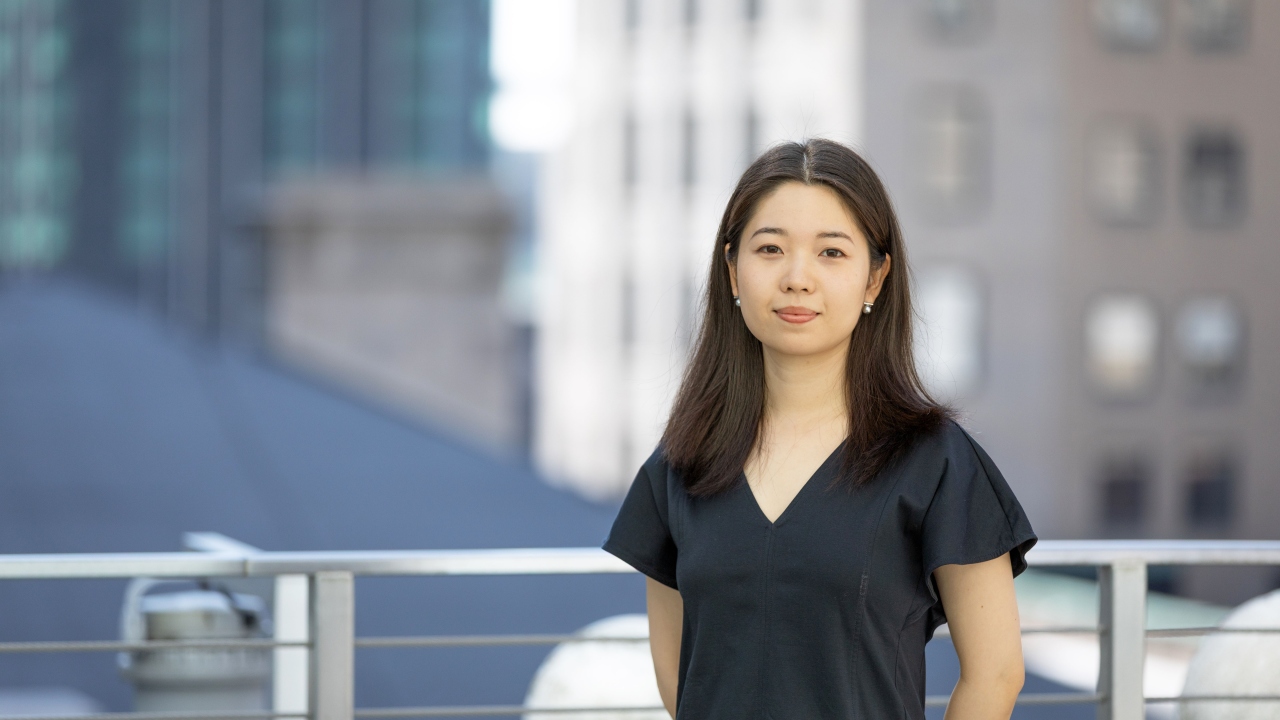
Drawing from both environmental art and architecture, Siyu Gao creates designs that respond thoughtfully to their surroundings. Her projects balance cultural continuity and contemporary needs, resulting in spaces that feel deeply connected to their context.
Thank you. I submitted Concentric Stitching because it reflects a sensitive approach to adaptive reuse. The project does not treat preservation as simply protecting old structures. It asks how a historic village can regain connection, dignity, and public meaning while still carrying traces of time.
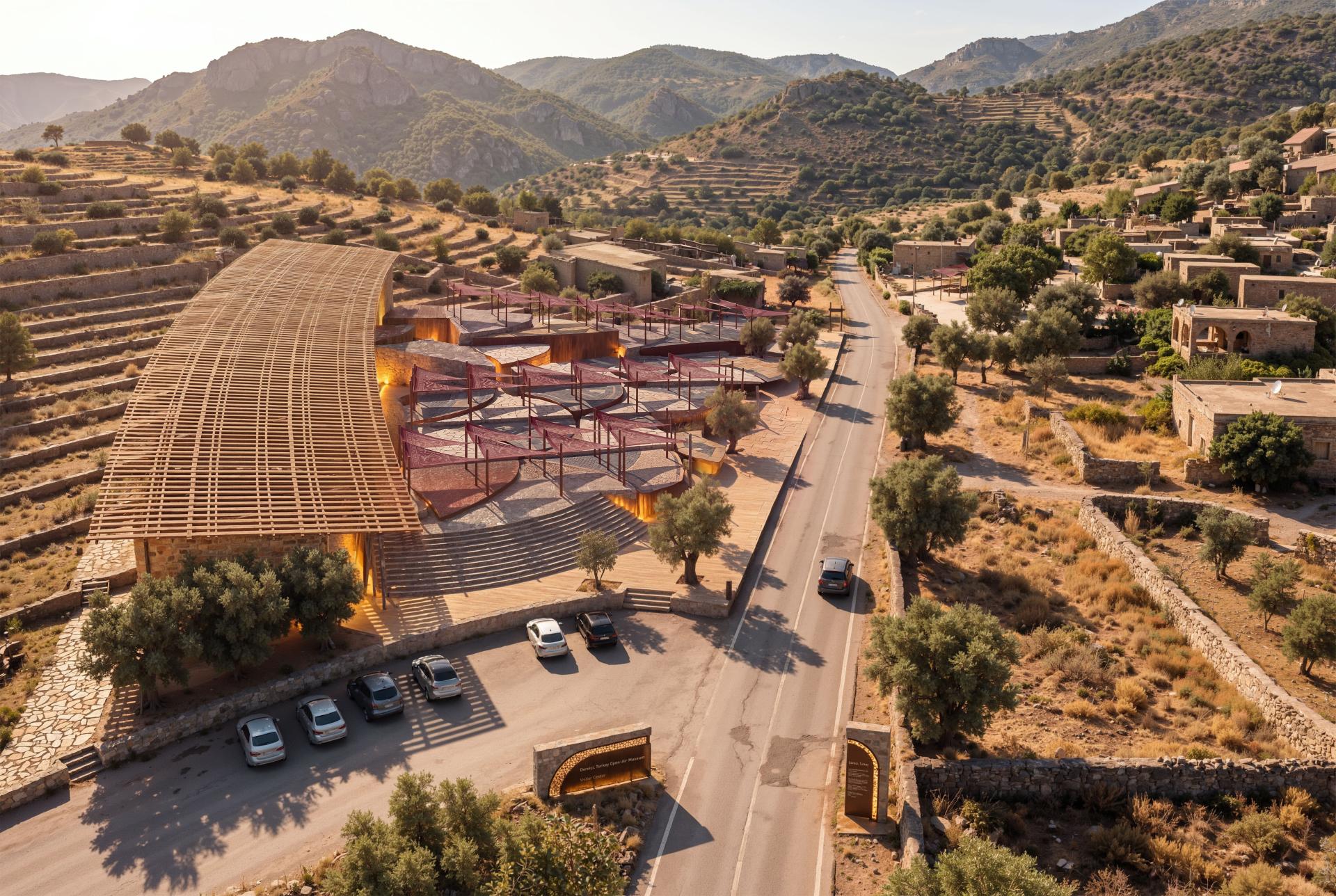
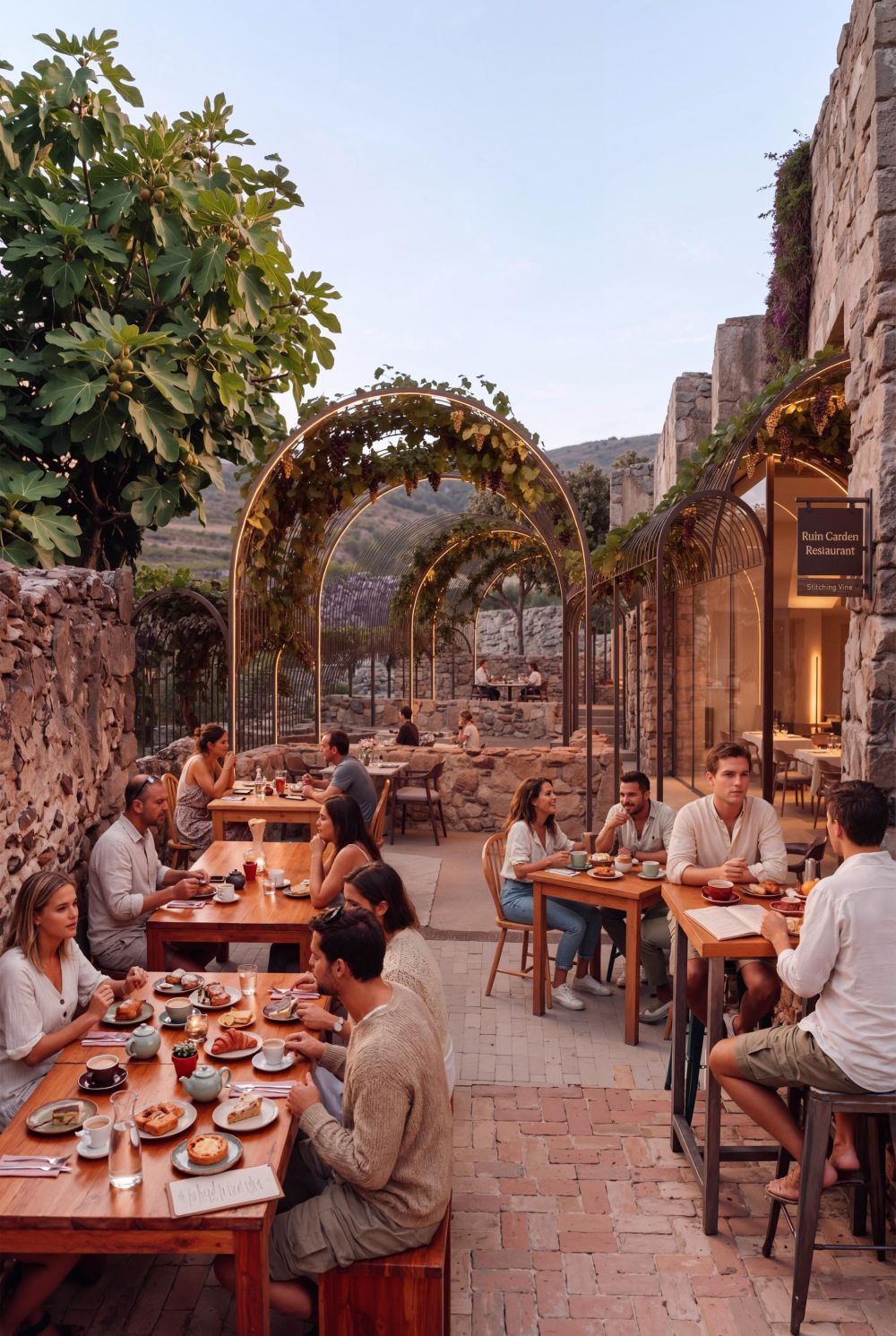
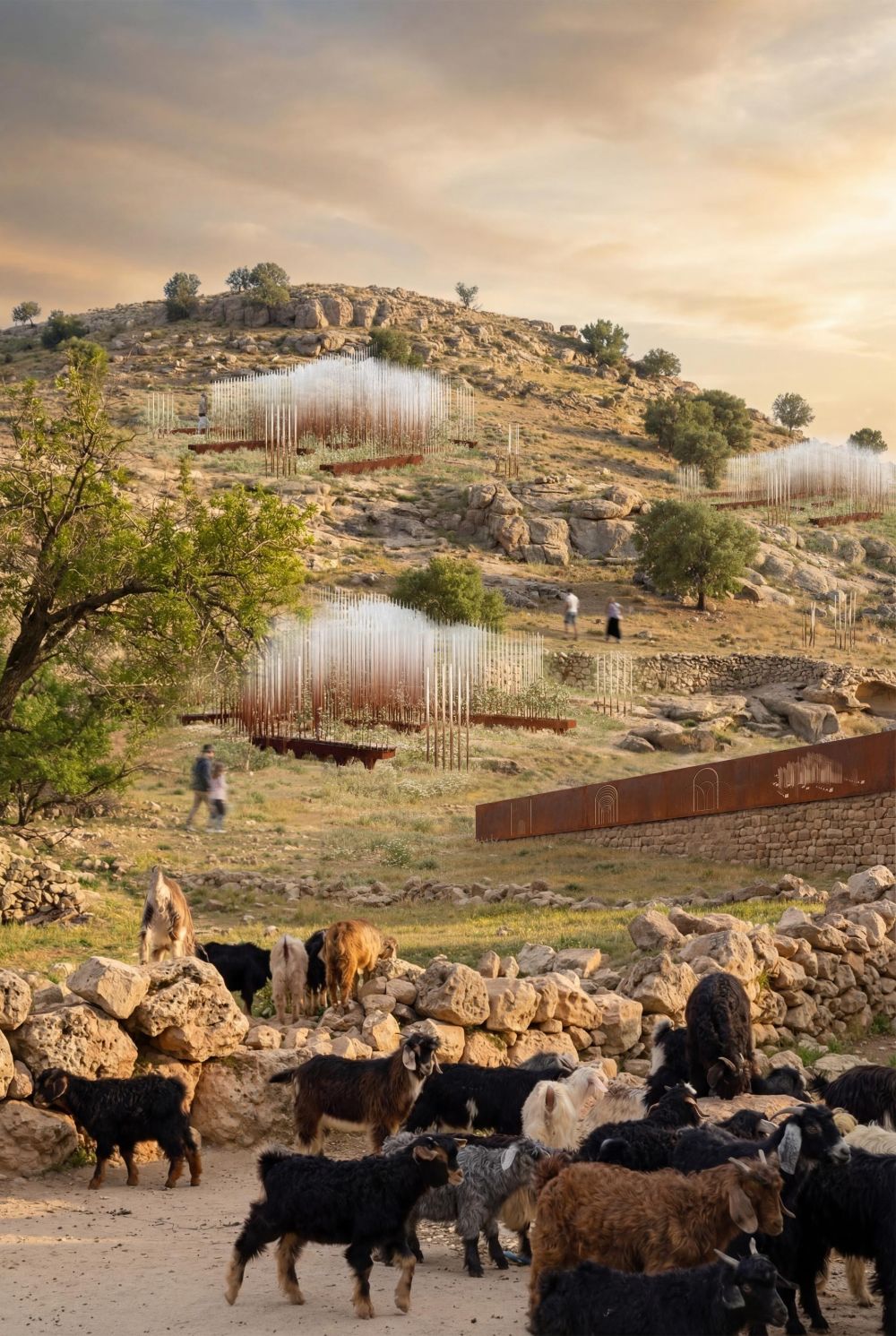
The defining concept is stitching. The village has been divided by scattered ruins, new construction, and a main road. My proposal uses concentric rings and three primary routes to reconnect its fragmented spaces. The vision is to turn separation into continuity, so that churches, paths, burial grounds, public areas, and local programs can become part of one renewed village experience.
My background began in Environmental Art and Design and later developed into architecture. I was drawn to architecture because it can translate invisible relationships into space. A building is not only a form. It can carry memory, climate, material, movement, and emotion at the same time. That ability to connect many layers is what continues to inspire me.
As an individual designer, my goal is to create work that is thoughtful, imaginative, and deeply connected to place.
I am interested in designs that do not feel isolated from their surroundings. I hope my work can create meaningful relationships between people, environment, culture, and time.
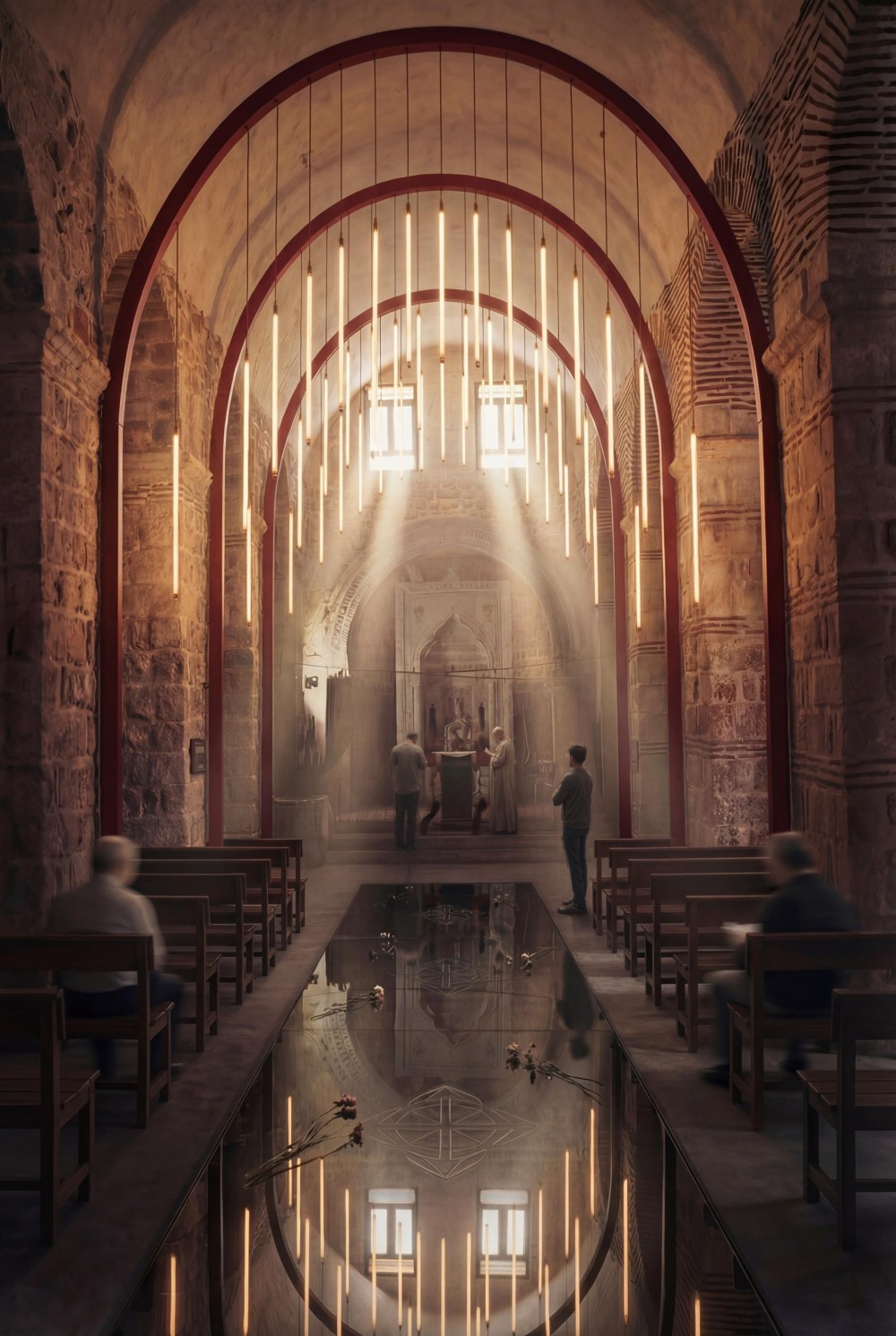
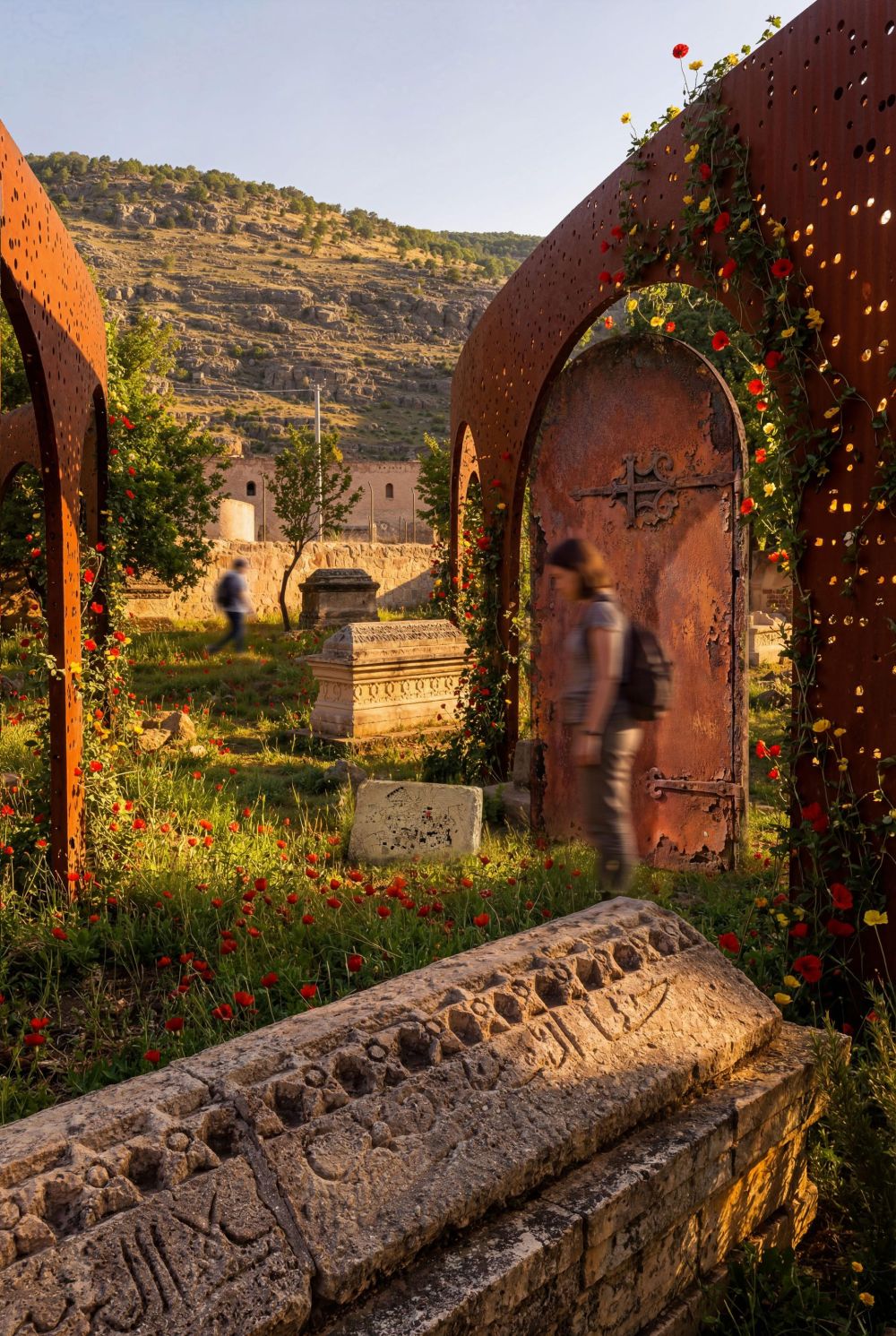
The main challenge was restraint. In a historic village, it is easy for new architecture to become too loud. I wanted the design to support the existing atmosphere rather than compete with it. This led to a lighter approach. Reused doors and windows, arch cut walls, suspended lighting, mirrored ground surfaces, vines, seasonal vegetation, canopies, and meditation pavilions became quiet tools for guiding experience.
My process begins with reading the site carefully. I study its history, landscape, circulation, atmosphere, and existing spatial patterns. Then I look for one clear organizing idea. For this project, the idea came from the curved traces already embedded in the village. After that, I develop the project through drawings, models, diagrams, and renderings until the design becomes both spatial and narrative.
Fragment, memory, and stitching.
The most meaningful feedback is when people notice the quietness of the project.
I was glad when viewers understood that the design is not trying to make the ruins look new. It tries to protect their emotional depth while giving people a new way to approach and inhabit them.
This recognition is very encouraging. It gives me confidence that subtle, careful design can be valued. It also means a lot to me and my collaborator because the project is built on respect for place, history, and human experience.
This award gives me more clarity about the direction I want to continue pursuing. I hope to work on projects related to adaptive reuse, cultural landscapes, public space, and ecological thinking. It encourages me to see architecture not only as construction, but also as a way to repair broken connections.
I have always dreamed of creating a series of “living heritage landscapes” based on the ghost spaces hidden within different cities and countries.
For me, this would not only be architectural design, but a more comprehensive form of experiential design. I am interested in how to discover the “ghosts” that remain within ruins, how to define new experiences around them, and how to find the subtle “switch” that allows a place to transform. This process of searching, revealing, and reactivating hidden memory is deeply fascinating to me.
I think architecture will move toward reuse, repair, climate adaptation, and interdisciplinary thinking.
The future may not always be about building more. It may be about working more intelligently with what already exists. I hope to contribute through projects that combine imagination with responsibility, especially in places shaped by memory and environmental change.
I see sustainability as more than material performance. It also includes cultural continuity.
In Concentric Stitching, sustainability appears through reuse, gradual intervention, local activity, and respect for existing spatial memory. The project avoids replacement and instead allows the village to evolve from its own traces.
For me, sustainable design begins with listening before adding.
If there were no limits on budget or imagination, I would design an atlas of ghost spaces.
It would connect forgotten ruins, abandoned rooms, hidden courtyards, and residual urban spaces across different cities. Each place would become an immersive environment shaped by light, vegetation, sound, craft, and memory.
I imagine it as an architectural film universe, where visitors do not simply observe history, but enter it, follow its traces, and experience the moment when a forgotten place begins to live again. It could even be made into a game
More through this interview here , where NKEY Architects Shares About Unlocking Identity Through Architecture & Design.