Kansa Bronze Saucepan by Eaglador | Heavy Gauge Handcrafted
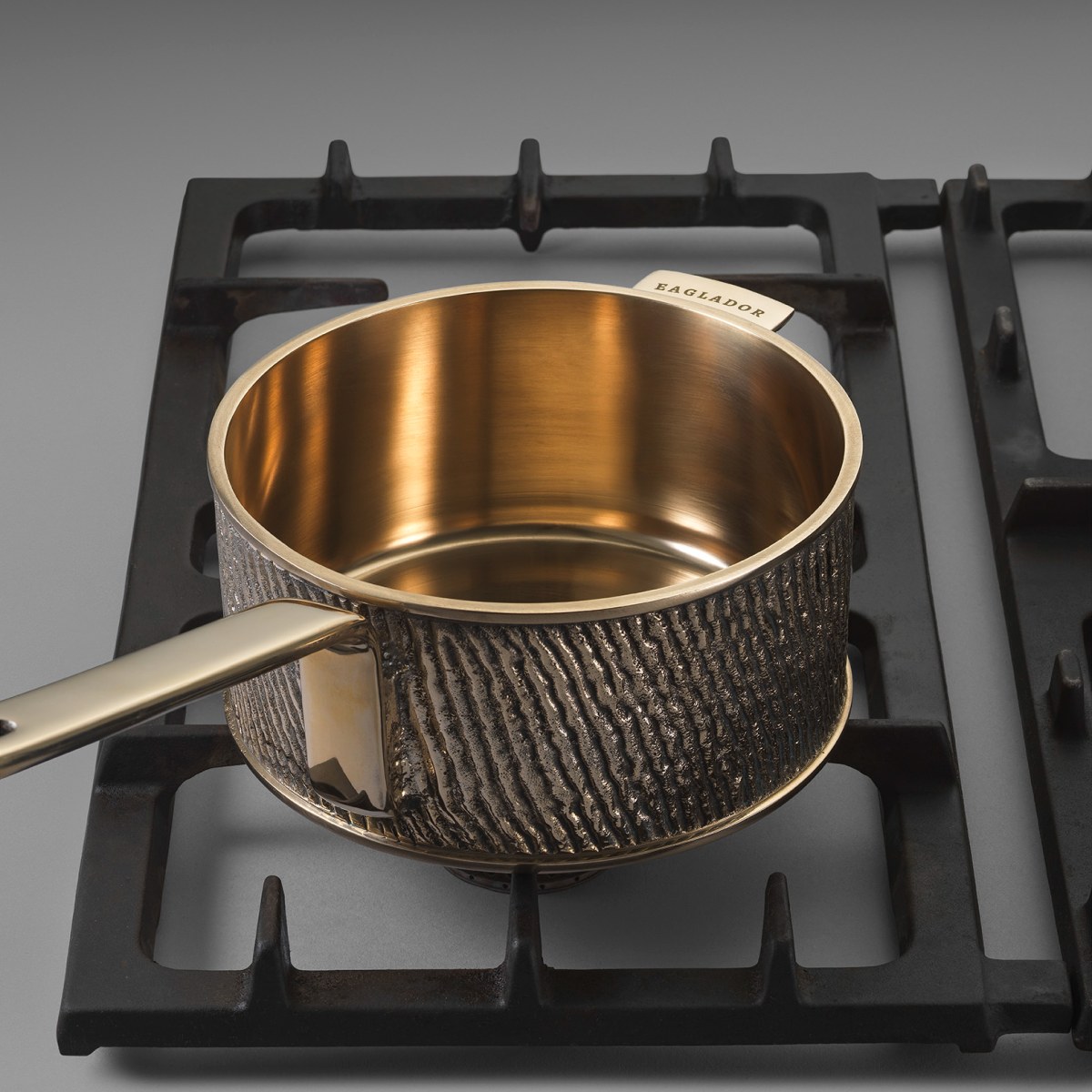
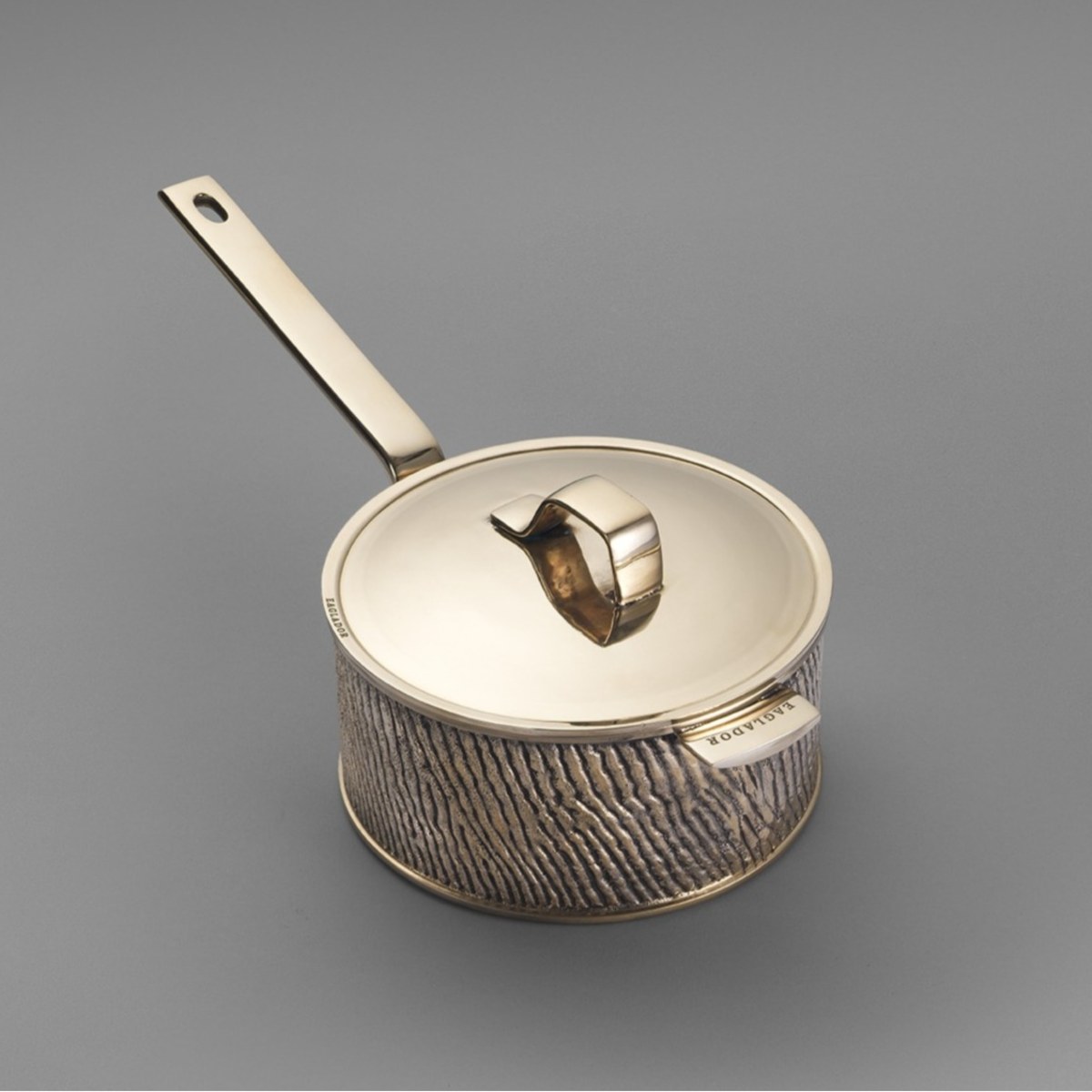
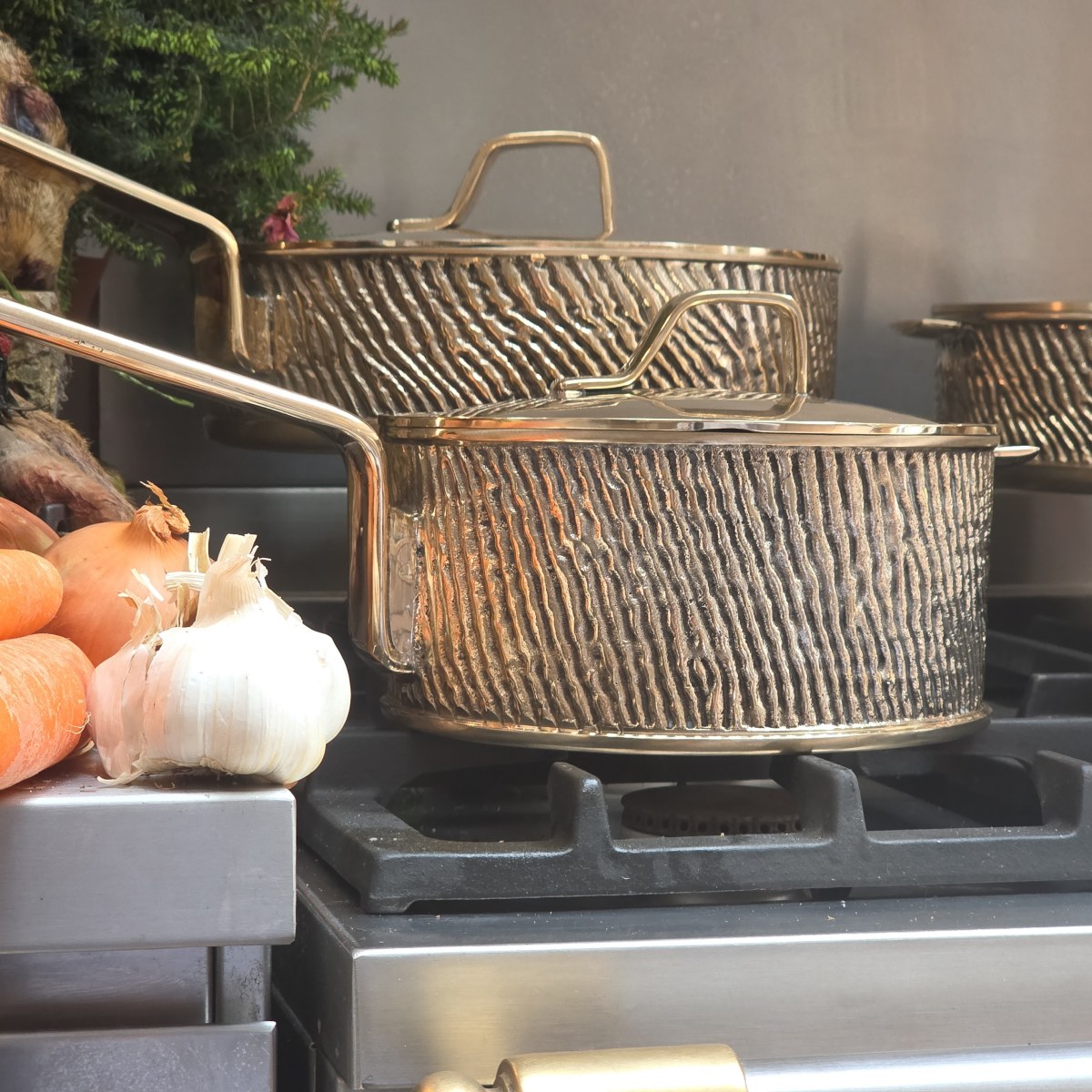
The Aurum saucepan is meticulously handcrafted from heavy-gauge (4mm thick) Kansa bronze — with Eaglador...
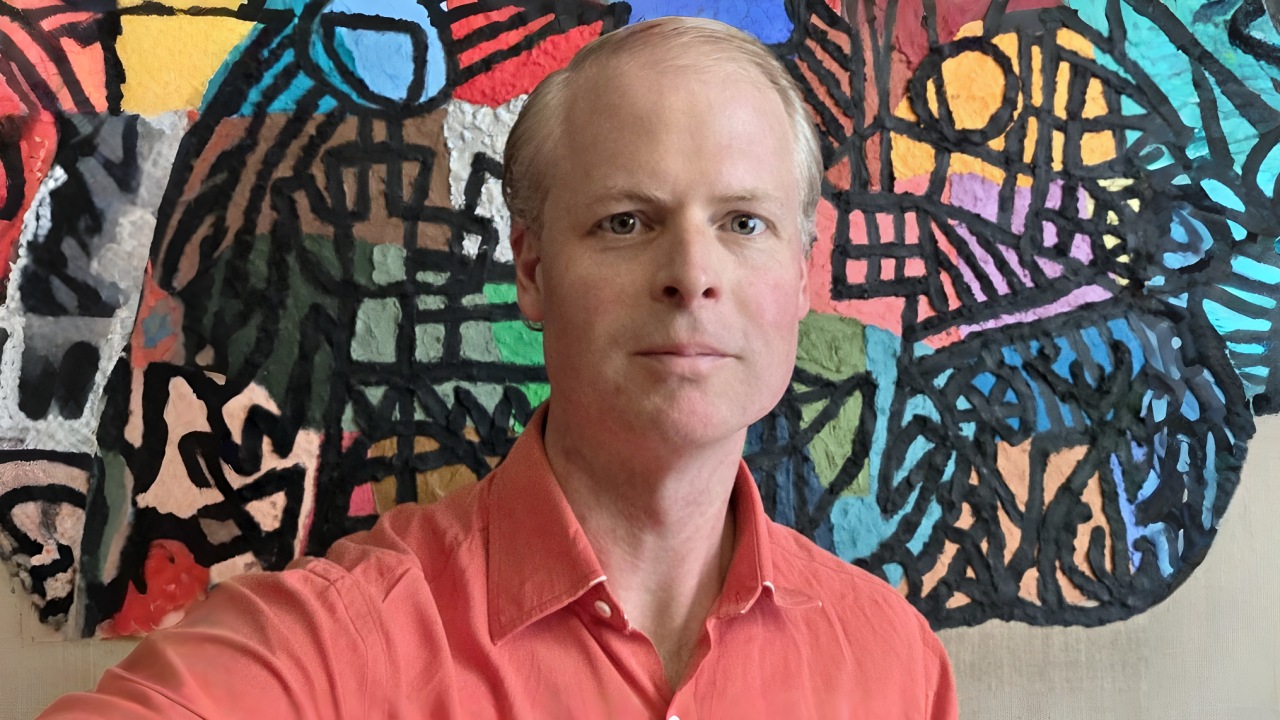
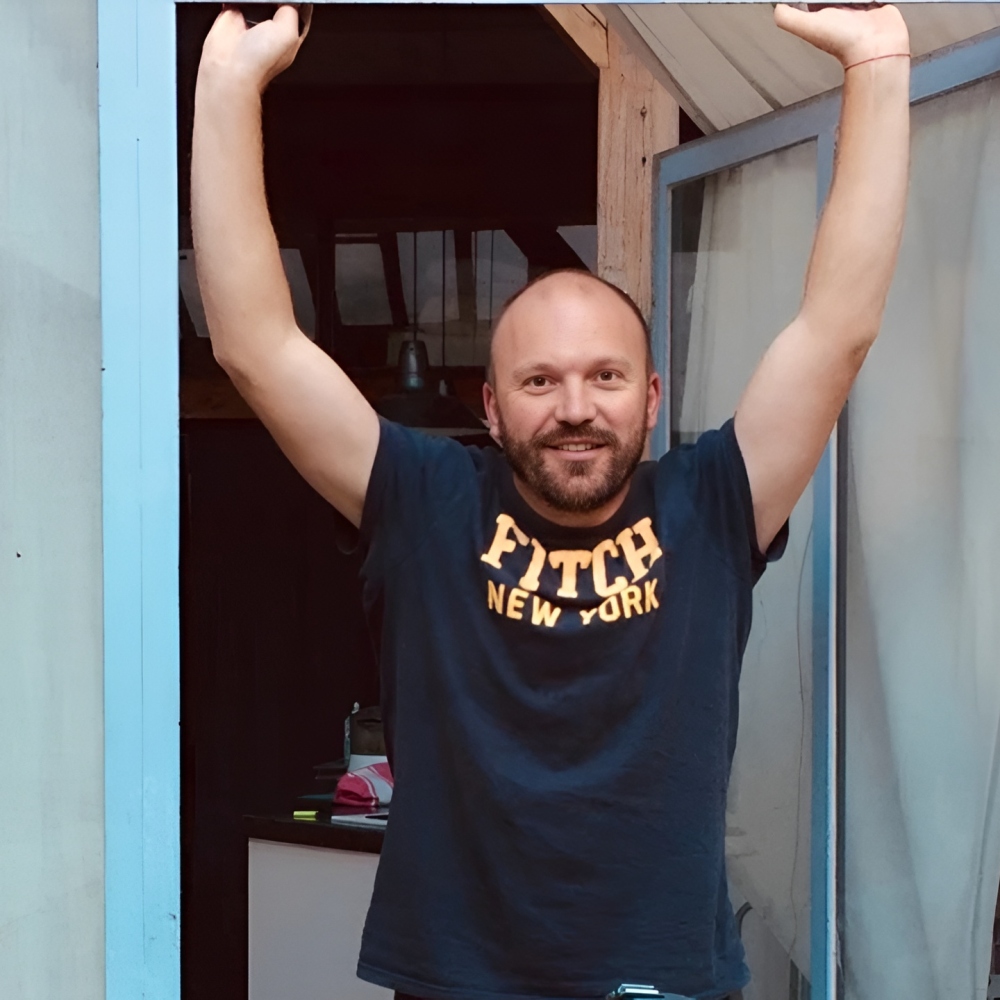
Edward Oldham is the founder of Eaglador, a London-based luxury kitchenware brand dedicated to crafting heirloom-quality Kansa bronze cookware and tableware. Guided by a belief that the kitchen is the heart of the home, he creates pieces that unite timeless craftsmanship, practical performance, and enduring emotional value.
Thank you! I’m truly honoured that our Eaglador saucepan received Silver in the London Design Awards.
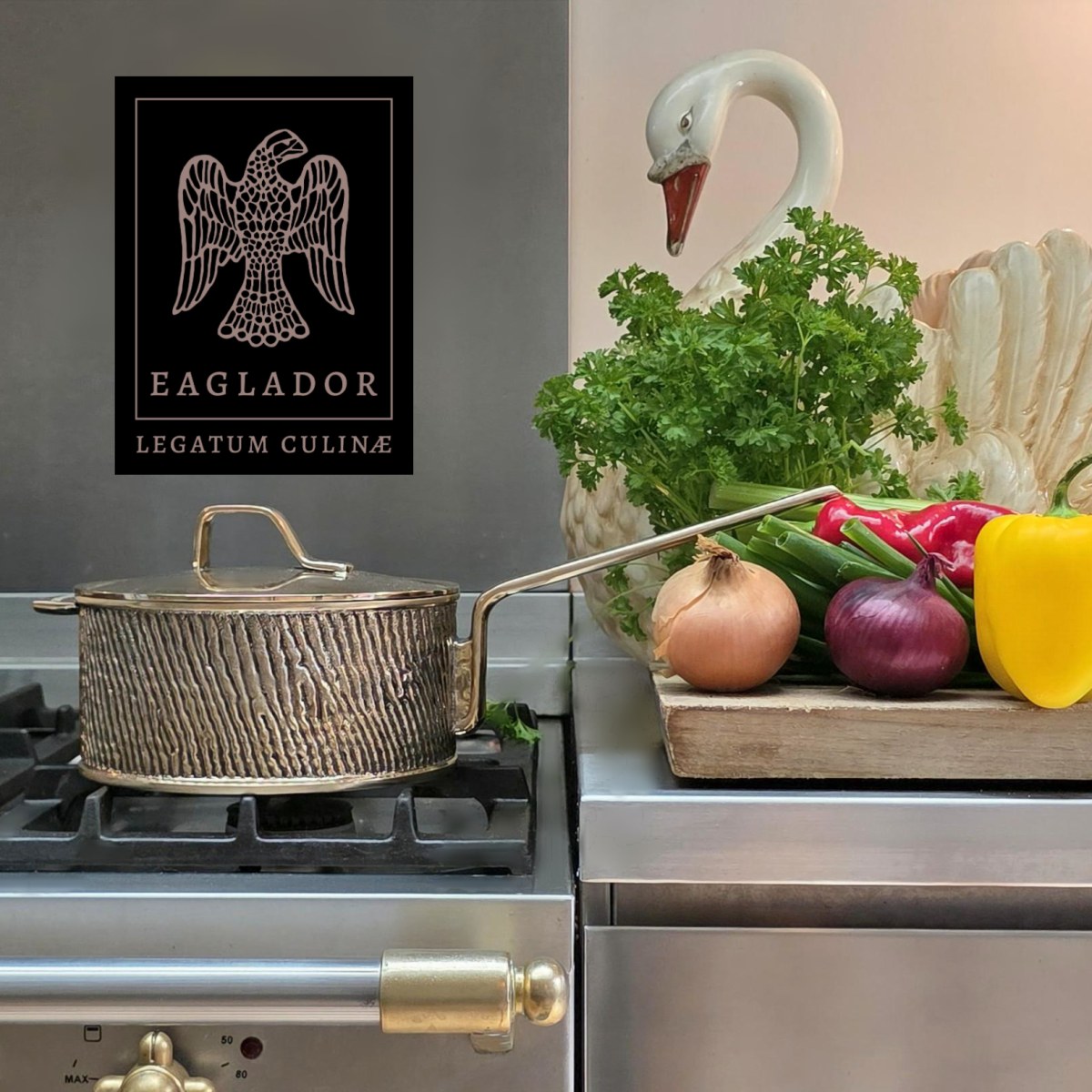
My name is Edward Oldham, and I’m the founder of Eaglador, a luxury kitchenware brand based in London. We specialise in heavy-gauge Kansa bronze cookware and tableware, pieces designed to become cherished heirlooms.
What inspired me to pursue design was a deep frustration with modern cookware — so much of it is disposable, coated with chemicals, and lacks soul. I’ve always believed the kitchen is the heart of the home, where memories are made across generations. That’s why I created Eaglador around the philosophy of Legatum Culinæ — “The Legacy of the Kitchen”.
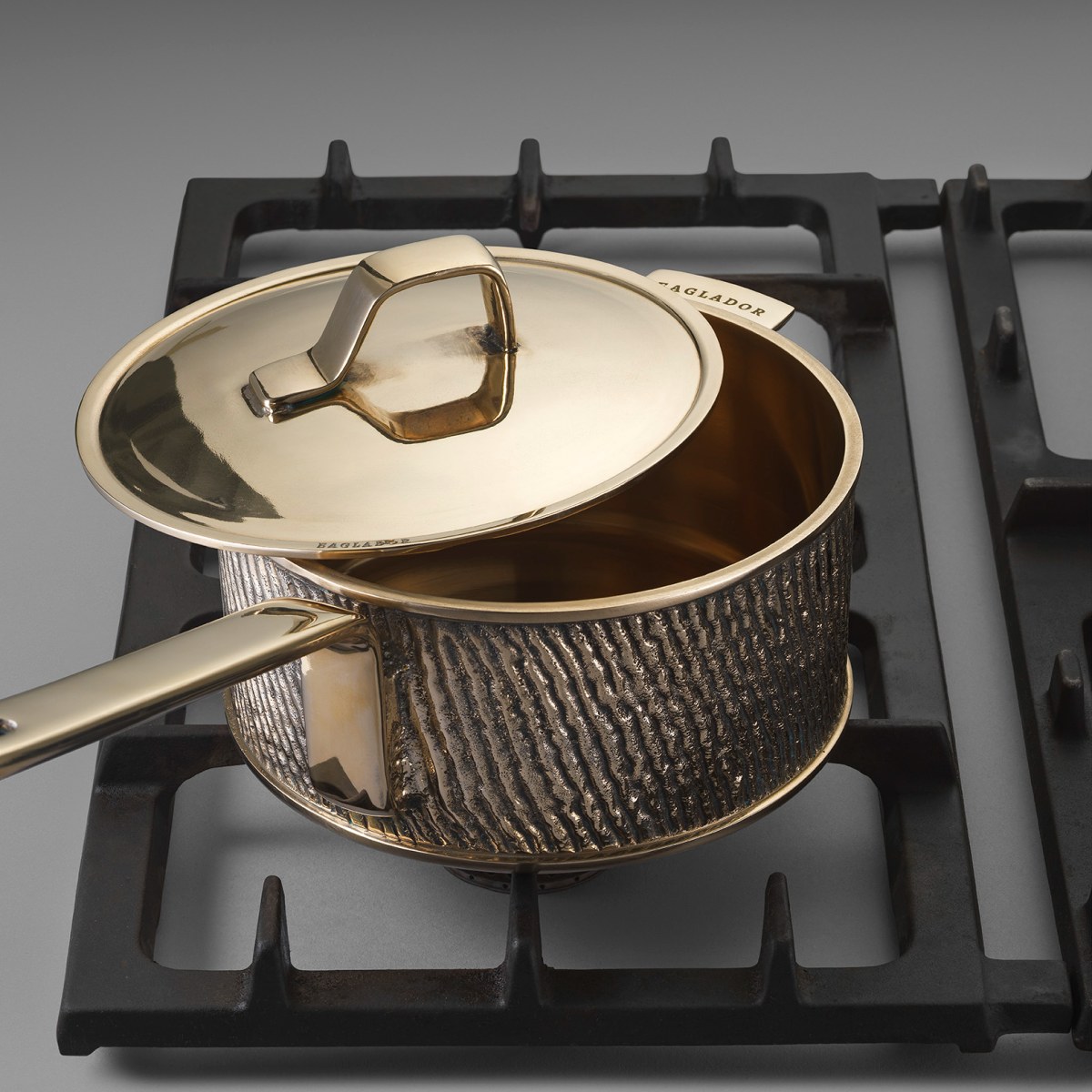
I wanted to design objects that aren’t just functional, but meaningful — something you’d be proud to pass down to your children. The award-winning saucepan is a perfect example of that thinking. It combines ancient lost-wax casting techniques with modern sculptural form, resulting in a piece that performs beautifully while looking like a work of art.
Winning Silver at the London Design Awards was a huge validation that we’re on the right path — creating products that honour tradition while meeting the demands of contemporary cooking and design.
It means a tremendous amount — both personally and for the brand.
Winning Silver in the London Design Awards is incredibly validating. As a relatively young brand, it confirms that the philosophy I've built Eaglador around — creating heirloom-quality pieces that combine ancient craftsmanship with contemporary design — truly resonates.
This award is especially meaningful because it’s not just about aesthetics. The judges recognised the thought, the material innovation, and the emotional intention behind the saucepan. It represents the idea that beautiful, functional objects can still exist in a world dominated by mass-produced, disposable items.
On a personal level, it’s incredibly motivating. It reinforces that the long journey — from the first sketches to refining every detail — was worth it. It gives me confidence to keep pushing the brand forward and tells our customers that they’re investing in something genuinely special.
As a smaller brand, this recognition gives us credibility and momentum. It reassures me that focusing on quality, heritage techniques, and meaningful design is the right path. It’s a proud moment and a wonderful endorsement of British design thinking.
Winning Silver at the London Design Awards has been a significant milestone for both me personally and for Eaglador as a brand.
On a personal level, it’s given me renewed confidence as a designer and founder. Building a luxury brand from the ground up is challenging, so this external validation from such a respected platform has been incredibly motivating. It’s reinforced that the direction we’ve chosen — focusing on meaningful, heirloom-quality design rather than following trends — is the right one.
For the brand, it’s had a noticeable impact. It’s strengthened our credibility in a competitive luxury market and helped us stand out as a serious British design brand. We’ve seen increased interest from stockists, interior designers, and editorial publications since the win. It’s also been a huge morale boost.
In terms of opportunities, it’s already opened doors and generated sales. We’ve had enquiries from high-end retailers and hospitality groups that we might not have received otherwise. It’s also given us greater visibility in the design community, which is invaluable for a young brand like ours.
Overall, this award feels like an important stepping stone. It’s not just recognition of one product, but validation of our entire philosophy — creating objects that are designed to last generations, both functionally and emotionally.
Experimentation is at the heart of my creative process. I strongly believe that meaningful design emerges through persistent iteration, testing, and a willingness to refine ideas until they truly work — both functionally and emotionally.
A great example is the development of our Silver Award-winning saucepan. From the beginning, I wanted to create a sculptural, textured exterior that would make the piece feel special and tactile. While the sculptural design was exactly what we wanted to achieve and is beautiful, getting it right proved extremely challenging.
Early prototypes were far too heavy because of the thickness required to support the deep texture during casting. We had to carefully balance the desire for a bold, artistic surface with the need for practical, usable weight. It took dozens of wax iterations to gradually reduce the weight while preserving the strength and visual impact of the texture. Some versions felt too heavy in the hand, while others lost the emotional presence we were aiming for after casting.
It was a long process of trial and error, but those challenges ultimately led to the final design that won the award — a piece that feels substantial and sculptural, yet balanced and comfortable to use.
This experience reinforced my belief that great design often lies in solving these difficult compromises through experimentation and patience.
One of the most unusual sources of inspiration for me came from the wild turkey feather.
When designing the handles for our Legatum bronze steak knives, the journey actually started with studying the deeply wrinkled texture of morel mushrooms and the rugged patterns of tree bark. I was looking for organic, sculptural forms that felt ancient yet refined.
However, as I continued experimenting, I began to see a striking resemblance in the layered, almost aerodynamic structure of wild turkey feathers — particularly the way they combine delicate ridging with a strong central spine. That contrast between soft organic texture and rigid structure became exactly what I wanted to achieve.
The final handle design draws from all three: the complexity of the morel mushroom, the depth of tree bark, and the elegant layering and balance found in wild turkey feathers. It creates a beautiful tension — sculptural and tactile, yet balanced and refined in the hand.
Nature continues to be one of the richest sources of inspiration for Eaglador’s designs.
I wish more people understood that good design is rarely the result of a single brilliant idea — it’s the result of relentless refinement, compromise, and patience.
What looks simple and elegant on the surface is often the outcome of hundreds of small decisions, failed prototypes, and difficult trade-offs. With our award-winning saucepan, for example, achieving that perfect balance between sculptural beauty, practical weight, and cooking performance took dozens of iterations. Every curve, every texture depth, and every gram mattered.
People often see the final product and think “that looks nice,” but they don’t see the months of experimentation, the rejected versions, the weight adjustments, or the close collaboration with artisans to make sure it actually performs beautifully in a real kitchen.
I wish more people understood that true design excellence is found in the unseen details and the willingness to keep improving something until it feels right — not just visually, but functionally and emotionally.
That invisible work is where the real craft lies.
I believe the best work happens when you respect both — but you must never compromise the core vision just to make things easier or more familiar.
A clear example is our decision to build Eaglador around Kansa bronze — an ancient Indian alloy (78% copper, 22% tin) that has been used for thousands of years in Ayurvedic traditions. When I first started, many people (including some potential retailers) expected more conventional materials like stainless steel or enameled cast iron because they’re familiar in the Western market.
However, I stayed true to the idea that Kansa bronze offered something genuinely special: unmatched thermal performance, natural non-stick properties as it seasons, and the ability to create heavy-gauge heirloom pieces using traditional lost-wax casting. It wasn’t the easiest path. Educating the market about an almost unknown material in the West required patience and persistence.
Rather than watering down the concept to meet immediate expectations, I focused on clearly communicating the benefits and philosophy behind it. Over time, the customers who understood and embraced Kansa bronze became our most loyal advocates. They didn’t just buy a pan — they bought into a different approach to cooking and design.
For me, staying true to the idea doesn’t mean ignoring clients — it means having the conviction to guide them toward something better, even if it’s unfamiliar at first. That balance between vision and empathy is where meaningful brands are built.
The biggest challenge was balancing the sculptural, textured design I wanted with practical weight and usability. Early prototypes were significantly too heavy because of the deep texture required for lost-wax casting.
We overcame this through persistent experimentation — producing dozens of wax models. We gradually refined the wall thickness and texture until we found the sweet spot: a piece that feels substantial and beautiful, yet balanced and comfortable to use.
Those challenges ultimately made the final design much stronger.
When I hit a creative block, I step away from design and paint.
I use a lot of oil on canvas and love building up rich, heavy texture — often with palette knives. I often paint abstract pieces from my imagination. The tactile, physical process of layering and creating texture helps clear my mind.
Stepping into painting allows me to move from precision and technical constraints into something much freer and more expressive. It’s become an essential way for me to recharge and find fresh inspiration.
I infuse a deep belief that objects should serve us for a lifetime — and ideally, for generations.
My designs are shaped by a strong reaction against the disposable culture I saw growing up. Too much modern cookware is designed to be replaced every few years. I wanted to create the opposite: pieces that improve with age, develop character, and can be passed down with pride.
This comes from my personal values around longevity, craftsmanship, and meaningful living. I believe the kitchen is the heart of the home — where families gather, stories are told, and memories are made. That’s why everything at Eaglador is built around the idea of Legatum Culinæ — “The Legacy of the Kitchen.”
I also bring in my love of nature and texture. You’ll see this in the sculptural surfaces inspired by morel mushrooms, tree bark, and wild turkey feathers. These natural forms represent imperfection and beauty coexisting — something I try to reflect in every piece.
Ultimately, I want people to feel an emotional connection when they use Eaglador pieces — not just own them, but pass them on to the next generation.
When I started Eaglador, I realised that Kansa bronze — an alloy that has been used for over 3,000 years across Asia for its excellent cooking properties and natural benefits — was almost completely unknown in the West. At the same time, Western consumers were becoming increasingly interested in uncoated, non-toxic, and genuinely healthy cookware. That gap became the foundation for the entire brand.
I would encourage aspiring designers to actively search for these “gems” — materials, techniques, or ideas that are deeply established in one culture but overlooked in another. If you can find something authentic, functional, and genuinely better, and you’re the first to bring it to a new audience in a refined way, you can create real differentiation.
In a highly competitive market, being first with something meaningful gives you a significant edge. Don’t just follow trends — look for the white spaces where no one else is playing. Combine deep research with patience and conviction. When you find that special intersection between heritage and unmet need, lean into it fully.
That first-mover advantage, built on something authentic, is one of the most powerful things you can have as a designer.
I would choose Salvador Dalí.
While he’s primarily known as a painter, Dalí also created a highly surreal and sculptural cutlery collection in 1957 — featuring pieces like the elephant fork and snail knife. That work fascinates me because it shows his ability to turn everyday functional objects into bold, imaginative statements.
I’d love to collaborate with him on organic, textured forms and pushing materials beyond their conventional use. Dalí had an extraordinary talent for blending the bizarre with the beautiful, and for creating objects that provoke emotion and conversation.
With Eaglador’s focus on sculptural Kansa bronze and natural textures (inspired by mushrooms, tree bark, and feathers), I believe Dalí’s wild creativity and mastery of surreal form would lead to some truly extraordinary pieces. Imagining what we could create by combining his visionary approach with traditional lost-wax casting and modern functionality is incredibly exciting.
He had that rare ability to make the impossible feel tangible — something I deeply admire.
I wish people would ask: “Why bronze?”
My answer is that I wanted to create something truly different — not just another coated or mass-produced pan.
Kansa bronze, with its precise 78% copper and 22% tin ratio, is the perfect balance. The high copper gives exceptional heat conductivity and that gentle natural alkalinity, while the higher tin content creates stability and allows the metal to develop a beautiful, self-renewing non-stick patina over time.
What I love most is how personal the pan becomes. Unlike non-stick coatings that degrade, Kansa’s patina improves with every use. You actually nurture it — seasoning it through cooking, caring for it, watching it evolve. After a few months, the pan starts to feel like it’s truly yours. It develops its own unique character, almost like a cast iron skillet, but with far better performance and elegance.
That emotional connection — the idea that you’re not just buying an object, but growing something together with it — is at the heart of Eaglador. It turns cooking into a more mindful, rewarding ritual.
So while people often ask “Why bronze?”, for me the real question has always been: “Why not create something worth caring for?”
Click here to read the interview where Shilton Chong Talks About His Timeless Craft Through Industrial Design.