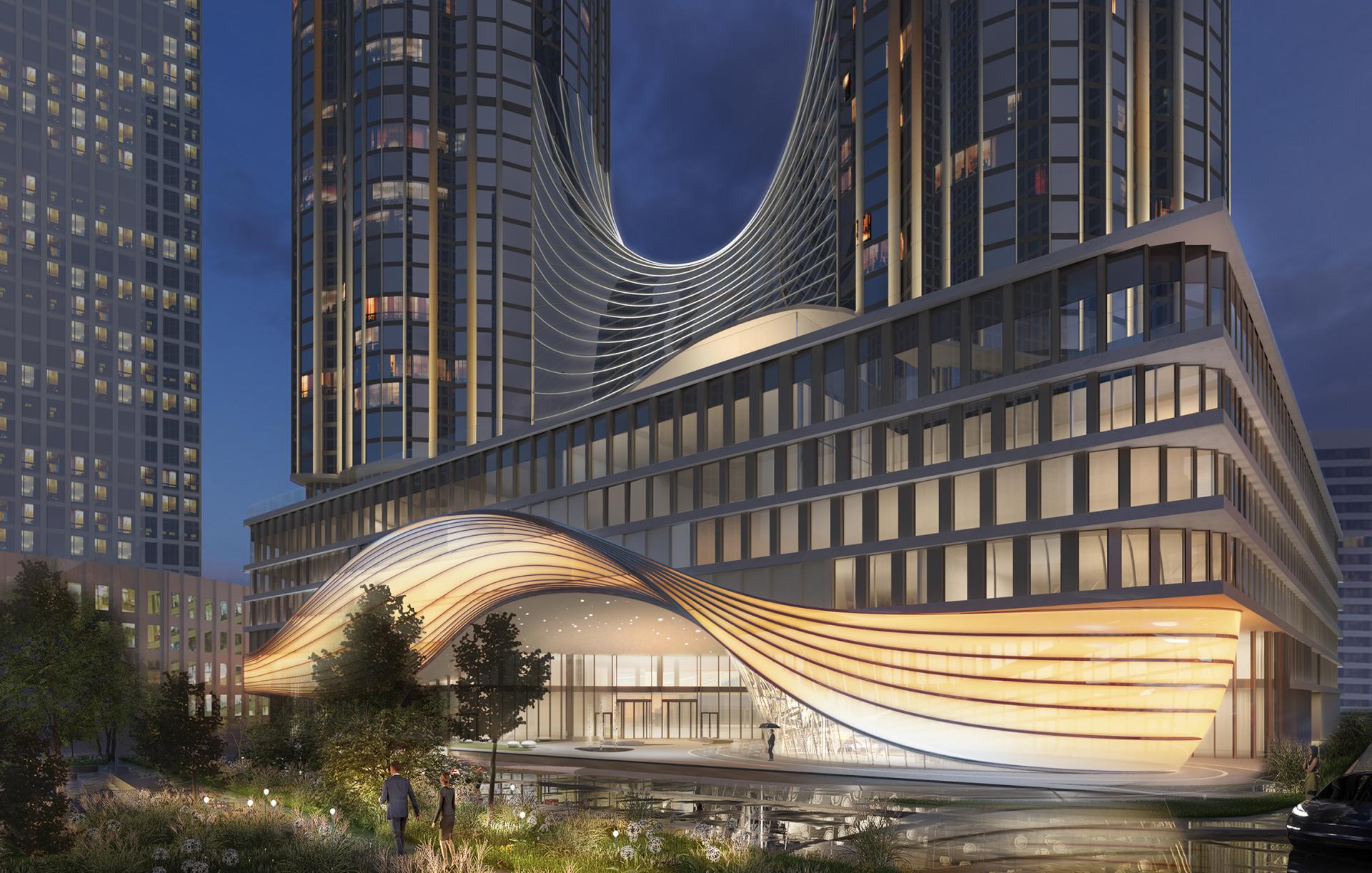
CITY II Towers
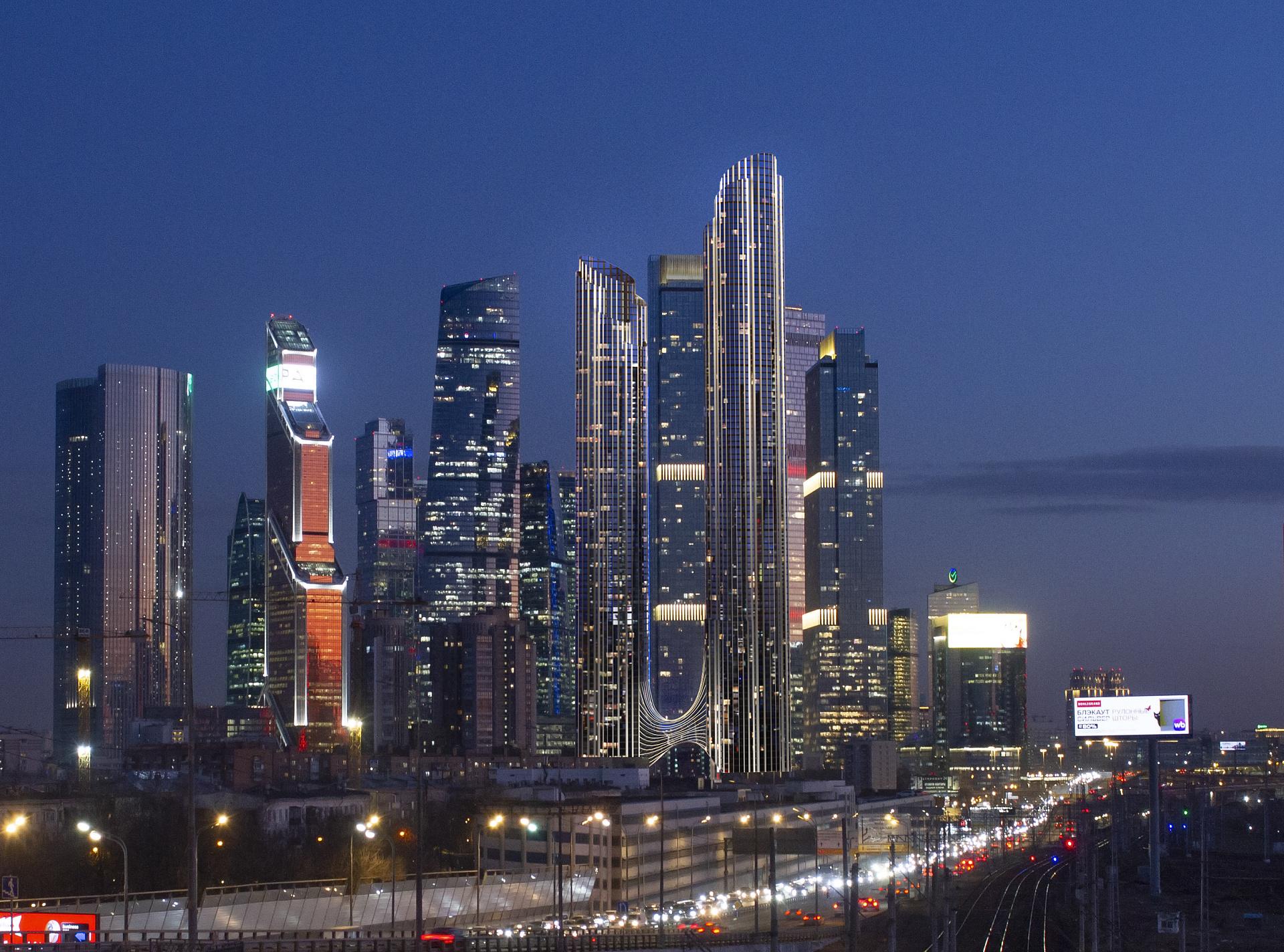
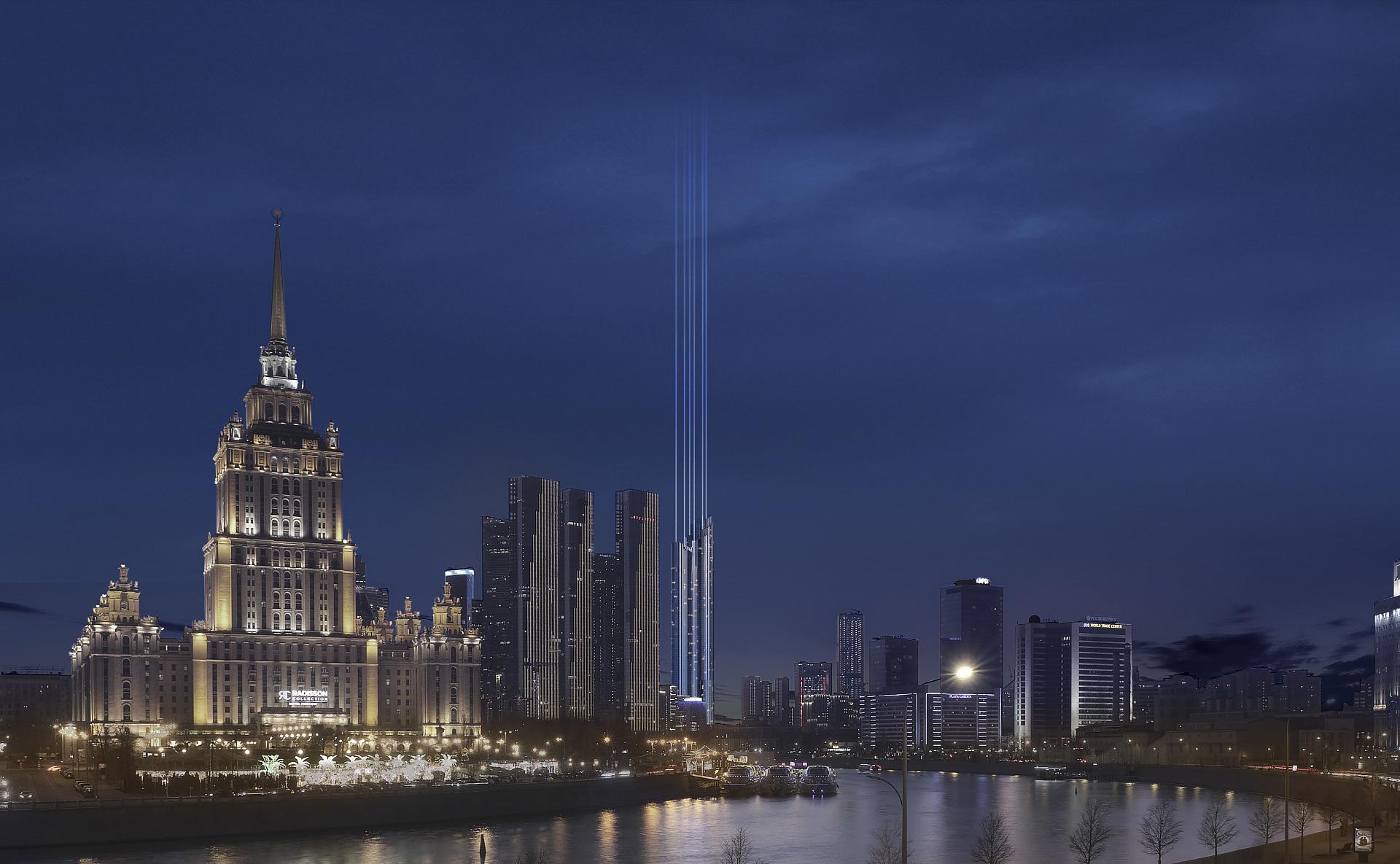
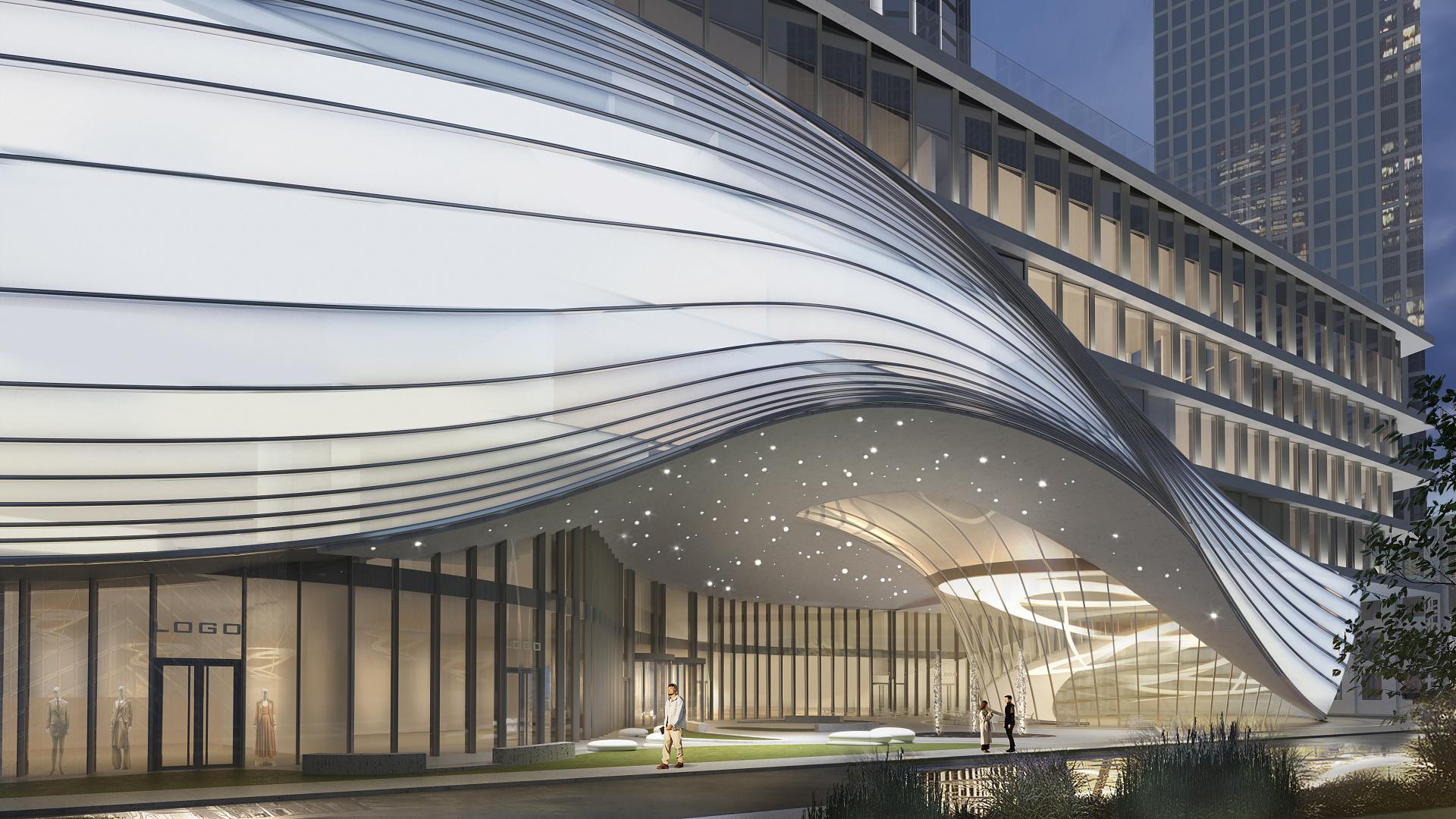
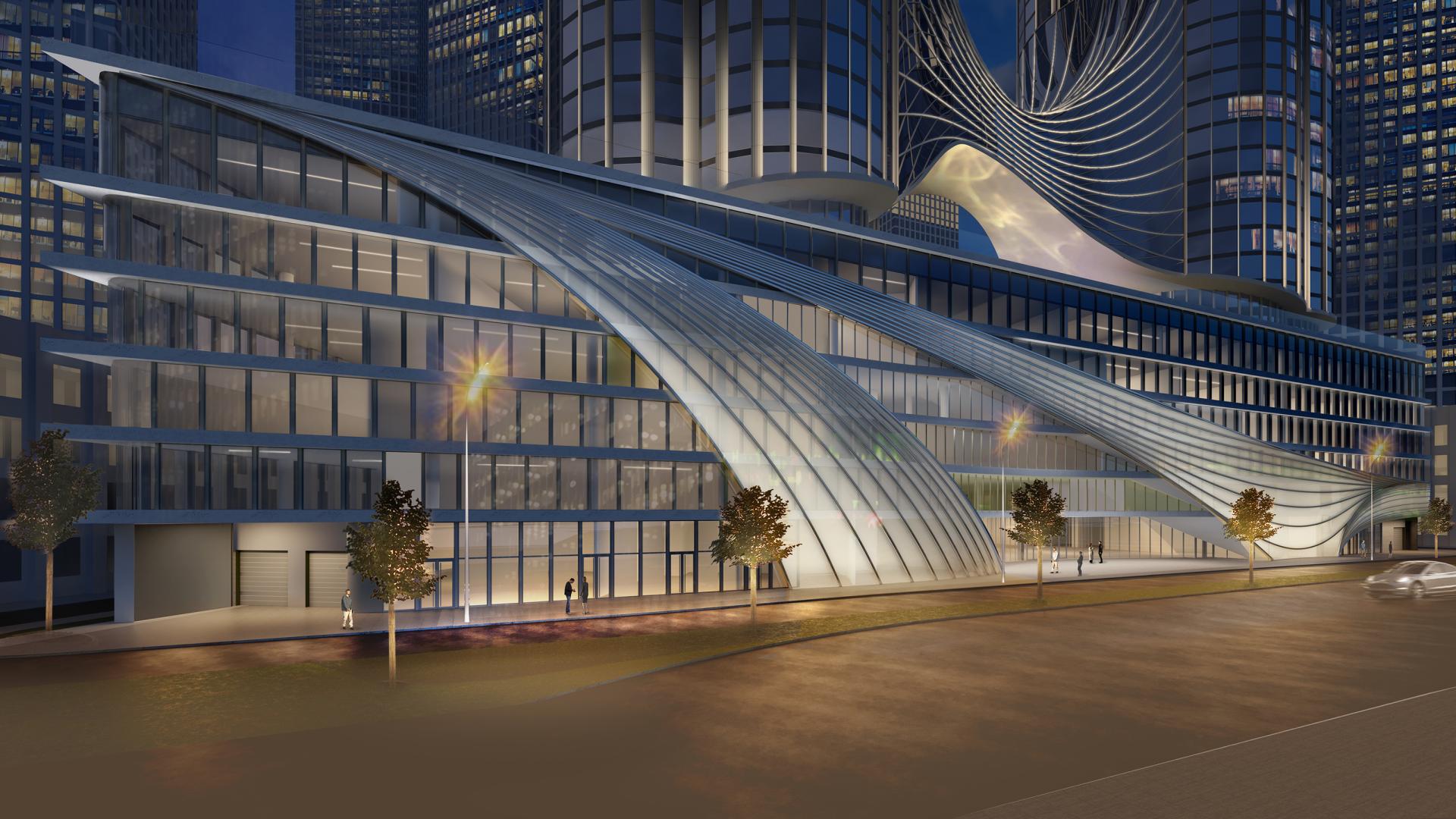
The City II Towers are pioneers in the development of the new district and have...
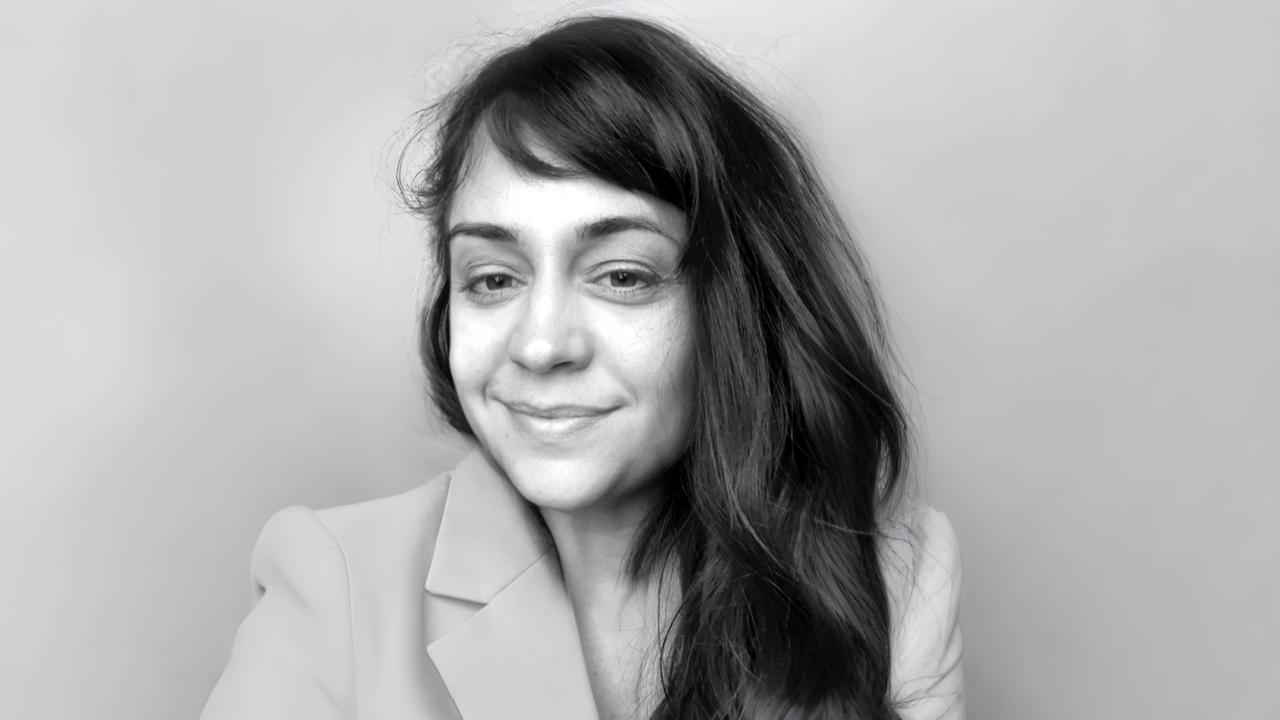
Nataly Koptseva is a lighting designer specializing in complex urban and façade illumination, where engineering precision meets artistic vision. Drawing inspiration from world art and architectural heritage, she creates lighting experiences that enrich public spaces and shape how people connect with their surroundings.
My name is Nataly Koptseva, and I specialize in lighting design. My work focuses primarily on complex urban and facade lighting — intricate light structures and spatial environments. I am delighted that my projects have the ability to improve people's quality of life. I truly enjoy lighting design, as it is a profession that sits at the crossroads of engineering innovation and artistic expression.
The art of design is a unique aesthetic language that connects people across the globe. It is a form of communication that carries both deeply personal and broadly social meanings. What attracts me most to design is this very balance — the opportunity for self-expression, the ability to convey one’s ideas to a wide audience, and the power to make the world around us a better place.
The Tokyo Design Awards represents a new horizon of opportunities for me. Our company has participated in—and won—various international competitions in the field of lighting design around the world. We are constantly seeking new paths and new connections, as this allows us to stay relevant, grow professionally, and also appreciate the work and projects of other specialists.
We believe that our participation helps promote lighting design and brings greater visibility to our profession within the country, while also adding extra value to our projects.
I have been working in the field of lighting design for over twenty years, and I can say that, as in any creative profession, there are both standard solutions to problems and the opportunity to seek something new. What matters to me is that a lighting design project does not simply fit within the context of a space, but also carries a special meaning — that invisible something that captivates and touches the very depths of the soul. When that quality is absent, I feel there is little point in doing anything at all. We could, for example, simply illuminate a historic building by arranging luminaires in some composition across its façade — but that is not enough.
True creativity lies in this: after studying the history of the place, its context, and the future development of the project, we must understand what meaning we need to embed into our design. There must always be an idea centered on the people who will experience it — because at the heart of any design composition stands the human being. It is this very search that leads us to create a new vision, and often we do not know what the final result will be. And that is precisely the magic of design.
I have always found the most unique and infinite source of inspiration in the heritage of world art. It is remarkable how styles from past eras can resonate so strongly today. While designing the lighting sequences for a complex religious building, I used the color palettes of the Impressionist painter Claude Monet.
His Rouen Cathedral series inspired me — in those works, the cathedral's architecture reveals a different mood with every shift in light. Indeed, art is an extraordinary companion in the creative process.
What matters most, I believe, is an appreciation for the value of a creative work. We frequently find ourselves collaborating in teams of creative specialists. In my experience, the finest ideas and projects arise where multiple viewpoints converge — and it is precisely this richness that elevates the ultimate worth of the completed project.
At times, simply being able to hear another person and release some of our own deeply held beliefs can make the work not weaker, but all the more resonant and strong.
This is perhaps the most difficult question of all: how to balance one's own ideas with the client's wishes. I believe that only experience allows us to resolve such contradictions. That kind of balance is something that comes with years of practice. It is probably inevitable that at the beginning of a creative journey, a designer makes mistakes — but over time, projects become more convincing, and achieving a balance between personal vision and the client's criteria grows easier.
«Less is more».
We always strive to approach every project as if it were utterly new. We never rely on template solutions. For us, each project feels like the first. Reaching that emotional state is the hardest challenge in a designer's work. It demands a particular kind of effort — a leap, as it were, into the open cosmos of free ideas. When you have spent many years in this profession, the mechanics become second nature. But to keep making discoveries, over and over again — that, without question, requires immense energy.
A designer is like a vessel — one that must first be filled in order to pour its accumulated ideas out into the world. A crisis, then, is a kind of emptying of the inner world. It seems to me that the remedy lies precisely in seeking out something new — new impressions that later transform into one's own lived experience. This, without a doubt, helps replenish the interior.
My first thought is always the responsibility I hold for the future of my work. We frequently design for the evening cityscape — an exceptionally complex, multi-layered environment. Artificial lighting offers a unique way to influence how people see the world and what they feel. That is why finding the right balance of expressive tools is so crucial.
Equally important to me is honesty. If you create something in design, you must genuinely believe in it and stand by it as the right approach — never act randomly or without purpose. Moreover, a designer, equipped with a broad vision and deep knowledge, has tremendous influence on the aesthetic experience of others.
Behind every achievement and every victory lies enormous effort. I believe that is the real key to success — simply doing quality, responsible work for the benefit of others. And creativity, along with the search for the new, is an inseparable part of any successful pursuit.
I would gladly collaborate with the designers and creators of 1920s Russia. Even today, the futuristic projects of that era continue to offer something remarkably new. One gets the feeling that those artists unlocked some great energy. Their works possess a unique gravitational quality — they exist outside of time.
The projects of Ivan Leonidov, in particular, with their sense of raw power and soaring imagination, deeply inspire me and expand the boundaries of what seems possible. In my own designs, I often turn to the legacy of the Russian avant-garde — to the simplicity and balanced compositions of the Suprematists.
I would like any question about my profession to invite a layered answer — one that explores how light and artificial lighting affect people. This influence is too often underestimated. But we are all still children of the sun, and our lives are deeply connected to light. My hope is to see more conscious, high-level lighting design projects emerge — and for that, we must speak more widely about the importance of lighting altogether.
Read this interview here where Davide Bianchi Shares Why Great Design Requires Time, Curiosity & Refinement.