
Design & Inspiration
Sarah Zaheer Advances Waste Management with TrashitRight

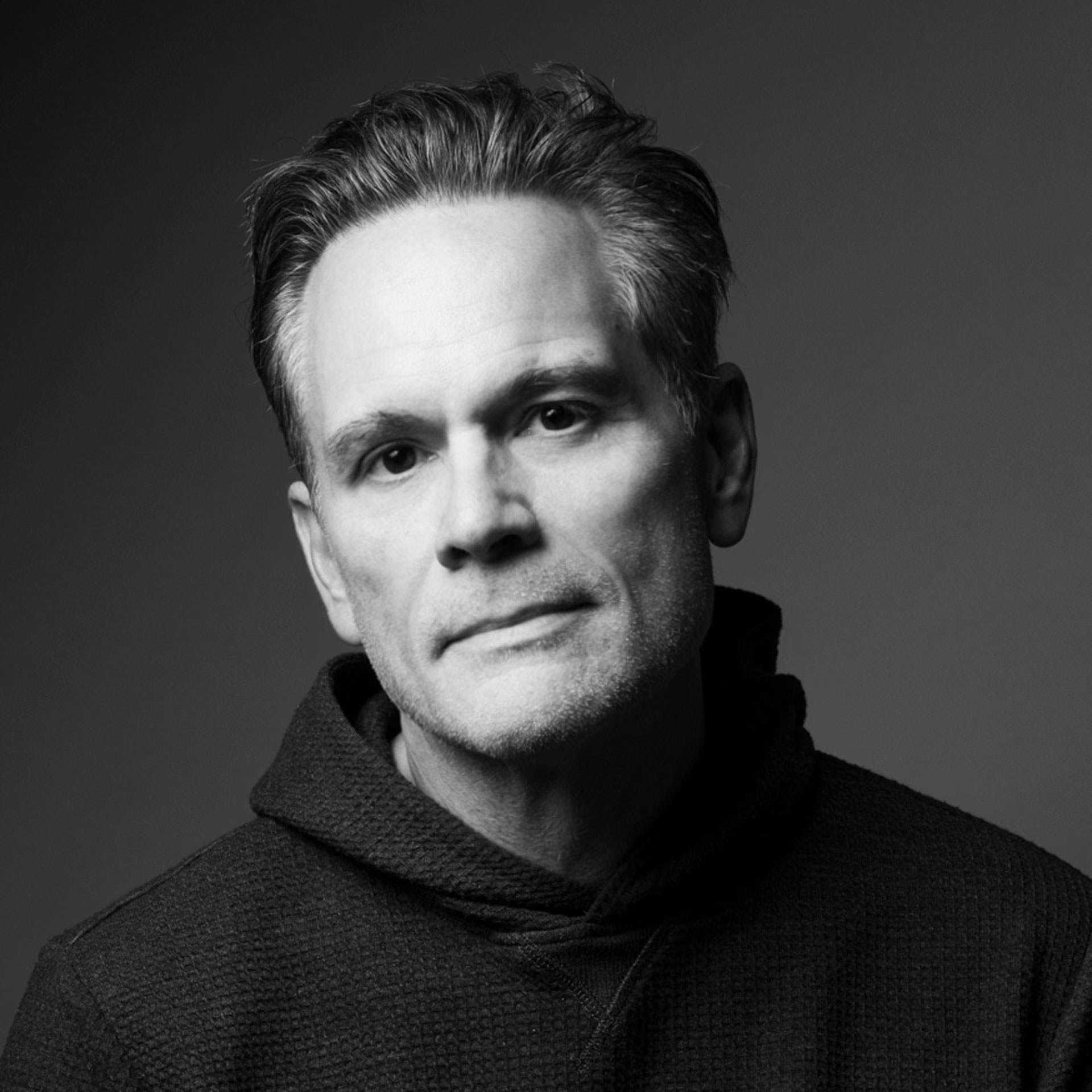
Sarah Zaheer
Sarah Zaheer is a designer and researcher driven by a deep curiosity about why people do what they do, channeling this passion into behavioral design to create technology that meaningfully shapes everyday actions for the better.
Thank you! I’m Sarah Zaheer—I'm a designer and researcher with a deep love for solving meaningful problems that sit at the crossroads of people and technology. What pulled me into design was this ongoing curiosity about why people do what they do.
That led me to Behavioral Design, where I realized how powerful design can be in shaping everyday actions for the better. For me, it’s not just about building beautiful interfaces—it’s about creating experiences that empower people and leave a lasting impact.
Honestly, it means the world! It’s not just a recognition of the work—it’s a recognition of the why behind it. TrashitRight was all about making sustainability more approachable, more actionable. So to have a global platform say, “This matters”—it’s incredibly validating. It encourages me to keep pushing for socially conscious design and reminds me that even small behavior shifts, if designed well, can ripple out into real change.
Winning the MUSE Design Awards has been a major moment of validation—not just for me, but for the potential of TrashitRight as a real-world solution. It’s helped me build credibility when reaching out to potential collaborators and funders, because the award shows there’s already strong interest and belief in the idea. I’ve had conversations around taking this beyond a prototype—exploring grants, partnerships, and seed funding to help develop a pilot in schools or community centers.
More than that, it’s sparked deeper thinking around how this project could evolve into a larger behavioral design initiative. At its core, TrashitRight isn’t just about trash—it’s about changing habits. And that opens up so many opportunities to apply these same principles to other behavior-driven challenges, whether in sustainability, health, or education. This recognition gave the project visibility—but also momentum to take it further.
Experimentation is at the heart of how I design—it keeps things fresh, human, and grounded in reality. With TrashitRight, we explored everything from camera recognition tech to different projection formats. At one point, we tested sound-based feedback, but it didn’t feel quite right.
Eventually, we landed on visual projection because it was intuitive and inclusive. As someone who works in Human-Computer Interaction, I really value that back-and-forth between what we think will work and what actually works for people in context.
Once, I was watching someone toss a coffee cup into a trash bin—and then hesitate, pull it back, and look around, confused. That brief moment of indecision really stuck with me. It wasn’t a dramatic scene, but it said so much about the everyday friction people feel around waste disposal.
That small, awkward pause inspired TrashitRight—because I realized design could step in right at that moment to guide, support, and even reward the right decision. Sometimes inspiration isn’t loud—it’s a quiet, overlooked moment that reveals a much bigger opportunity.
Design isn’t a straight line! It’s messy, emotional, and full of detours—and that’s actually a good thing. The best solutions are usually hiding behind the third or fourth (or tenth) iteration. I wish more people saw that uncertainty as part of the magic. It’s where listening, learning, and evolving happen. Especially when you’re working on social impact projects, you have to stay flexible and keep coming back to the real needs of the people you’re designing for.
I see it as a partnership, not a tug-of-war. The goal is to help clients understand not just what we're designing, but why it matters. I love using data visualization to tell that story—whether it’s insights from user research or metrics showing how behavior is shifting. When clients can see the value through clean, compelling visuals, they’re more open to bold ideas. It’s not about persuading with opinions—it’s about showing impact in a way that’s impossible to ignore.
The biggest challenge I faced while working on TrashitRight was translating behavior change theory into something playful, intuitive, and accessible in a public setting. I didn’t want it to come across as preachy or overly technical—just something that made people pause, reflect, and act differently without feeling pressured.
To overcome this, I focused on research and real-world observation. I spent time in the environments where the design would live—watching how people moved, where they looked, how long they paused. I used those insights to shape the tone, timing, and delivery of the experience. By grounding the design in lived behavior, I was able to create something that felt natural and engaging—something that met people where they were.
When I hit a creative block, I’ve found that stepping away is often the best first move. I try to disconnect—whether by taking a walk, listening to music, or diving into something completely unrelated to the project. Creating a bit of distance helps me reset and return with fresh eyes.
I believe my designs are deeply rooted in who I am—shaped by all my past experiences, both personal and professional. Every project I work on carries a piece of my perspective, influenced by where I’ve been, what I’ve seen, and how I’ve felt. Whether it's the cultural lens I bring, the empathy I’ve developed through personal challenges or the curiosity that drives me to explore new ideas, my artistic output naturally stems from those lived experiences.
One piece of advice I’d give to aspiring designers is this: reach out to the design community—and don’t be afraid to put yourself out there. The design world can feel overwhelming at first, but connecting with others in the field is one of the best ways to grow, stay inspired, and discover new opportunities.
Whether it’s through online communities, local meetups, mentorship programs, or even a cold DM on LinkedIn, surrounding yourself with other creatives can open doors you didn’t even know existed. You’ll gain feedback, insights, encouragement—and maybe even collaborators who help you push your work further.
I would love the opportunity to collaborate with Don Norman, whose work has profoundly shaped my understanding of human-centered design and usability. His book The Design of Everyday Things fundamentally changed how I approach design, emphasizing that good design should be intuitive, functional, and centered around the user’s needs. His insights into affordances, feedback, and the psychology of interaction continue to guide my problem-solving and user experience work.
I wish more people asked: How do you know your design is making a difference? Because for me, impact is everything. I look at behavior change—are people doing things differently because of what we created? Are they learning, engaging, growing? In TrashitRight, success wasn’t about clicks or downloads—it was seeing someone pause, think, and sort their waste correctly for the first time. That’s the kind of design that sticks. And that’s what I’ll always strive for.
Winning Entry
Explore the journey of Yuanfei Zhao, the Silver Winner of the 2025 MUSE Design Awards. She blends creativity with AI-driven design, crafting seamless and intuitive user experiences for projects like speech-to-text tools and cancer research platforms that connect technology and people effortlessly.
ADVERTISEMENT

Latest Posts

Maxim Hair Restoration Is Shaping a New Era of Personalized Hair Re...
SEPTEMBER 30, 2026
MoMo.Co.,Ltd. Creates a Refined Dining Environment for Sushi Tei Jawa
SEPTEMBER 28, 2026
2026 Global Photography Awards Reveals Photographers of the Year an...
SEPTEMBER 25, 2026
How Many Awards Should You Enter? (Strategy Guide)
SEPTEMBER 23, 2026
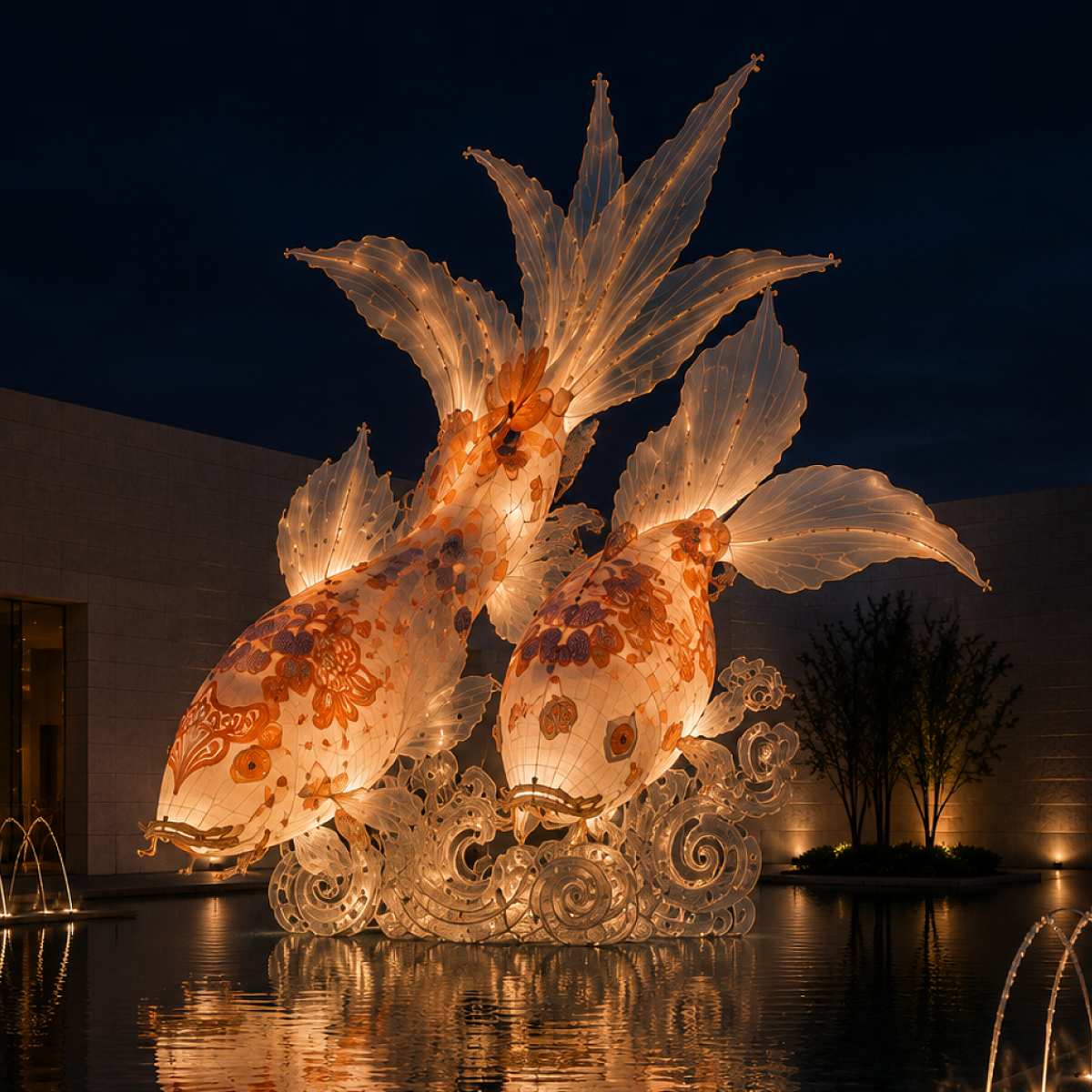
Interactive Light Installation: Before Fish Become Birds Creates a ...
SEPTEMBER 22, 2026
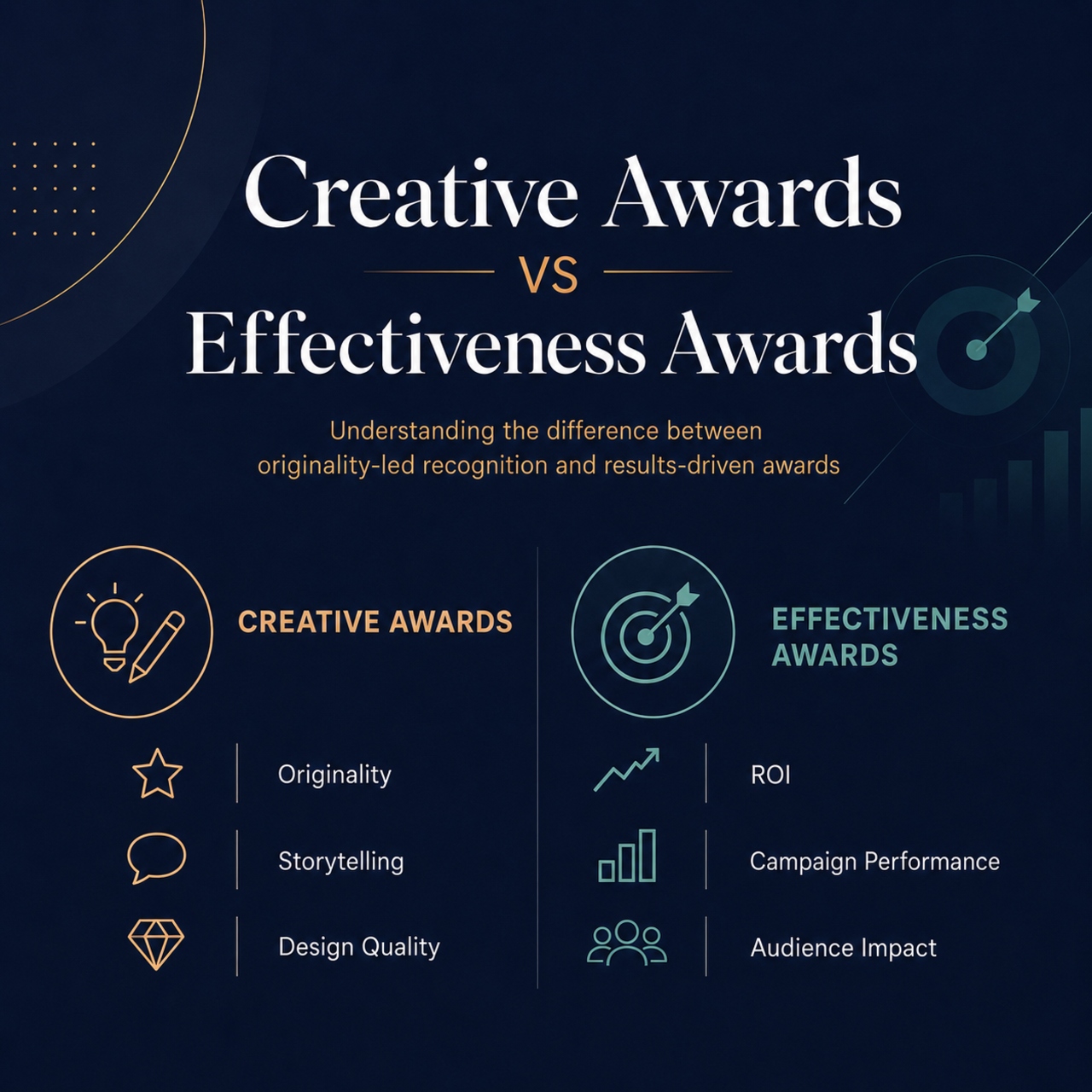
Creative vs Effectiveness Awards | Key Differences Explained
SEPTEMBER 21, 2026

Tonic DNA Brings Highmark’s (un)Hungry Community Story to Life Thro...
SEPTEMBER 17, 2026
Marketing Awards for Startups | Small Business Awards Guide
SEPTEMBER 16, 2026
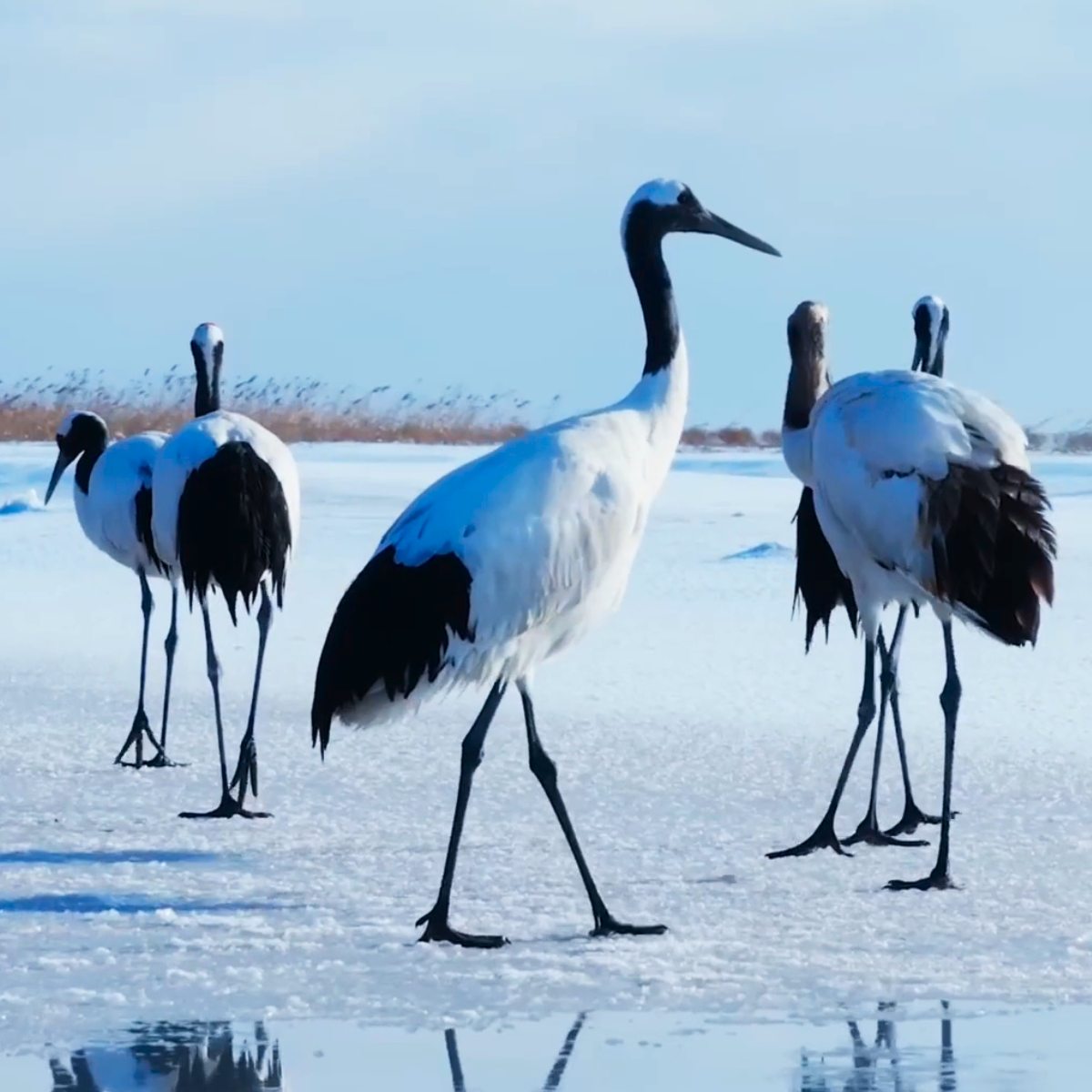
National Geographic, SDRATS & CICC Capture Life at the Yellow River...
SEPTEMBER 16, 2026

2027 French Design Awards Opens Global Entries for Design Excellence
SEPTEMBER 15, 2026



IAA GLOBAL AWARDS
MUSE Awards
Vega Awards
NYX Awards
TITAN Awards
- TITAN Business Awards
- TITAN American Business Awards
- TITAN Property Awards
- TITAN Women in Business and Leadership Awards
- TITAN Health Awards
- TITAN Innovation Awards
- TITAN Brand Awards