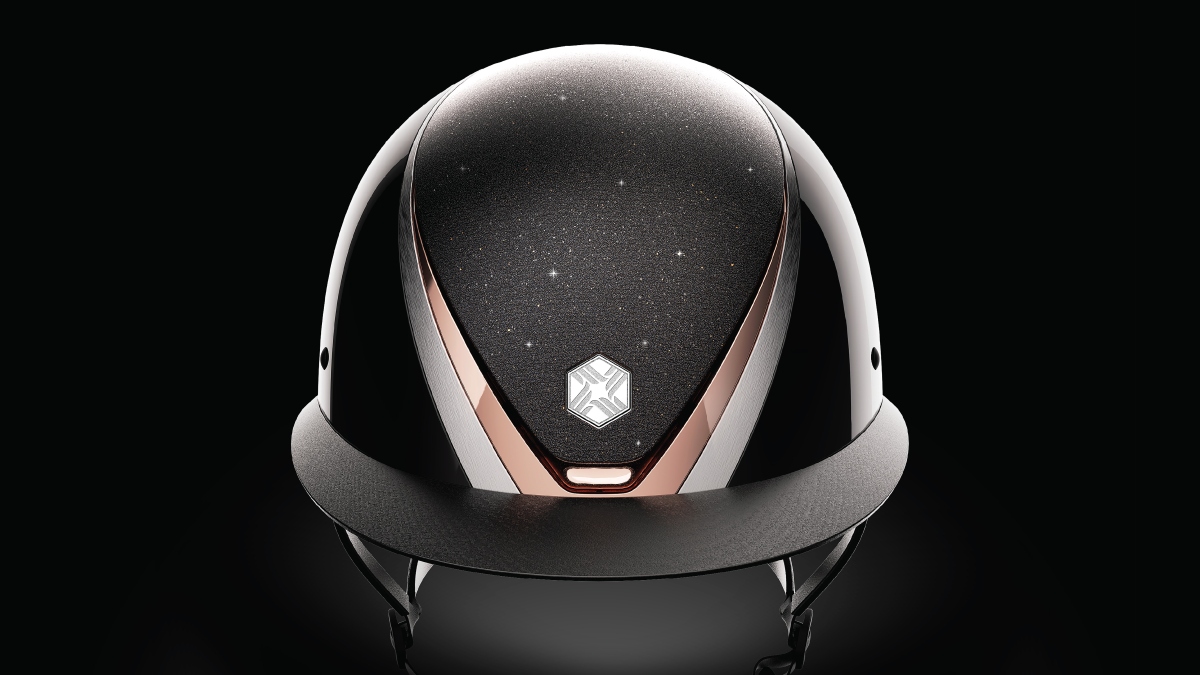
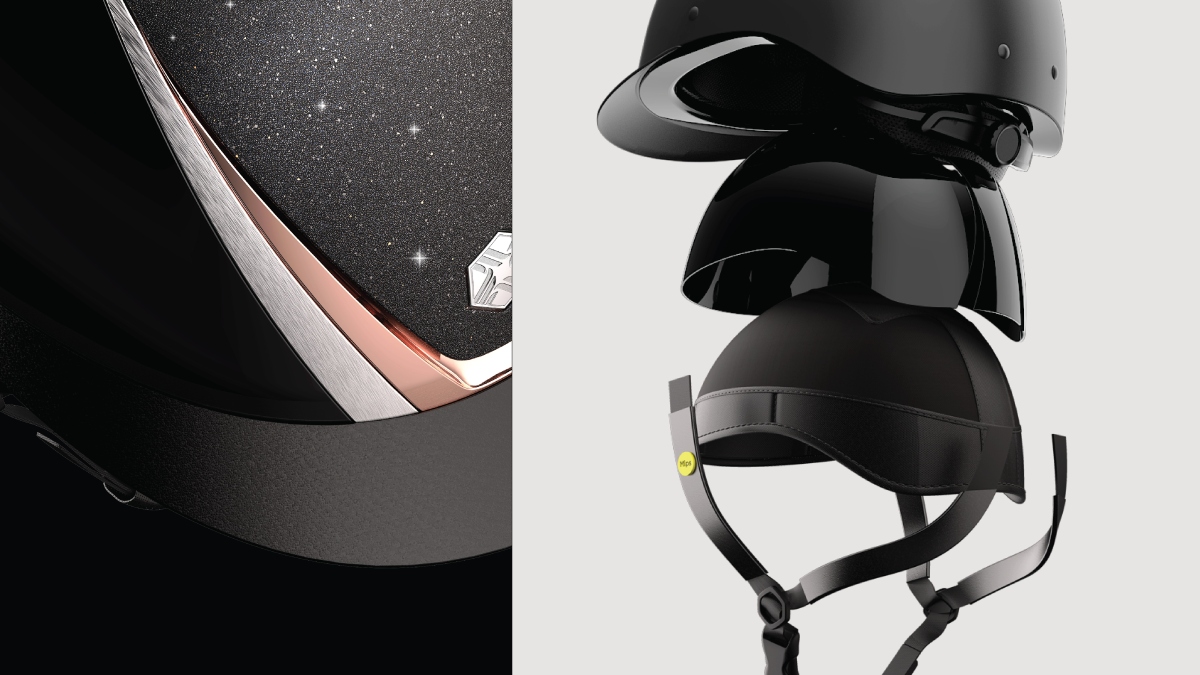
HYDA
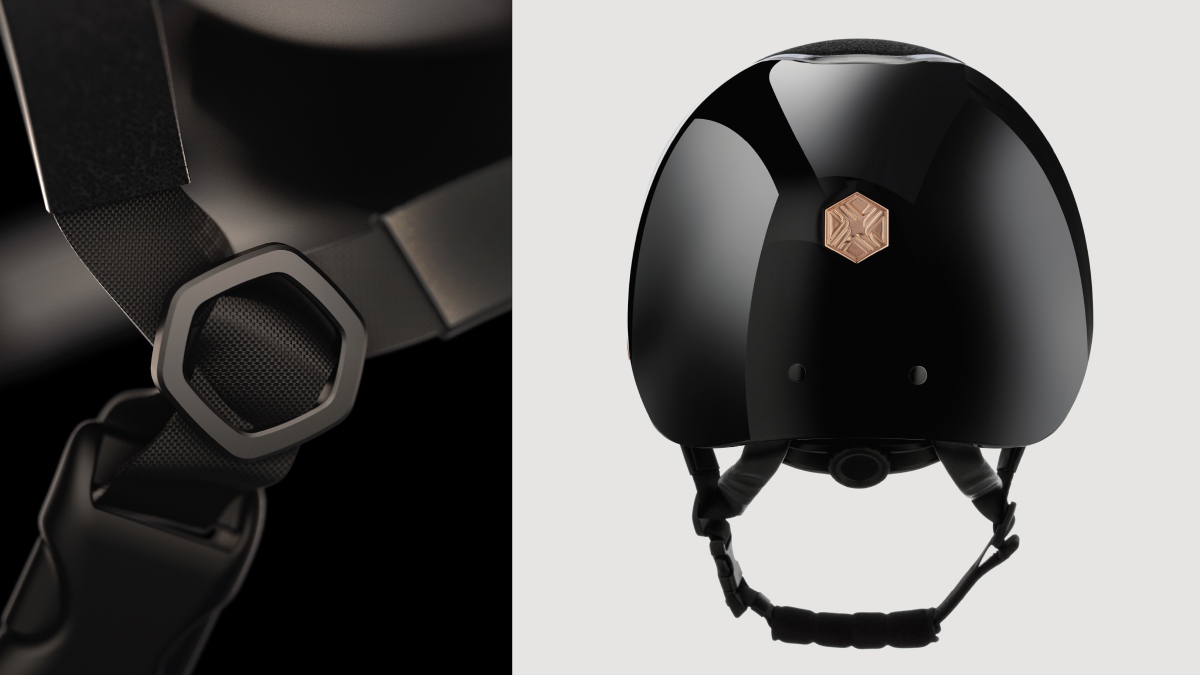
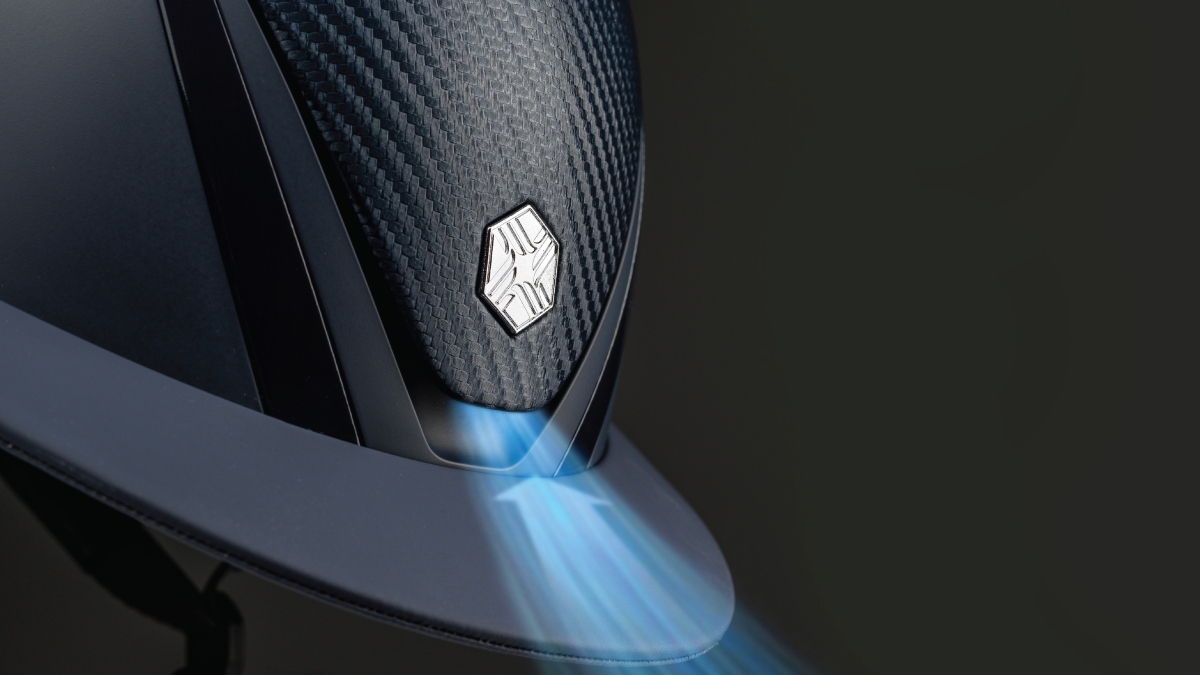
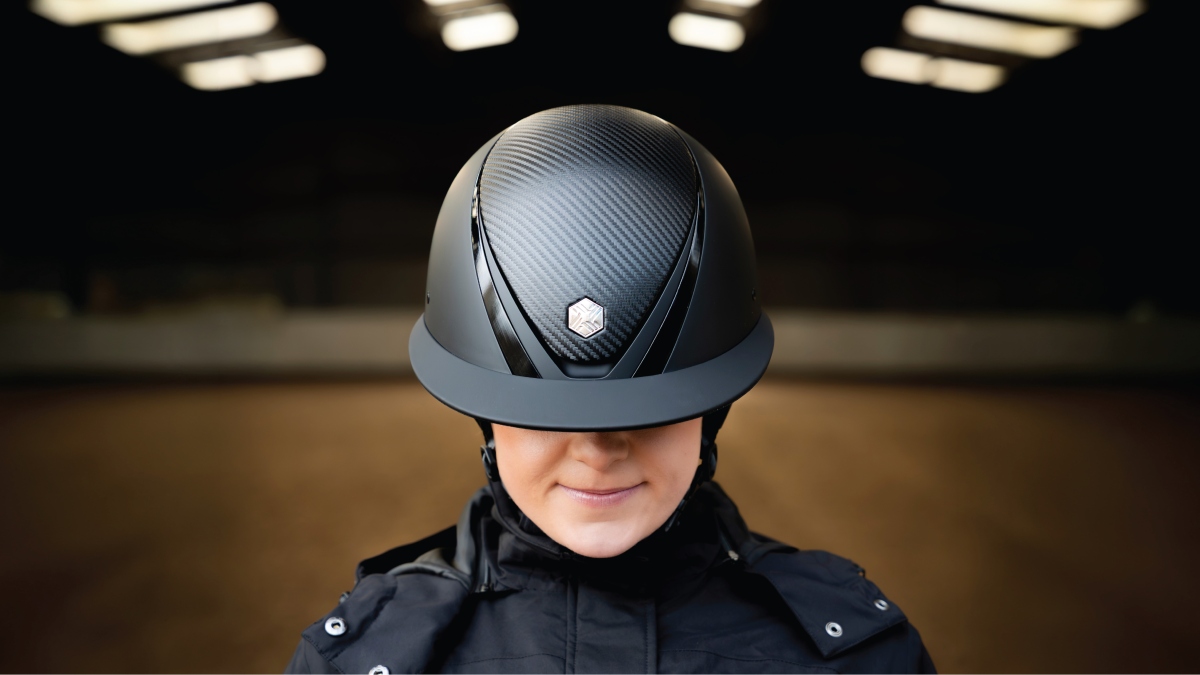
The HYDA redefines the equestrian helmet through a seamless fusion of safety innovation and contemporary...
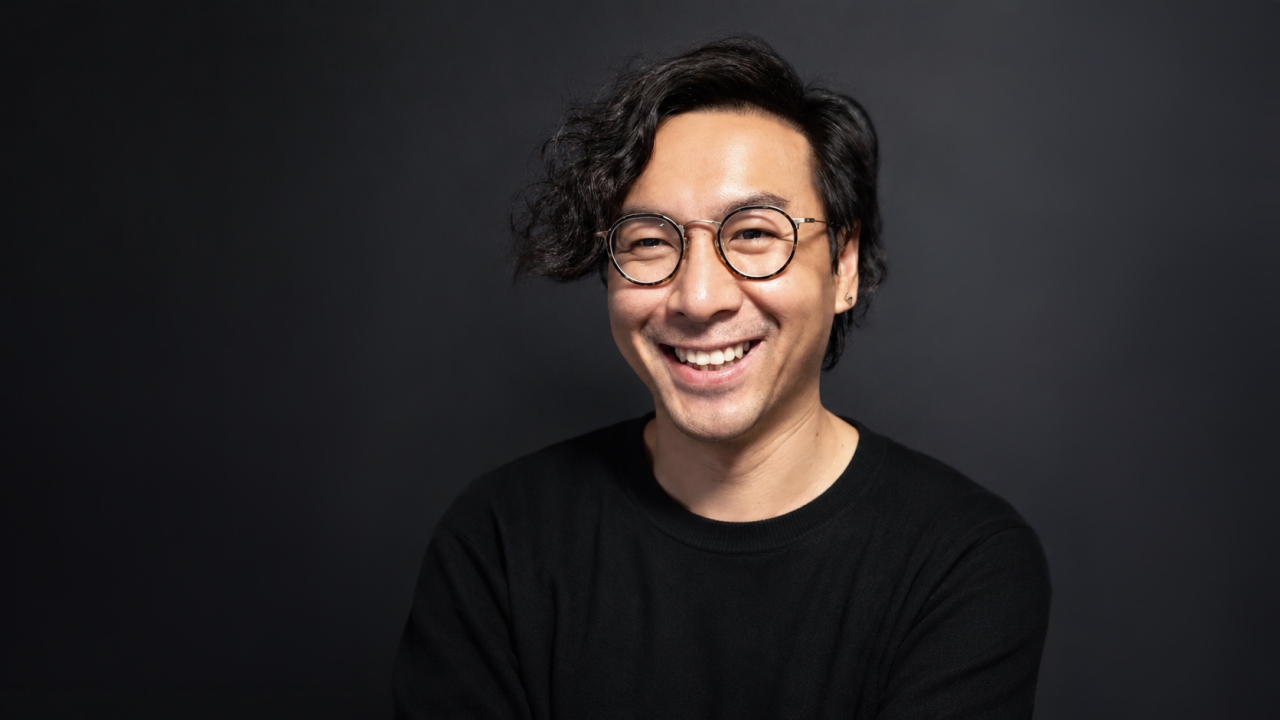
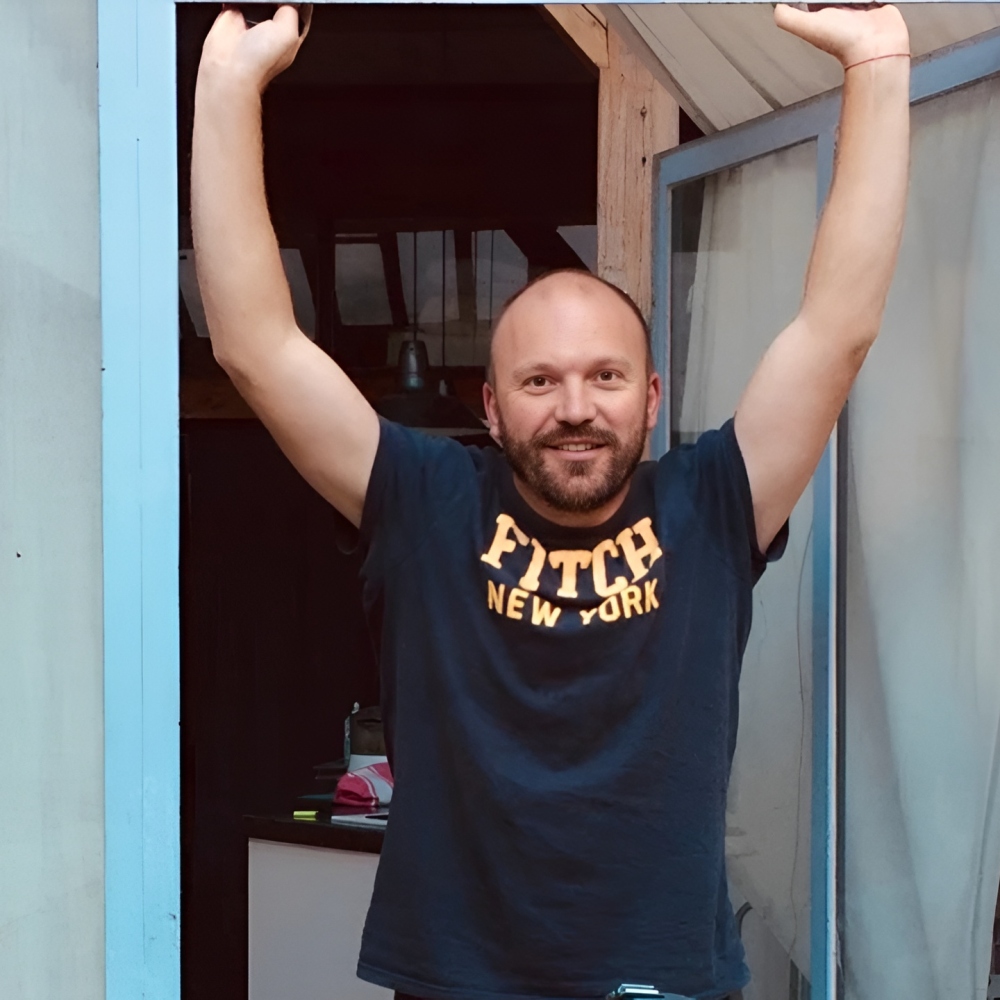
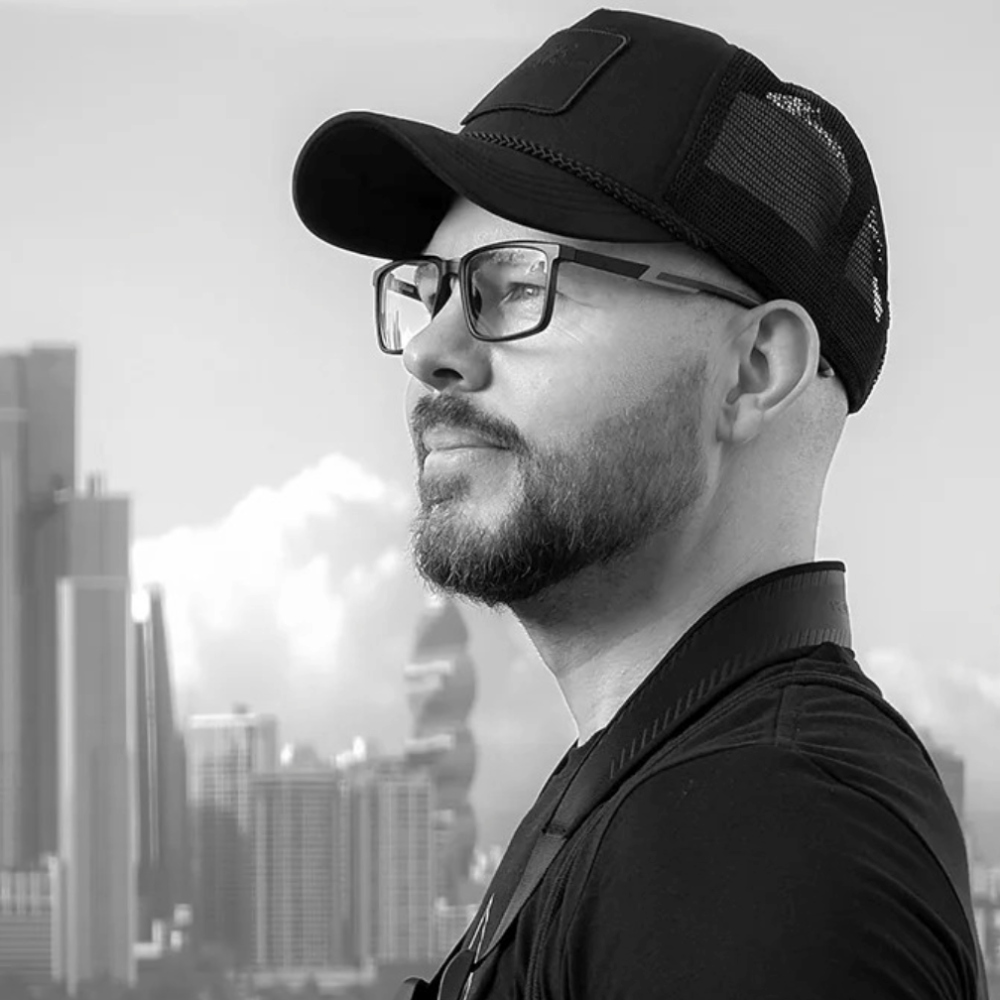
With more than 15 years of experience in industrial design, Shilton Chong creates products that balance functionality, craftsmanship, and emotional resonance. He believes great design builds meaningful relationships between people and the objects they interact with every day.
Hello, I am an industrial designer with more than 15 years of experience shaping ideas into meaningful experiences. For me, design has always been more than a profession—it is a way of seeing, understanding, and interpreting the world. I have long been inspired by the relationship between people, objects, and the emotions that thoughtful design can do.
What drew me to pursue design as a career was the belief that every object carries a story and every detail has the power to influence how we live, feel, and connect. I was fascinated by the ability of design to transform simple concepts into forms that are both functional and emotionally resonant. Industrial design became the ideal discipline where creativity meets purpose, craftsmanship meets innovation, and aesthetics exist in harmony with human needs.
My passion for design has remained constant, continually evolving through curiosity, observation, and making. I see each project as an opportunity to create something timeless—where form, material, and experience come together with intention. Design, to me, is not only about solving problems; it is about creating meaningful relationships between people and the objects that become part of their everyday lives.
Being recognised in the London Design Awards is both an honour and a meaningful milestone in my design journey. To me, it represents more than recognition for a project—it reflects years of dedication, creativity, and passion for thoughtful industrial design. It is rewarding to see my work acknowledged on an international platform, and it motivates me to continue creating designs that balance purpose, innovation, and emotional connection.
Winning the London Design Awards has been both a meaningful recognition and an important milestone in my design journey. From a designer’s perspective, this achievement represents more than an award—it reflects years of dedication to thoughtful design, continuous exploration, and a commitment to creating work that balances innovation, function, and emotional connection.
For the team, this recognition has been equally inspiring. Awards like this elevate collective confidence and validate the effort behind every stage of the creative process—from research and concept development to refinement and execution. It encourages a culture of pushing boundaries, exploring new perspectives, and maintaining a high standard of design.
Most importantly, this achievement has brought greater visibility and the opportunity to contribute to a broader design dialogue. It has created new connections, collaborations, and opportunities to share ideas internationally, while motivating me to continue designing with intention—creating solutions that are not only visually compelling, but meaningful and enduring.
Experimentation plays an important role in my creative process, especially in industrial design, where performance, safety, and emotion must coexist. I see experimentation as a way to challenge conventional solutions—exploring form, material, ergonomics, and user experience to create products that feel both purposeful and refined.
For example, while designing an equestrian helmet, experimentation became essential in balancing safety requirements with aesthetics and rider comfort. Beyond meeting technical standards, I explored different surface forms, ventilation structures, and material finishes to create a helmet that felt lightweight, elegant, and aligned with the emotional identity of equestrian culture. Through continuous prototyping and refinement, the design evolved into a product that not only performs functionally but also creates confidence and connection for the rider.
One of the most unusual sources of inspiration I’ve drawn from was observing the quiet relationship between movement and balance in nature—particularly the fluid posture and muscle rhythm of horses while designing an equestrian helmet. Rather than approaching the project only from a technical perspective, I studied the elegance of motion, airflow, and the harmony between rider and horse.
This inspired me to explore more dynamic forms and subtle surface transitions, creating a helmet that felt aerodynamic, protective, and visually connected to the spirit of equestrian culture. I believe inspiration often comes from unexpected places, and sometimes the most meaningful ideas emerge from simply observing how people, movement, and nature interact.
I wish more people understood that the design process is that great design is rarely a moment of inspiration—it is a journey of exploration, refinement, and patience. Behind every final product are countless sketches, prototypes, iterations, and thoughtful decisions that often go unseen.
In industrial design, especially for products like equestrian helmets, the process is about balancing many layers at once—function, safety, ergonomics, aesthetics, and emotional connection. Design is not only about how something looks, but how it performs, feels, and becomes part of a person’s experience. The most meaningful outcomes often come from continuously questioning, testing, and refining until every detail feels intentional.
As an in-house designer, I see design as a balance between creative vision and shared objectives. Rather than viewing it as choosing between expectations and personal ideas, I approach it as a dialogue—understanding the brand direction, user needs, technical requirements, and business goals, while also bringing a thoughtful design perspective to the table.
I believe staying true to my ideas does not mean holding onto them rigidly; it means protecting the core intention behind the design. Through research, experimentation, and open collaboration, I refine ideas so they align with the broader vision while still maintaining originality and meaning. The goal is always to create a product that feels authentic, functional, and emotionally connected to the people who use it.
One of the biggest challenges was balancing safety, functionality, and aesthetics in the equestrian helmet design. Protection is essential, but it was equally important to create a helmet that felt comfortable, elegant, and connected to the rider’s identity.
I overcame this through continuous prototyping, material exploration, and refining the design to improve ergonomics, ventilation, and overall user experience. The process helped shape a product that balances performance with a refined and meaningful design.
I step away from the project and return to observation. I often find inspiration in unexpected places—nature, movement, architecture, materials, or even quiet moments of everyday life. For me, creativity often returns through curiosity rather than pressure.
As an industrial designer, I also recharge by sketching freely, exploring references beyond my industry, or revisiting physical prototypes with a fresh perspective. Sometimes, creating distance helps reveal new ideas and brings clarity back to the design process.
At the core of my design approach is a strong commitment to quality, craftsmanship, and a genuine understanding of people. I believe design should do more than solve problems—it should enrich experiences, inspire confidence, and create a meaningful connection between people and the objects they use every day.
I bring into my work a deep appreciation for thoughtful details and purposeful creation. To me, designing beautiful, functional, and meaningful products is a way of contributing positively to people’s lives—creating objects with care, intention, and lasting value.
My advice to aspiring designers is to stay curious and be patient with the process. Design is not only about talent or creating something visually appealing—it is about observation, problem-solving, and continuous learning. Take time to understand people, materials, and how objects truly interact with everyday life.
Develop your own perspective, embrace experimentation, and do not be afraid of failure—some of the strongest ideas come through refinement and persistence. Success in design comes from consistency, passion, and a genuine desire to create something meaningful.
I would value a collaboration with someone who challenges conventional thinking while remaining thoughtful about how design shapes everyday experiences. For me, the most meaningful collaborations are those built on shared curiosity, mutual respect, and the desire to create products that are both purposeful and emotionally resonant.
One question I wish people would ask more often is: ‘How do you want people to feel when they use your design?’ Because beyond function and aesthetics, I believe design is ultimately about human experience.
My answer would be: I want people to feel confidence, comfort, and connection. Whether it is an equestrian helmet or any other product, I hope the design feels intuitive, purposeful, and thoughtfully made—something that quietly enhances their experience and becomes a meaningful part of their everyday life.
Read the Interview with Danting Li - Building Brands Through Research & Innovation, a winner of the 2026 London Design Awards by clicking this link here.