Trunk Cabin
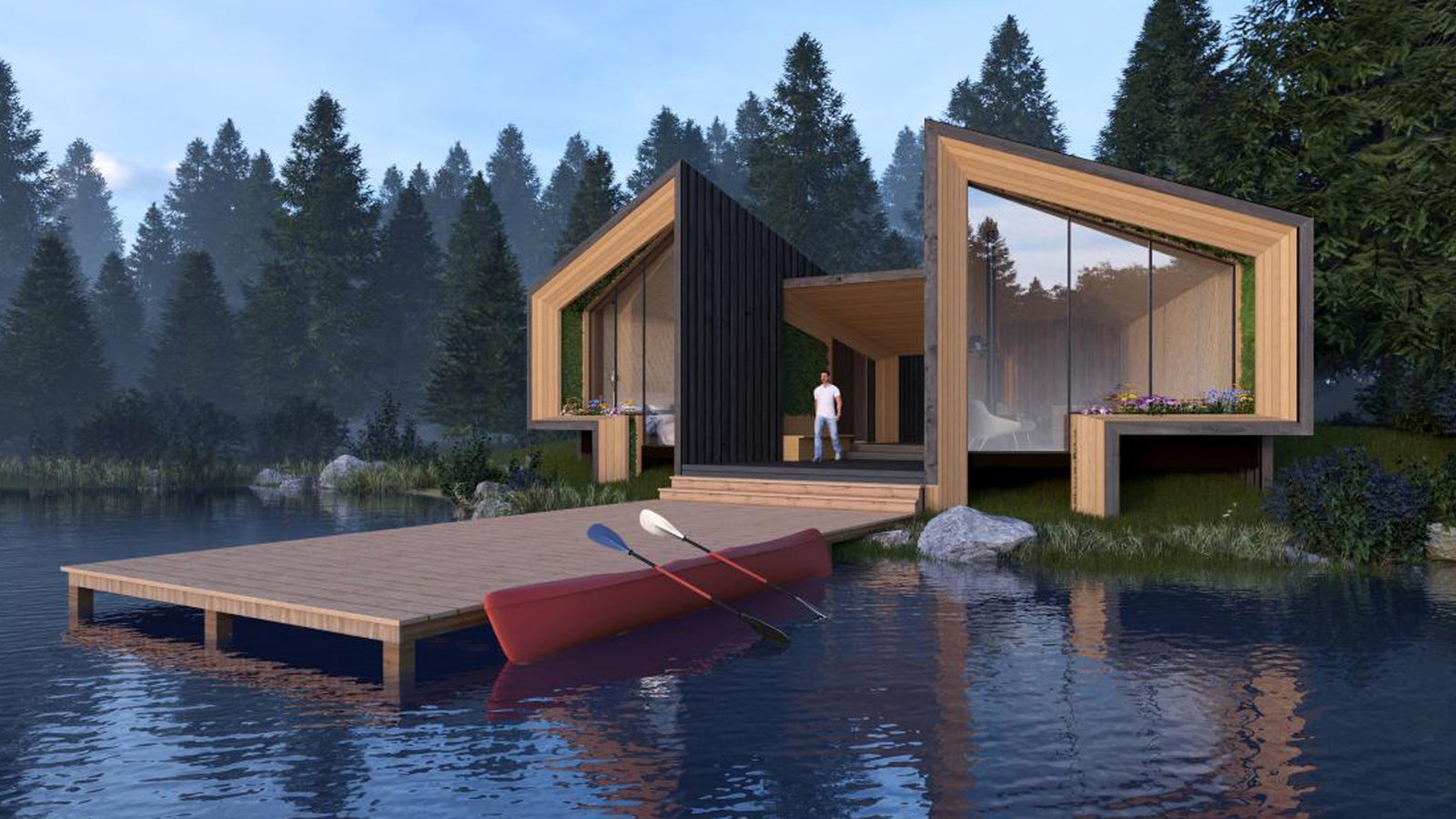
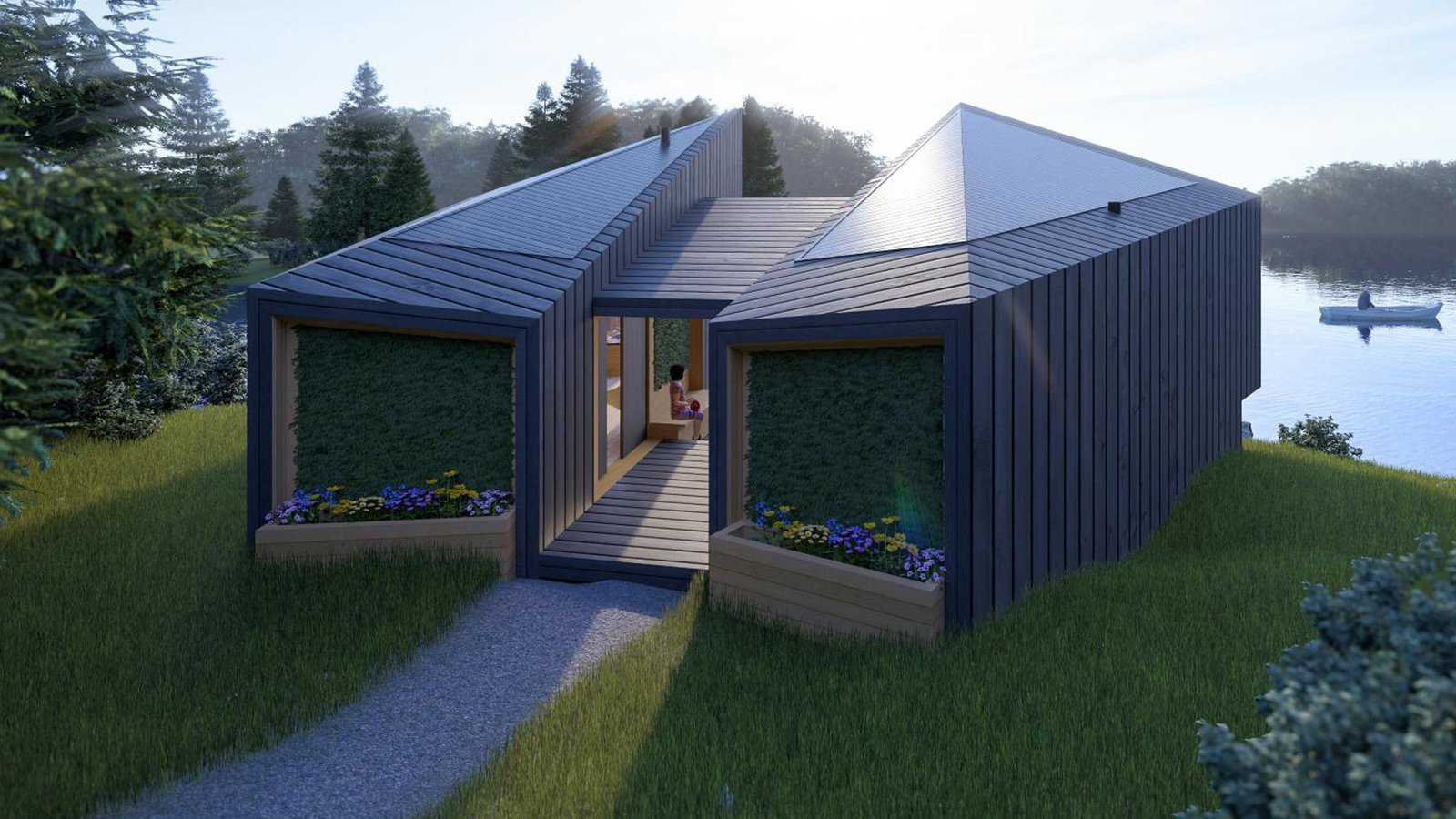
This compact wood cabin is designed as a sustainable living space nestled in a forest...
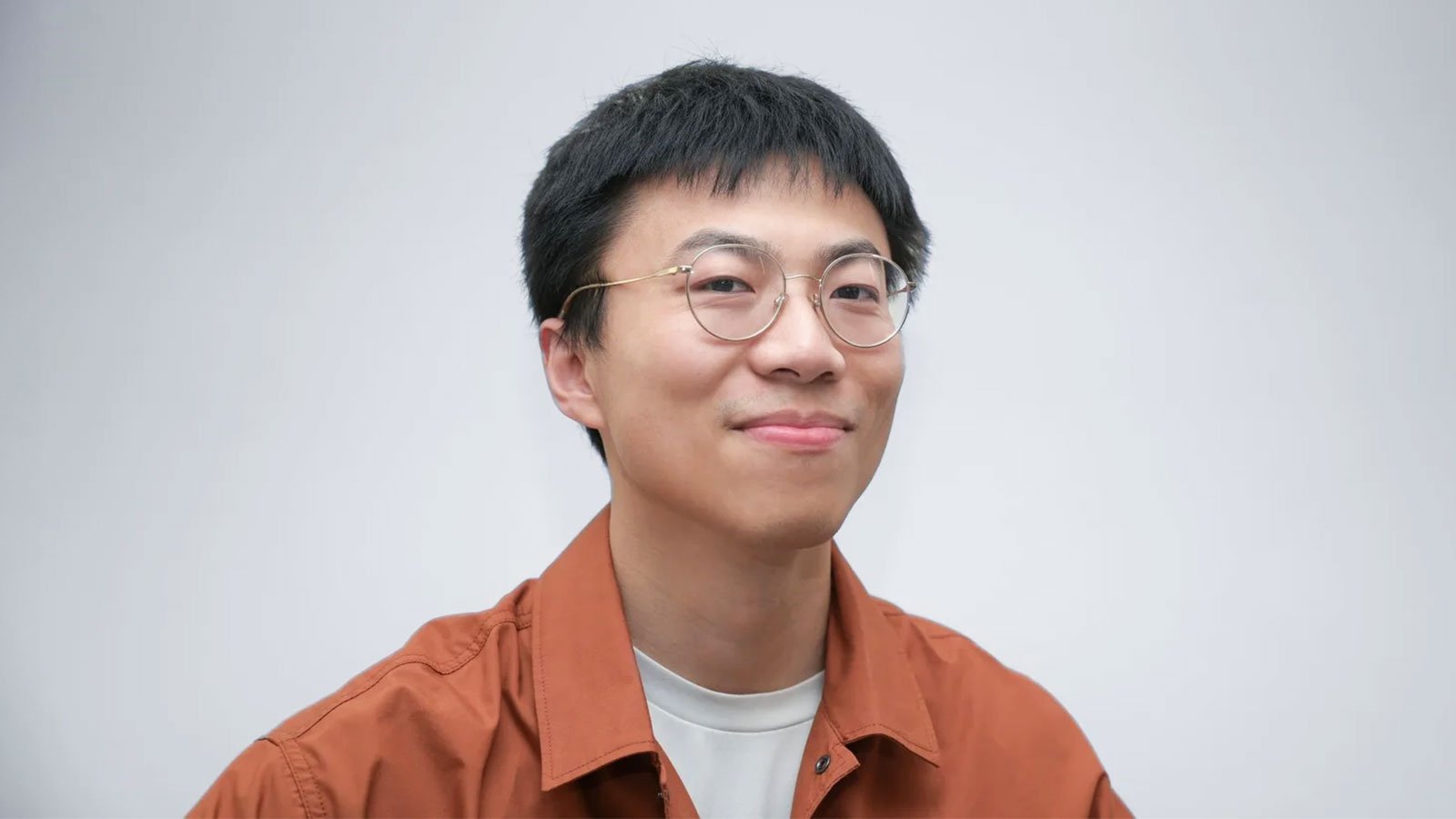
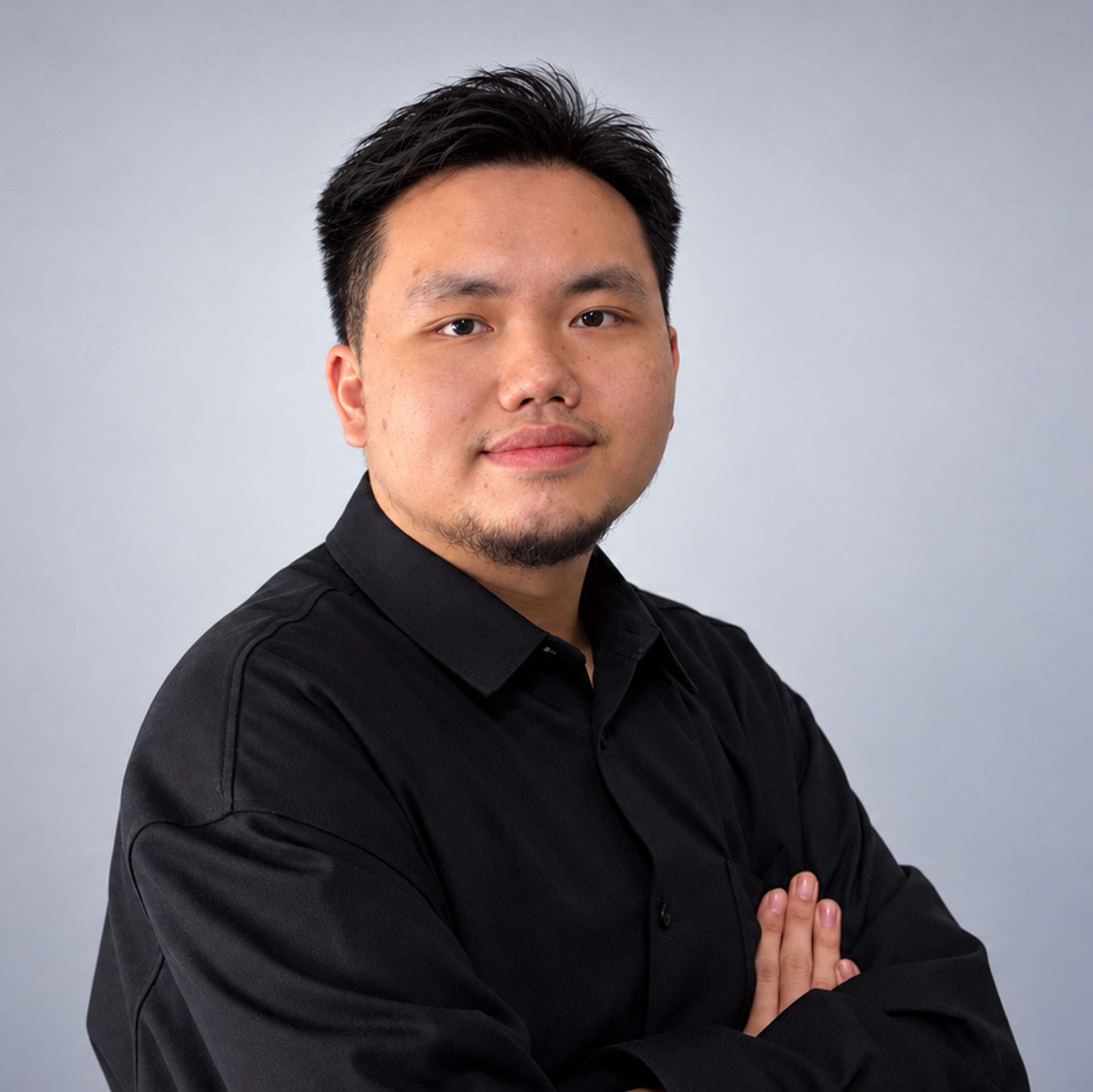
Shuoqi Xiong is an architectural designer with 7+ years of experience in sustainable design, from green buildings to adaptive reuse. He sees architecture not as static structures, but as living ecosystems in dialogue with nature and people.
My name is Shuoqi Xiong, and I’m an architectural designer with over seven years of professional experience focused on sustainable design, including green building, adaptive reuse, and historic preservation projects.
What inspired me to pursue architecture was the realization that buildings are not just objects—they’re ecosystems. Architecture is a medium for dialogue—with the earth, water, wind, and people.
For me, sustainable practice isn’t an add-on; it’s embedded in how we think about materials, energy, culture, and our relationship with nature. That’s what keeps me engaged and inspired every day.
Being recognized by the MUSE Design Awards is a tremendous honor. MUSE is known globally for celebrating creativity, innovation, and excellence across design disciplines, so being acknowledged by such a respected platform is deeply meaningful to me. It affirms the value of sustainable, community-driven design and reinforces the belief that architecture can be both visionary and responsible.
It has been a milestone that brought renewed energy and validation to my practice. Since the recognition, I’ve connected with other like-minded designers and gained greater exposure to international platforms. This recognition not only validates the direction of my work but also inspires me to keep pushing for ideas that connect people, place, and purpose in thoughtful ways.
Experimentation is at the core of my creative process — it’s how ideas evolve from abstract concepts into thoughtful designs. In my winning project, Trunk Cabin, for example, I explored dozens of form variations and material strategies to balance conceptual expression, constructability, and sustainability.
Shark skin was one of my starting points for designing a building facade that emphasizes fluidity and elegance.
Design iterations are key to a project’s success — they help ideas evolve, reveal hidden potential, and respond smartly to constraints and opportunities.
I see it as a collaborative process—understanding the client’s vision while guiding them toward design solutions. The key is building trust through clear communication and demonstrating how design integrity elevates their goals.
One major challenge was balancing the design’s conceptual ambition with practical concerns like material limits and constructibility. I overcame this through continuous prototyping and testing, refining the form while staying grounded in real-world feasibility.
Looking to artwork and nature for inspiration is my main approach.
The best design, to me, is the optimal solution that provides a great user experience and remains eco-friendly. Therefore, I infuse deep respect for nature, community, and sustainability into my designs.
Stay active and be brave in exploring ideas.
Zaha Hadid has always been a source of inspiration for me. I wish I’d had the chance to work with her and learn from her design approach.
Explore the journey of Jung Min Chun, the Gold Winner of the 2025 MUSE Design Awards. She is a designer of color, material, and texture who began with hand-crafted knitwear and now brings emotional depth to the mobility industry through tactile design.