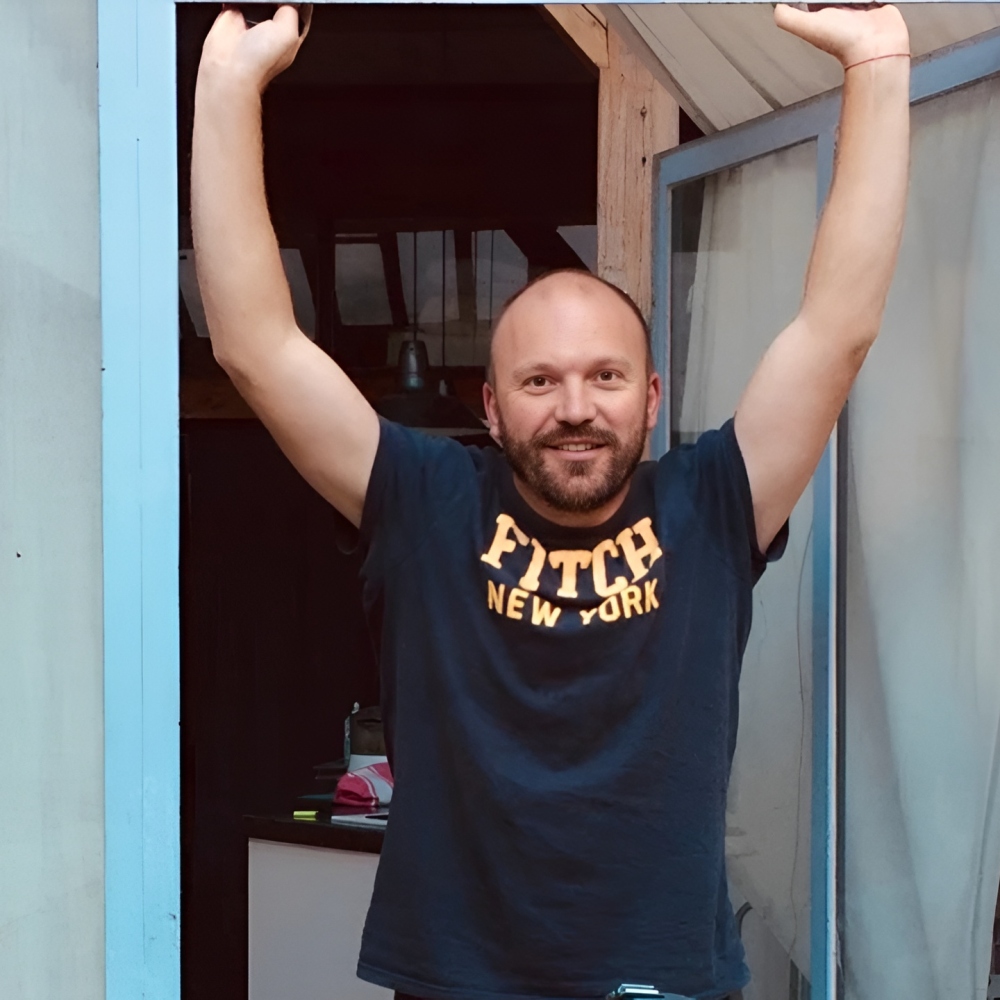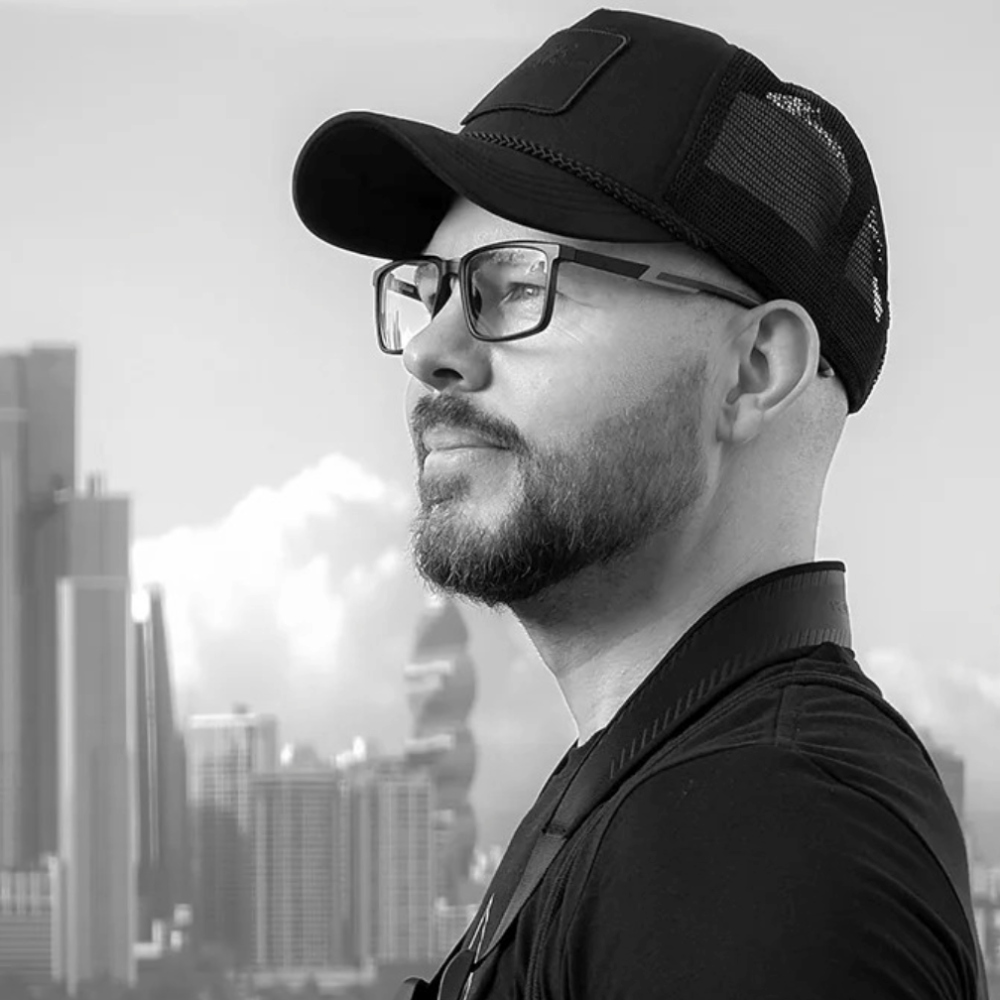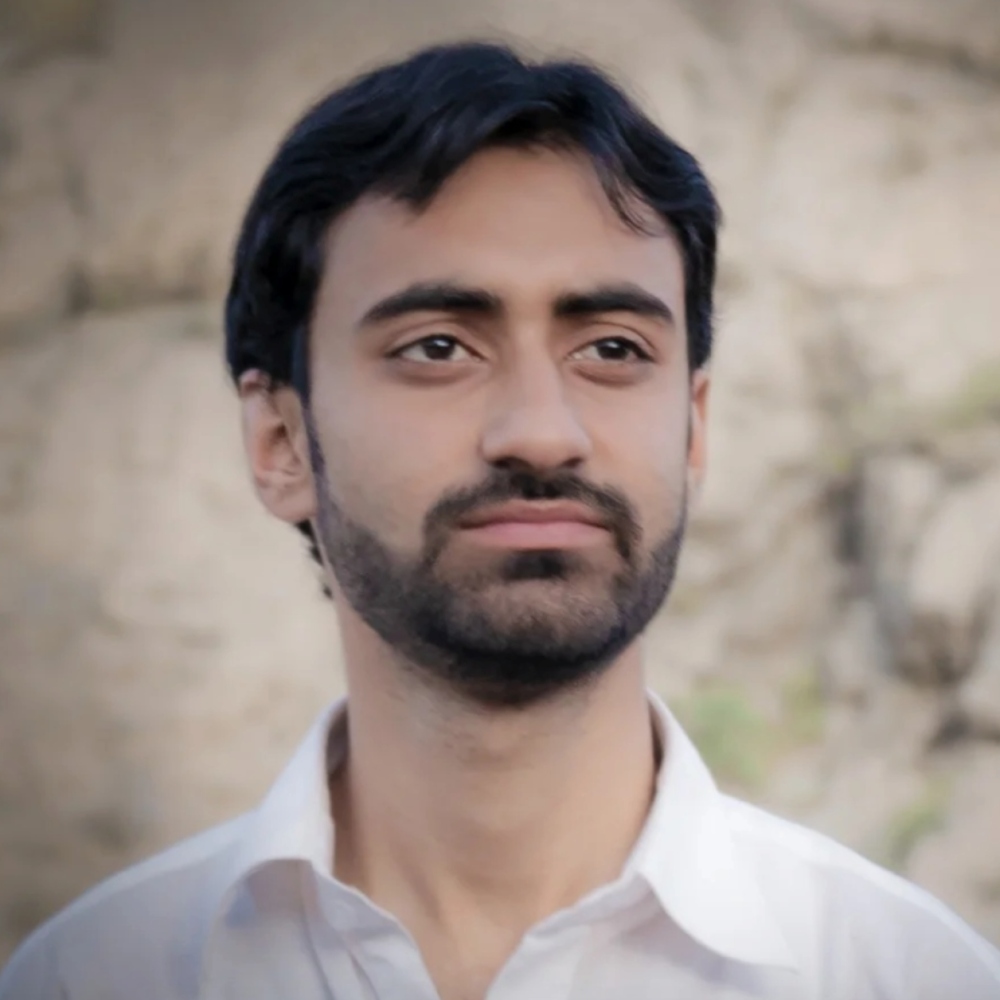
Daniel Gilpin | Winner Profile
Visit his winner profile to view his collection of award-winning photographs.

For Daniel Gilpin, photography became a natural extension of his early creative foundations, offering a language that felt steady and intuitive. With multiple award-winning photographs, his pieces focus on quiet, honest moments, highlighting the natural presence of the human body with sensitivity and intent.
Firstly, thank you to the judges, organizers, and the entire team at the Global Photography Awards for creating such a meaningful competition and for the honors you have bestowed upon my work. Results day is always unnerving — that strange mix of butterflies and nausea while wondering whether new pieces will resonate, particularly when the standard of work submitted is so consistently high.
To have my images recognized is humbling and deeply affirming. It reinforces my belief that the contemporary, revisited nude — approached with dignity, restraint, and artistic purpose — still holds an important place in today’s visual culture. A special mention must also go to the muse; without her trust, none of these works would exist.
As a dyslexic person, I grew up navigating an academic world that didn’t quite fit the way my mind works. Written language often felt unstable, but images felt clear, structured, and reliable. That led me into drawing, figure studies, and color theory — slow, grounding disciplines that taught me to see rather than simply observe. Photography arrived later as a natural extension of those foundations, offering me a freedom I had never experienced before.
It became a way to express thought without the limitations of written language, and to explore the human form not as spectacle but as a quiet reflection of who we are beneath all the roles we perform.
Over time, my work has evolved from documenting bodies to revealing the emotional space they inhabit — the truth that lives in gesture, color, and presence. I hope that this path becomes not just a personal journey, but a legacy that encourages others to embrace their own way of seeing.
The images grew out of calm, unforced moments — not performances, but points in time where light, movement, and mood aligned. Although I never ask anyone to perform or create ornamental, trophy-like poses, some images do involve gentle direction. But that direction is purely compositional: it’s about form, color, and flow, not theatrics or boudoir aesthetics.
I guide in the way a painter would guide a hand or a line. The aim is to let the body command the frame without exaggeration — to reveal its natural radiance, not stylize it into something it is not. The true power comes from authenticity: a person inhabiting the moment rather than performing it.
Winning 3 gold awards and a beautiful silver feels like recognition that the modern nude, approached with dignity, restraint, and artistic purpose, still has the ability to move people — and to empower both the muse and the viewer.
I submit the images that feel inevitable — the ones that continue to breathe long after I’ve made them. Even when there is subtle direction, the moment must feel lived-in, honest, and emotionally anchored. If the image still surprises me with its simplicity or sincerity months later, then I trust it has something to offer a wider audience.
I needed a tool quicker than a pencil. There were fragile transitions of light and gesture that I couldn’t capture fast enough in drawing. The camera became a way to hold those fleeting truths still so I could understand and work with them. It has been a natural extension of my eye ever since.
The contemporary nude — approached with intention.
I’m not interested in traditional nude posing or boudoir aesthetics. What draws me in is the human form as a landscape of line, color, and quiet emotion. When clothing is removed, so is performance. We return to something essential.
The modern nude becomes meaningful when it is treated as art, not decoration — when the body is allowed to be expressive without being exaggerated.
I work very simply: a full-frame mirrorless body and a prime lens, usually a 50mm or 85mm. Natural light does most of the work. I prefer equipment that disappears, allowing the moment to take over.
My favorite “feature” is silence — technical quietness that lets the person forget about the camera and return to themselves.
Recognition — not of the subject, but of themselves.
If the viewer forgets they are looking at a naked body and instead feels presence, calm, or connection, then the image has succeeded. I want the nude to be seen not as spectacle, but as a mirror of our shared humanity.
Balancing honesty with composition. I direct only when it helps the frame speak more clearly — never to turn the body into a performance or an ornament. The real challenge is creating a space where a person stops posing inwardly and allows their true self to appear.
Natural light and human presence. It doesn’t matter where I am — Denmark, the UK, or elsewhere — if someone is willing to enter a moment without armor, inspiration arrives on its own.
Painters, definitely. Manet, Sorolla, Zorn, and Krøyer — artists who understood the emotional weight of skin, light, and color without sensationalism. My whole approach is built on that foundation. Photography is simply the medium through which I now express those lessons.
Enter for reflection, not validation. Awards force you to look at your work honestly and discover what your voice actually is.
My advice: submit the image that carries your truth, not the one you think judges want. Authenticity resonates more deeply than technical perfection.
Learn to see before you learn to shoot. Study light, gesture, and color. Once you understand those fundamentals, everything else — technique, equipment, style — becomes far easier and more meaningful.
A minimal one. I might adjust color and tone to deepen the feeling of the moment, but I don’t reshape bodies or erase their character. Over-manipulation kills the truth I’m trying to protect. The modern nude loses its purpose the moment it becomes unreal.
AI will undoubtedly change the landscape of photography, but it cannot replace presence. My work is rooted in trust, intimacy, and the quiet space between artist and muse — the very qualities that cannot be automated. AI may become a useful tool, but it will never replicate the human experience of being seen.
Looking through a lens is fundamentally different from writing prompts to construct a scene; each is its own craft. Those who master AI-generated imagery are artists in their own right, and I genuinely believe there should be dedicated awards for AI and computer-generated visuals, both static and animated, because some of the work being created is extraordinary — but it is not photography.
Anyone willing to meet the camera without armor. Fame or status doesn’t interest me — authenticity does.
If there is natural light, a quiet space, and a person open enough to explore form and emotion without performance, then that is the ideal subject.
Read about the Stories in the Sand: Arbab Naimat Kasi Views the World from Above as Art, a winner of the Global Photography Awards here.