Solar Ascendant
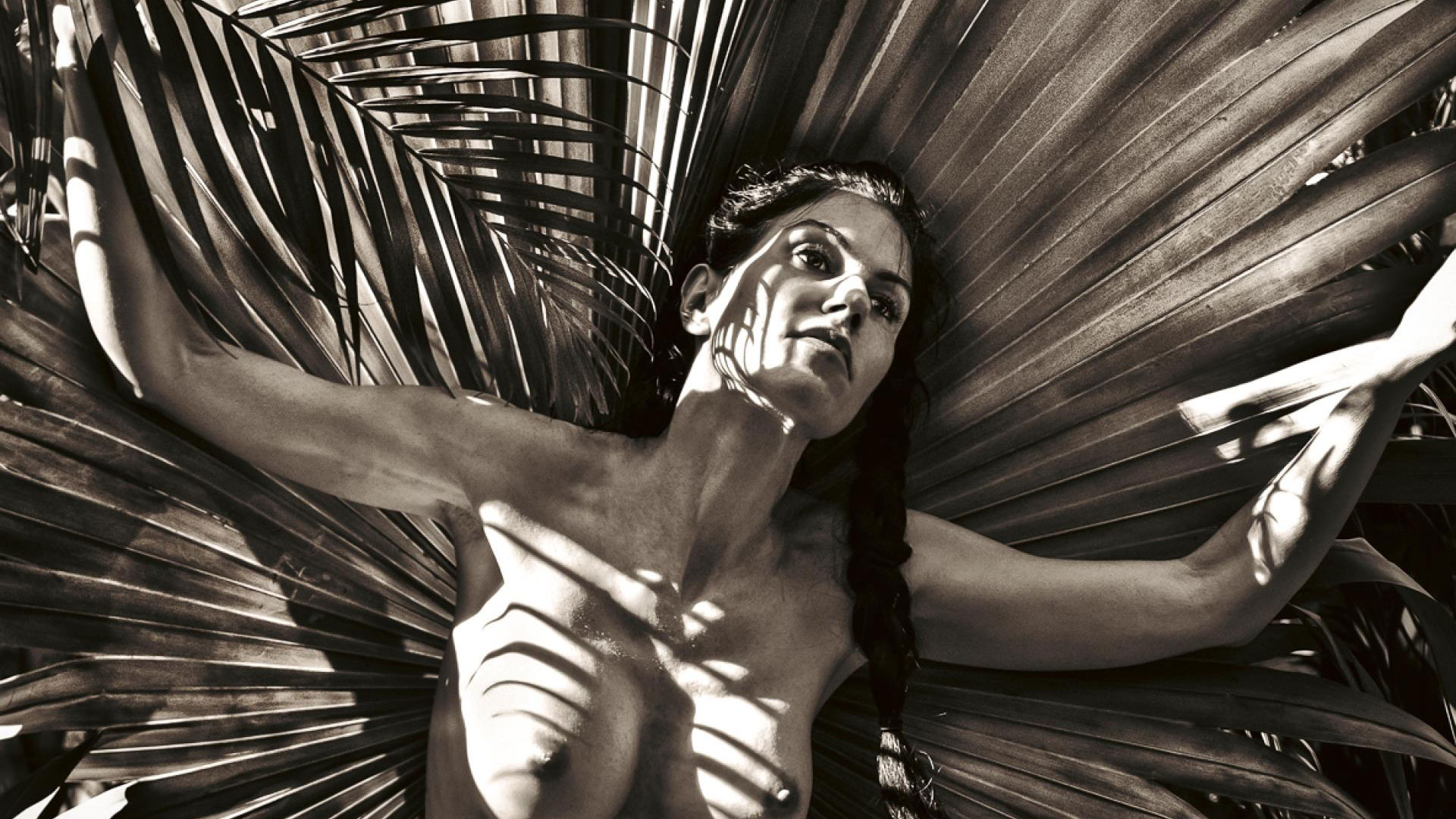
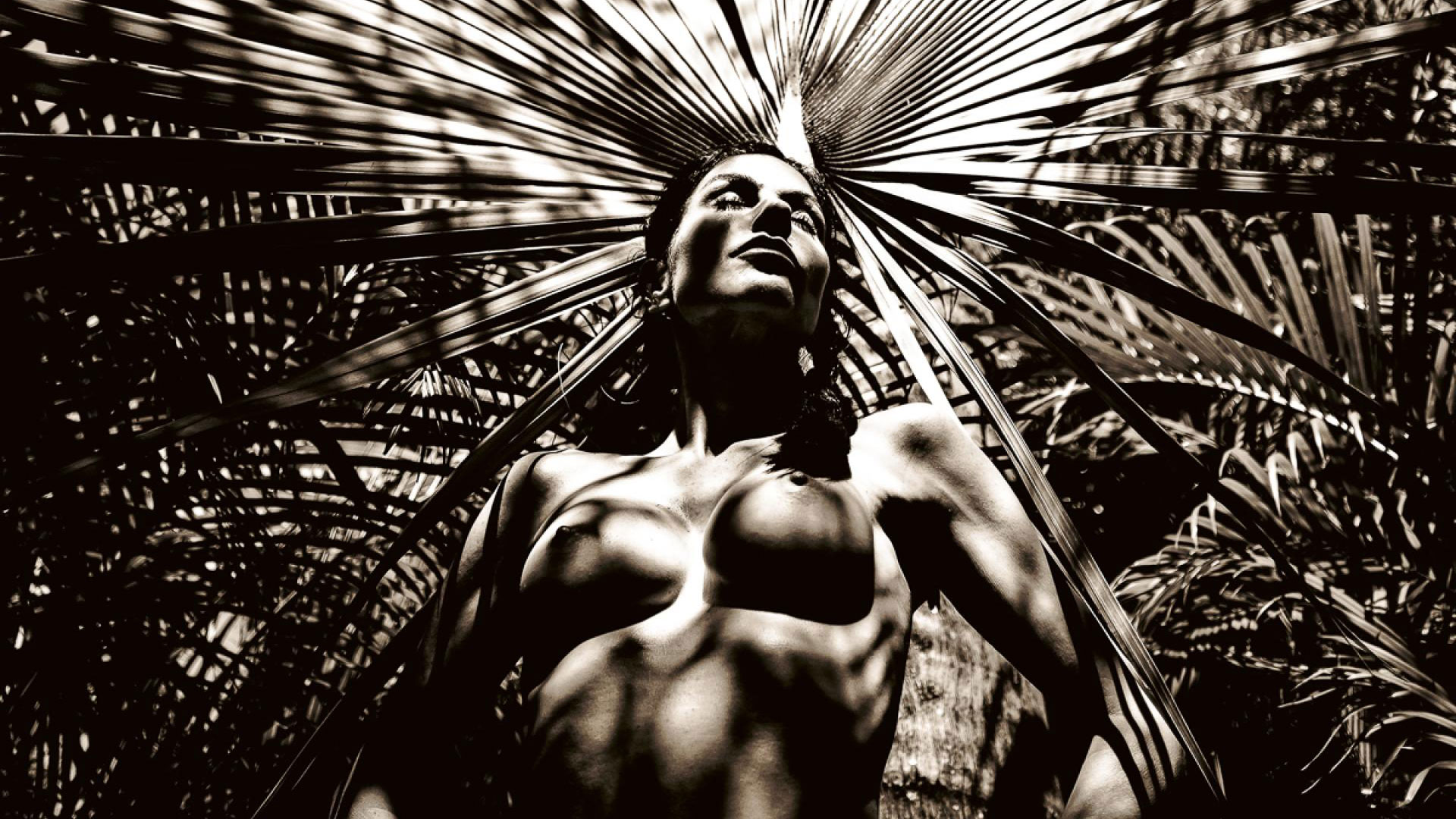
The Solar Ascendant explores the female nude as a figure of transformation within an ...
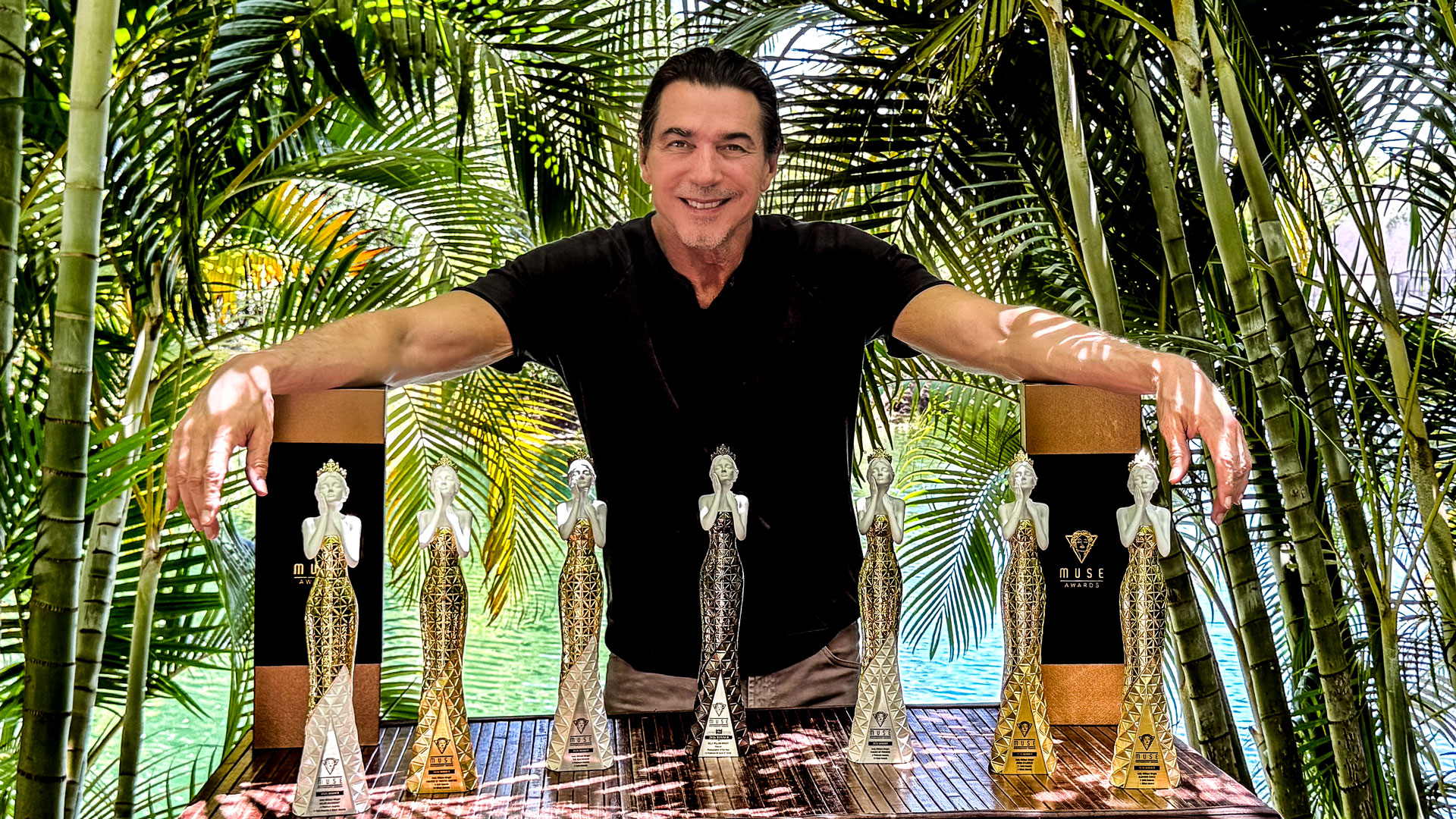
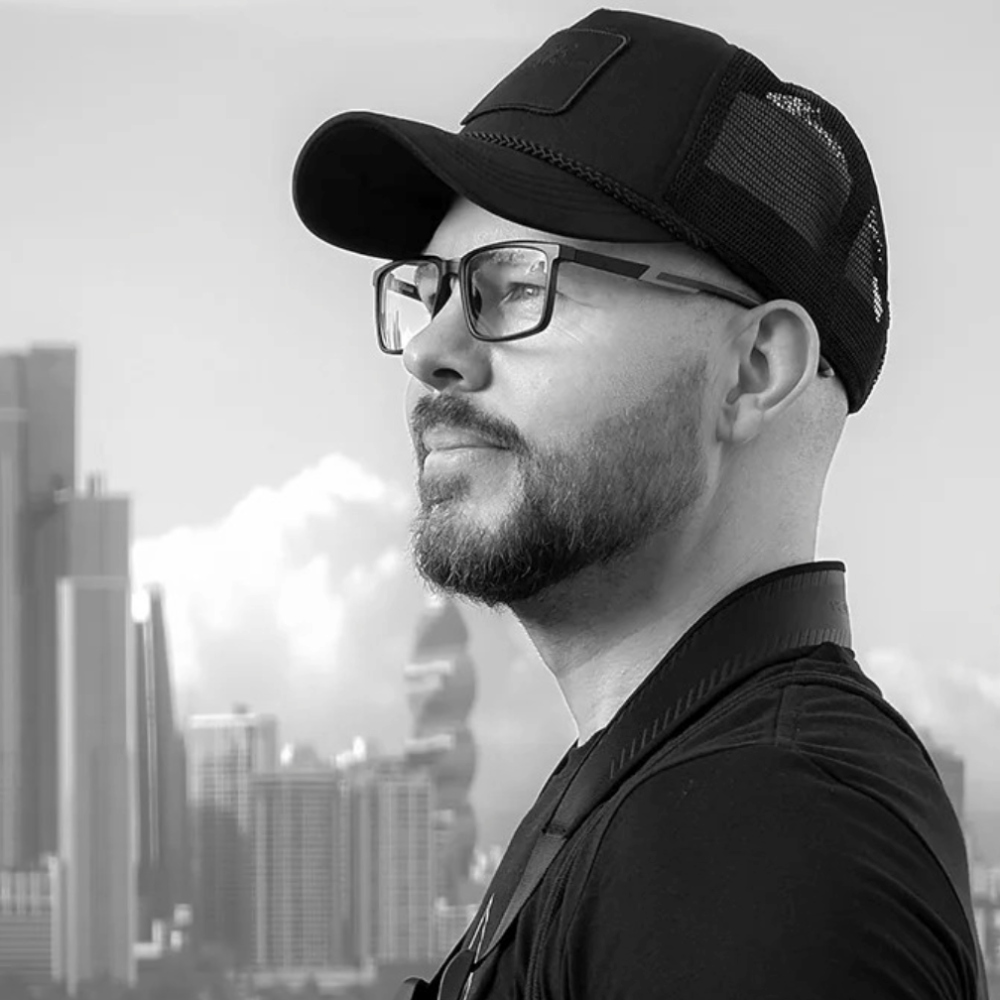
Renowned for imagery that feels both timeless and otherworldly, 2026 MUSE Photography Awards Category Winner of the Year Kelly William Wright creates fine art photography that explores beauty, mystery, and the enduring relationship between humanity and nature.
Thank you. Being named “Category Winner of the Year” is an extraordinary honor—a defining milestone in my career. Receiving 89 awards in the professional division of the 2026 MUSE Photography Awards—12 Platinum, 49 Gold, and 27 Silver—is both humbling and deeply affirming. To have these new bodies of work recognized on an international stage in such a sweeping way is a profoundly moving moment in my life as an artist.
I am a fine art photographer and gallerist who was first published at 16—and never looked back. I began exhibiting in the mid-1990s, signing with Lawrence Charles Galleries in 1996, followed by Nuance Galleries in 1997. My early work moved between the human figure and abstraction, often leaning into the surreal. My last solo exhibition, in 2009, featured large-scale works ranging from figurative studies to urban abstracts.
In 2010, I embarked on a nine-year immersion into the world of investment-grade vintage photography as a commercial gallerist, building a successful retail art business. For nearly a decade, I lived within the history of the medium—handling, studying, and placing works that shaped photographic discourse. That period significantly deepened my understanding of photography's history and broadened my perspective, while my own creative practice underwent a quiet evolution in the background.
A pivotal moment came in 2018 when I was introduced to my muse. That encounter fundamentally changed the trajectory of my work. I stepped back from the gallery business and returned to my creative practice with renewed focus. This ongoing creative relationship sparked a reawakening and gave rise to the body of work now being recognized. Quite simply, much of it would not exist without that source of inspiration.
The MUSE Photography Awards, with its international scope and distinguished panel of jurors, felt like the ideal platform to reintroduce my work to the global stage. It offered an opportunity for meaningful, high-level feedback, and it exceeded every expectation. In the end, this recognition feels less like an arrival and more like a threshold—one that opens onto the next phase of the journey.
Having received recognition across multiple categories, I will speak more generally about the work. The inspiration behind these pieces is rooted in a long-standing, almost biophilic connection to nature, the human form, and the elevated spiritual presence that can emerge through relationship, particularly when the constructs of the modern world fall away. Portfolios such as Anima Sylvarum and Portrait of a Seer, along with the standalone piece She Who Receives, all explore this space.
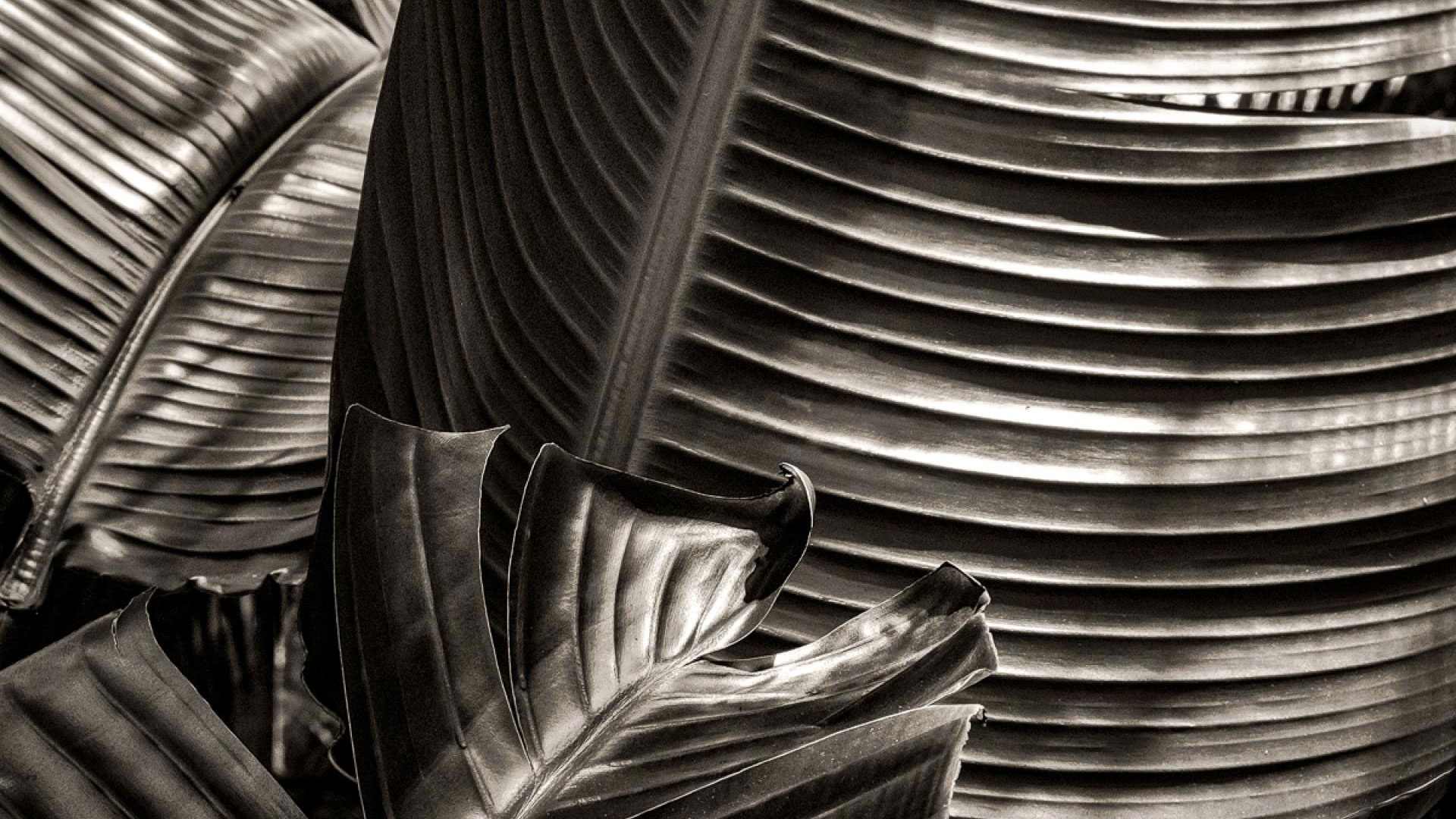
My recent work centers on archetypal themes, particularly the female figure within tropical and subtropical environments. These images explore sovereignty, transformation, and spiritual presence within a more elemental human context. Alongside this, I have continued to study form and structure in nature, as seen in Shades of Paradise, which received four Platinum awards.
Series such as The Headwoman and Oldhamii Codex were influenced by early ethnographic photography from the South Pacific. I was interested in channeling a similar atmosphere—one of mystery, dignity, and pre-industrial authenticity—while bringing a contemporary perspective to the work.
My years as a gallerist have also left a lasting imprint. To live among masterworks is to absorb their weight, intention, and permanence. That experience continues to inform how I approach the image, not merely as a visual object, but as something intended to endure.
Winning Category Winner of the Year, along with 88 MUSE awards, is incredibly meaningful. It provides significant international validation of the work and creates real momentum, helping bring these projects to a broader audience while opening the door to what comes next.
I begin by looking closely at the competition itself—its guidelines, categories, jury structure, and even previous winners. I want to understand whether there is a genuine fit for my work, both aesthetically and conceptually. Entering a competition should feel like a meaningful alignment, not simply an attempt to place work wherever possible. If I believe the work aligns with the spirit of the competition and contributes something of value to that platform, then it makes sense to enter.
I am drawn to competitions that operate at the highest level—those with strong international reach, rigorous standards, and a reputation for attracting leading practitioners.
I am also particularly interested in competitions that recognize the importance of series and consistency of vision. Fine art photography often finds its greatest strength as a body of work rather than a single isolated image. A strong series reveals depth, authorship, and sustained intent in a way that a “best shot” competition often cannot. For photographic artists, that distinction matters.
Ultimately, I am not simply choosing which photograph to submit—I am choosing where the work belongs.
What kid would not want to make pictures? At the age of six, after sending off cereal box tops, I received a tiny “spy” camera that used miniature film.
Yes, in those days, people actually did that. Inspired by the little grainy prints I got back from the drugstore, I graduated to a third-hand Kodak Brownie that produced eight images from a roll of 120 film. More than fifty years later, I am still at it.
Photography as art—regardless of subject matter. I appreciate any work that is executed at the highest level, demonstrates mastery of the medium, and presents a compelling expression of the photographer’s vision.
If I had to choose one genre in particular, it would be the fine art nude, simply because it is one of the most challenging forms to execute at the highest level.
It completely depends on the project and the approach. Over the years, I have worked with everything from large-format analog systems to high-end digital equipment, and just about everything in between—including Time Zero Polaroid. Different tools serve different creative visions. For photographic artists, when it comes to gearing up, do not let your gear dictate your imagery; let your imagery dictate the gear.
For the past several years, I have favored rangefinder-style cameras. However, just two weeks ago, I was working with a 600mm telephoto lens because the look I wanted for a new series called for a greater sense of compression. Like a painter, you reach for the right brush.
That really depends on the particular work or series being experienced. With art, I believe it is important to be careful about over-directing the viewer. While some pieces may invite a degree of guidance, most of my work is intentionally left open to interpretation. I see that openness as essential—a kind of collaboration between artist and viewer.
Rather than prescribing a fixed emotional response, I am more interested in creating a space where viewers can bring their own narratives, memories, and perspectives to the image. Any intention on my part is often carried in the undercurrents—the atmosphere, symbolism, and tension beneath the surface—rather than through something overtly stated.
In that sense, I set the table, and the viewer completes the experience. They provide the frame, unpack the subtle layers, and discover meaning through their own lens. Series such as Theater of Twisted Vanities and Anima Sylvarum are good examples of this. Different viewers often leave with very different emotional responses, and I think that is exactly as it should be.
That exchange between viewer and artwork happens almost instantly, often within the first few seconds of encountering a piece. The image must make an immediate impression, but it should also leave something unresolved—something that lingers.
If there is one thing I would want people to feel, it is presence: the sense that they have encountered something that stays with them long after they have looked away.
Every project carries its own challenges, especially when working conceptually and striving to create something that goes beyond simple documentation. Much of my work, particularly my series-based work, is concerned with capturing atmosphere rather than merely subject matter—a certain tension, sense of mystery, spiritual presence, or emotional undercurrent that invites interpretation.
These qualities can be difficult to define, which means the process often involves a great deal of experimentation and refinement. You are not simply recording a scene; you are trying to create an image that feels timeless—something that could exist just as naturally in 1915 as it does in 2026 or 2045. Achieving that sense of permanence and ambiguity is often the greatest challenge.
On a practical level, the obstacles can be physical as well. Long days and nights on location, demanding environmental conditions, and the unpredictability of working outdoors all play a role. Many of these images are created in tropical and subtropical settings where light changes quickly and ideal conditions may exist for only a few fleeting moments. When everything aligns—the light, the mood, the subject, and the atmosphere—it happens very quickly.
Virtually any location or subject can become inspiring when approached with the right vision or under the right conditions. In my recent work, I have been particularly drawn to tropical and subtropical environments, as well as the historical and spiritual dimensions of island cultures.
The brilliant light, lush sculptural flora, mysterious forests, and dense jungles provide a rich setting for endless creative possibilities.
Aside from my muse, one of my earliest influences was Robert Rauschenberg—not so much for his work itself, but for the life he built around it. As a teenager, I was fascinated by the fact that he lived on a beautiful Florida barrier island not far from where my studio sits today. His property represented an extraordinary fusion of paradise, studio, and home—an environment where art and nature existed in complete harmony.
To a young person drawn equally to the arts and the tropics, that felt like the ultimate vision of creative life—a kind of subtropical Arcadia. The idea of being fully immersed in beauty, nature, and artistic practice left a lasting impression on me. It became a kind of template, and years later, I was fortunate enough to create my own version of that life. In many ways, that influence shaped not only my work, but also how I chose to live.
Photographically, I have drawn inspiration from a wide range of artists, some of whom may be less familiar to contemporary audiences. William Mortensen was particularly important to me for his fearless subject matter and willingness to push boundaries despite considerable reputational risk. I have also long admired the ethnographic studies of Gregor Krause and Gotthard Schuh, the atmospheric mastery of Bill Brandt, the pioneering surrealism of Lionel Wendt, the quiet poetry of Josef Sudek, and the cinematic elegance of Jeanloup Sieff.
Beyond photography, I have also been deeply influenced by painting, particularly the Abstract Expressionists of the 1950s and 1960s, Color Field painters such as Mark Rothko, and mid-century geometric abstraction. These movements taught me a great deal about atmosphere, tension, form, and emotional space within an image.
In truth, inspiration rarely comes from a single source. Sometimes the most important ideas emerge from the most unexpected places.
The motivation to enter high-quality competitions should come naturally when you have created work that, in your heart of hearts, you believe is exceptional. Awards and exhibitions provide opportunities for that work to be seen, tested, and validated on a larger stage. If you truly believe in what you have created, why would you not want to place it in that arena?
From a fine art perspective, excelling in competition requires work that can break through the noise. You are competing against thousands of talented practitioners, so your imagery must stand apart—whether through subject matter, technique, perspective, atmosphere, or vision. It must feel distinctive. Set your standards high.
Do not imitate—originate. Imitation has value in the early stages, when you are developing craft and discipline. Eventually, however, meaningful work requires moving beyond influence and cultivating your own visual language—your own way of seeing. That is where true distinction begins.
Once you feel you have reached that higher standard, choose competitions that are the right fit for your work. The MUSE Photography Awards, for example, is especially valuable because it is judged by a large and diverse international panel of respected industry professionals. This provides a broader and more meaningful evaluation than competitions judged by only one or two jurors who may or may not connect with a particular style or approach.
Most importantly, find subject matter you genuinely love. Success in art and photography often stems from deep personal investment. I have a profound connection to my subjects, from foliage to form, and that shapes not only the work itself, but also the way I live. When the work becomes personal, it gains the intensity and authenticity that people respond to.
More than anything else, that is what helps work rise above the ordinary.
Photography is a vast ecosystem with many disciplines, so the right advice often depends on a photographer’s specific path. If I had to distill it into one foundational principle that applies across almost every genre, it would be this: focus on developing your vision.
Concentrate on building an exceptional body of work that reflects a clear and consistent point of view. I see far too much emphasis placed on hardware and not nearly enough on visual language, interpretation, and execution. Cameras are tools—vision is what gives the work meaning.
Study the art that moves you, whether it comes from photographers, painters, or designers. Ask yourself: How do they compose? How do they use light? How is negative space handled? How do they create atmosphere, tension, or emotional weight? How do they sequence and curate a body of work? If you learn to look deeply, the work itself will begin to teach you. Master those foundational principles of image-making, and everything else becomes stronger.
One of the greatest challenges for emerging photographers is not creating individual strong images, but curating a cohesive body of work. That is what opens doors. That is what establishes your voice. For fine art photographers, it is also what ultimately compels people to collect your work.
You must develop a recognizable visual language—an identifiable style and authorship. Someone should be able to look at your work and, in most cases, recognize it as yours without being told.
I often see strong photography undermined by weak editing, where excellent images are diluted by surrounding them with work that does not belong. Knowing what to leave out is often just as important as knowing what to include.
Consistency is not a limitation—it is identity.
I tend to take a relatively minimal approach to post-processing—what I like to call “primitive tech.” Most of my adjustments are limited to cropping, contrast, color correction, sharpening, and spotting when needed. The vast majority of the work is accomplished in-camera at the time of capture, even for more surreal projects such as Theater of Twisted Vanities.
My cameras are carefully calibrated to suit my particular creative needs, so the image coming straight out of the camera is often very close to the final result. I prefer not to over-polish or overwork an image, as those treatments do not align with the overall aesthetic of my work.
In many ways, AI will influence photography much as new technologies have influenced the medium over the past 30 years—it will continue to evolve and become part of the landscape. The challenge will be distinguishing what is genuinely useful from what is merely novelty. We are witnessing the development of AI in real time, and some areas of photography will undoubtedly be affected more than others.
I can only speak from the perspective of fine art photography and the gallery world, as that is where my experience lies. While AI has not directly influenced my own practice, friends and colleagues working in various sectors of commercial photography tell me it is reshaping the industry in significant ways. I follow these developments with interest, but I do not devote an excessive amount of attention to them. In the gallery world, the human connection remains central to the value of most work, which makes the impact of AI less disruptive than in some commercial areas of the medium.
Personally, I am drawn to the timeless, the primal, and the essential. My work is grounded in the natural and the real. It does not rely on extensive post-production manipulation, added elements, or anything that was not present when the image was created. I will likely continue in that direction, as it aligns with my broader artistic sensibilities. In many ways, the more things change, the more they stay the same.
The very subjects and people I am photographing right now. There is much more to come—expanding on existing themes, exploring new projects, developing color work, and revisiting urban subjects. It is an exciting time to create imagery. The bar is high, and the quality of work being produced today is exceptional.
I hope to return next year and make another attempt at earning the title of Category Winner Photographer of the Year. Whether that has been done before, I honestly do not know, but I look forward to bringing new work to the MUSE Photography Awards and continuing the journey. Thank you for a wonderful competition.