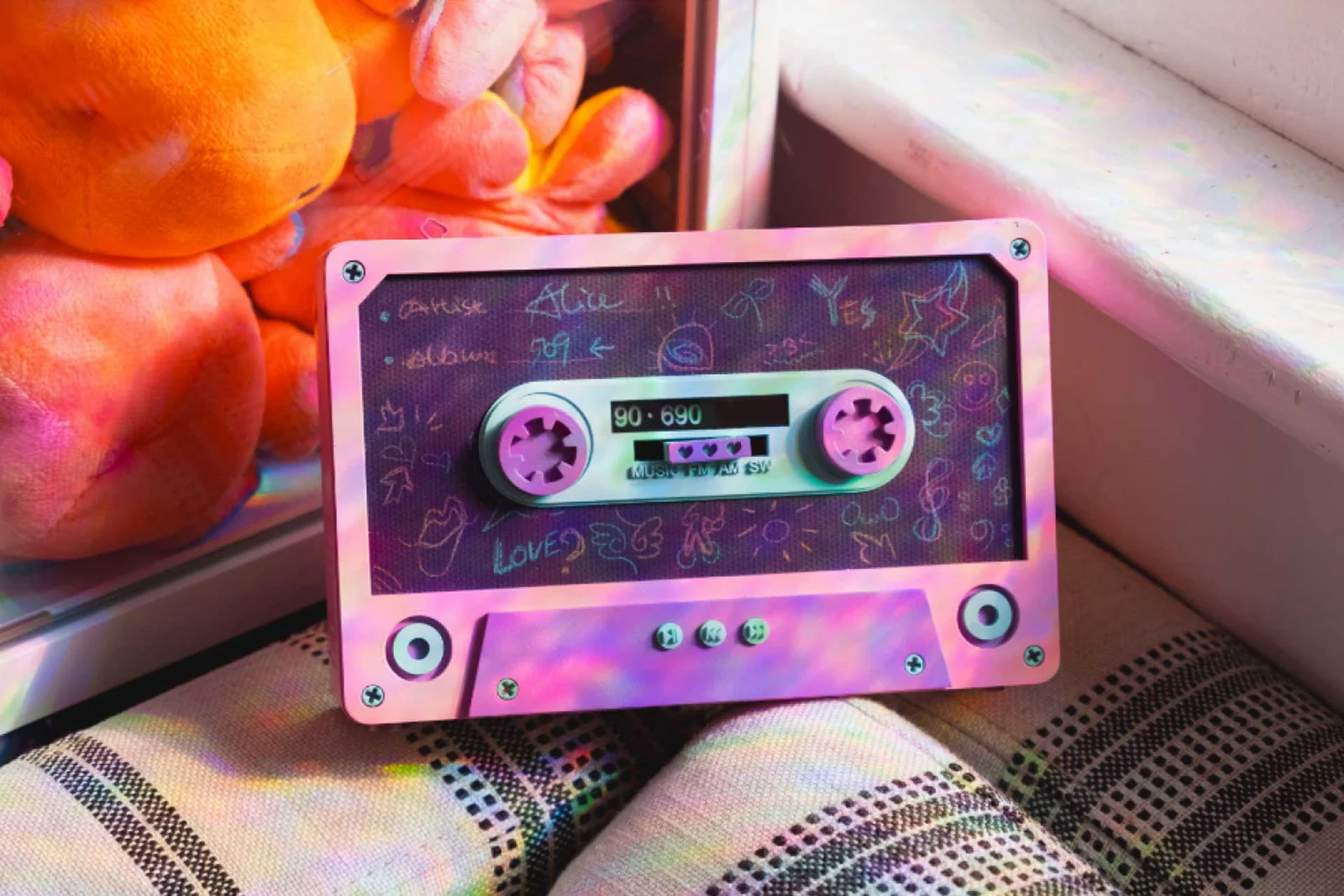
NostalX
For music enthusiasts, the convenience and standardization of streaming services have
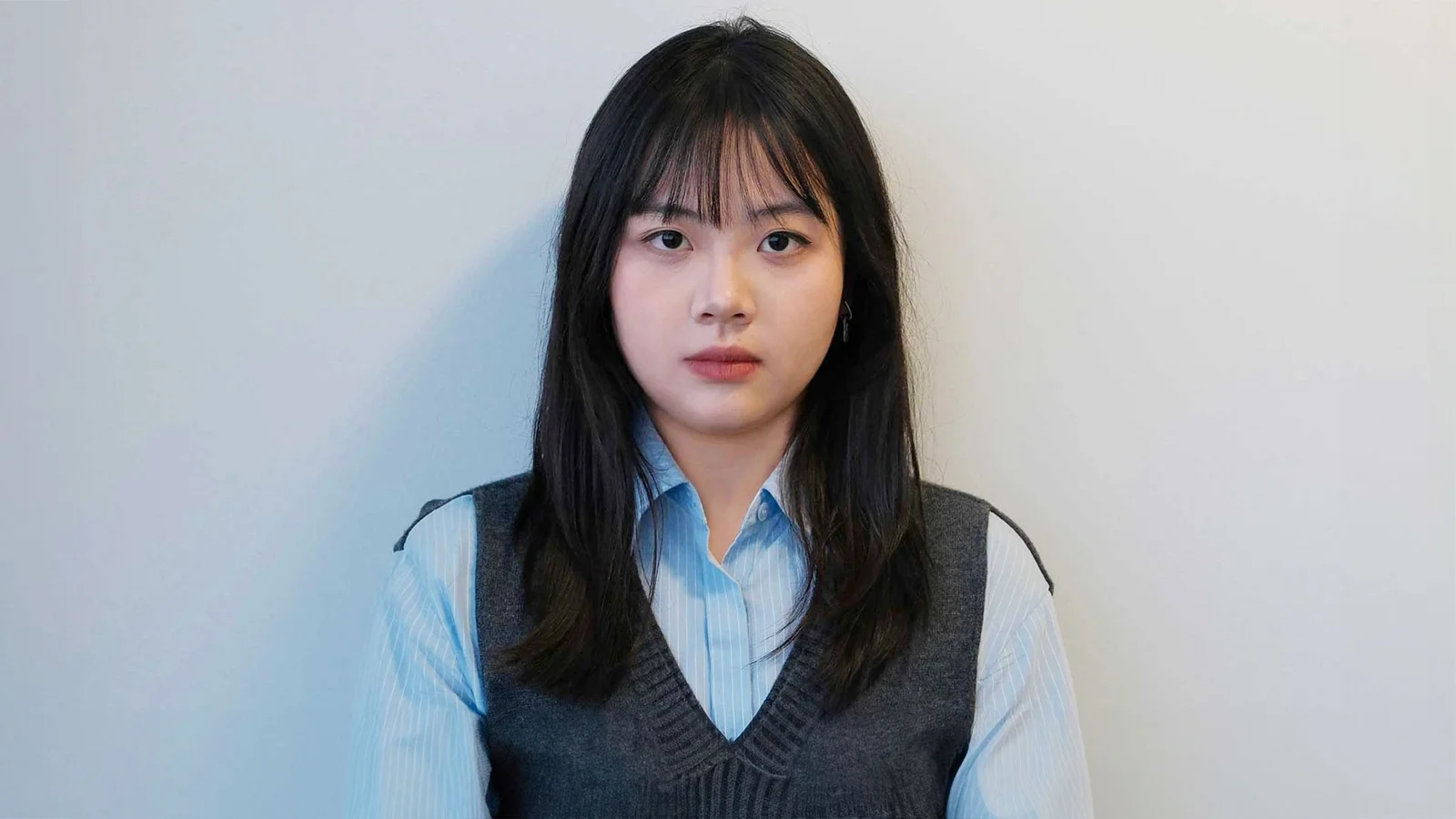
I am Siyu Zang, an industrial designer and a master's degree student in the Healthcare & Design program. I specialize in industrial design and service design, with a keen interest in exploring design innovation within the healthcare field. I enjoy working in teams and am flexible in bringing creative solutions for effective collaboration.
I started painting by chance when I was about 16 years old, which laid the foundation for my study of design. Later, I found that I was more interested in designing physical products and was eager to get hands-on to create product models and installations.
During my study of design, I discovered that design is actually everywhere in life, and design thinking is constantly changing and reshaping me. I believe that design is not limited to any form and will always have the vitality of innovation, and I will continue to explore it.
Design, as I see it, is the process of creating solutions that are functional, aesthetic, and useful. It aims to transform ideas into meaningful experiences, fulfill needs, and inspire innovation. Good design harmonizes form and function, inspires, and solves problems in an intuitive, effective, and sustainable way.
I am interested in interaction design because it shapes the way people interact with technology and systems in an intuitive and meaningful way. I like that it combines creativity and problem-solving to make many things easier to understand and use. Designing experiences that bring people and technology together in a harmonious way is an important aspect of design.
I believe that good design should have meaning and a positive social impact. Design does not need to be perfect because its essence lies in solving problems and creating meaningful experiences. Even if only a few people benefit from a certain design, it is still worthy of recognition.
My design style may vary depending on the project, but generally speaking, the overall style is minimalist and effective. I prefer a design expression that is relaxed but gets straight to the heart of the matter.
My designs usually originate from my observations of life or my personal life experiences. Afterwards, I expand my ideas through extensive research to find a real problem and design for it. I typically list different possibilities and points for consideration, seeking opportunities for design through in-depth interviews and understanding of stakeholders. Then, I complete my design through continuous verification and iteration.
Of course. I am very interested in traditional Chinese craftsmanship. There are so many folk artists working tirelessly, and they often inspire me. They always have their own unique design methods and turn them into classics. However, many old cultural heritages are not valued by young people, and I really want to make them shine again through my designs. I also continuously integrate these special cultural customs into my own design concepts as I study design, and I benefit greatly from it.
Winning has been incredibly validating for our practice. It has given us broader recognition and strengthened our confidence when presenting to clients, showing that our ideas and values resonate on a global scale.
This achievement demonstrates that design success goes beyond profitability—it’s about making a positive impact on people’s lives. We’re grateful for this recognition and inspired to continue creating meaningful, people-centered designs.
I think that in the future, design may develop more deeply towards human-machine collaboration and cross-disciplinary cooperation. It will integrate knowledge from more disciplines and have a wider range of applications. Design will go beyond aesthetics and play a central role in formulating business strategies, focusing on user experience, brand stories, and social impact.
Take risks and don't be afraid to fail. But you can try working in a highly efficient design team, which will yield twice the result with half the effort.
I want to keep a pet mouse!
A user I once interviewed had an interest in the topic that even surpassed mine, and it made me start to feel that there was meaning to me as a designer and that someone would care about my work. This real-life experience surpassed the design theories taught by professors in the classroom because it was so vivid.
I think the key to success is collaboration. Everyone in a team can contribute their own strengths to make the design process more efficient. I feel very fortunate to have worked with so many talented designers and have learned a lot from each of them.
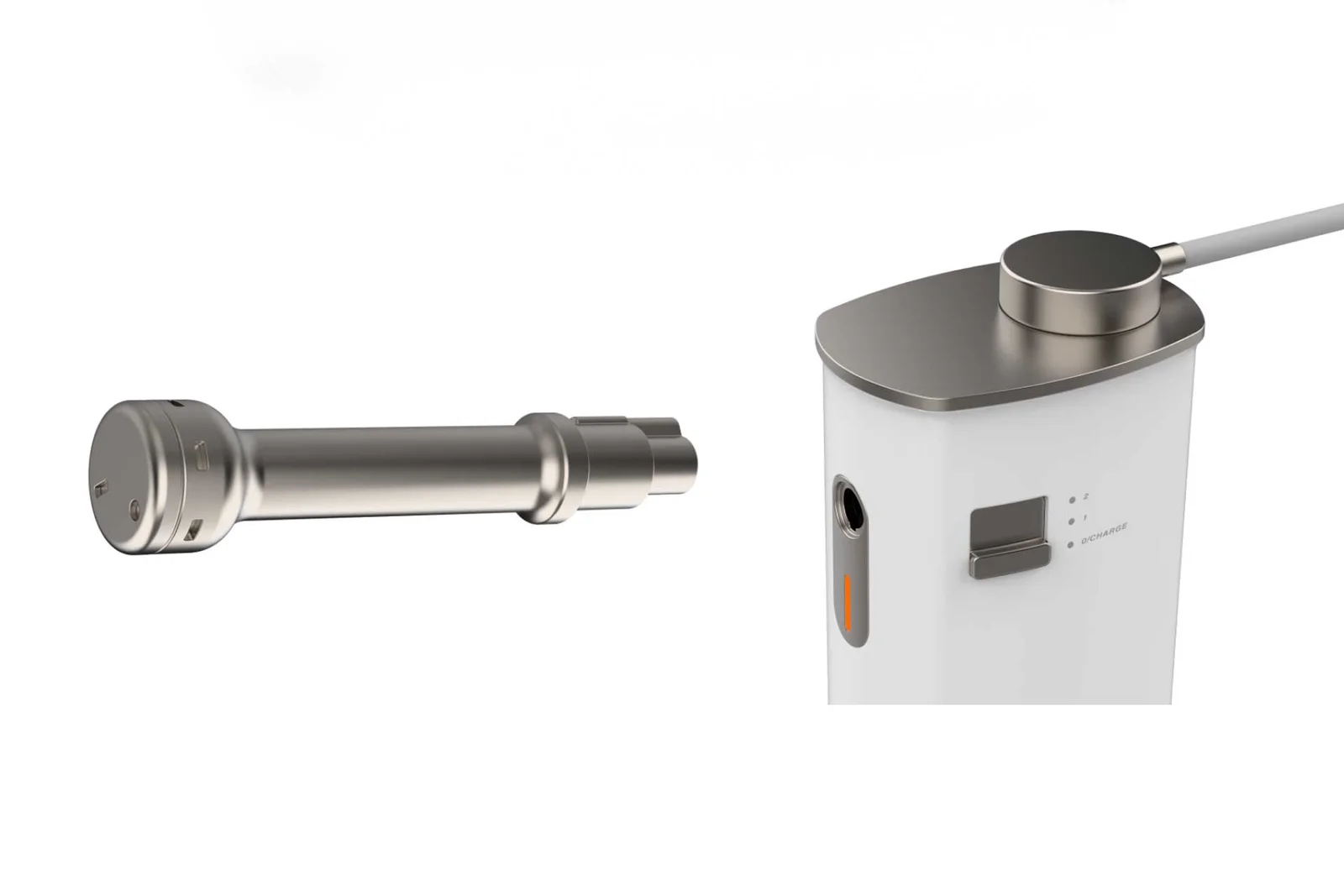
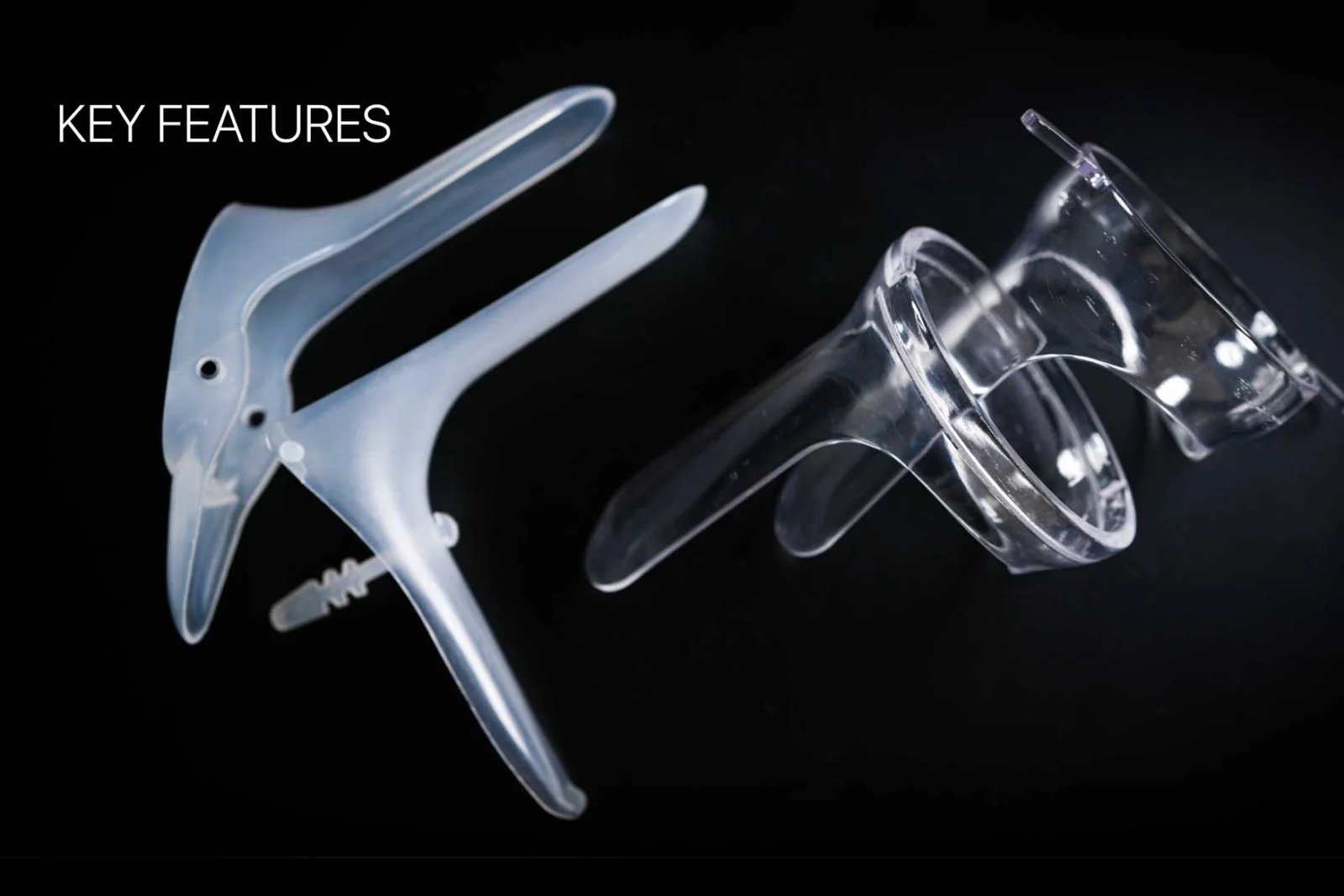
Explore the journey of Yuqing Xiao, the Gold and Silver Winner of the 2024 MUSE Design Awards. She is an industrial designer and design strategist with a focus on human-centered design. Skilled in industrial design and user experience research, she prioritizes business strategy and sustainability. At Functional Form Block Allies, she drives cross-regional collaboration to craft innovative solutions.



.jpg)