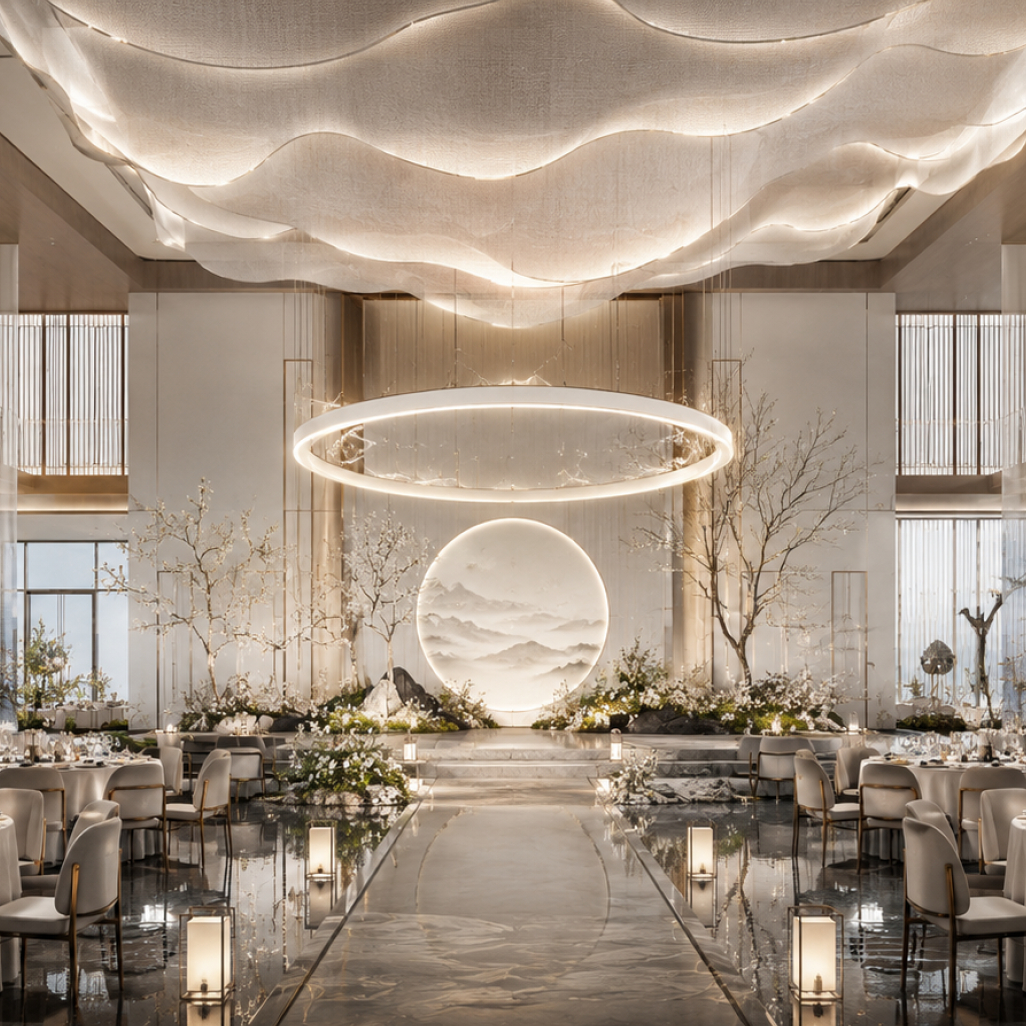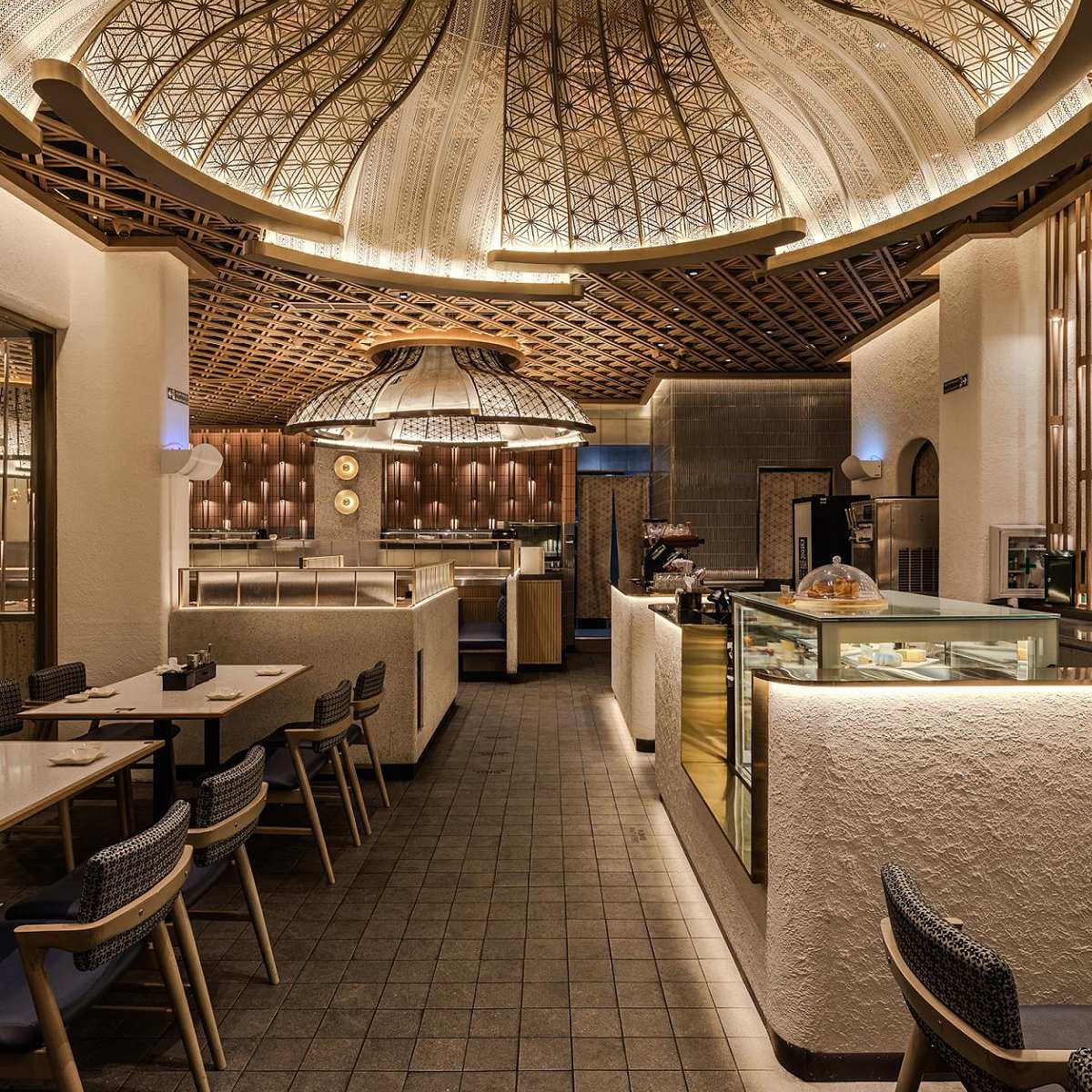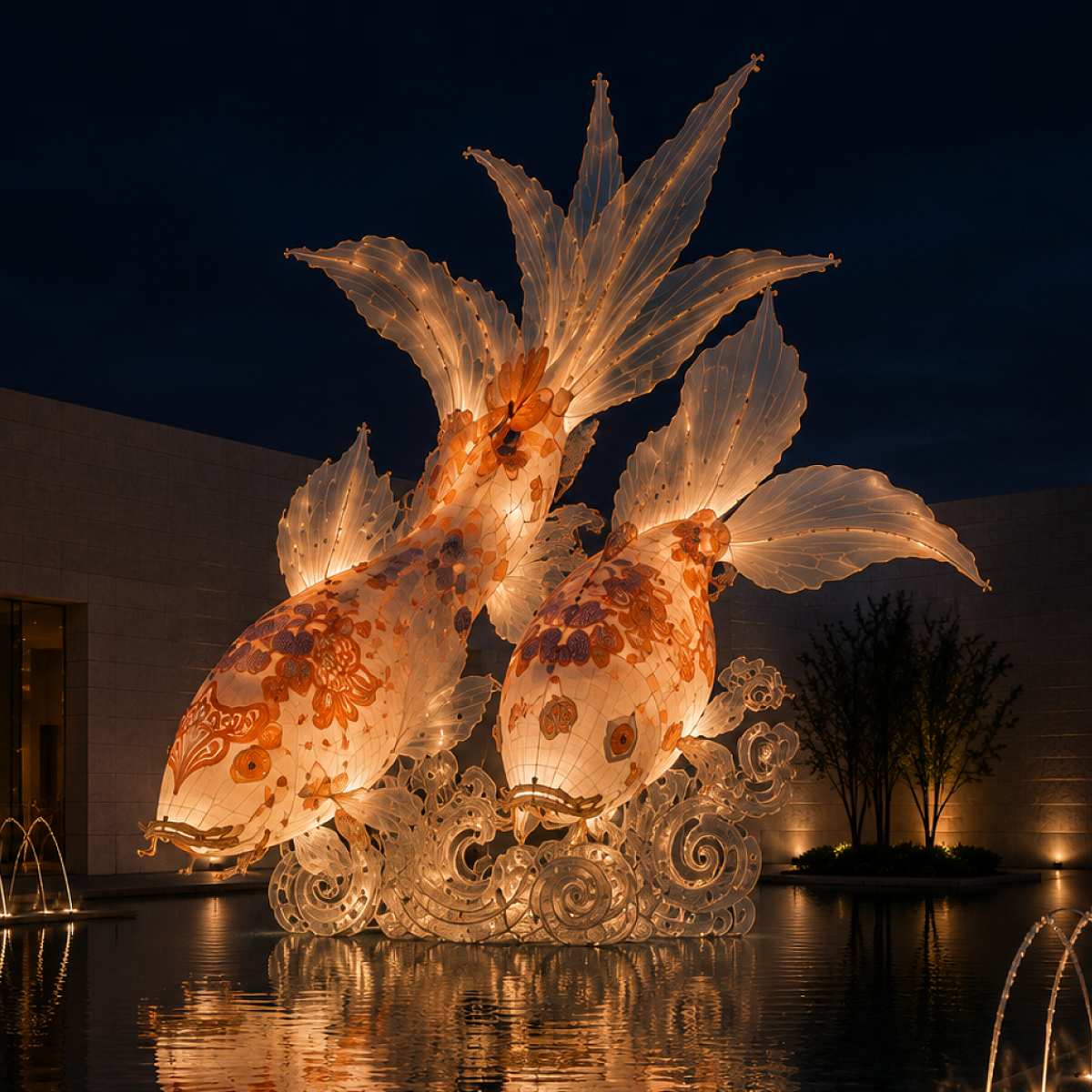
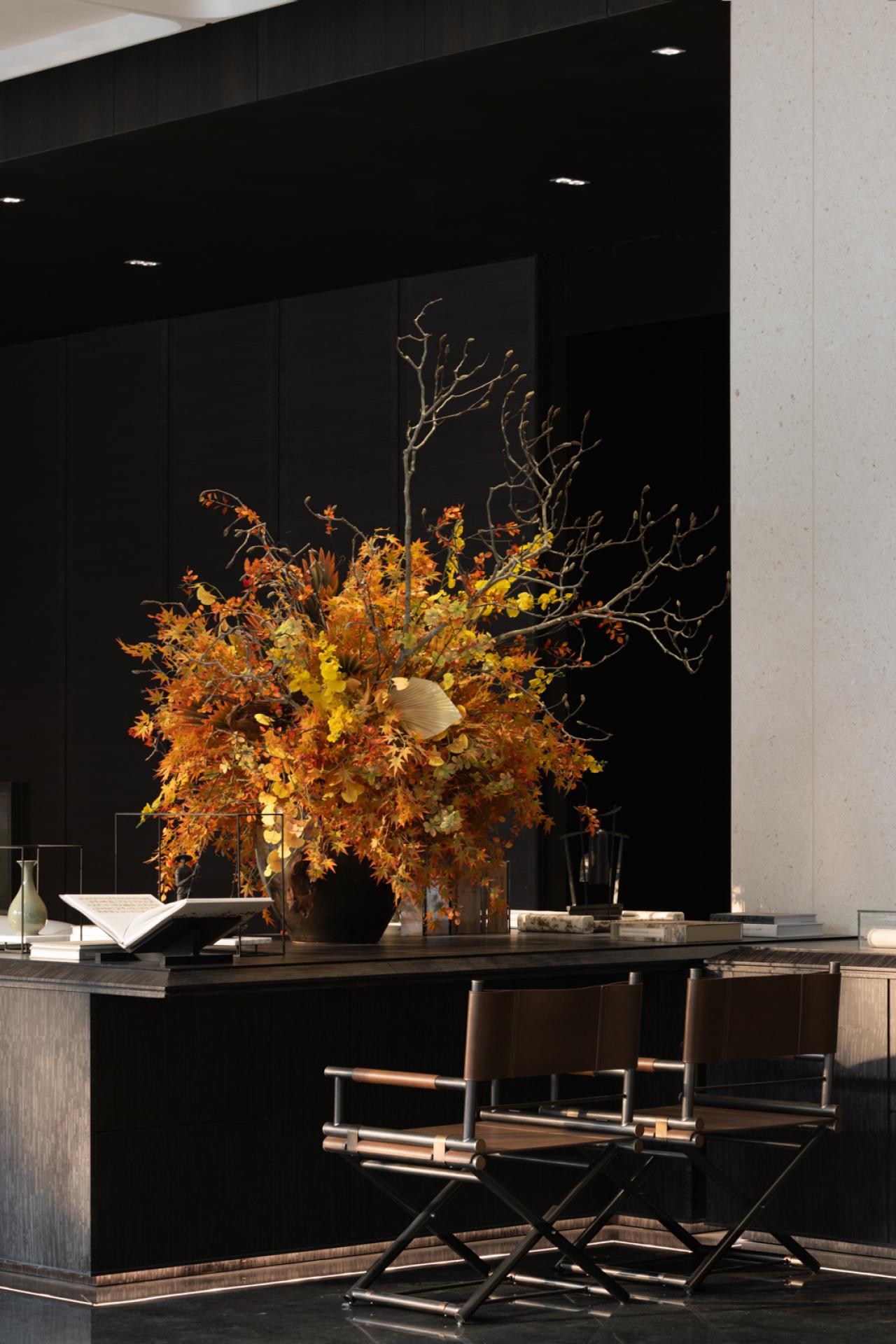
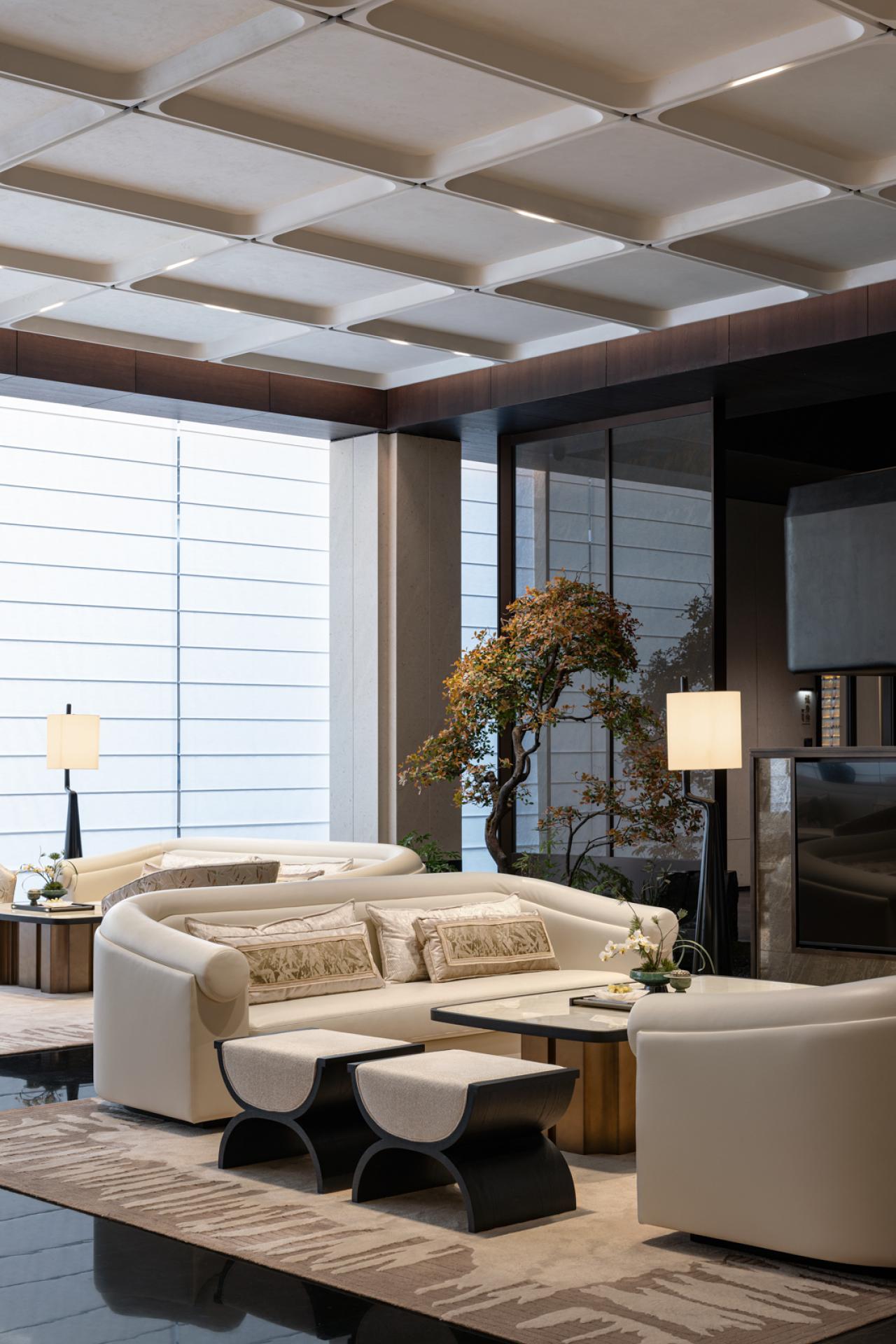
CHINA OVERSEAS · LAKE MANSION EXHIBITION CENTER
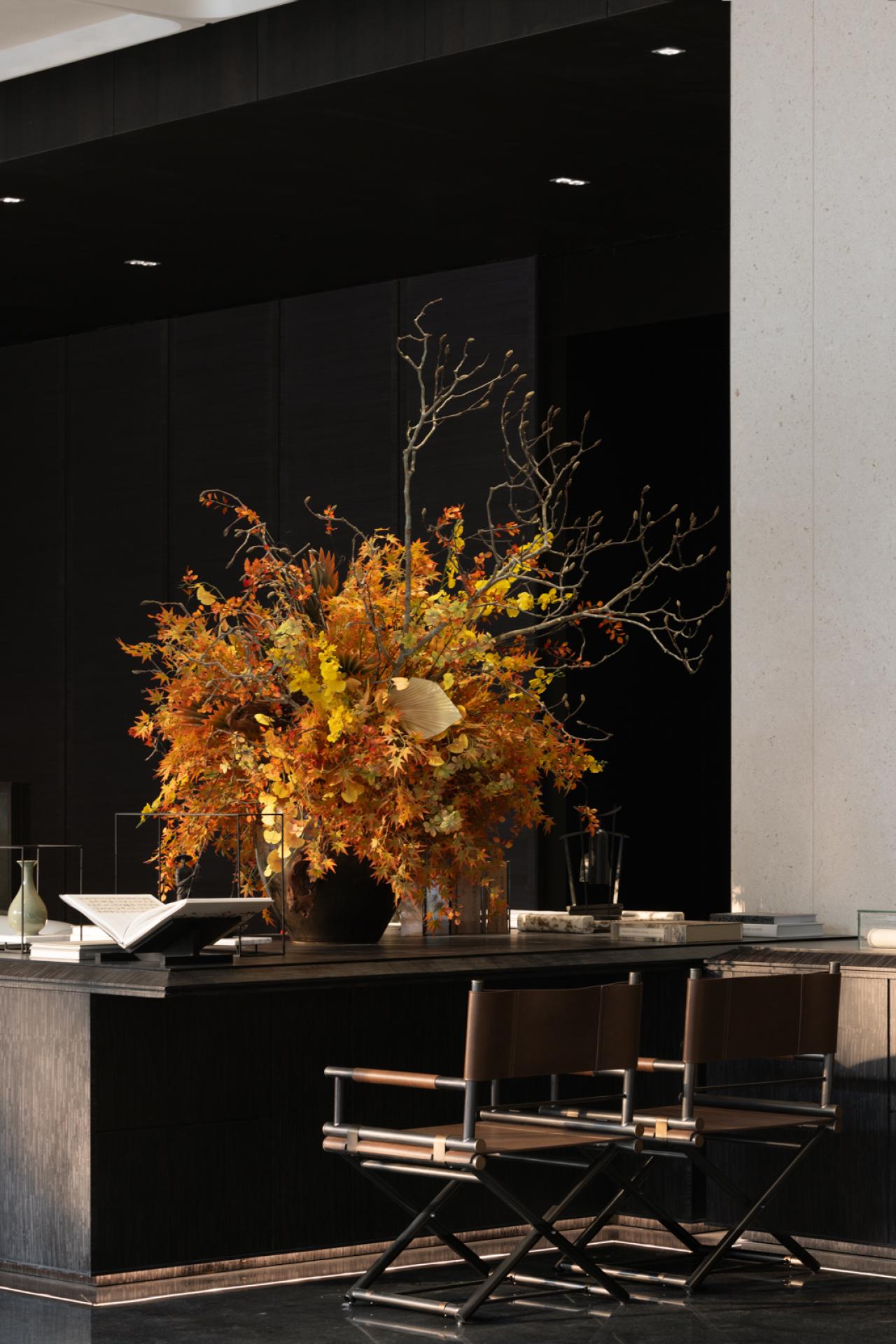
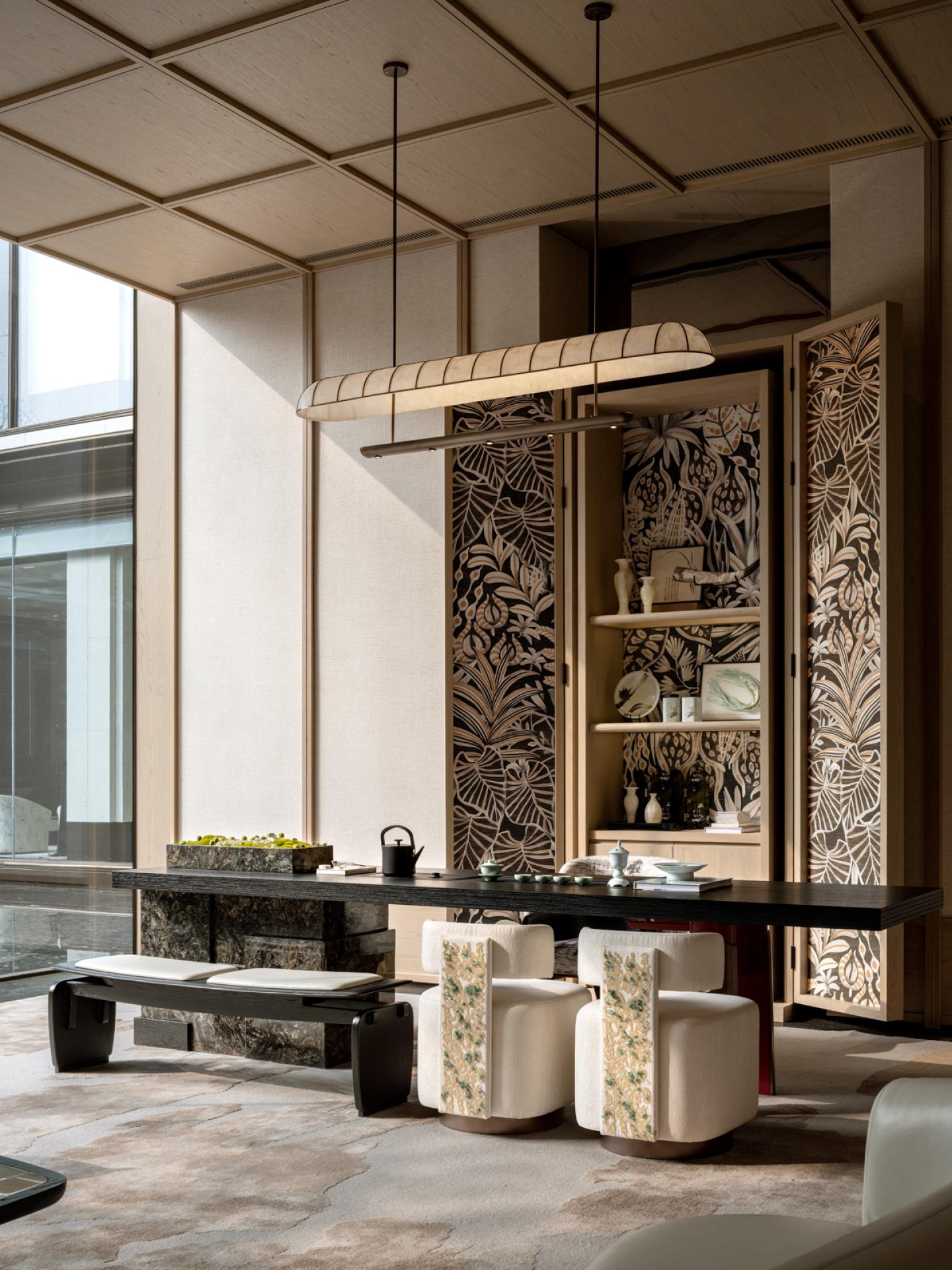
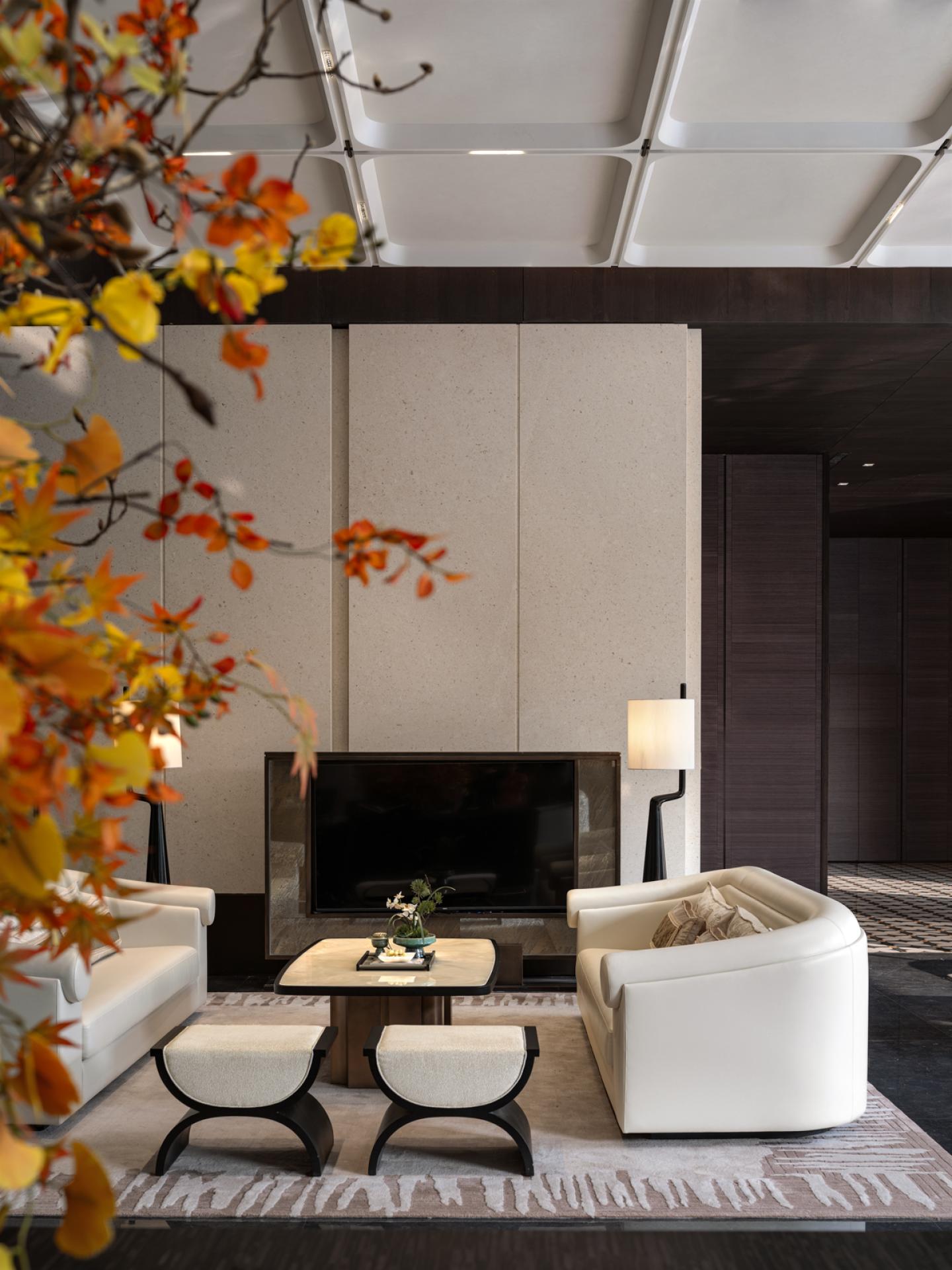
"Based on the traditional Shaoxing courtyard mansion culture, the project extracts its core philosophy of...
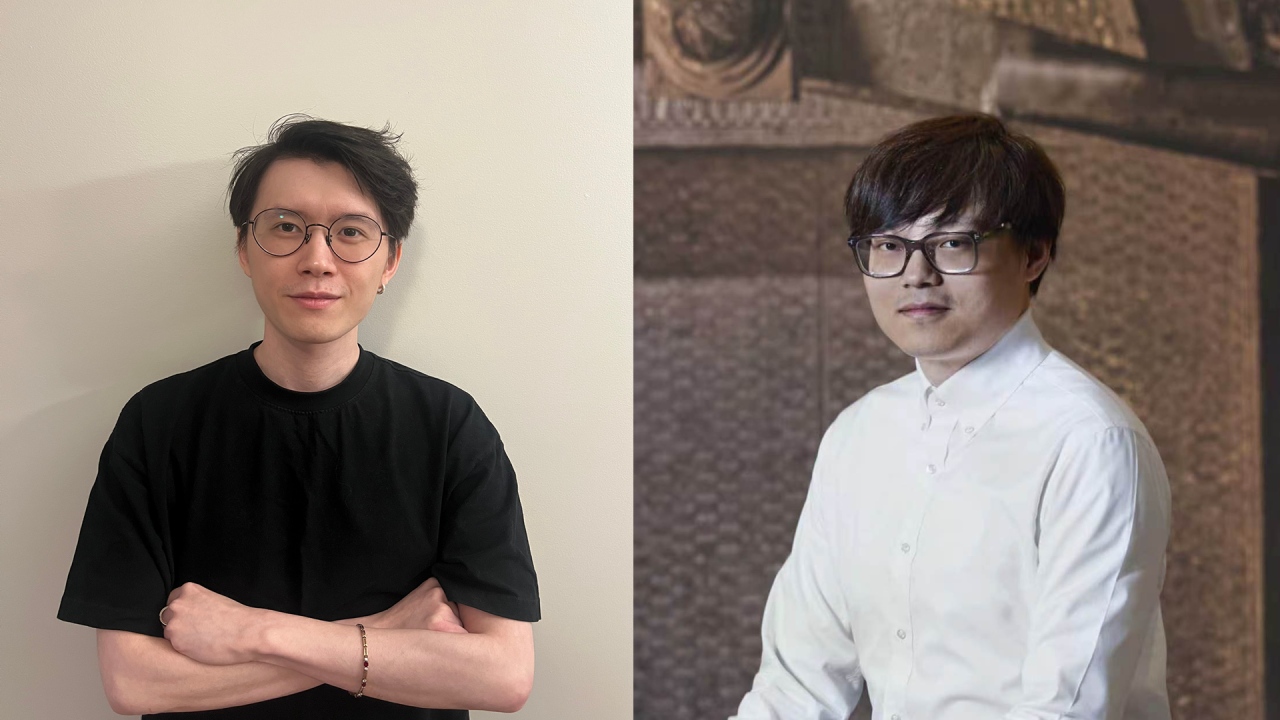
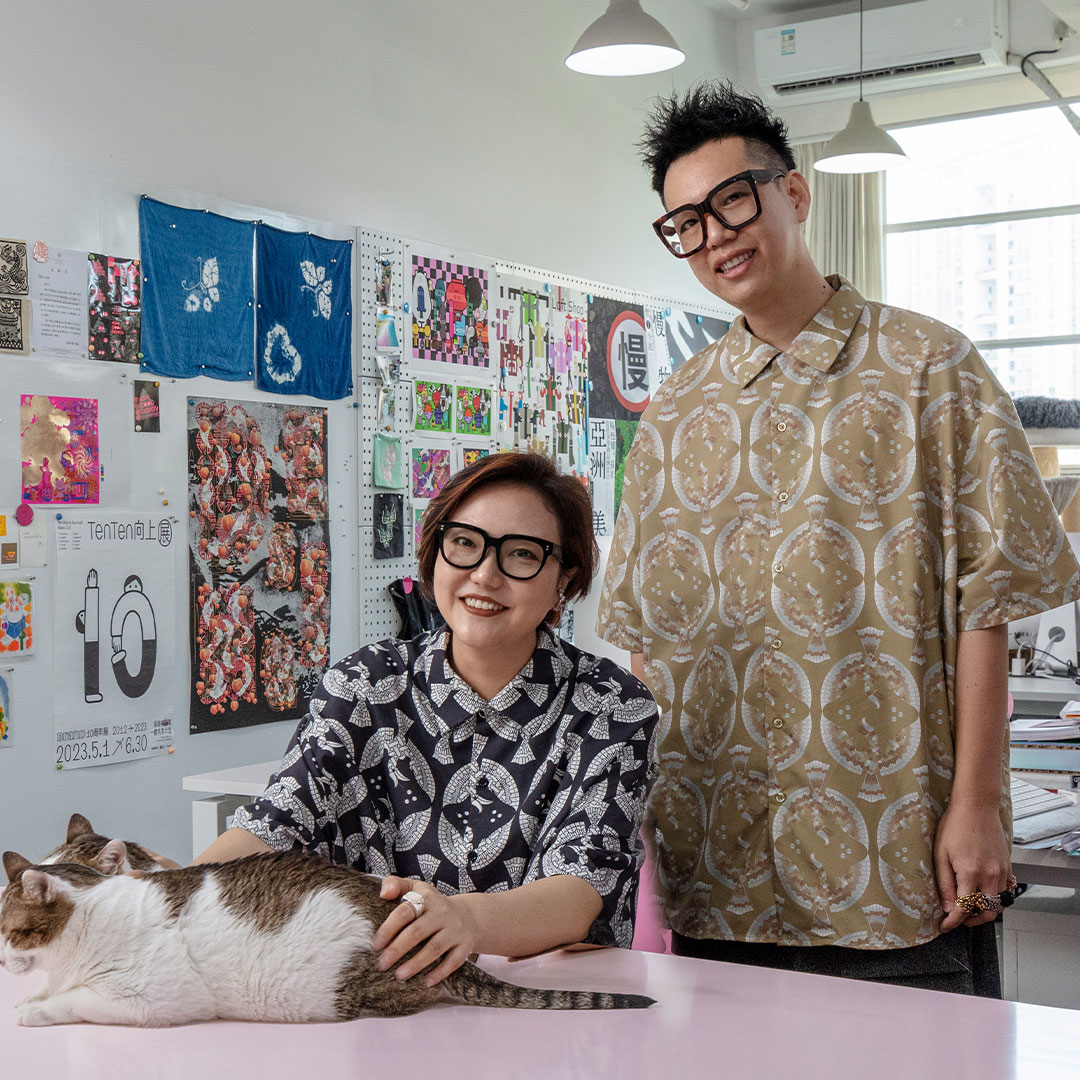
For Jianzhe Liu and Tianhao Zhong, interior design is about creating meaningful relationships between people, culture, nature, and the spaces they inhabit. Drawing from backgrounds in interior architecture, adaptive reuse, and furniture design, they approach each project through research and testing while balancing human experience with practical and environmental considerations.
Jianzhe Liu: Thank you! I'm Jianzhe Liu (Jerry), an interior designer with a background in interior architecture and adaptive reuse. I was inspired to pursue design because of its ability to shape how people feel, interact, and connect with their surroundings. I see design as a way to create meaningful spaces that balance human experience, culture, and sustainability.
Tianhao Zhong: I'm Tianhao Zhong, an interior designer with a background in furniture design and interior architecture. My interest in design began with objects and gradually expanded into the spaces around them. Through this journey, I became fascinated by how design can connect people, culture, and the natural environment. I see design as a process of finding meaningful relationships between different scales, contexts, and experiences.
Receiving this recognition from the French Design Awards is especially meaningful because it acknowledges the spatial thinking, material choices, and user experience behind the project. It motivates us to keep creating interiors that are thoughtful, functional, and responsive to the people who use them.
This achievement has strengthened our professional portfolio and given greater visibility to our approach to interior design. Although the recognition is still recent, it has created new opportunities to share our work with a wider design community and connect with professionals who value thoughtful, community-focused spaces.
Experimentation allows us to test how an abstract idea can be translated into a physical interior experience through circulation, programming, materials, and atmosphere. For the project "IN BETWEEN", we explored several spatial sequences before using the stages of bamboo growth—Shoot, Node, Growth, and Resilience—to organise the project and guide visitors from cultural discovery to collaboration and wellness.
One of our most unusual sources of inspiration was not the appearance of bamboo, but its growth process. For IN BETWEEN, we translated bamboo’s connected nodes, flexibility, and resilience into a sequence of interior spaces that support learning, collaboration, and restoration.
We wish more people understood that interior design is not simply about selecting finishes or creating a visual style. It is a layered process of research, testing, technical coordination, and careful decision-making to ensure that a space is functional, buildable, and meaningful for its users.
We understood that interior design is not simply about selecting finishes or creating a visual style. It is a layered process of research, testing, technical coordination, and careful decision-making to ensure that a space is functional, buildable, and meaningful for its users.
We begin by understanding the community and target group’s priorities, practical needs, and vision, then identify where our design ideas can support those goals. Rather than treating creativity and expectations as competing forces, we use research, clear communication, and design iterations to shape a solution that feels both distinctive and appropriate for the people who will use the space.
One of the main challenges was combining the needs of remote workers, local residents, and multiple programs without making the interior feel fragmented. We addressed this by using the stages of bamboo growth as a clear spatial framework, which helped organise circulation, define transitions, and connect work, culture, learning, and wellness into one cohesive experience.
When we reach a creative block, we step away from the screen and spend time sketching, observing nature, reading design books, and putting ourselves in similar spaces and feeling what others feel. Returning with a fresh perspective often helps us identify simpler, more intuitive design solutions that we might have overlooked.
We bring empathy, cultural respect, and a strong sense of social responsibility into our designs. Our educational background and working across different cultural environments have taught us to value spaces that preserve local identity, support well-being, and create meaningful connections between people.
Our advice is to stay curious, remain open to feedback, and develop ideas through consistent research and experimentation. Success in design is not only about creating strong visuals but also about understanding people, solving real problems, and continuing to grow through every project.
We would love to collaborate with Masamichi Katayama because of his ability to create immersive interiors with a strong identity and sense of discovery. His work shows how spatial composition, materials, lighting, and storytelling can come together to create memorable experiences, and we would be excited to learn from his approach while contributing our own perspective on culture, community, and design.
We wish people would ask, “How can an interior create value beyond the boundaries of the space itself?”
Our answer is that a well-designed interior can influence daily behaviour, encourage exchange, preserve cultural knowledge, and build a stronger relationship between its users and the surrounding community.
Read about A Different Way Into Fashion: The Story of Cristina David by clicking this link to view her interview.