The Vessel Type
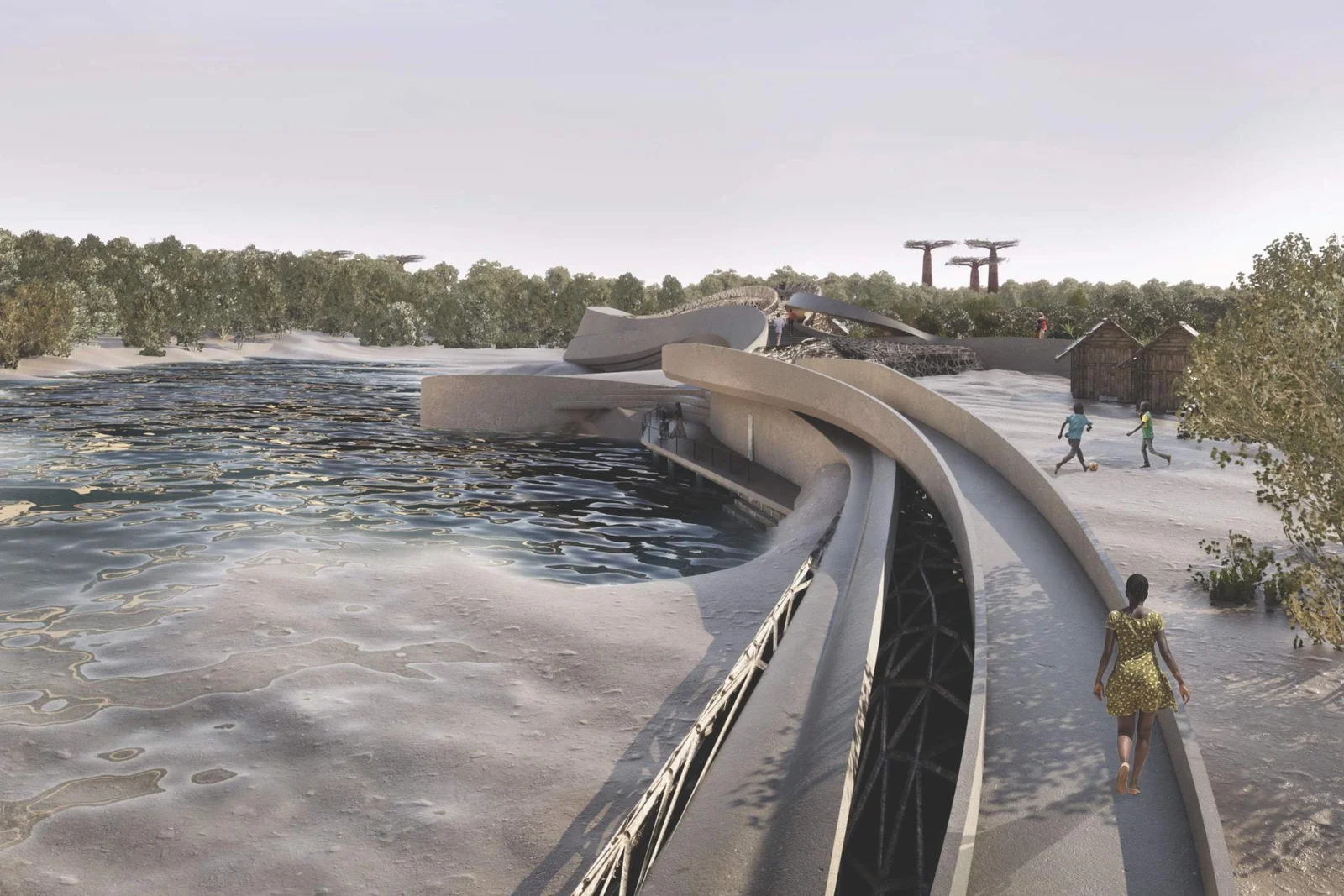
The Vessel Type is a visionary architectural intervention designed to address critical environmental and social...
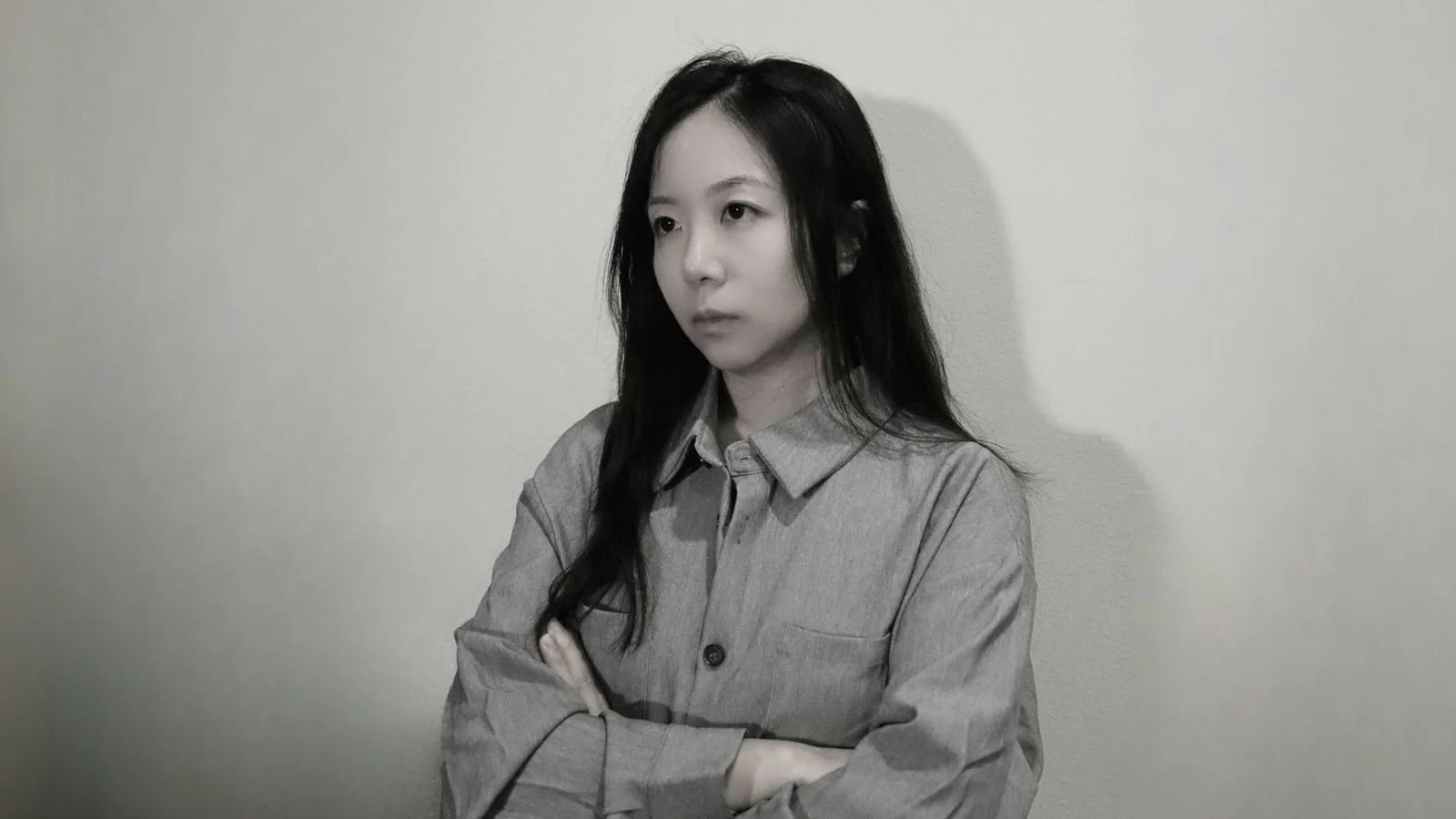
I’m an architectural designer based in Los Angeles with a background in interior design and a master’s degree in architecture from the Southern California Institute of Architecture (SCI-Arc).
My work focuses on sustainability and the built environment, exploring how design can create meaningful, lasting impacts. My journey into architecture began with a deep interest in how spaces shape experiences, leading me to pursue a path that integrates creativity, functionality, and environmental responsibility.
I saw this competition as an opportunity to share my vision with a broader audience and challenge myself on an international stage. Personally, winning is an incredible honor that validates the passion and effort behind my work.
Professionally, it’s a milestone that opens doors to new collaborations and reinforces my commitment to creating thoughtful and impactful designs.
This recognition has reinforced my commitment to designing with purpose and impact. It has opened new conversations with professionals who share a similar vision for sustainability and innovation in architecture.
More than anything, it serves as motivation to continue exploring how design can address environmental and social challenges in meaningful ways.
Experimentation is essential to my process. It allows me to push the limits of materials, structure, and spatial interaction. One example is my project The Vessel Type, where I explored how architecture can serve as both infrastructure and a communal space.
By testing different material assemblies and water filtration techniques, I developed a design that collects and distributes water while integrating with the landscape in a way that fosters engagement and resilience.
I was inspired by the erosion patterns found in nature, how water carves through rock over time, shaping landscapes in unexpected ways. This led me to experiment with forms that evolve through interaction, designing spaces that feel dynamic and responsive rather than fixed or static.
Great design isn’t just about aesthetics; it’s about problem-solving. The best projects come from understanding the constraints—whether environmental, cultural, or structural—and finding creative ways to turn those limitations into opportunities.
I see it as a dialogue rather than a compromise. The goal is to align the client’s needs with a strong design vision by focusing on the underlying purpose of the project. When the concept is rooted in clarity and intent, bridging expectations and innovation becomes easier.
One of the biggest challenges was designing a structure that integrates water collection, filtration, and communal engagement while maintaining both functionality and architectural integrity.
Balancing technical performance with spatial experience required extensive material research, iterative prototyping, and testing different structural strategies. By refining the design through experimentation and analysis, I was able to develop a solution that is both practical and deeply connected to its environment.
Stepping away from the screen and immersing myself in something completely different - whether it’s nature, art, or even everyday urban environments. It helps reset my perspective. Observing how people interact with spaces or how natural systems adapt over time often sparks unexpected ideas.
A strong belief in architecture as a driving force for environmental and social resilience is at the core of my work. My projects are driven by a commitment to sustainability, not just in materials but in how spaces foster long-term adaptability and collective well-being.
Focus on developing a strong sense of purpose behind your work. Understand that design is about solving problems and making an impact. Don’t be afraid to experiment, learn from failure, and stay true to your vision. Embrace the journey of constant growth and be open to challenges, because that’s where the most innovative ideas emerge.
Francis Kéré. His approach to architecture as a means of empowerment, deeply rooted in community and sustainability, aligns with the way I aspire to design. His ability to blend indigenous techniques with innovative solutions is something I greatly admire.
Question: How do you see the relationship between architecture and the natural world evolving?
Answer: I believe architecture will increasingly dissolve the boundaries between built environments and nature, creating spaces that aren't just integrated with their surroundings but actively contribute to ecological restoration. The future of design lies in creating environments that adapt, regenerate, and coexist with the ecosystems around them, offering a model for sustainable living that nourishes both people and the planet.
Explore the journey of Lingyi Kong, the Gold Winner of the 2025 MUSE Design Awards.She is the founder of Mars Pharaoh, combining branding, tech, and art direction. As a Parsons instructor, she explores interactive design and brand strategy. Her exhibitions merge art and technology. For Her Way Home, she explored identity and belonging through "pathways," blending heritage with modern expression.