Thistle & Bloom
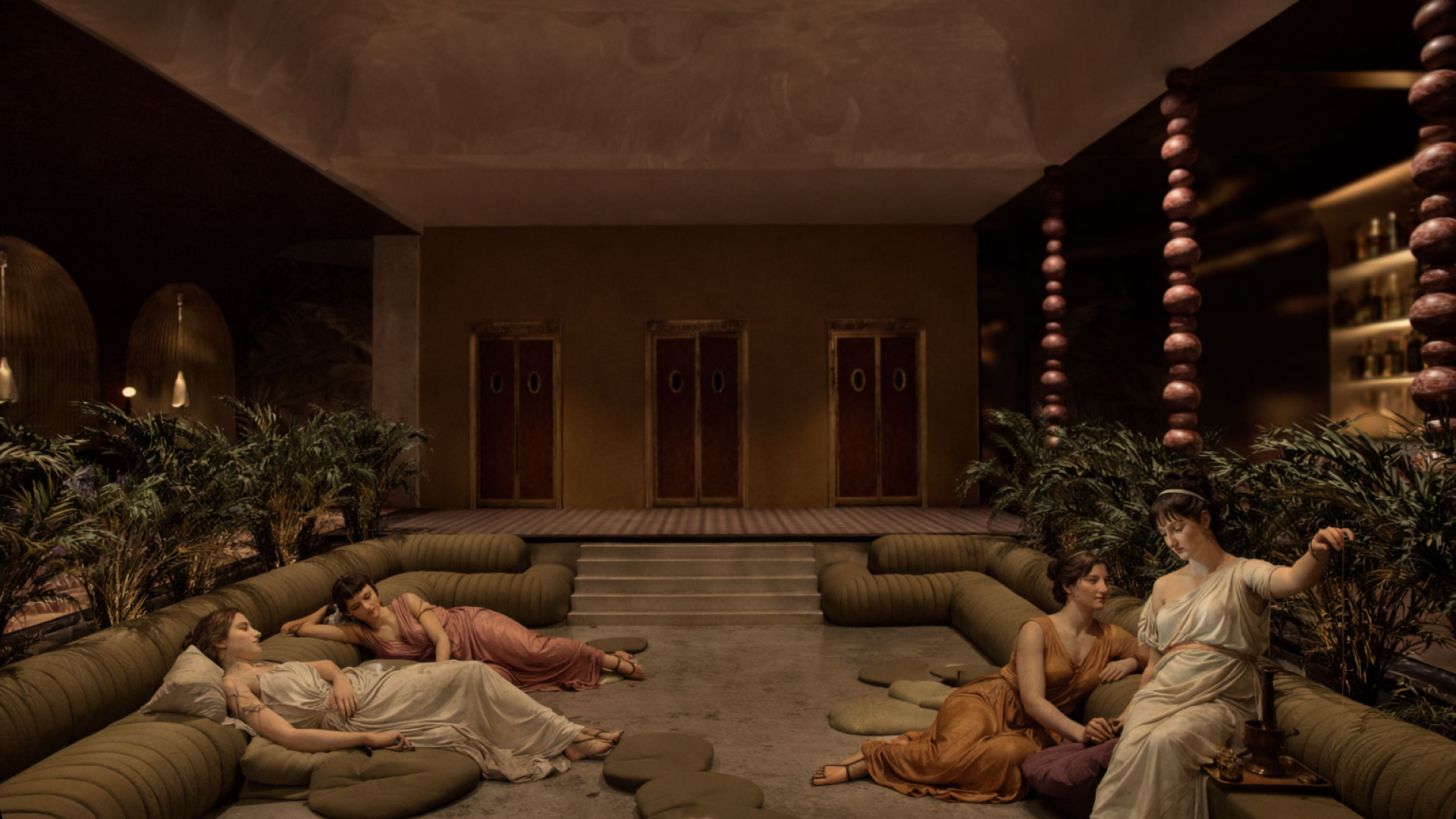
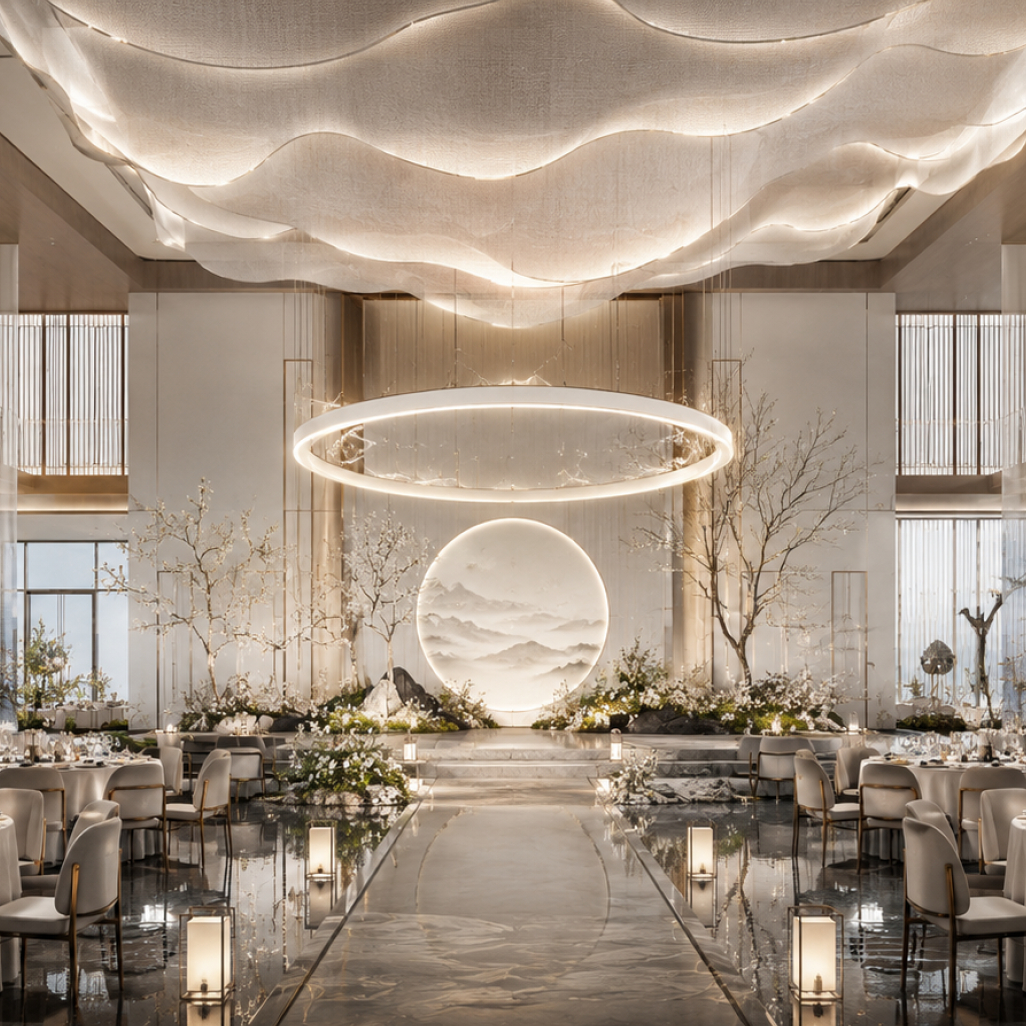
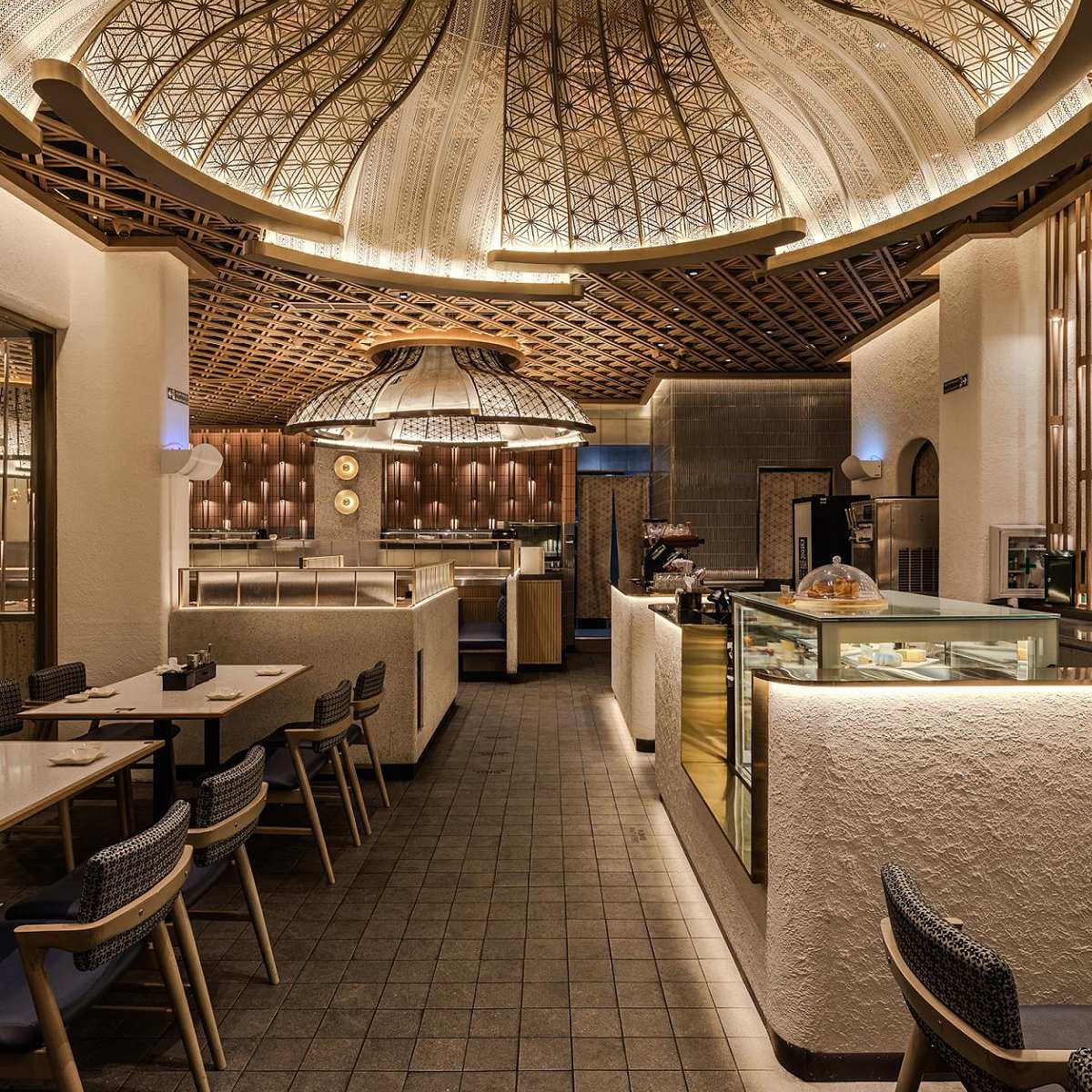
Thistle & Bloom Boutique Hotel reimagines the world of Thumbelina through a contemporary fairytale lens—one...
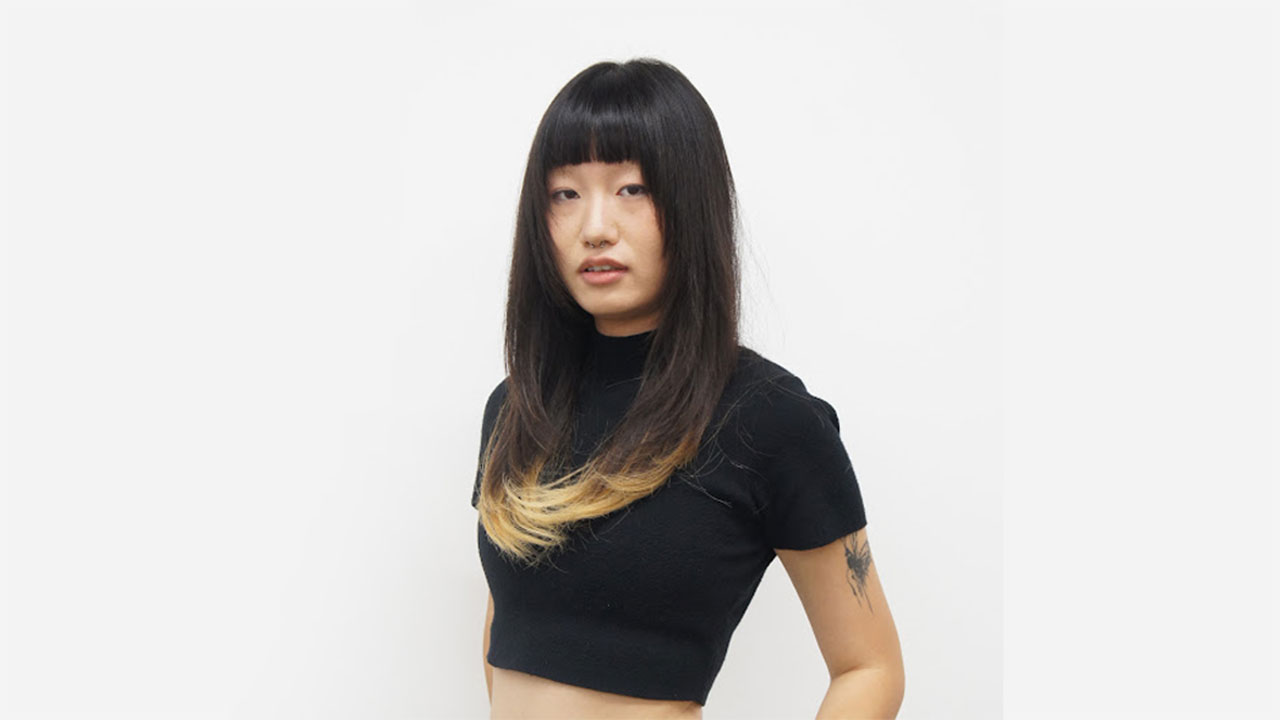
Interior designer Tianyin Yu approaches every space as a story waiting to be experienced. With a foundation in interaction design and advanced studies in interior design at the New York School of Interior Design, Yu combines empathy, narrative, and spatial thinking to create environments that resonate long after visitors leave.
I'm Tianyin Yu, an interior designer currently pursuing an MFA in Interior Design at NYSID after studying Interaction Design at ArtCenter College of Design. My work lies at the intersection of spatial design, storytelling, and human-centred thinking.
I've always been fascinated by how design can influence the way people feel, behave, and remember a place. My background in interaction design taught me to think through empathy and experience, while interior design gave me the opportunity to transform those ideas into immersive physical environments. Bringing these two perspectives together has become the foundation of my design approach.
Receiving this award feels like a meaningful milestone in my journey. It reaffirms that the way I combine interaction design, spatial storytelling, aesthetics, and imagination resonates beyond the classroom.
More importantly, it has given me the confidence to believe that conceptual design can still forge an emotional connection while maintaining a strong spatial narrative. It has encouraged me to continue exploring this direction.
This project marked an important milestone in my educational journey and represents my transition into the professional interior design industry.
The recognition has opened new opportunities to connect with publications, competitions, and design professionals, while giving me greater confidence to pursue hospitality and residential design professionally. It has also strengthened my belief that narrative-driven design has a meaningful place in contemporary interior design.
Experimentation is essential because I rarely know exactly what the final outcome will be at the beginning. I usually start with a strong emotional vision rather than a finished image, and I continue exploring until the pieces begin to come together.
For Thistle & Bloom, I knew I wanted the guest room to evoke the feeling of a walnut shell from the story of Thumbelina. I researched different illustrations of Thumbelina, studied dramatic historical beds, explored organic forms, and gathered references that resonated with me. Over time, those seemingly unrelated inspirations came together to create a design that felt both imaginative and cohesive.
I wish more people understood that there is not just one correct design process.
Different designers solve problems in different ways, but the underlying logic is often surprisingly similar. Interior design is incredibly interdisciplinary, bringing together research, psychology, storytelling, craftsmanship, art, technology, and business. That's what makes it such a powerful medium for expressing ideas.
I think it begins with understanding what is non-negotiable for both sides.
Every project has practical constraints, but I also identify the core idea that I do not want to compromise. Once those priorities are clear, the creative process becomes about finding a balance rather than choosing one over the other.
The biggest challenge was creating a design that was not only visually engaging but also delivered a complete narrative experience.
I constantly asked myself whether each space contributed to the story rather than simply looking beautiful. Every design decision, from circulation and lighting to furniture, needed to reinforce the guest’s emotional journey.
I usually immerse myself in my own creative sanctuary.
Visiting museums, historic buildings, boutique hotels, or simply walking through different neighbourhoods helps me reconnect with physical spaces. I also enjoy studying both contemporary work and historical references because I believe the most interesting ideas often emerge where past and present influences intersect.
Empathy is probably the value that influences my work the most.
I always want to understand how someone will experience a space emotionally before thinking about how it should look. From there, I use imagination to elevate those emotions into something memorable. I believe thoughtful design happens when empathy and creativity work together.
Trust your intuition, but also understand what you do best.
It’s easy to compare yourself with others, especially in creative fields. I think long-term success comes from recognising what makes your perspective unique and continuing to develop it rather than trying to follow someone else’s path.
I would choose William Morris.
His work continues to influence interior design more than a century later because it balances beauty, craftsmanship, and storytelling so naturally. I also grew up surrounded by my mother’s admiration for European countryside aesthetics, so I think his work shaped my visual sensibilities long before I realised it. I would love to learn more about how he translated his observations of nature into timeless design.
I wish people would ask why I create imaginary worlds instead of realistic ones.
Because imagination allows us to reveal emotional truths that reality sometimes cannot.
For me, fantasy is not about escaping reality—it’s about amplifying human emotions. If a fictional world helps someone experience wonder, nostalgia, curiosity, or comfort more deeply than a realistic one, then it has achieved its purpose. That’s the kind of experience I hope to create through my work.