
Design & Inspiration
Through the Eyes of Marcus Fox: Where Raw Energy Meets Visual Story
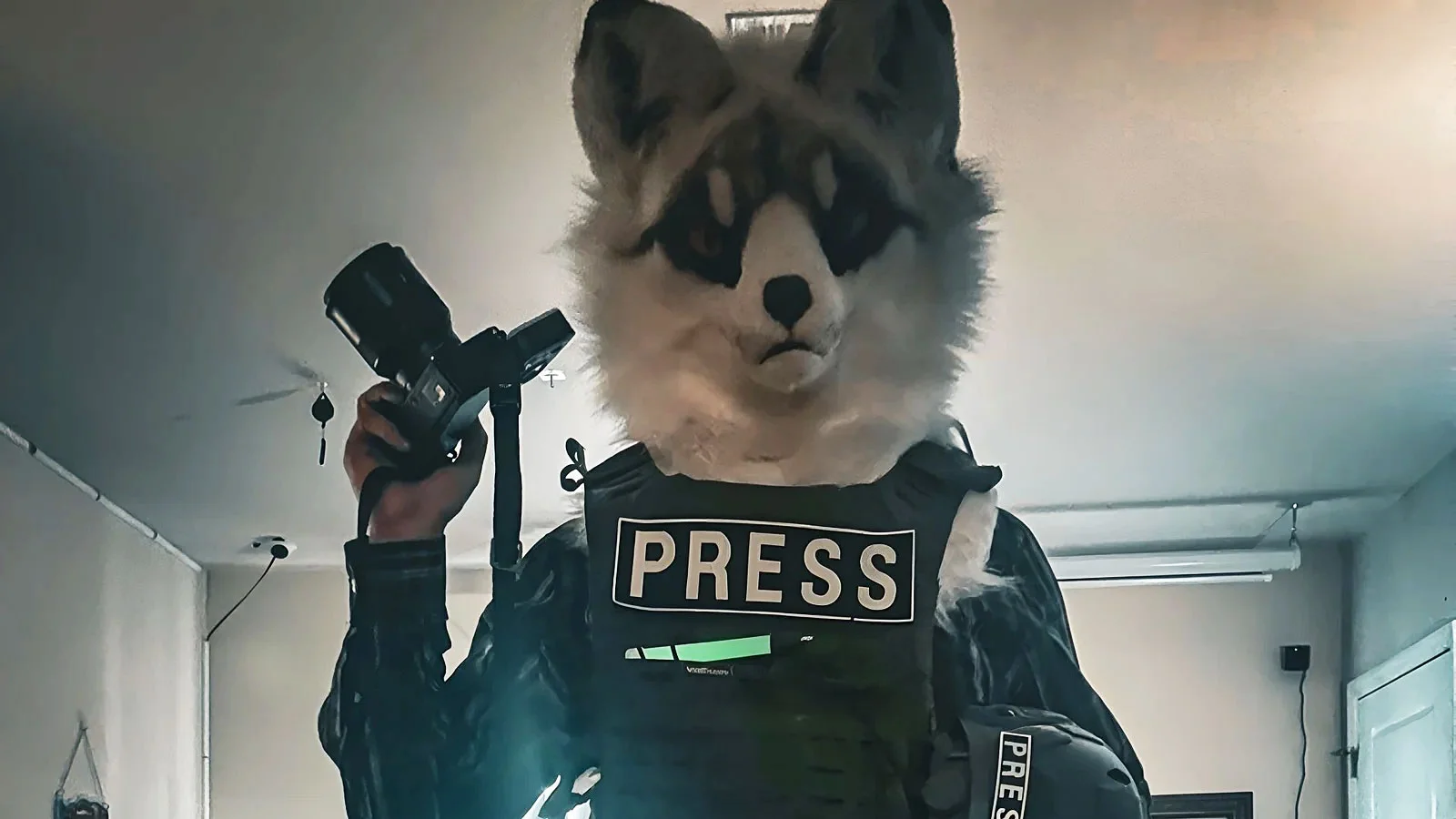
Marcus Fox
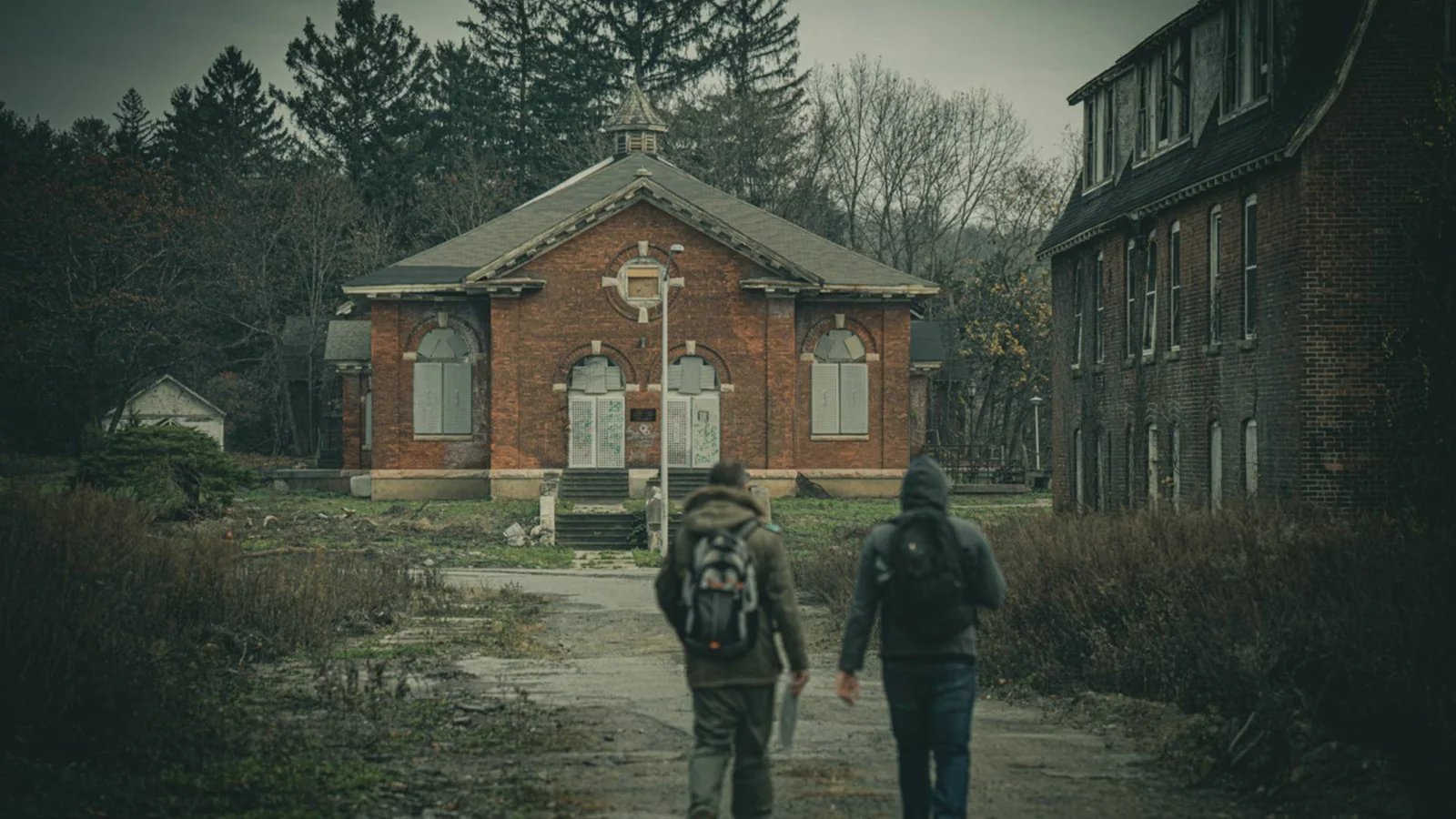
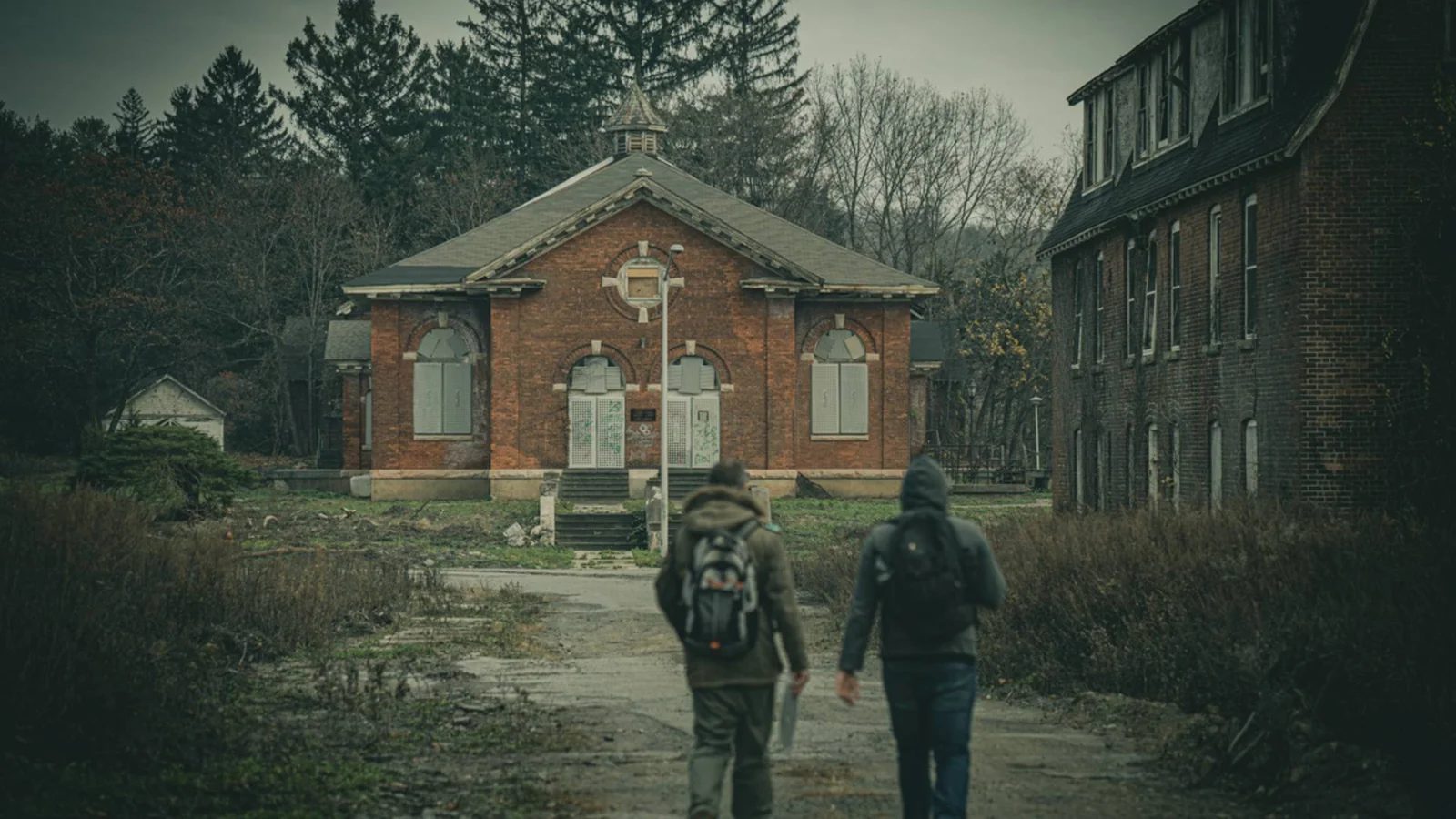
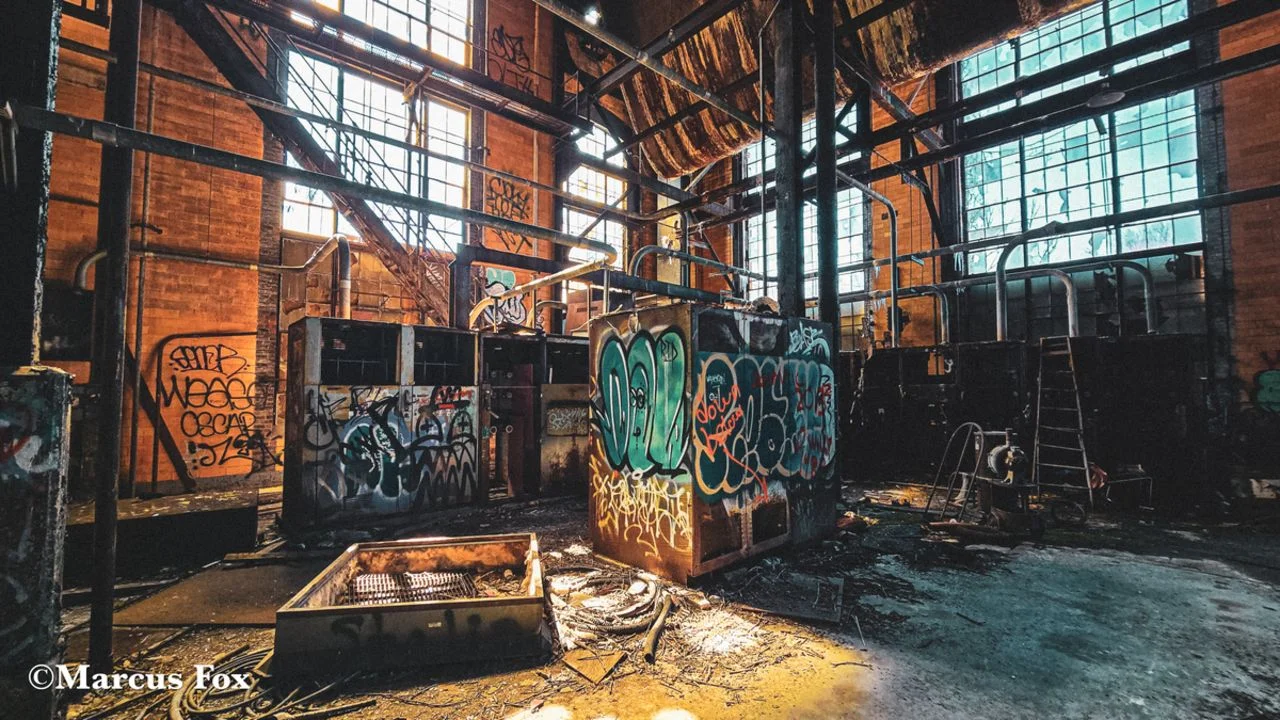
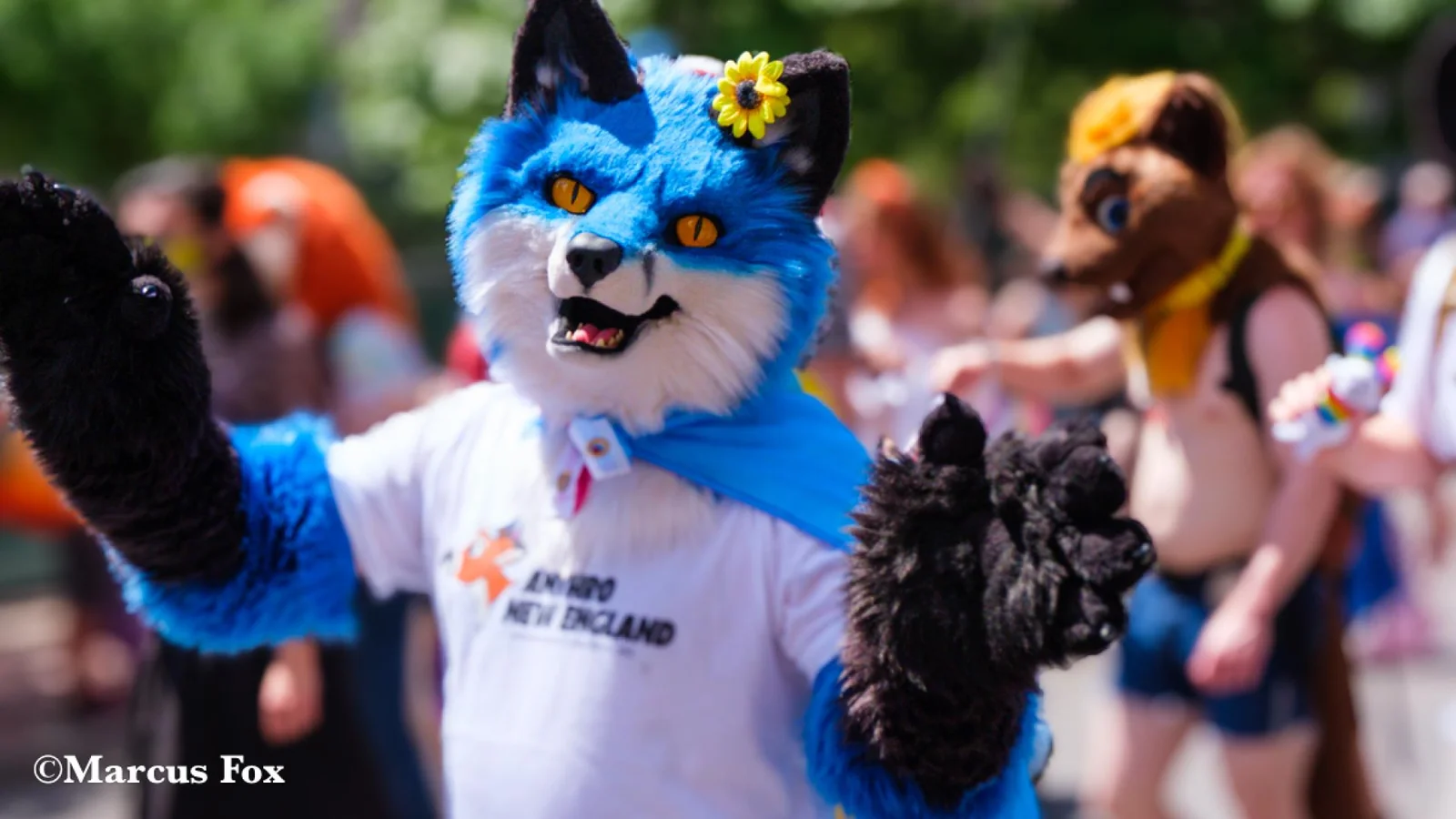
Marcus Fox is a New York-based photographer known for his immersive storytelling and documentary approach to niche subcultures, including airsoft, urban exploration, and furry conventions. Drawing inspiration from cinematic aesthetics and personal history, his work captures the raw intensity of overlooked communities with emotion, grit, and authenticity.
Thank you! I'm a New York-based photographer with a passion for immersive storytelling—particularly within airsoft, urban exploration, and community-based events like furry conventions. I started photography to capture the fleeting intensity of moments that often go unseen. What began with a simple camera and curiosity quickly became a visual journal of people, adrenaline, and authenticity.
Over the years, my work evolved from casual shooting to a more intentional, documentary approach—focusing on moments that tell deeper stories, especially within subcultures often overlooked.
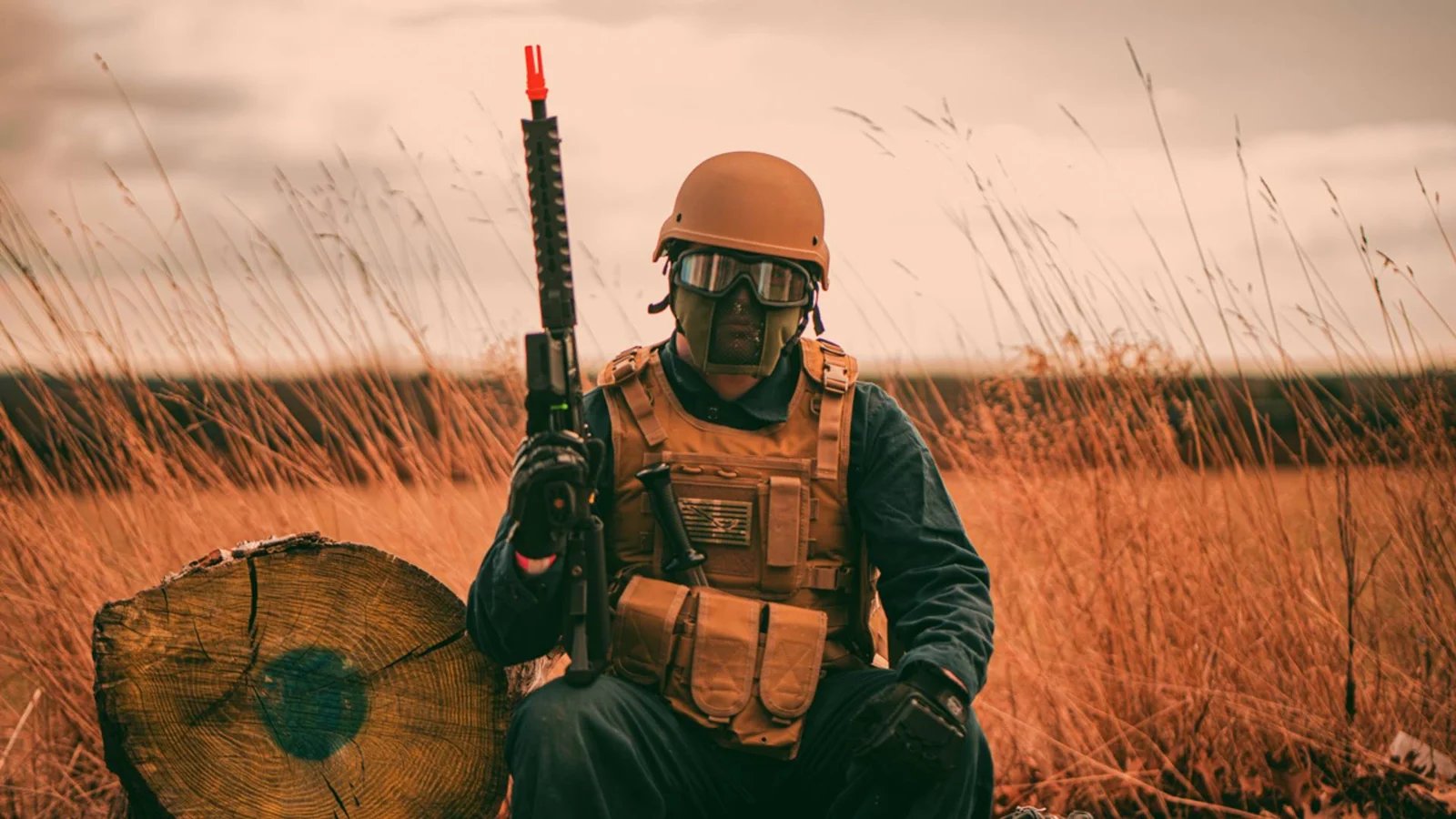
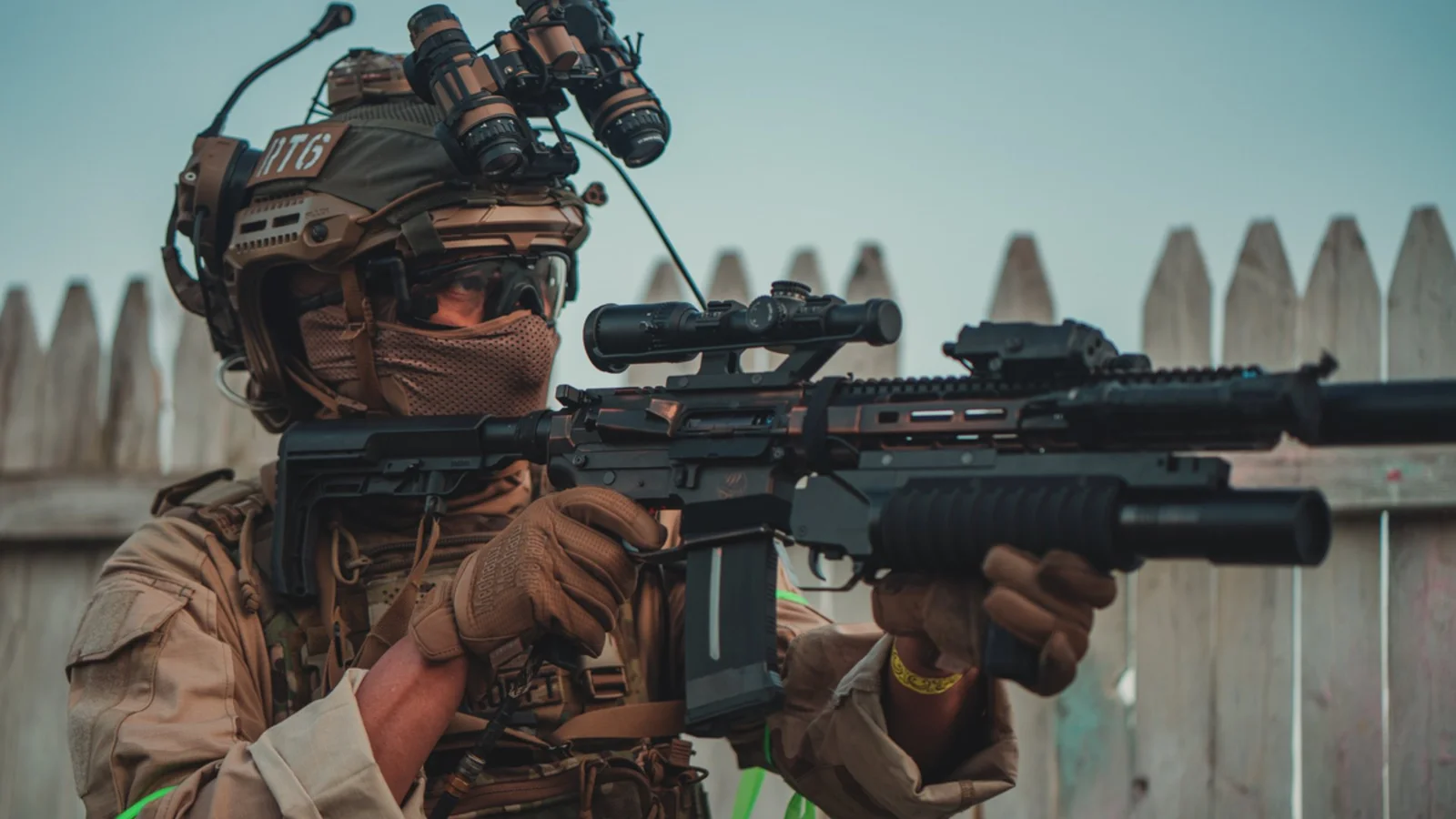
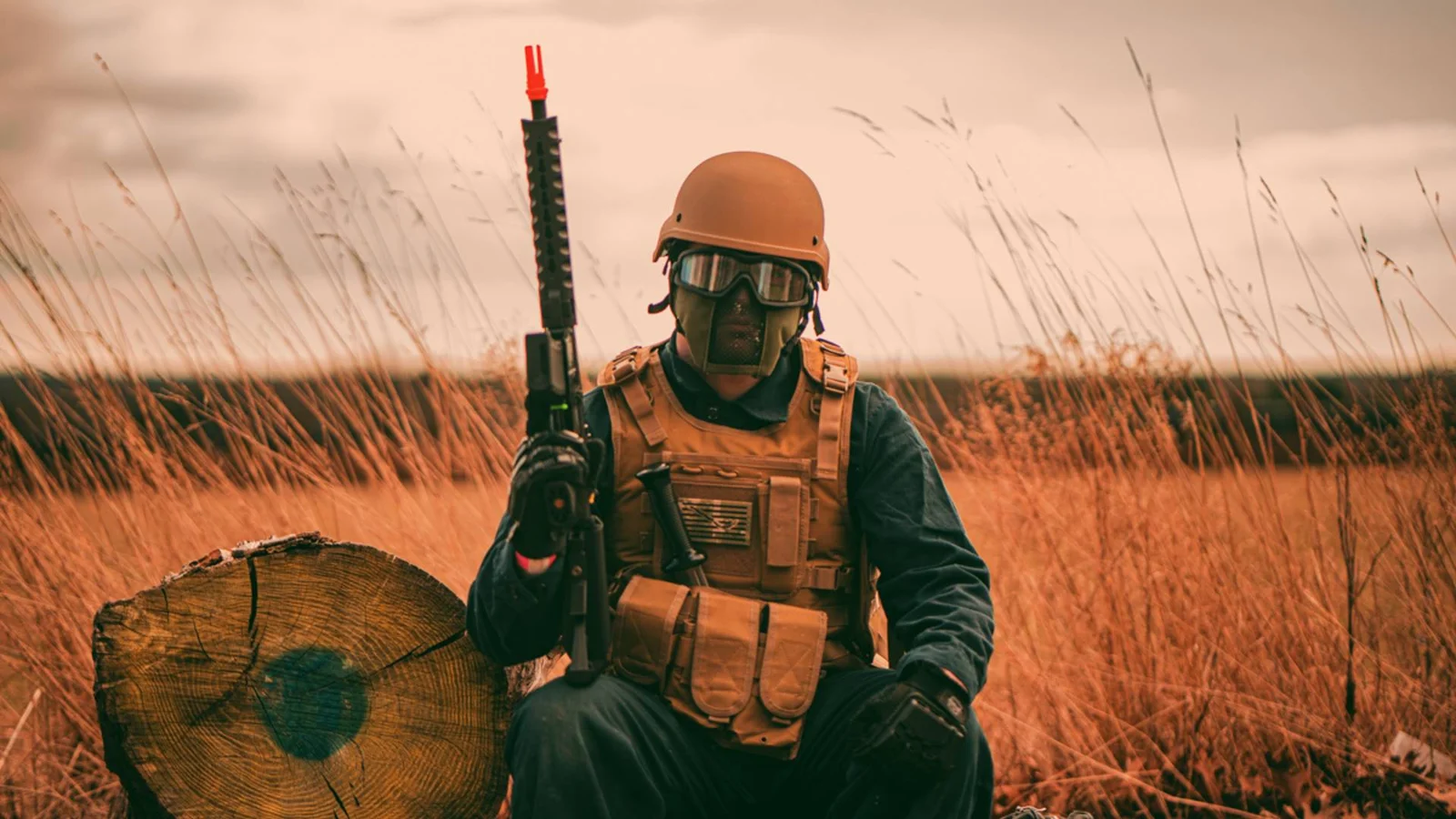
The winning piece was captured during a large-scale airsoft reenactment based on the Benghazi incident. My goal was to blend action photography with emotional intensity—highlighting the camaraderie and chaos in a single frame. It was entirely shot on manual focus using the Batis 85mm, which really forced me to anticipate movement. Winning this award feels like validation—not just of my technical skill, but of my desire to capture humanity in unexpected places.
I look for images that carry both visual strength and emotional impact. If I feel something when I look at it—even months later—then it’s usually a strong contender. I also consider technical excellence, storytelling, and whether the photo feels unique in a saturated field.
It started from a place of grief and preservation. I had friends pass away, and both of my grandparents were living with Alzheimer's. Around the same time, I was struggling with depression, and one of the most painful parts was realising how much of my own memory was fading.
Photography became a way for me to preserve the people, places, and feelings I was terrified of forgetting. It gave me a sense of control—of keeping memories safe, even when my brain couldn't.
Documentary and event photography. I love the rawness and unpredictability. Whether it's a muddy trench at an airsoft event or a quiet emotional exchange at a convention, there's something compelling about honest moments in uncontrolled environments.
I use both the Sony A7C II and the A9 III. The A7C II is compact, discreet, and ideal for urban and low-profile shoots, while the A9 III is a powerhouse for high-action environments like airsoft and live events. Together, they give me flexibility without compromise. My favourite feature on the A9 III is the global shutter—it lets me capture fast-moving subjects without distortion or blackout, which is a game-changer in dynamic environments.
Connection. Even in chaotic or niche environments, I want viewers to feel something real—whether it’s adrenaline, intimacy, or vulnerability.
Lighting and timing. The event stretched into the night, and I had only seconds to capture action in low light while also staying mobile and out of the players' line of fire. Manual focus added another layer of difficulty—but also precision.
Subcultures and fringe communities. There’s so much sincerity and richness in the spaces people create for themselves. I’m most inspired when I’m invited into those worlds.
Oddly enough, a film—Civil War by A24—had one of the strongest impacts on me. It wasn’t just the cinematography; it was how the camera itself became a voice in the story. It explored the role of the photographer in conflict, the ethics of bearing witness, and the emotional toll of documenting chaos. It helped me understand that photographers aren’t just observers—we’re often the bridge between memory and history. That idea completely reframed how I approach my work.
Don’t disqualify yourself before you even submit. The right photo might not be the “prettiest”—it’s the one that stays with someone. And always be intentional with your selection. Know what your photo says and let it speak boldly.
Shoot what makes your heart race. Don’t worry about gear at first—focus on capturing emotion and building your eye. Everything else comes with time and experience.
Editing is where I finish telling the story. I keep it grounded in realism—mostly colour grading, exposure balancing, and cropping. My philosophy is to enhance, not alter.
AI is already reshaping editing and archiving—but the soul of photography still comes from the human behind the lens. I use AI tools sparingly, primarily for workflow efficiency, but I always want the emotion to be human-driven.
I’d love to document humanitarian rescue teams or embedded field medics—people doing vital work under pressure. There’s something powerful about capturing courage in its rawest form.
Winning Entries
Gallery
Read more insights with Lucas Dragone: Where Theatre & Photography Converge here.
ADVERTISEMENT

Latest Posts

Maxim Hair Restoration Is Shaping a New Era of Personalized Hair Re...
SEPTEMBER 30, 2026
MoMo.Co.,Ltd. Creates a Refined Dining Environment for Sushi Tei Jawa
SEPTEMBER 28, 2026
2026 Global Photography Awards Reveals Photographers of the Year an...
SEPTEMBER 25, 2026
How Many Awards Should You Enter? (Strategy Guide)
SEPTEMBER 23, 2026
Interactive Light Installation: Before Fish Become Birds Creates a ...
SEPTEMBER 22, 2026
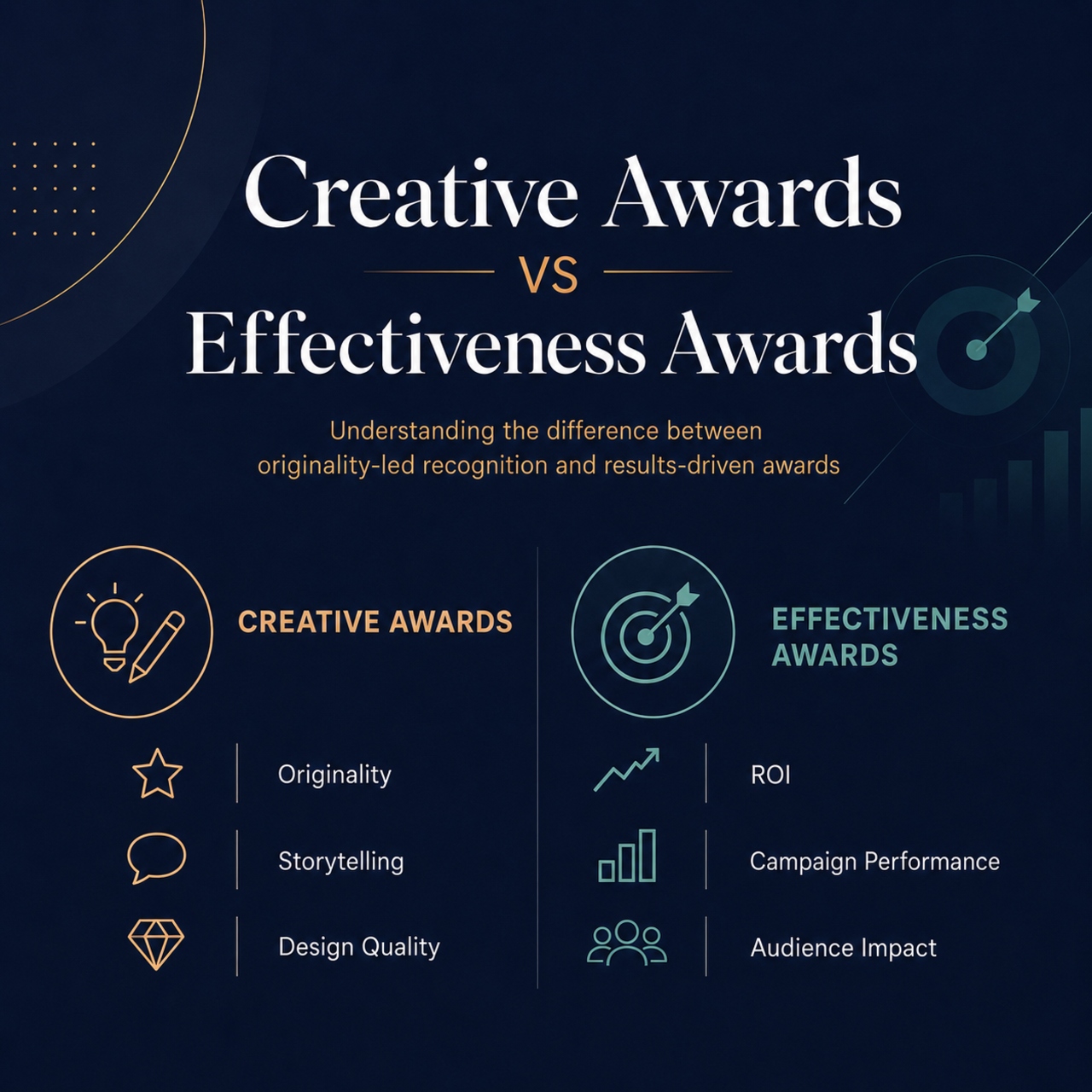
Creative vs Effectiveness Awards | Key Differences Explained
SEPTEMBER 21, 2026

Tonic DNA Brings Highmark’s (un)Hungry Community Story to Life Thro...
SEPTEMBER 17, 2026
Marketing Awards for Startups | Small Business Awards Guide
SEPTEMBER 16, 2026
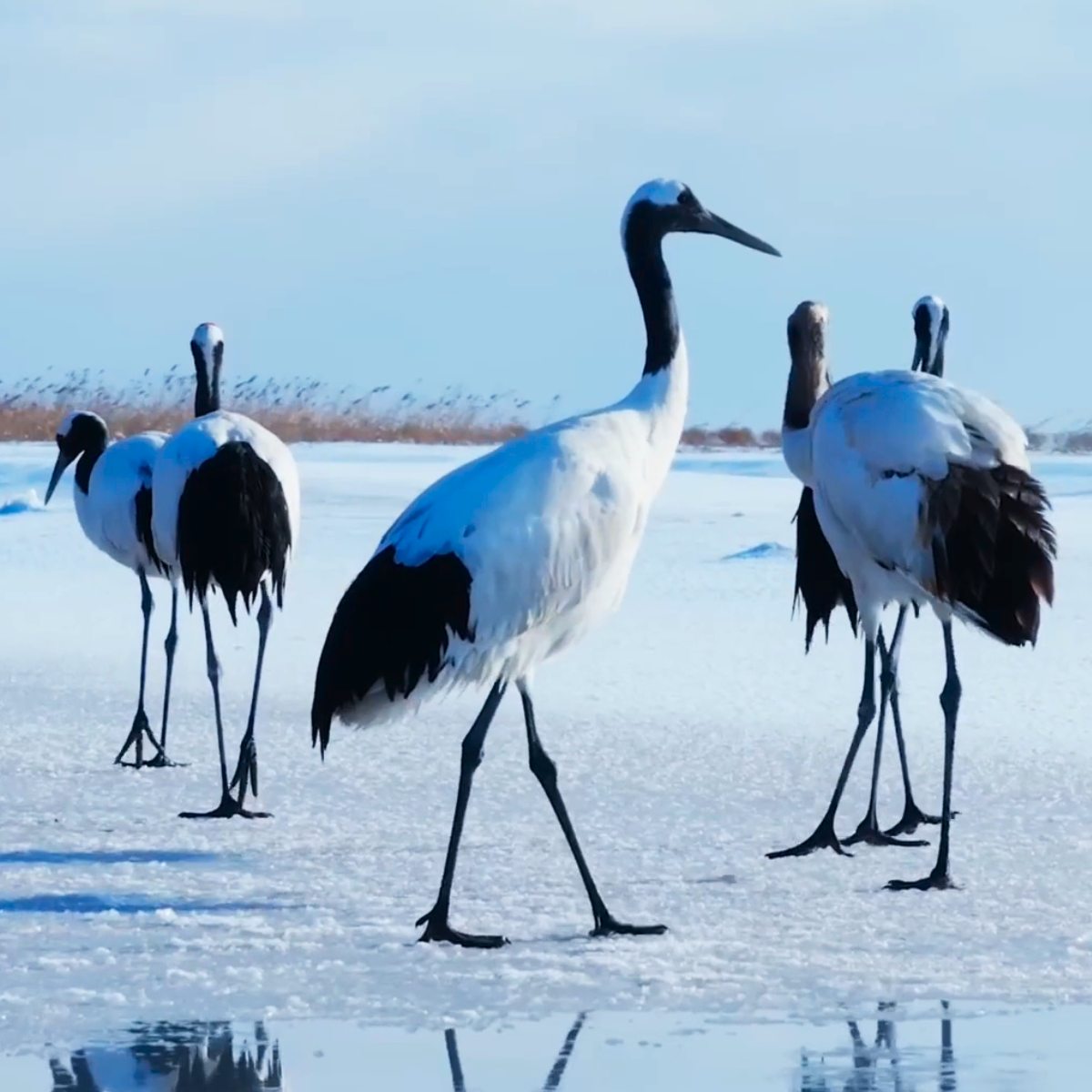
National Geographic, SDRATS & CICC Capture Life at the Yellow River...
SEPTEMBER 16, 2026

2027 French Design Awards Opens Global Entries for Design Excellence
SEPTEMBER 15, 2026
IAA GLOBAL AWARDS
MUSE Awards
Vega Awards
NYX Awards
TITAN Awards
- TITAN Business Awards
- TITAN American Business Awards
- TITAN Property Awards
- TITAN Women in Business and Leadership Awards
- TITAN Health Awards
- TITAN Innovation Awards
- TITAN Brand Awards