EcoTek Vista
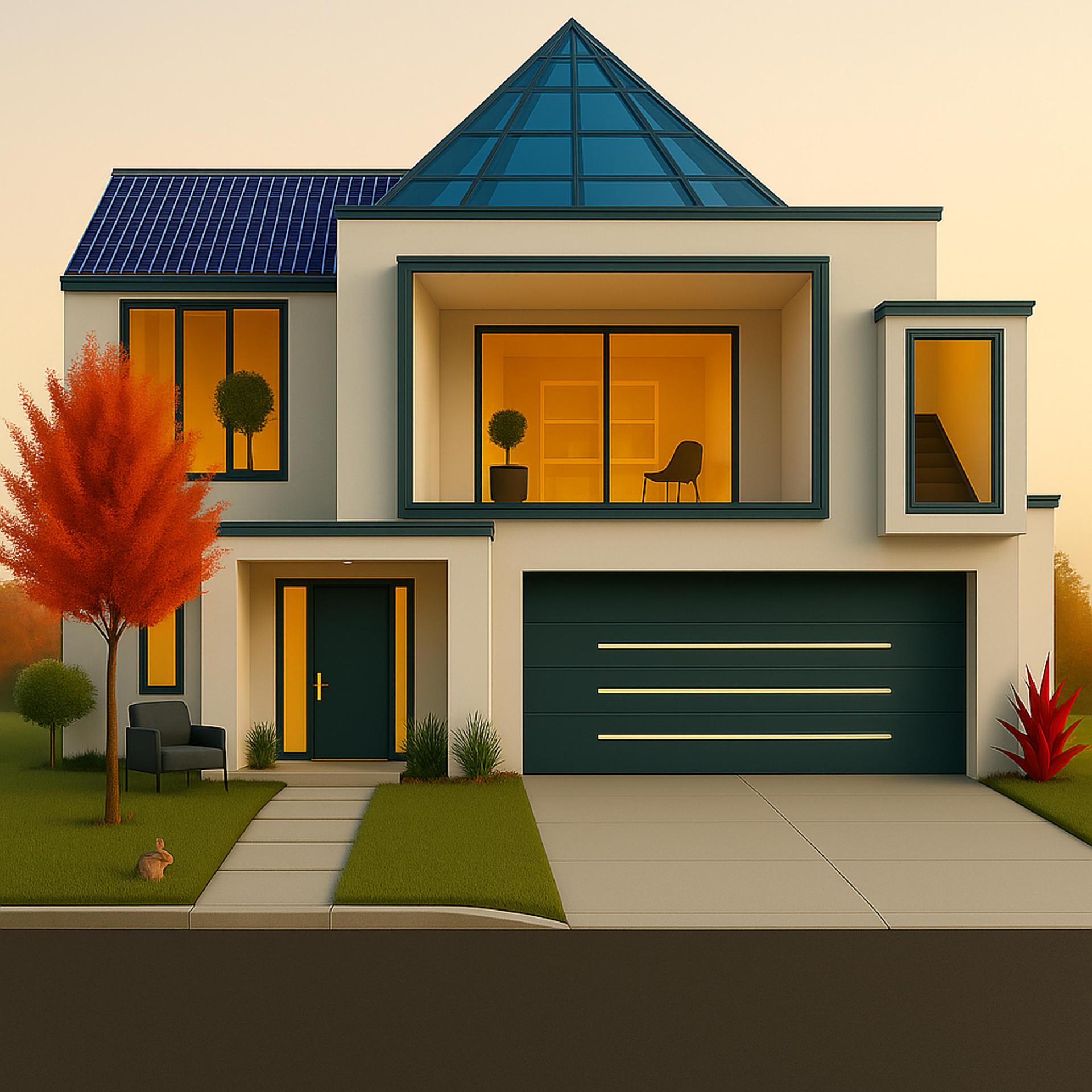
EcoTek Vista is a next-generation smart home concept blending sustainable materials, advanced technology, and emotionally...

For Ramakanth Evani, good architecture should breathe with its surroundings, reacting with subtle intelligence to the conditions around it. He follows an approach shaped by patience, simulation, and environmental awareness, building places that feel attentive, efficient, and grounded in both local materials and thoughtful digital systems.
To show how architecture can move beyond static form into living, context-aware environments. The project explores spaces that respond to weather, time, and presence, shaping personal experience through adaptive intelligence. The NY Architectural Design Awards’ focus on nature, technology, and human impact made it the right stage.
EcoTek Vista: a harmony of ecological awareness and advanced intelligence. The aim is “quiet intelligence,” where technology recedes so people feel serenity, not circuitry.
I began in technology and human–computer interaction. What started as a hobby grew into a practice of aligning digital systems with physical well-being through architecture.
Designing environments that listen to people and the planet, then quietly adapt.
Embedding sensors within natural materials without visual noise. The constraint improved the work, pushing subtle integration—like veins in a leaf.
Begin with how people should feel. Sketch, simulate, and iterate until function and stillness align. Stop when the space feels “alive” and balanced.
Adaptive, serene and intelligent.
People note a natural-yet-futuristic blend of nature, structure, and technology achieved through coherence and eco-integration.
Affirmation that architecture can evolve from aesthetics to awareness, and connection to peers who see space as a living dialogue with nature.
It strengthens my independent research voice and invites deeper collaboration across AI, materials, and environmental psychology.
A “Conscious Habitat”: a home that learns patterns of energy and attention, adjusting light, temperature, and acoustics to support calm focus.
Toward responsive, sustainable, emotionally tuned spaces. I’ll contribute prototypes that fuse AI ethics, environmental science, and human-centric design.
Prioritize passive energy flow, local materials, and sensor-guided optimization. Encourage mindful use so sustainability follows from awareness.
A floating retreat powered by the sun that cleans air and water, changing gently with the sky.
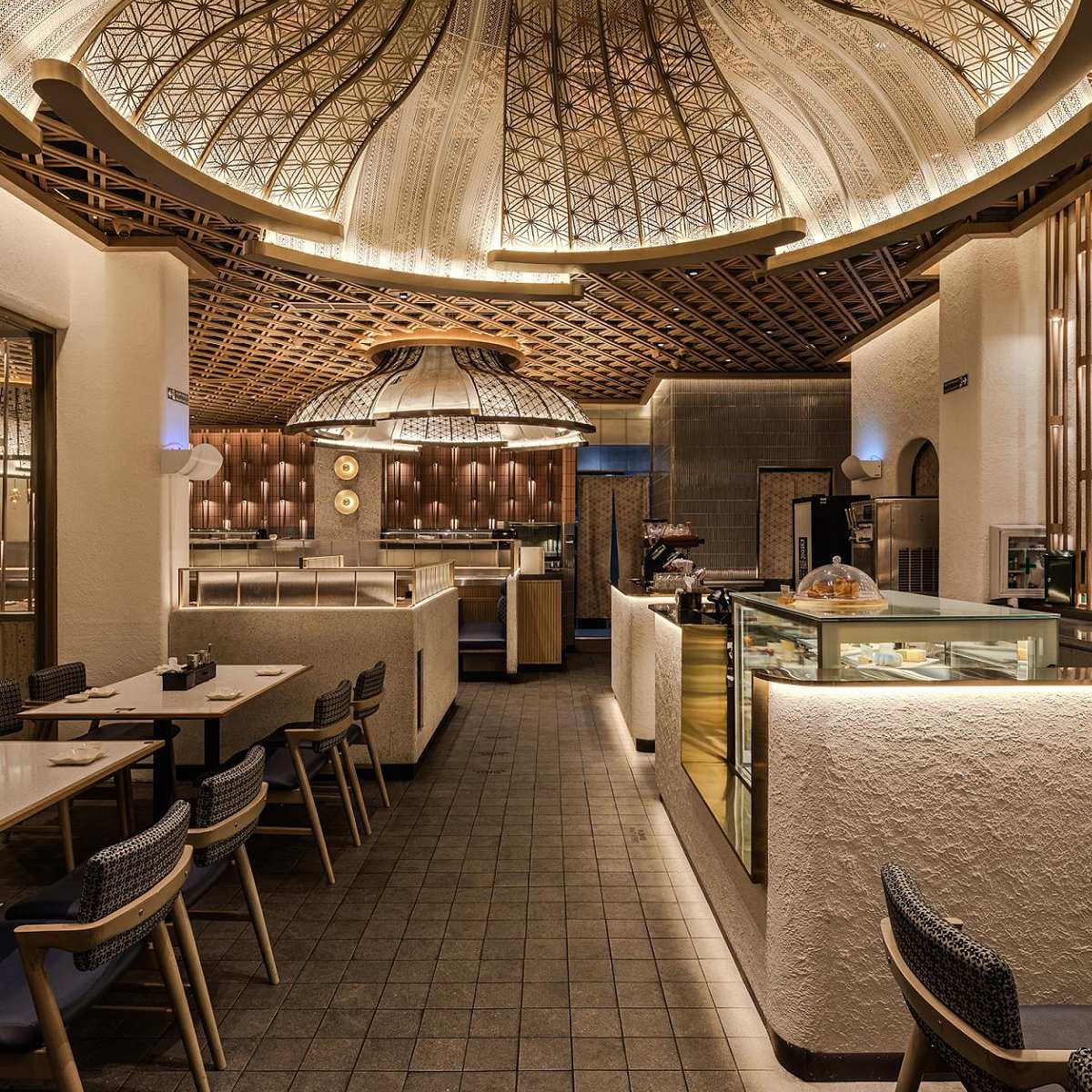
Discover and read another architectural design interview through Lighting the Heart of a Space in Interior Design with Min Jun Liao here.








.jpg)