Illuminated Majesty | 2024 New York Photography Awards
In this photograph, I aimed to portray the Tokyo Metropolitan Government Building as a symbol...
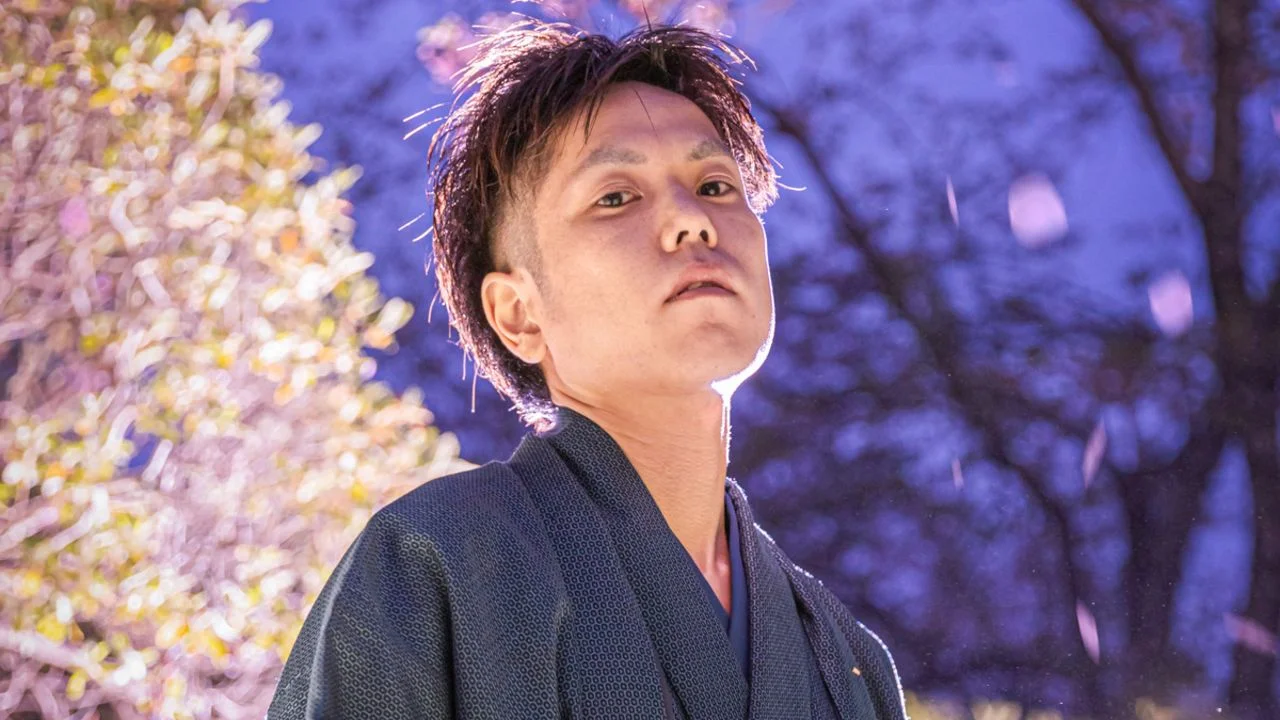
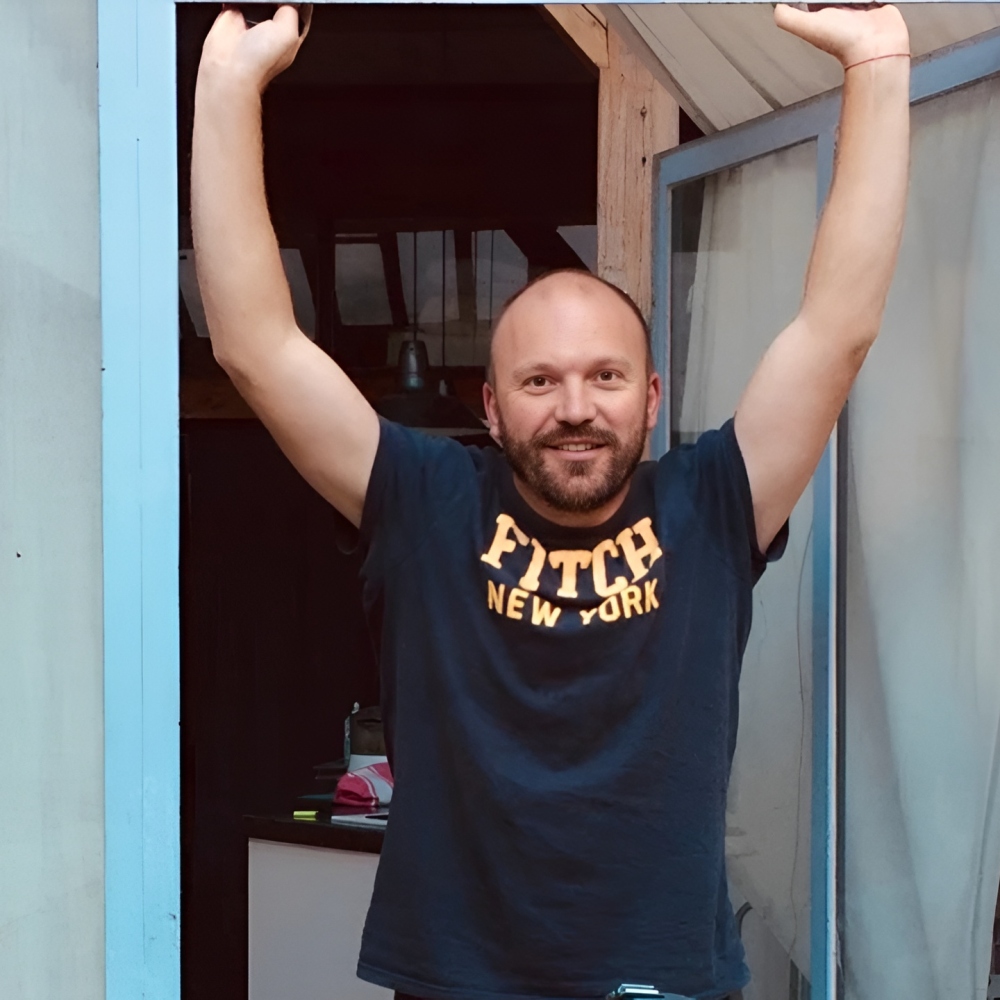
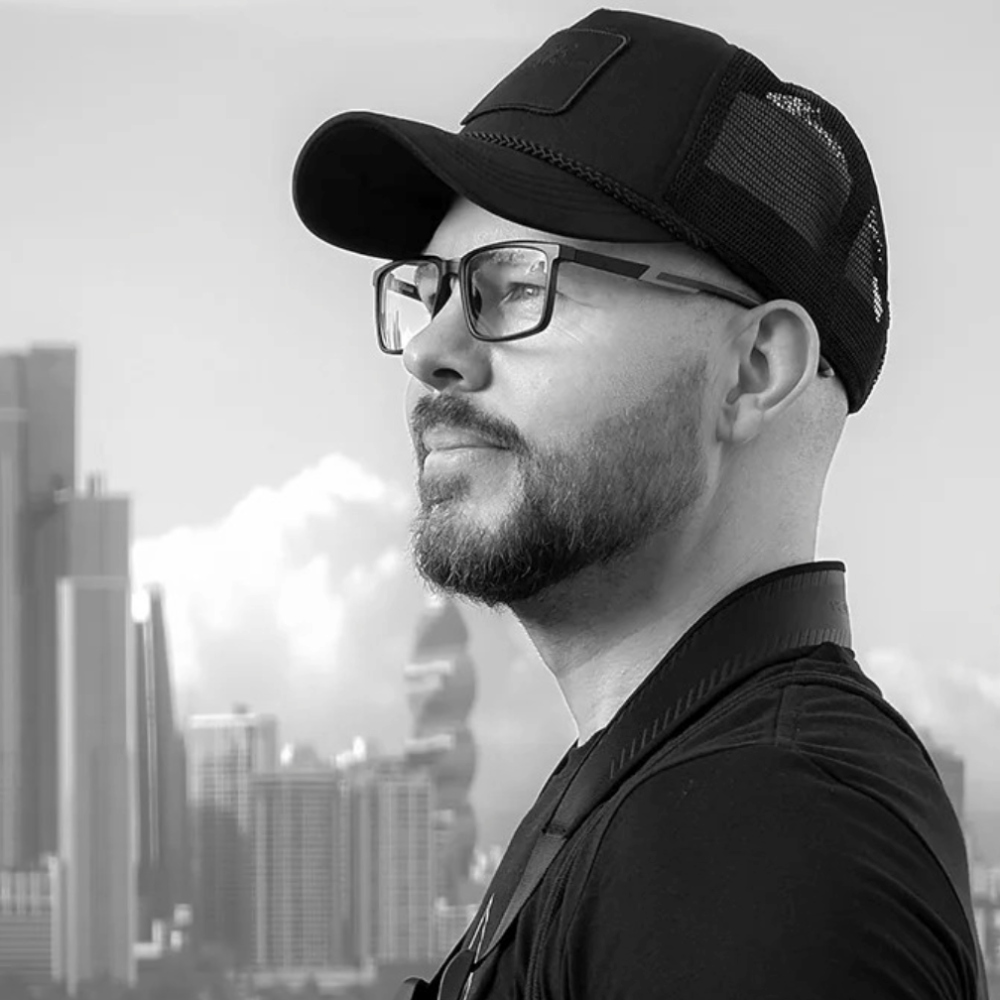
Aliace Uesan is a Japan-based photographer whose work reframes the everyday by placing the familiar in unfamiliar contexts. Starting with a telescope and a fascination for observation, his practice has evolved into a quiet challenge inviting viewers to pause, unsee, and look again.
I'm a photographer based in Japan, driven by a desire to reframe the familiar. My journey started with stargazing through a telescope, but the impulse to preserve what I saw led me to photography.
Since then, I’ve explored various genres—from cityscapes to cultural subjects—always with the aim of offering perspectives that feel both unexpected and intentional.
I’m largely self-taught. My approach is shaped by practical trial and error, supported by deep analysis of award-winning works and critical feedback. I often learn by reconstructing scenes in my mind, questioning not just how an image was made, but why.
Yes, I do. I bought my first camera specifically to photograph the stars. That very night, I attempted a star trail shot from my home in the city. Despite the heavy light pollution, the long exposure revealed vivid trails across the sky, and I remember feeling unexpectedly elated. It wasn’t technically perfect, but that excitement marked the beginning of everything.
My main setup is a Nikon Z6II with the NIKKOR Z 135mm f/1.8 S Plena, ideal for architectural depth and tonal control. I also use the FUJIFILM X-T3 and Google Pixel with ND filters to test expressive limits across formats. Each tool is selected based on how it serves the vision, not its specs.
I aim to question assumptions—both visual and cultural—by creating works that shift familiar subjects into unfamiliar contexts. If I can make the viewer pause, reconsider, or rediscover something they thought they already knew, then I’ve succeeded.
Someone once told me, “Your photo didn’t just show the place—it made me feel like I was standing inside your thought process.” That meant more than any technical praise. It acknowledged the invisible architecture behind the image.
I’m inspired by the disconnect between form and perception. Architecture may be fixed, but our experience of it isn’t. I look for moments where light, angle, or rhythm creates a tension between what a place is and what it could mean.
Winning at the New York Photography Awards affirms the value of architectural expression that balances restraint with power. It’s not just a personal honor—it signals that minimal yet intentional visual strategies can resonate globally. For me, it’s a reminder that subtlety is not weakness, but strength.
The winning piece, Illuminated Majesty, captures the Tokyo Metropolitan Government Building bathed in bold red light. I chose a low angle to emphasize its commanding presence and layered modernism. I entered this work because it symbolized my ongoing pursuit: making architecture not just seen, but felt—deeply and immediately.
Winning awards has given my work visibility beyond borders, but more importantly, it has sharpened my internal compass. Each submission forces me to clarify what I stand for, and each award reminds me that photography is not just about seeing—but about asserting meaning.
Honestly, I didn’t start with any particular photographers in mind. I didn’t want to build my vision on someone else’s. From the beginning, I was focused on constructing images through my own experimentation—testing exposure settings, lighting, and timing through repetition, and learning how changes affected the final image. That became my foundation.
I actually didn’t receive advice from a mentor—I chose to learn through direct experience. I wanted to understand not just “what works,” but “why it works” by seeing the results with my own eyes. That mindset—of constant testing and reflection—taught me far more than any single piece of advice could.
Start by absorbing, then subtract. Learn everything you can—then gradually let go of what doesn’t belong to you. The goal isn’t to imitate but to reveal your way of seeing. That takes time, but it’s worth it.
Curiosity paired with discipline. Success doesn’t come from chasing recognition—it comes from showing up, over and over again, with intent. Make every image answer the question: “Why does this need to exist?”
I try to stay a beginner in at least one area at all times—whether it’s a new genre, technique, or perspective. Humility sustains growth. I also ask myself regularly: “Have I started making safe images?” If the answer is yes, I disrupt the routine.
0Photography is often described as a visual language, but I see it more as architectural thinking applied to perception. My process is not just about images, but about constructing how an audience engages with what they see.

Read the interview about Photographer Alessio D'Addato | A Minimalist's Storytelling here.