
Design & Inspiration
What Still Stands | The Heritage Photography of Joseph Durocher
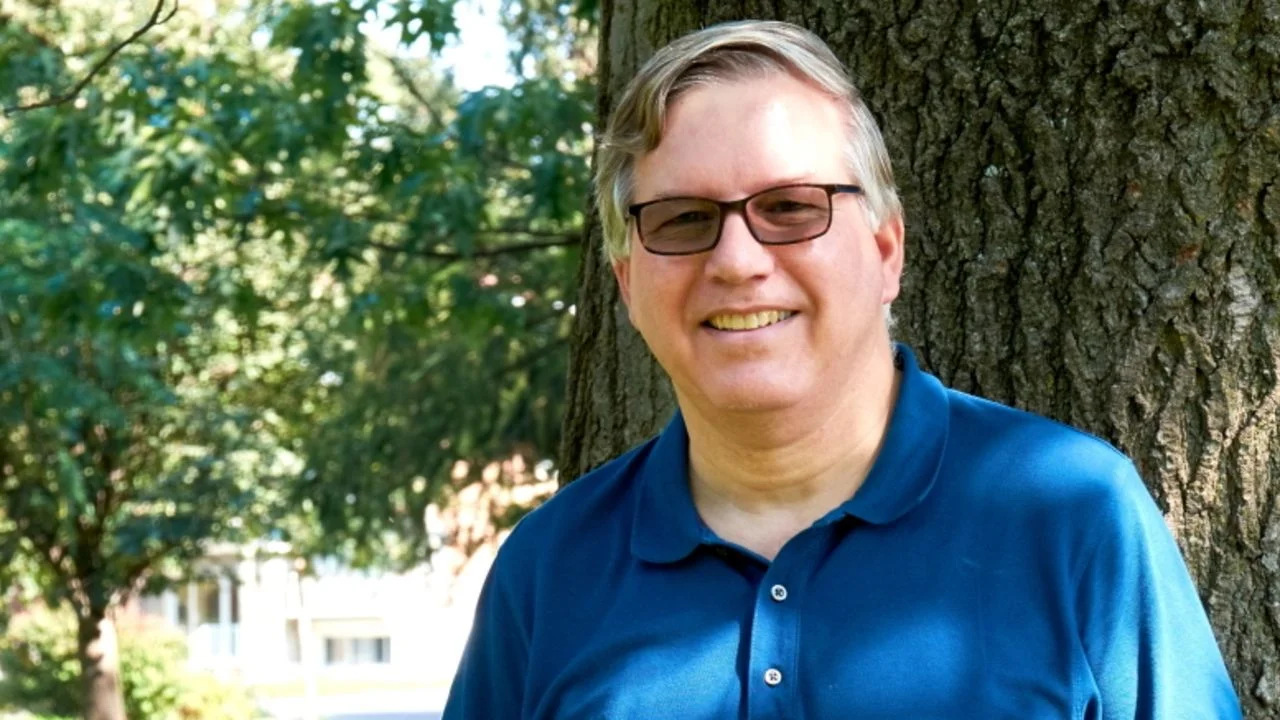
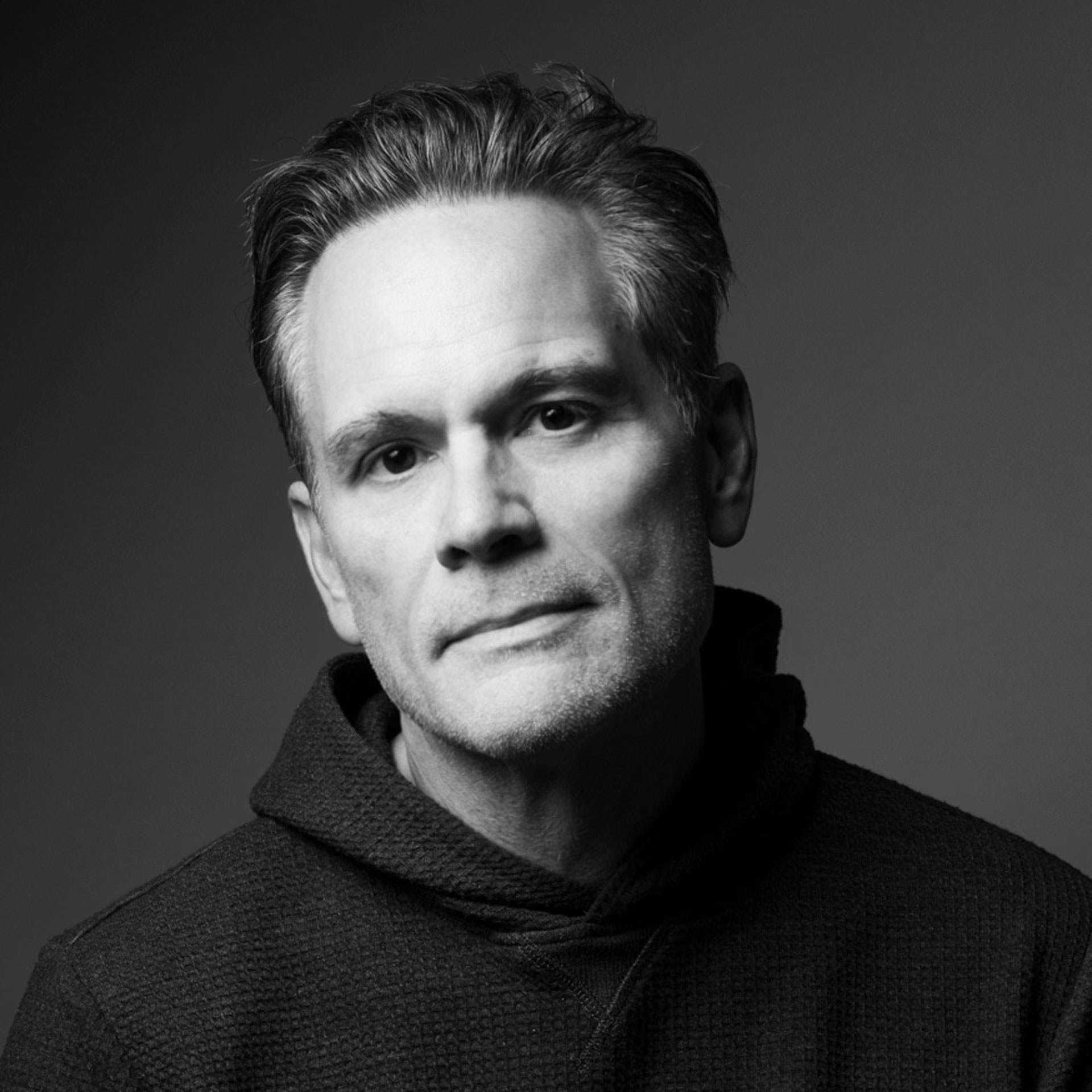
Joseph Durocher
Joseph Durocher is a photographer whose work centres on architecture as a vessel of memory, exploring the quiet beauty of spaces that hold cultural and historical weight. Through texture, detail, and atmosphere, he aims to evoke a sense of care for what still stands—and what one risks forgetting.
Thank you — it’s an honour. I picked up a camera in my early teens and haven’t stopped since. Photography has become a quiet but powerful way for me to connect with history, and to share what’s often forgotten in the built world around us.
I’m especially drawn to architecture as a vessel of memory — each detail, each texture speaks of time, care, and the cultural stories we risk losing if we stop looking.
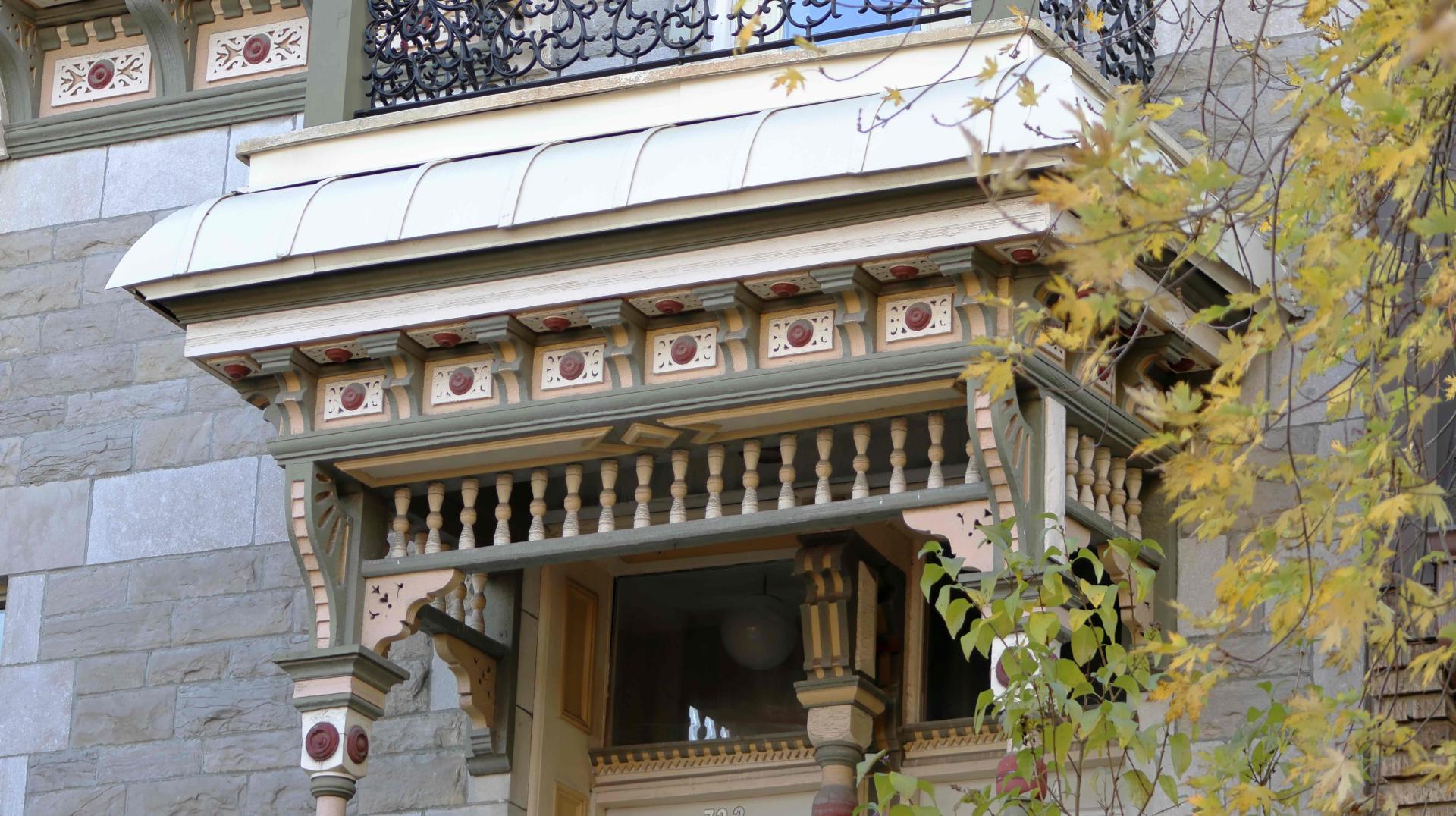
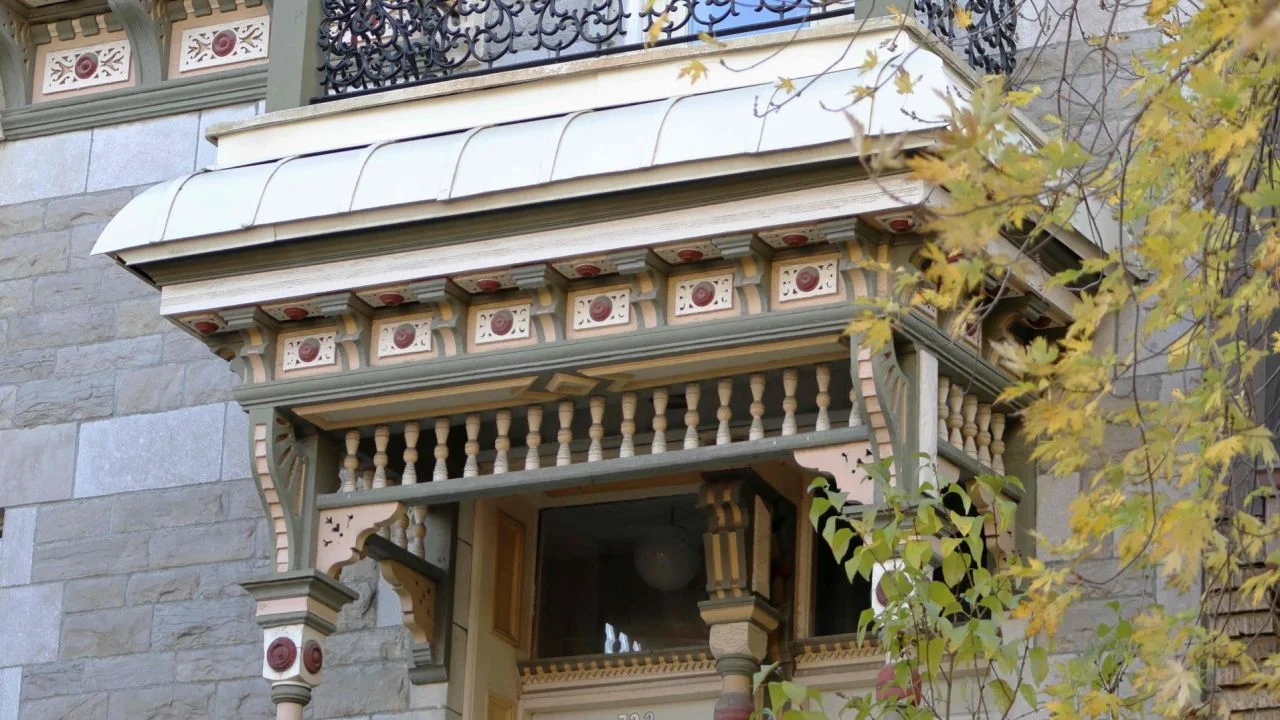
This balcony, tucked in the Saint-Henri neighbourhood of Montréal, tells a quiet story of working-class pride and craftsmanship. I was drawn to its layered textures and the care embedded in every detail — a vanishing language of ornament and memory. Winning this award feels like a quiet affirmation that these overlooked histories still speak.
I look for an image that feels complete — visually compelling, but also carrying a quiet sense of meaning. It has to resonate beyond aesthetics, inviting someone to pause, to feel something, to look again. If a photograph holds both emotional weight and a certain timelessness, then I know it’s worth sharing.
I was very young, and the memory feels almost like a photograph — a blur of light, curiosity, and quiet excitement. What truly stayed with me was the darkroom: using an enlarger, watching the image slowly appear on paper. That mix of control and surprise felt like magic — the sense that I was bringing something to life, one detail at a time. It still feels that way today.
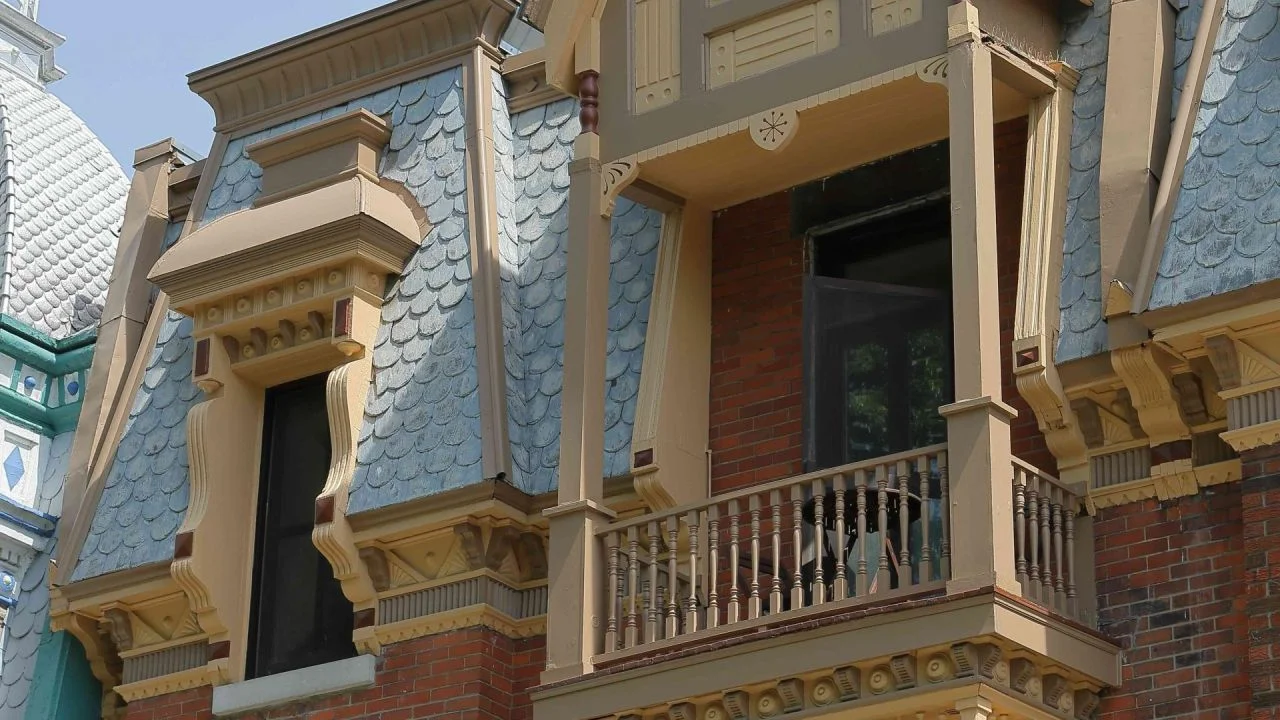
My favourite type of photography is architectural, especially heritage architecture. I'm drawn to places that carry the weight of time — buildings that speak through their textures, their imperfections, their silence. For me, photography is a way to preserve what is slowly vanishing, and to honour the beauty and dignity of spaces that shaped lives but are often overlooked today.
Presently, I use a Canon mirrorless camera, the Canon EOS R7. My most versatile lens is the 24-105 mm, but I also use other lenses, depending on what I am looking for or what the circumstance seems to suggest. In addition, I play a lot with the exposure compensation feature in my camera: it allows me to make slight adjustments and see the difference, without having to do more major changes.
I’d want them to feel a quiet connection — a sense of care for something that still stands, yet could so easily be forgotten. I hope my photographs awaken tenderness for the traces left behind: the textures, the details, the stories held in wood and stone. Heritage isn’t only about the past — it’s about what we choose to carry forward. There’s a responsibility in seeing, and even more in remembering.
What challenged me most was capturing the soul of the balcony — its intricate carvings, its fading colours, the quiet elegance it still holds. I searched for an angle that wouldn’t just frame it, but invite the viewer in — to wonder, to feel, to sense the silent story etched in every curve of the wood.
I’m most inspired by places where time has quietly settled — neighbourhoods with layered histories, especially those shaped by working-class life. I’m drawn to façades that still bear the marks of care, tradition, and resilience. Documenting patrimonial heritage isn’t just about preservation — it’s about honouring the dignity of spaces that carry memory, and making sure their voices continue to be heard.
Yes, there have been photographers who’ve inspired me, but what moved me most was walking through these neighbourhoods — seeing the textures of time, the fading beauty of neglected façades. I couldn’t stay passive. The streets themselves became my greatest influence — they called for attention, for care, for memory. That’s what led me to photograph them with such intention.
Don’t be afraid to share your work — have confidence in your vision, and in the story your images are telling. Choose photographs that truly represent who you are as an artist, not just what you think a jury wants to see. Awards are not just about winning — they’re about showing up, standing by your work, and letting it speak. That in itself is powerful.
Have confidence in your own vision, and don’t try to imitate what’s already been done. The most meaningful work comes from what truly resonates with you — not just visually, but emotionally. Follow that feeling, and your voice will emerge naturally.
Personally, I do not like it when I see that some photographers seem to do too much post-processing. In my case, the editing and post-processing are minor: some adjustments in tone or contrast, or a slight change in hue, nothing major. The beauty of the photography should be present from the start; otherwise, is it really the photographer's work?
I’ll continue using my camera the way I always have — with intention, curiosity, and care. AI might assist with technical aspects in the future, like settings or workflow, but I believe the soul of photography lies in the human gaze: in what we choose to see, frame, and preserve. That said, as AI becomes more present, we’ll need to stay mindful of authorship, authenticity, and the stories we’re choosing to tell — or replicate.
I would journey to a place where history still lingers in silence — where forgotten walls, humble façades, and handmade details endure without recognition. I’d let the camera listen, slowly, and gather those fragments of beauty before they vanish.
Later, I’d share them through an exhibition — not to rescue the past, but to help others fall in love with it before it disappears.
Winning Entries
Gallery
Explore more photographic stories in Quiet Moments, Strong Feelings: The Work of Trevor Melville here.
ADVERTISEMENT

Latest Posts

Maxim Hair Restoration Is Shaping a New Era of Personalized Hair Re...
SEPTEMBER 30, 2026
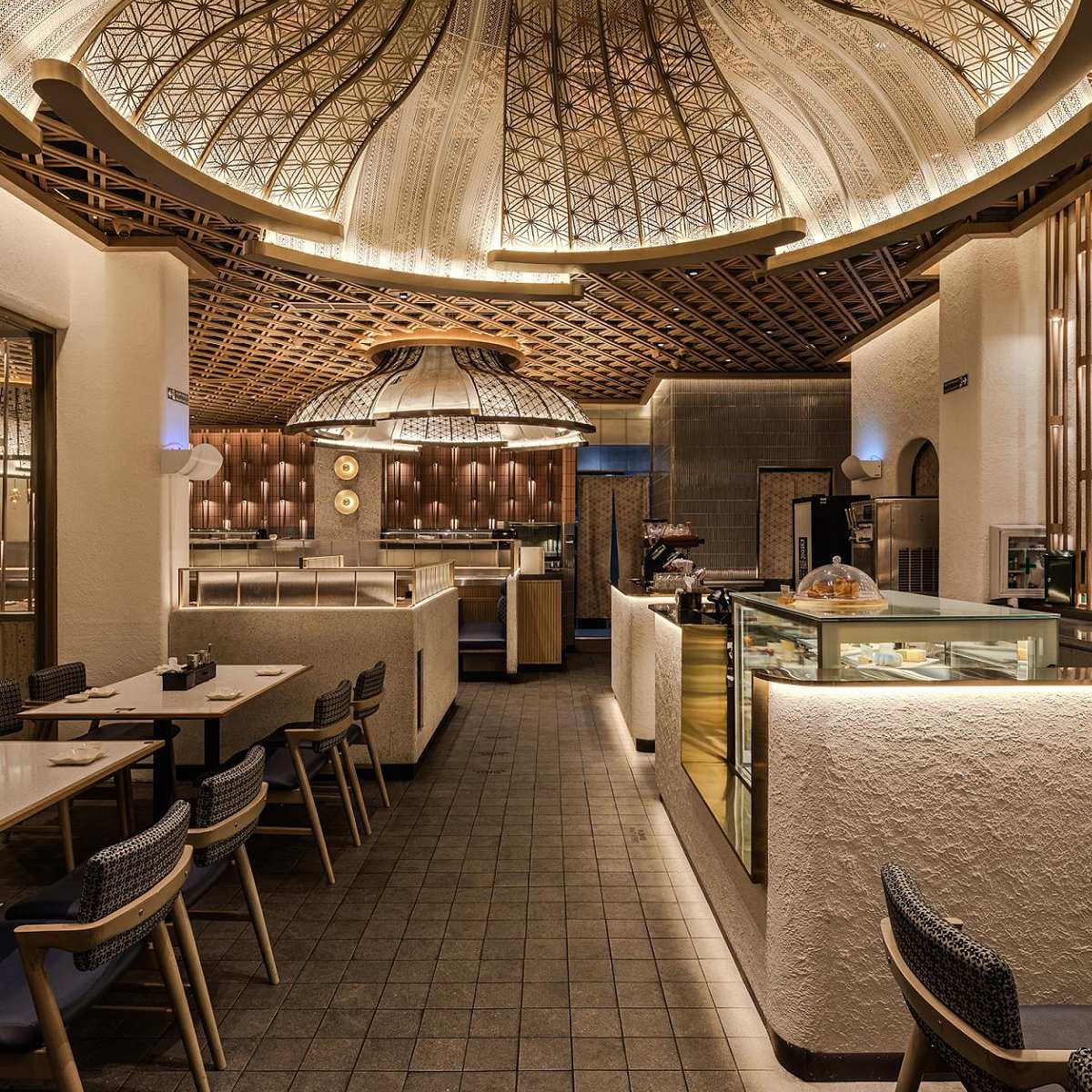
MoMo.Co.,Ltd. Creates a Refined Dining Environment for Sushi Tei Jawa
SEPTEMBER 28, 2026
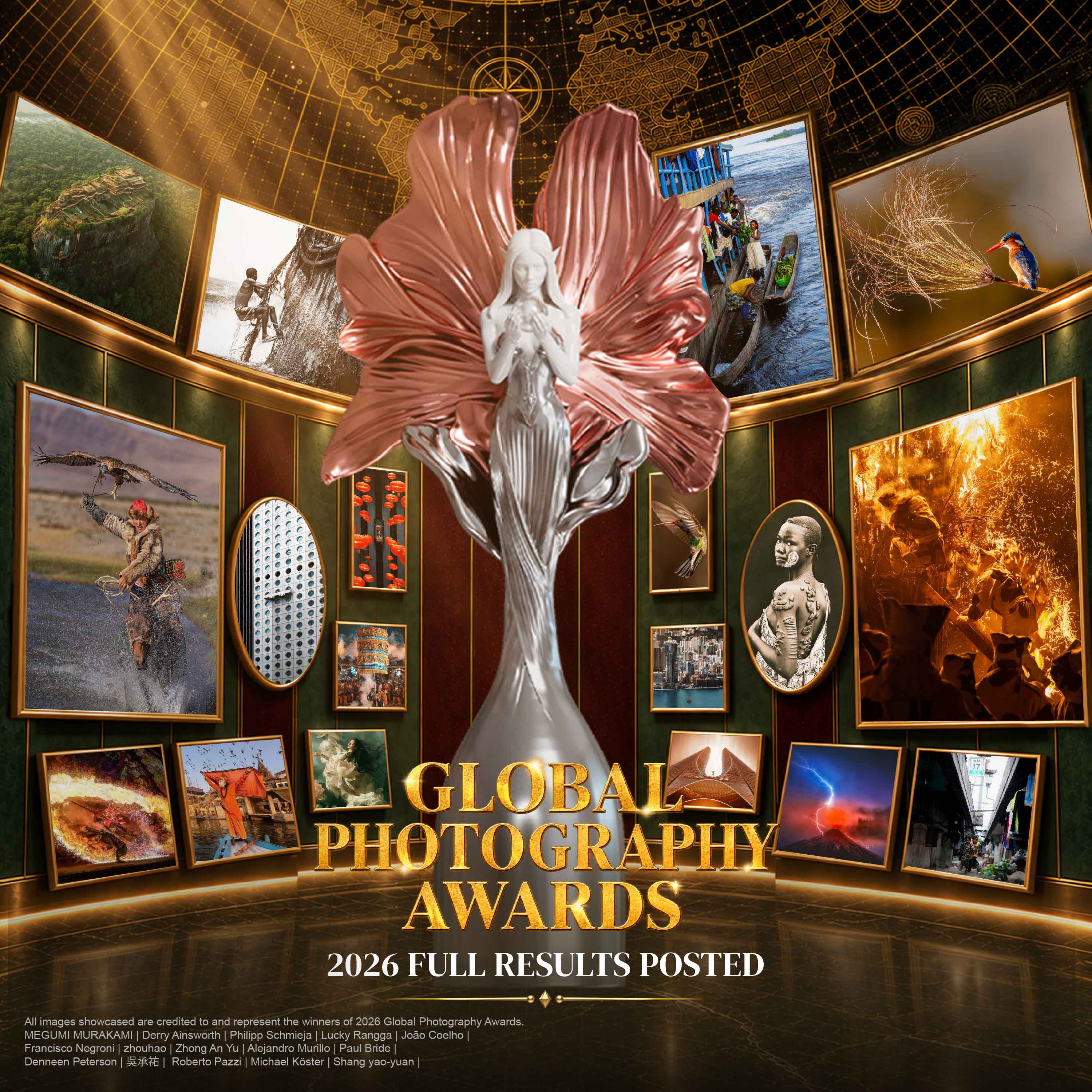
2026 Global Photography Awards Reveals Photographers of the Year an...
SEPTEMBER 25, 2026

How Many Awards Should You Enter? (Strategy Guide)
SEPTEMBER 23, 2026
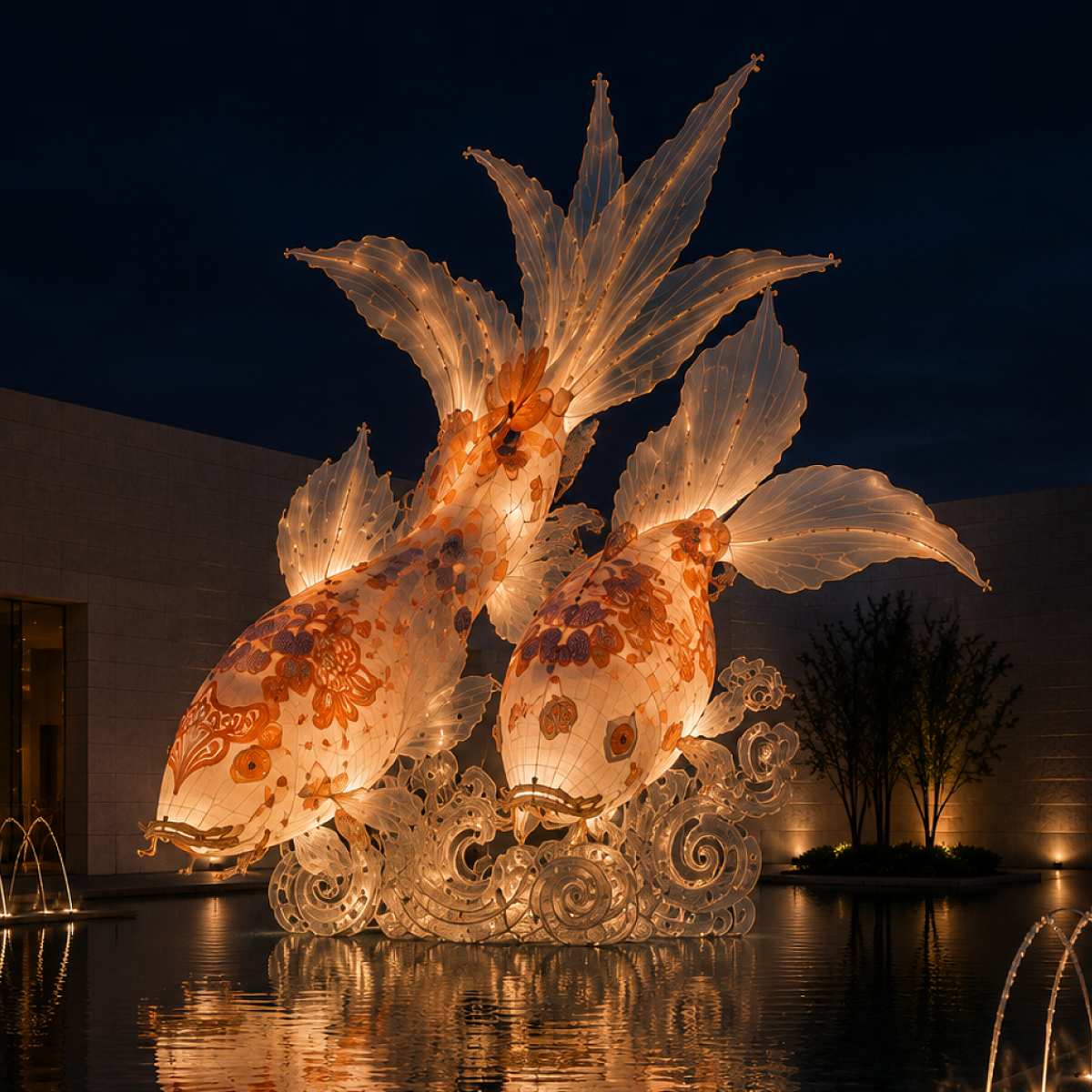
Interactive Light Installation: Before Fish Become Birds Creates a ...
SEPTEMBER 22, 2026

Creative vs Effectiveness Awards | Key Differences Explained
SEPTEMBER 21, 2026

Tonic DNA Brings Highmark’s (un)Hungry Community Story to Life Thro...
SEPTEMBER 17, 2026

Marketing Awards for Startups | Small Business Awards Guide
SEPTEMBER 16, 2026
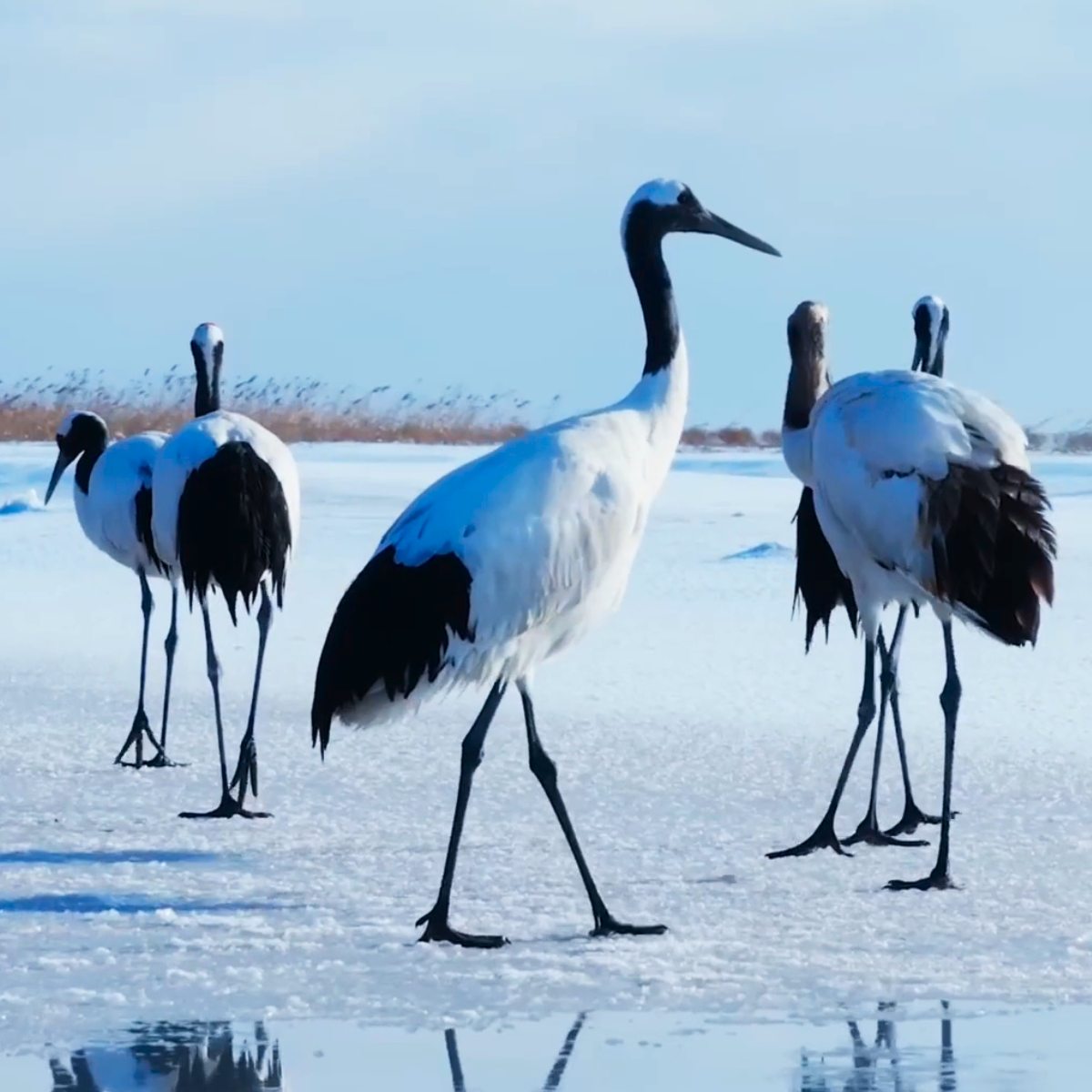
National Geographic, SDRATS & CICC Capture Life at the Yellow River...
SEPTEMBER 16, 2026

2027 French Design Awards Opens Global Entries for Design Excellence
SEPTEMBER 15, 2026


IAA GLOBAL AWARDS
MUSE Awards
Vega Awards
NYX Awards
TITAN Awards
- TITAN Business Awards
- TITAN American Business Awards
- TITAN Property Awards
- TITAN Women in Business and Leadership Awards
- TITAN Health Awards
- TITAN Innovation Awards
- TITAN Brand Awards