Interwoven Realm
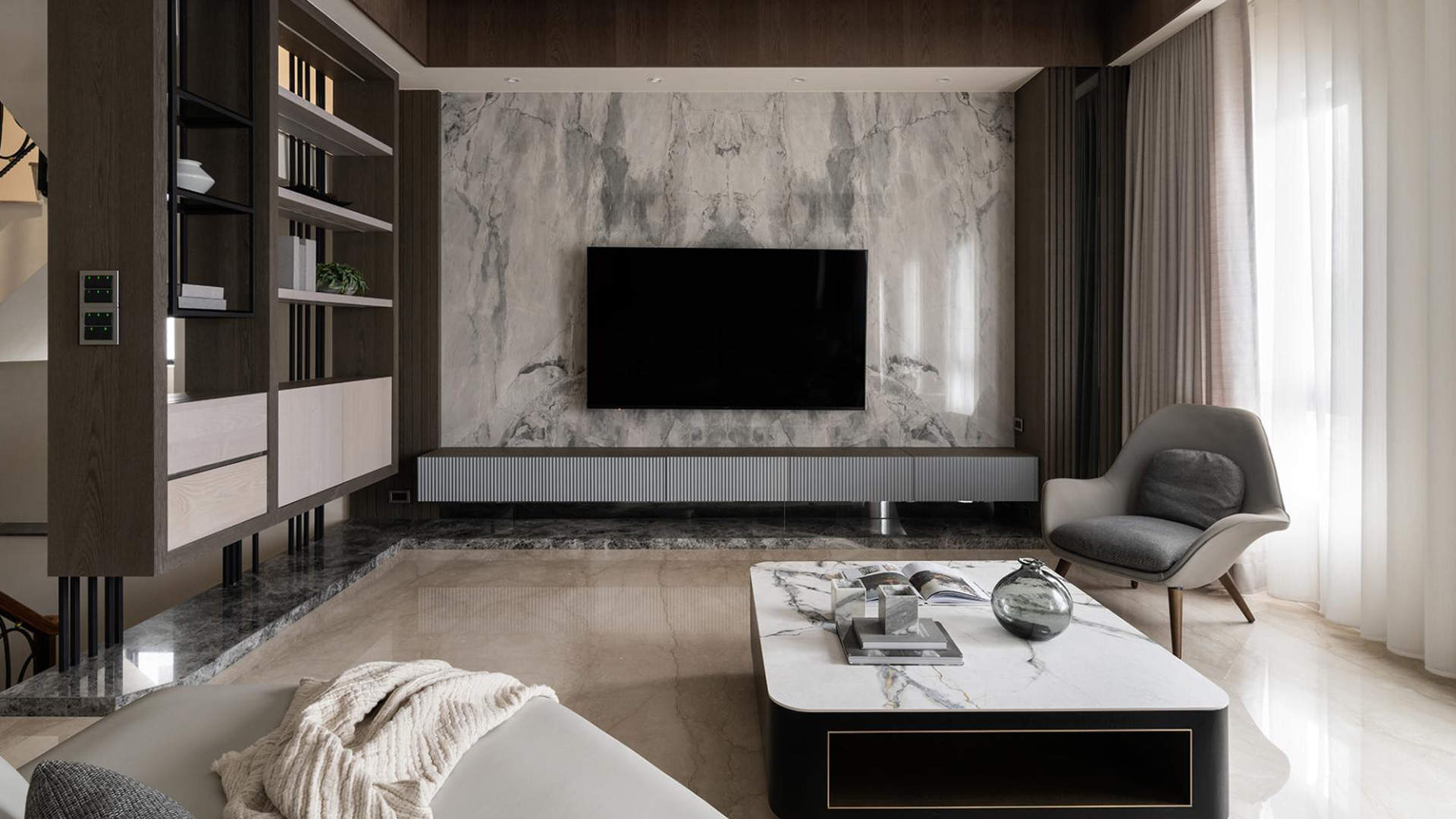
This detached townhouse is a remarkable feat of design, featuring an innovative “adjustable interface” that...
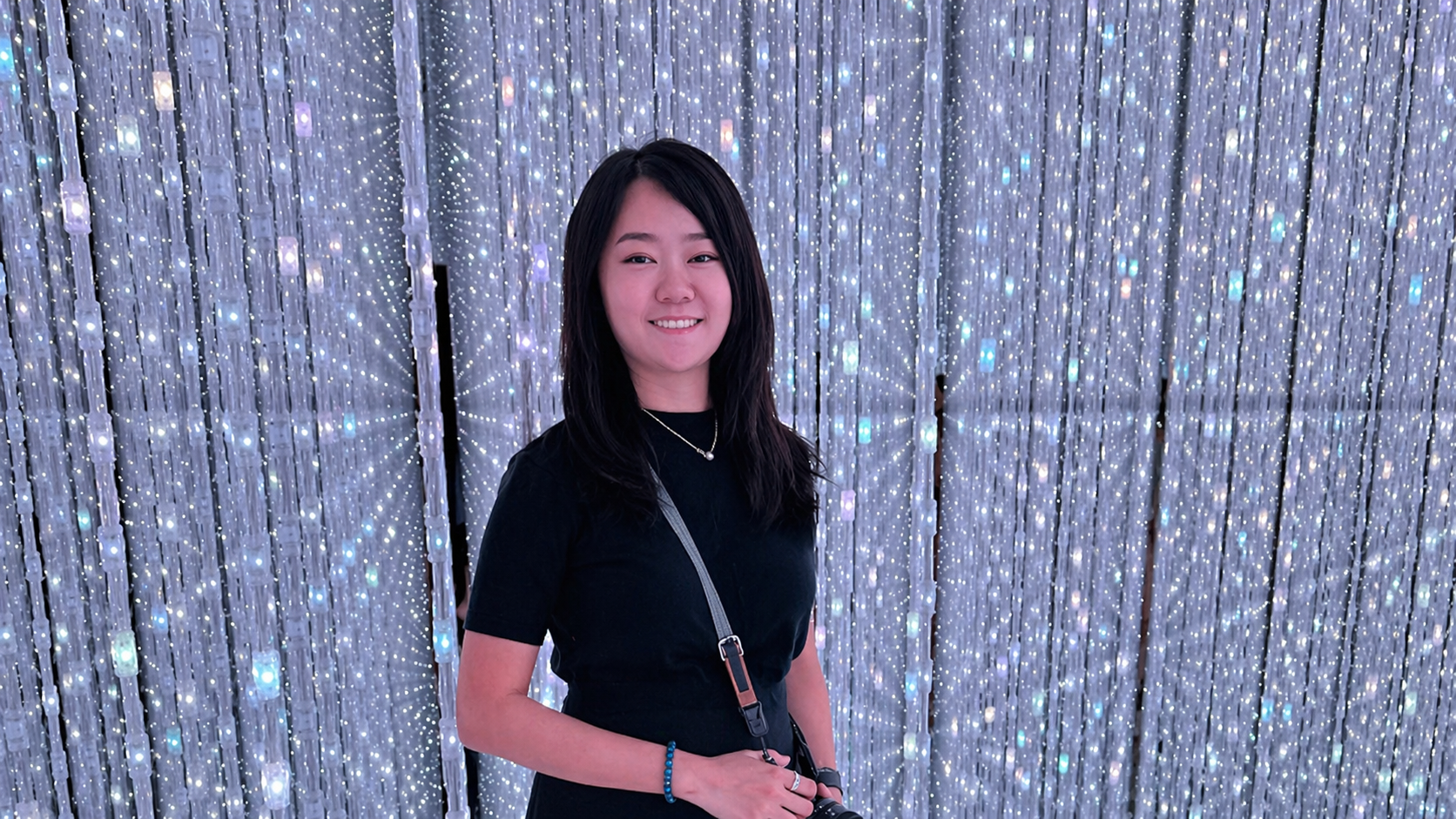
I am the founder of Bell Space Design and an interior designer, with a focus on both residential and commercial environments. I approach design as a dialogue between people and space, where every project is shaped by the rhythms of living and the subtleties of human experience.
My passion for this field stems from a deep fascination with how space can influence emotion, perception, and behavior. Through the interplay of light, materiality, and spatial sequencing, I have come to understand that design is not merely about visual expression, but about crafting atmospheres that elevate everyday living.
For me, design is a continuous pursuit—an evolving process of refinement, awareness, and intention.
Receiving recognition at the MUSE Design Awards is, to me, a form of international affirmation and a significant milestone in my design journey. It not only signifies that my work has been seen on a global stage, but also validates my long-standing commitment to design quality and meticulous attention to detail.
More importantly, this honor provides an opportunity to step onto a broader platform. I see it not as a destination, but as the beginning of a new chapter—one that drives me to continually refine my craft and create spaces with greater depth, meaning, and lasting value.
Being recognized by the MUSE Design Awards represents a meaningful advancement and a turning point for both my career and my firm.
On a personal level, it has further defined my design identity and strengthened my commitment to pursuing ever-higher standards. For the team, this recognition brings a clearer sense of direction and confidence, fostering a shared dedication to excellence in both quality and detail.
Beyond increased visibility, this achievement contributes to the accumulation of brand trust. It opens up broader opportunities for growth and allows us to engage with a wider spectrum of possibilities on an international stage.
In my design process, experimentation serves as a driving force that continuously pushes the boundaries of creation. It is not merely about exploring new forms, but about rigorously testing the relationships between materials, light, and spatial proportions to discover the most suitable possibilities for the user.
In one residential project, for instance, I explored a layered composition of contrasting textures, combining mineral-based finishes, metallic elements, and warm wood surfaces. Through the modulation of natural light, the space reveals subtle variations and depth throughout the day.
At the same time, I reconfigured the circulation and openness of the layout, enhancing fluidity and encouraging interaction within the shared living areas.
In certain projects, I often seek inspiration beyond the realm of design itself, drawing from nature, the nuances of light, and even the rhythms of everyday life.
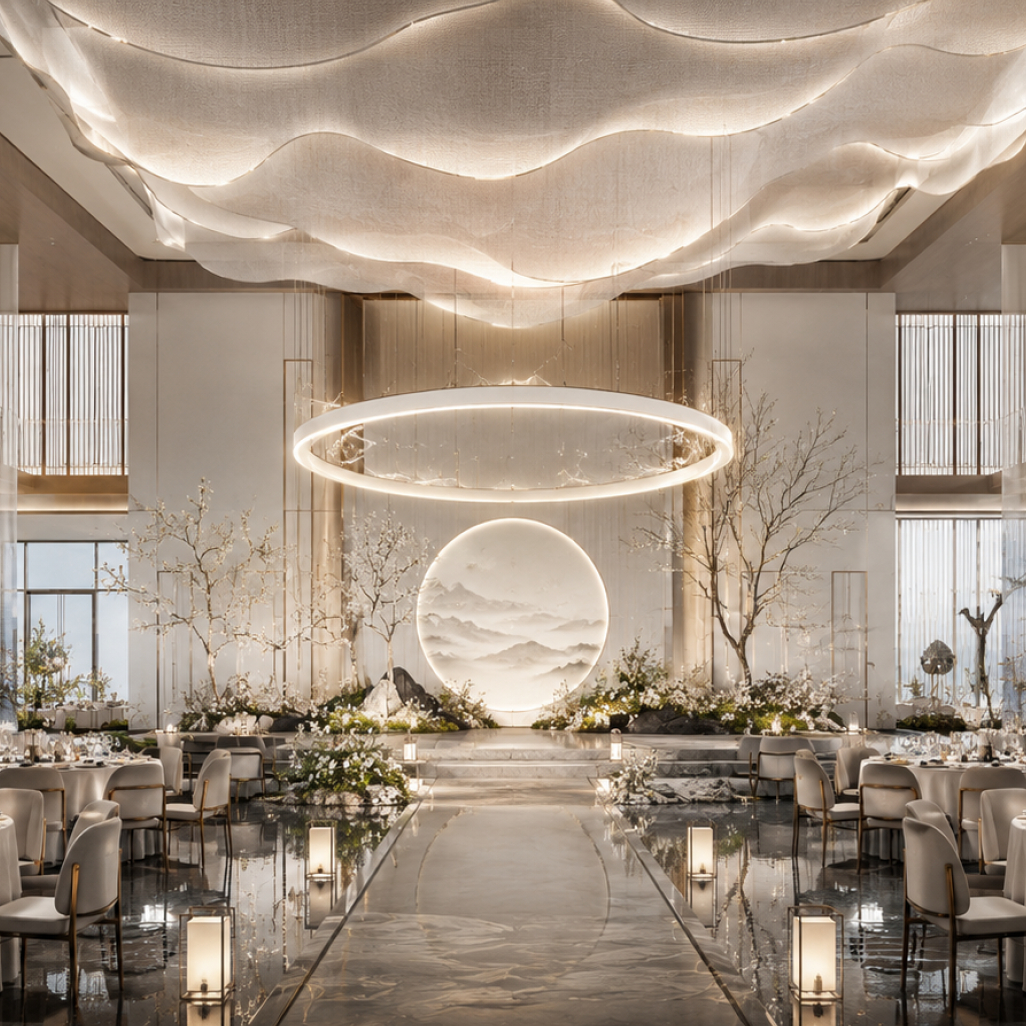
In one residential project, for example, my concept was inspired by observations of the sea. I was particularly drawn to how its surface transforms throughout the day, revealing layers of depth and a sense of fluidity under shifting light conditions. This experience was translated into the space through gradations of materials and a deliberate orchestration of light.
By working with low-saturation palettes, refined textures, and carefully controlled indirect lighting, I created an environment that evolves over time, allowing the atmosphere to shift subtly throughout the day, much like the ever-changing surface of the ocean.
Within the design process, what I most hope to be understood is that design is not about choosing a style—it is an integrated process of decision-making. While many approach design through style, color, or isolated elements, a truly resolved space is built through layers of consideration: user needs, spatial circulation, proportional balance, material logic, and construction detailing. What appears simple is often the result of rigorous evaluation, refinement, and deliberate trade-offs.
I believe the true value of design often resides in what goes unnoticed—the precision of junctions, the direction of light, and the calibration of scale. These subtle details continuously shape quality of life over time.
Design is therefore not an outcome of speed, but a discipline that requires time, accumulation, and professional judgment. Only when this is understood can the real value of design be fully recognized.
In the design process, I do not see “meeting client expectations” and “upholding design integrity” as opposing forces, but rather as a professional challenge that requires thoughtful integration.
I begin by developing a deep understanding of the client’s lifestyle, values, and functional needs—this forms the foundation of every project. From there, I apply professional judgment and experience to guide clients toward a more comprehensive and forward-looking vision of their space.
At times, client needs may be intuitive and fragmented. The role of the designer, then, is to translate these fragments into a cohesive, logical, and enduring spatial solution.
My approach is not about compromise, but about alignment—using communication and design expertise to bring “needs” and “vision” into balance within a single work, allowing them to elevate one another.
In the development of this award-winning project, the primary challenge lay in achieving a precise balance between design integrity and practical constraints.
On one hand, I aimed to faithfully realize the original design intent—preserving the layering of materials, the nuances of light, and the integrity of spatial proportions. On the other hand, the execution phase inevitably involved real-world considerations such as budget control, construction conditions, and technical limitations.
To bridge this gap, I introduced a higher level of detail development early in the design process and worked in close collaboration with contractors, continuously refining junctions and detailing strategies. This ensured that the design language could be accurately translated during construction. At the same time, I made strategic decisions to prioritize key areas, focusing resources where they would most effectively express the spatial value.
Ultimately, this process allowed the project to move beyond a conceptual vision, becoming a realized space that maintains its integrity and quality in everyday use.
When I encounter creative blocks, I don’t rush to search for answers within the design itself; instead, I choose to step away.
I return to a more intuitive state of perception, often by immersing myself in nature—observing light, materiality, and spatial qualities—or by allowing myself to enter a quieter, more reflective mindset. For me, inspiration does not come from forced production, but from a heightened awareness of everyday life.
At the same time, I revisit the core of the project—the needs of the user and the essence of the space. More often than not, when I realign my focus on who I am designing for, clarity naturally follows.
In my work, I am guided by a set of core values: authenticity, longevity, and a deep respect for the essence of living.
I believe that space should not be a fleeting expression of style, but a lasting presence—one that evolves over time, remains relevant through use, and maintains its integrity. This is why I place strong emphasis on proportion, materiality, and the durability of details, ensuring that a space retains its quality and order across different stages of life.
My life experiences have also shaped a heightened sensitivity to the relationship between people and space. Whether it is the rhythm of daily life, emotional transitions, or the fluidity of everyday use, I strive to address these intangible needs through design.
To me, design is not merely about creating a visually pleasing environment—it is about crafting a space where people can live over time, settle into themselves, and ultimately find a sense of belonging.
For young designers aspiring to build a career in this field, my advice is to first establish a strong foundation rather than rushing to pursue style or expression.
At its core, design is about understanding the relationships between space, proportion, materials, and people. These capabilities require time to develop and must be continuously refined through real-world practice. Equally important is cultivating a sensitivity to detail—what ultimately sets designers apart is often not the concept itself, but the precision of its execution.
It is also essential to learn how to work with real-world constraints—budgets, construction methods, and communication are all integral parts of design, not limitations. The ability to deliver high-quality work within these constraints is what defines true professionalism.
Above all, continue to observe life and think critically. Style can be replicated, but a deep understanding of life—and the judgment that comes with it—is what creates lasting and irreplaceable value.
If given the opportunity, I would be most interested in collaborating with Peter Zumthor.
I deeply admire his pursuit of atmosphere and sensory experience in space. His work does not rely on formal expression, but instead engages materiality, light, and proportion to create a profound and quiet emotional resonance. It is this level of sensitivity to detail and perception that allows his spaces to be not merely seen, but truly experienced.
I feel a strong resonance between his design language and my own values, particularly in the shared focus on time, material presence, and the relationship between people and space.
Such a collaboration, I believe, would become a meaningful dialogue on the essence of space and the depth of human perception, while also pushing my own practice toward new dimensions.
A question I wish more people would ask is: “Will this space still hold its value in five or ten years?”
To me, the quality of a design is not defined by its immediate visual impact or sense of completion, but by its ability to endure over time. A space is truly tested only once it is lived in—when circulation is experienced, materials begin to age, and the atmosphere settles into everyday life.
For this reason, I intentionally avoid overly assertive formal expressions, choosing instead to focus on proportion, material integrity, and the stability of details. I aim to create spaces that evolve with time, rather than ones that are quickly replaced.
I believe the value of design does not lie in a moment of impression, but in its lasting ability to feel appropriate, comfortable, and even more meaningful as time goes on.