National Alliance on Mental Illness Branding
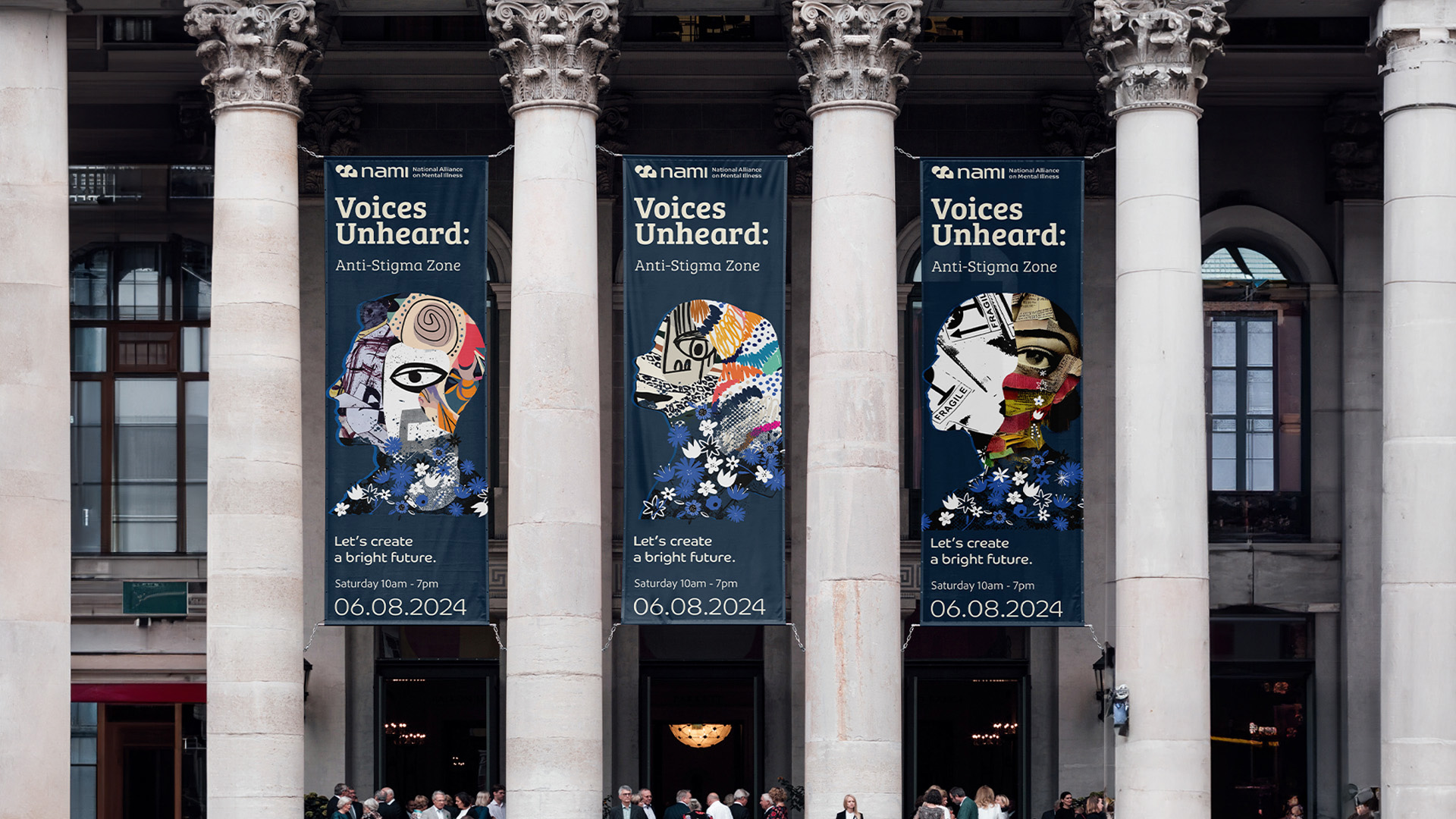
This project reimagines the brand identity of the National Alliance on Mental Illness (NAMI), one...
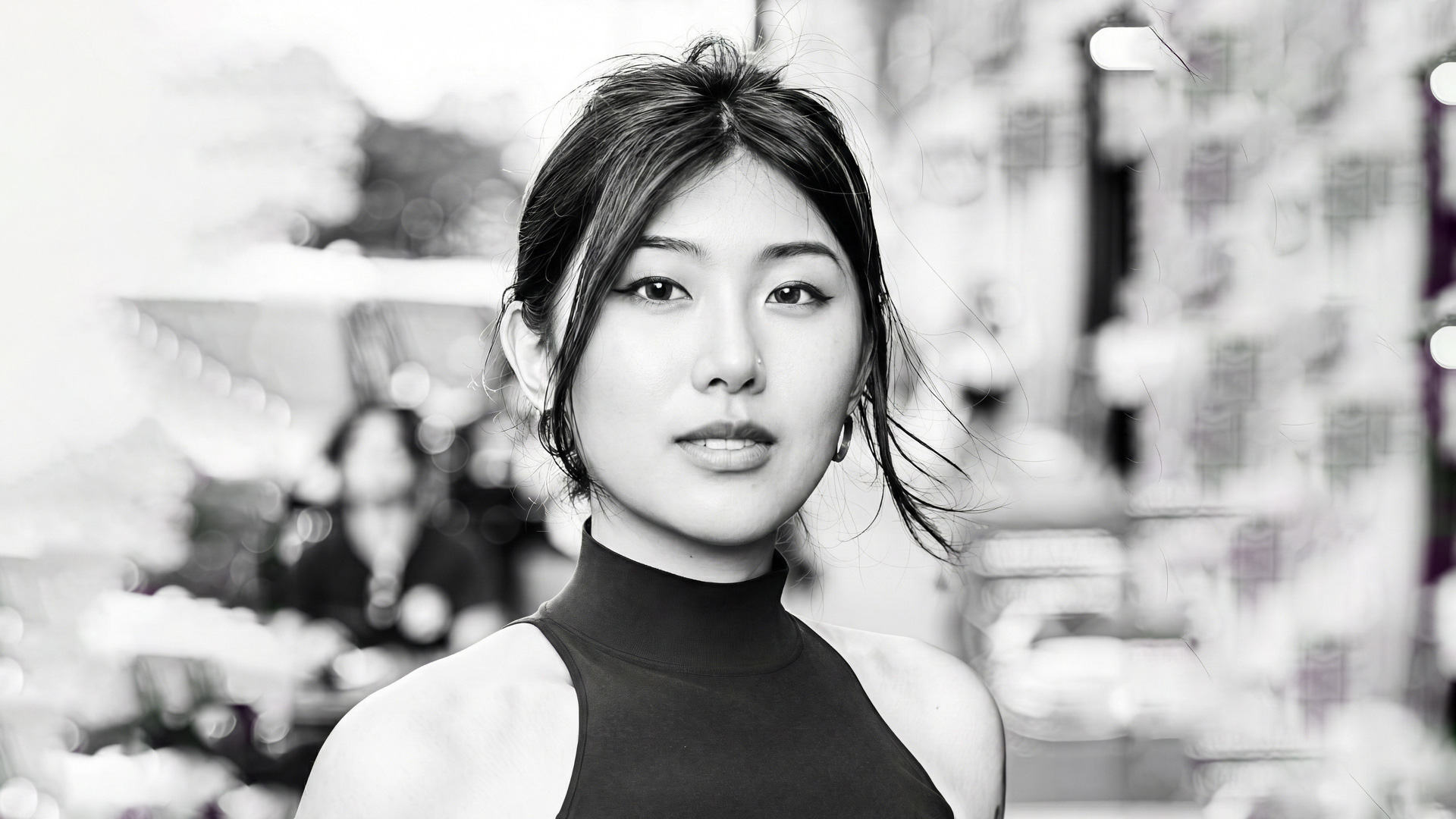
Yining Xie is a graphic designer focused on brand identity and empathetic visual communication, driven by a fascination with how design can shape understanding between people. Her work translates real human experiences, especially in mental health, into thoughtful systems that connect communities.
My name is Yining, and my preferred name is Ju. I am a graphic designer who focuses on brand identity and visual communication rooted in empathy. I entered the design field because I have always been fascinated by how visuals can shape understanding between people. Over time, that curiosity grew into a deeper commitment to creating design systems that reflect real human experiences—especially in spaces like mental health, where communication can influence awareness, support, and healing.
My journey has taken me from traditional art to contemporary design, but one thing has remained constant: my belief that design is not just a tool for aesthetics, but a way to build bridges between communities.
I submitted this project because I believe mental health communication deserves more innovative, human-centered design solutions. The NAMI rebrand challenged me to combine research, empathy, and strategic thinking in a way that felt meaningful.
Winning this award reinforces the importance of designing for social impact and encourages me to continue using design as a tool for change, not just aesthetics.
The concept for this rebrand grew directly out of a deep research phase. Beyond studying mental health organizations and Gen Z behavior, I spent significant time on social media platforms where individuals openly shared their experiences with mental illness.
I reviewed the language they used, the metaphors they chose, and the visual ways they described feeling fragmented, overwhelmed, or in transition. Many of these reflections came from diary-style posts—raw, unfiltered, and incredibly honest.
This became the foundation of the identity system. I wanted to build a visual bridge between those who experience mental illness and those who may not fully understand it. The collage approach reflects the emotional reality many people describe: pieces of oneself that do not always fit neatly, yet still form a whole.
In today’s industry, where human-centered design is increasingly prioritized, this project represents the importance of designing not just for audiences, but with the voices of the communities being represented.
What distinguished this project was its foundation in behavioral and audience research. Every element—the texture, typographic treatment, and modular collage system—was informed by insights gathered from individuals affected by mental health challenges.
Additionally, the identity was designed to be adaptable. Rather than a rigid system, it functions as a flexible visual toolkit that community chapters, educators, and advocates can customize based on their needs. This practical usability, paired with a conceptually strong framework, helped the project stand out.
A major challenge was translating deeply personal, emotional experiences into a public-facing visual system without oversimplifying or misrepresenting them. Because much of my research came from social media diaries and personal posts, I felt a strong responsibility to handle those insights with care.
To overcome this, I focused on identifying patterns—not in the content of the stories, but in the emotional structures people used to describe their mental states. Collage, fragmentation, layering, and reconstruction repeatedly emerged as themes. I refined these into a visual language that conveys complexity while remaining accessible to people who may not share these lived experiences.
This approach helped ensure the identity was not only expressive but also bridged understanding, creating a design system that respects emotional depth while fostering greater empathy.
Winning reinforces my commitment to socially responsive design and positions my work within conversations about how visual communication shapes public understanding. I hope this recognition will continue to open doors to collaborations with organizations that are actively addressing cultural and societal issues.
I have already noticed increased interest from colleagues and collaborators who want to explore similarly research-driven projects.
Viewers responded strongly to the system’s honesty and its ability to make mental health communication more approachable. Several people mentioned that the fragmented visual language felt relatable without being discouraging, which was a key goal of the project.
Hearing that the design helped people feel “represented” stood out to me, because it validated the research-guided choices that shaped the identity.
Start with insight, not decoration. Award-winning work often succeeds because it responds to a genuine need or problem. Ground your decisions in research, let your concept drive the visuals, and demonstrate clear reasoning throughout your process.
Also, document your thinking. Strong strategy paired with thoughtful execution is far more compelling than aesthetics alone.
Design is moving toward a multidisciplinary space where storytelling, data, technology, and empathy intersect. I see this evolution as an opportunity for designers to broaden their influence.
Looking ahead, I hope to position myself at the intersection of brand systems, motion storytelling, and emerging creative technologies, including AIGC. These tools will reshape how we prototype, ideate, and communicate, and I plan to leverage them to design solutions that are both innovative and socially relevant.
View award submissions as a learning exercise, not a final judgment. The process of writing about your work, defining your strategy, and reviewing your outcomes is incredibly valuable in itself. You build confidence by sharing your work publicly, even before you feel fully “ready.” Growth often happens in those leaps.
Invest in truly listening to the communities and audiences you design for. Understanding lived experiences is just as important as visual craft. When designers approach projects with empathy and rigor, creativity becomes a tool that can create long-term impact rather than temporary engagement.
I dedicate this recognition to everyone who has shared their mental health experiences openly. Their honesty guided the direction of this project and shaped the tone of the rebrand.
A research-driven identity system that transforms emotional complexity into a visual language of visibility, honesty, and support.
Looking ahead, my goal is to continue growing as a designer who leads with empathy. Working on the NAMI project reminded me that design is ultimately about people—listening to their stories, understanding their emotions, and translating those insights into visuals that create connection and understanding.
I am excited to keep exploring new tools, including emerging technologies and AIGC, not as shortcuts, but as ways to expand what is possible in communication and visual language. Even as the industry evolves rapidly, I want to stay grounded in the designer’s original intention: to observe, to interpret, and to create work that respects human experiences.
No matter how advanced our tools become, I believe the heart of design will always come from empathy. My future projects will continue to honor that, blending innovation with a commitment to designing for real people and real stories.