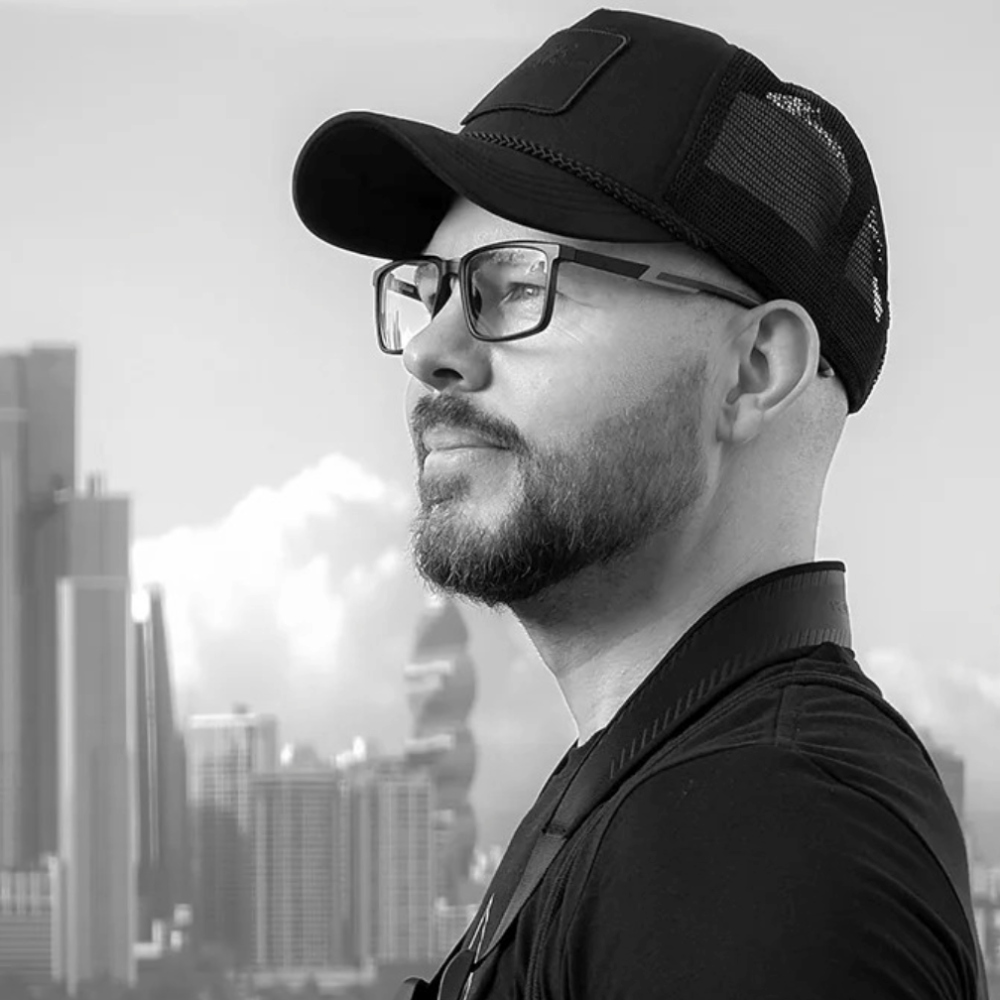
Neon Metro
This hotel draws inspiration from the rhythm and energy of the two conflicting sides of...
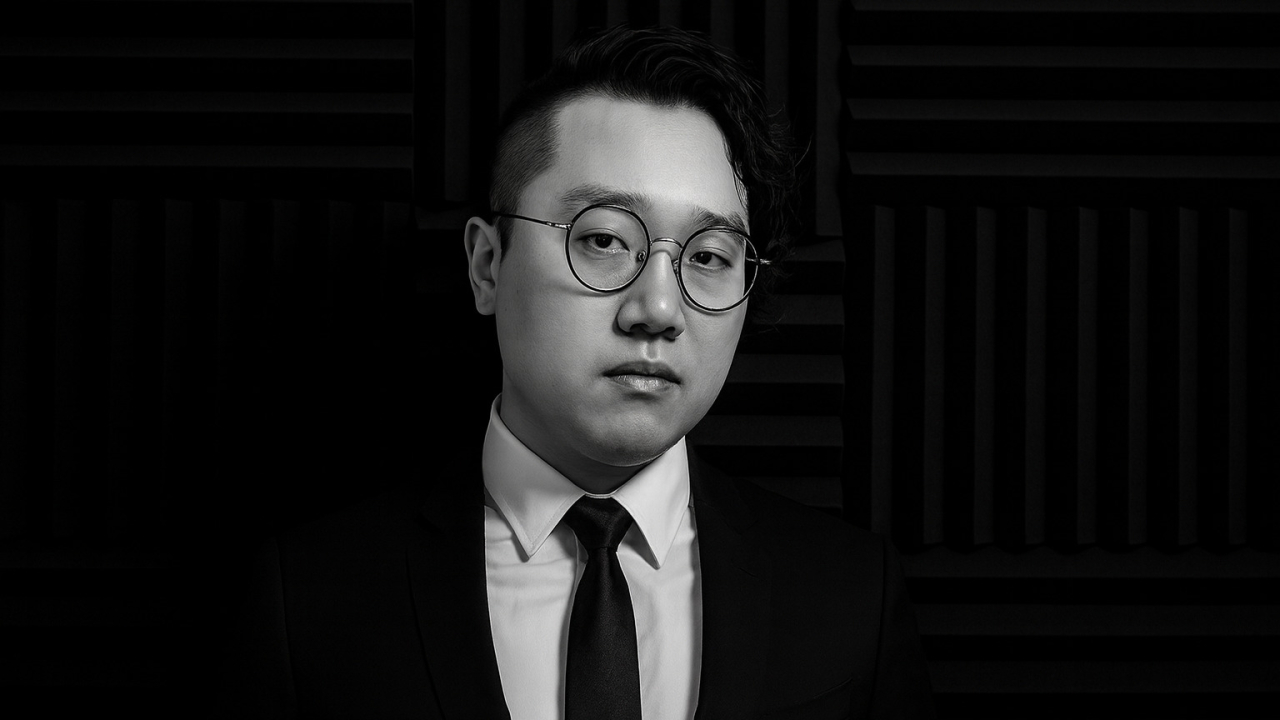
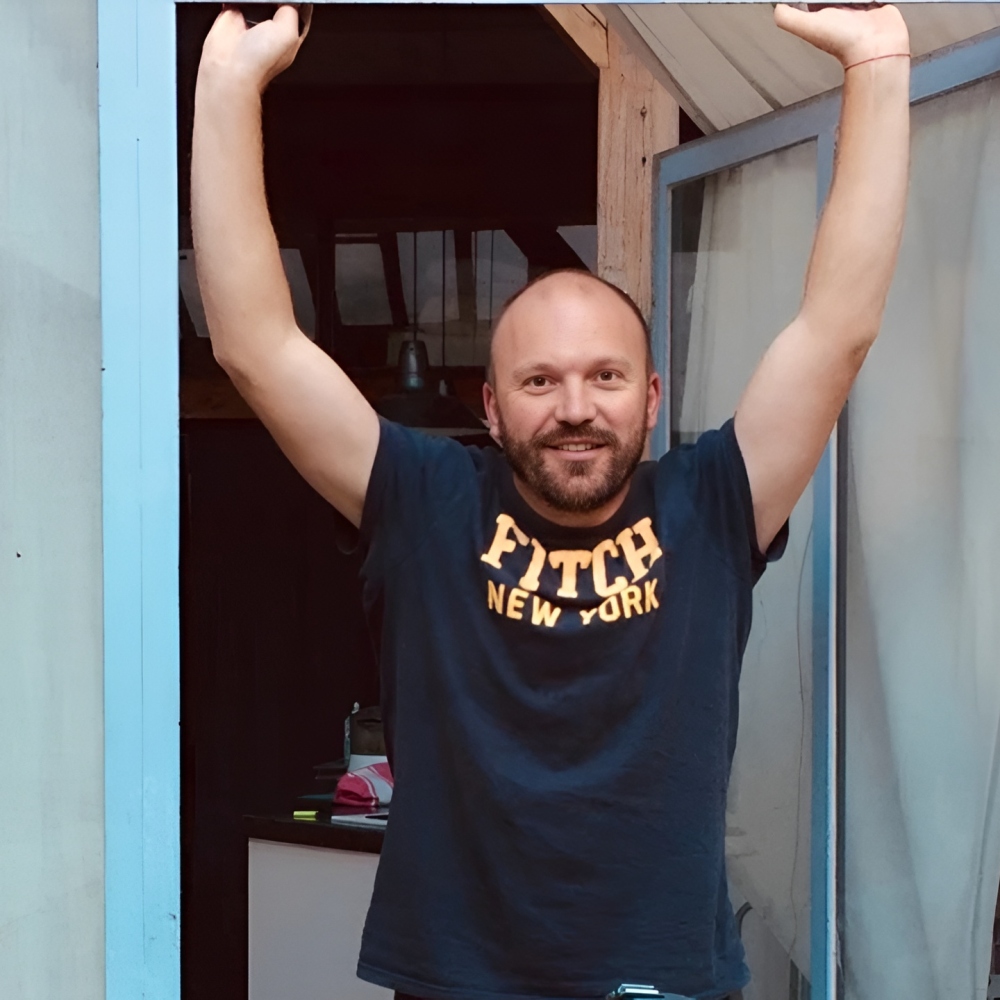
Starting as an architectural designer, Hao Wu moved into interior design in 2016 and has since developed experience across offices, exhibition spaces, entertainment areas, retail environments, and hospitality. He relies on experimentation to shape solutions, as seen in his work inside a protected historic building, where he introduced contemporary elements through careful testing and non-invasive design strategies.
I started my career as an architectural designer and switched to interior design in 2016.
Over the years, I’ve worked on many project types—offices, exhibition centres, entertainment spaces, and retail—but hospitality is the one I enjoy the most. I want a career that stays interesting, brings new challenges, and offers something different every day. That’s what design gives me, and that’s why I chose this path.
This will help me know where I am and understand what other designers are doing and thinking. I usually focus on serving clients and making their dreams come true, rather than creating what I want. The London Design Awards gave me an opportunity to test myself.
This award can help me gain more exposure and be seen by more people. It can also help attract potential clients and build trust in my work.
Every project is unique, so experimentation is an important part of my creative process. I test different ideas, explore different ways of thinking, and often take on multiple roles within a project.
One example is a project I worked on inside a historical building. Almost everything in the building was protected, so we had to solve problems using the most precise and fully removable solutions.
For the lobby, we wanted to keep the original Art Deco feeling but make it fresh and modern. This required many rounds of material testing and custom carpet pattern designs to find the right balance. Experimentation helped us respect the history while creating something new.
It is a large data centre project, and we secured the job during a business dinner. Our concept combines the idea of a traditional Chinese lucky monster, symbolising wealth and well-being.
Good design takes time—and it’s about much more than just images.
I believe an interior designer’s job is to help clients build their dream space, not mine. There are no bad ideas—every idea has potential. I use my professional skills to refine their vision and make it real. That way, I meet their expectations while still bringing my design knowledge and judgment into the project.
Unfortunately, many of my best projects are confidential, so the award-winning design was a concept I created to explore what I like and to study how different ideas can work together. The challenge with a concept project is that there is no clear boundary—you can collect too much information, and every direction seems possible.
I wanted to test everything, and it was easy to lose the core idea. I overcame this by focusing on the most important feeling I wanted to express, and using that as the guide to filter out unnecessary ideas.
When I feel stuck, I stop and do something different—like painting a quick water colour, going to the gym, or simply going to the break room to talk with people. Taking a break helps me reset and come back with a clearer mind.
I have a very broad range of experience, which allows me to evaluate my work from different angles. An interesting part of my background is that an architecture degree in my home country is more like an engineering degree. It made me less emotional about design, but much more logical.
Because of this, I like to analyse a task from multiple perspectives instead of relying only on instinct.
My first mentor told me that design becomes as natural as breathing when you’ve done it for over 30 years. His advice was simple: keep working, keep learning, and the rewards will come.
I would choose Frank Lloyd Wright. His work shows a perfect balance between architecture, nature, and human experience. I admire how he created strong concepts and turned them into timeless spaces. Collaborating with him would teach me how to blend design, structure, and emotion in a much deeper way.
Are you happy? Yes!
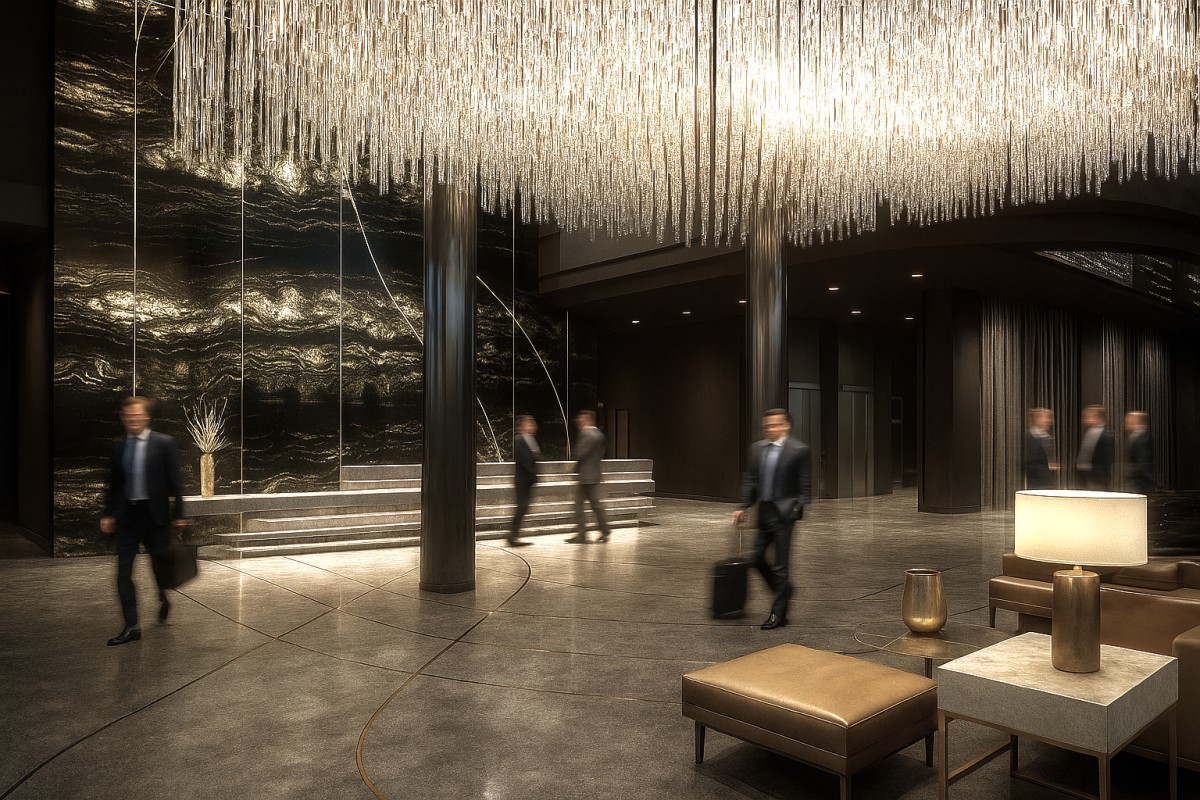
Discover When Craft Becomes Conversation: Haoyu Sun’s Experiments in Cultural Expression here, to learn more about drawing from the traditions of Chinese craftsmanship.